My first real encounter with chashu pork wasn't in some fancy Tokyo ramen-ya. It was in a back-alley shop in Fukuoka, steam fogging up the windows, the smell of pork bones boiling for days thick in the air. The chef slid a bowl towards me, and there it was: a few slices of that marbled, glistening, impossibly tender pork belly resting on the noodles. One bite, and I was hooked. It wasn't just meat; it was silk. It was umami. It was the soul of the bowl. Since then, I've spent years chasing, making, and frankly, overthinking this dish. Let's cut through the noise and talk about chashu pork—how to make the real thing, where to find the best, and the mistakes almost everyone makes.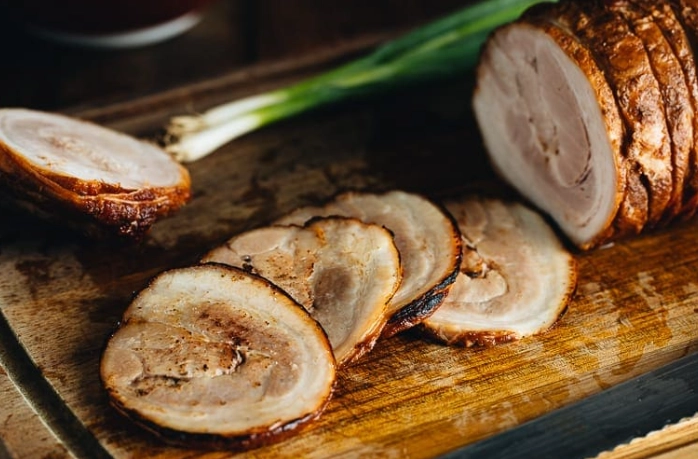
What's Inside This Guide
What Exactly Is Chashu Pork? (It's Not What You Think)
First, a quick myth-buster. The term "chashu" (チャーシュー) is derived from the Chinese "char siu," but the Japanese version is a completely different beast. Forget the red-honeyed barbecue pork hanging in Cantonese windows. Japanese chashu is about slow, gentle braising or simmering. It's a technique, not a specific recipe.
You'll typically find two main cuts:
- Pork Belly (Bara Chashu): This is the king. Layers of fat and meat that, after hours of cooking, melt into something unbelievably rich and soft. This is the classic ramen topping.
- Pork Shoulder/Butt (Rōsu Chashu): Leaner, more sliceable, often rolled and tied. It's firmer but still incredibly flavorful. You might see this in bento boxes or as a side dish.
The magic happens in the braising liquid, or *tare*. It's a savory-sweet bath of soy sauce, sake, mirin, sugar, and aromatics like ginger, garlic, and green onions. The pork bathes in this for hours, absorbing flavor and transforming in texture.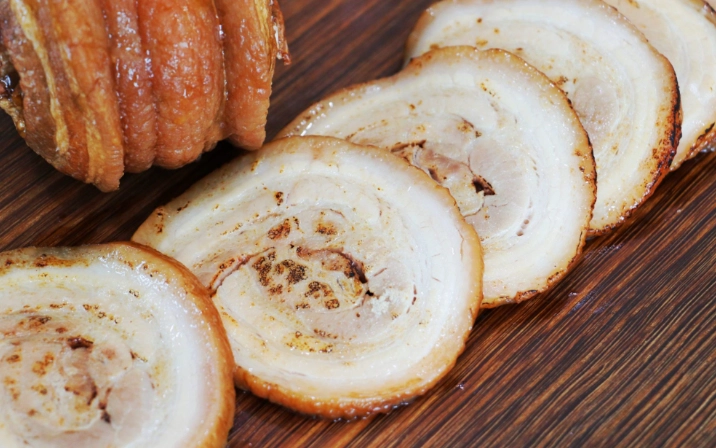
Here's a subtle mistake most recipes don't mention: Many home cooks use a rolling boil. That's a great way to toughen the meat and make the fat greasy instead of unctuous. True chashu is cooked at a bare simmer, with just a few lazy bubbles breaking the surface. Patience is the non-negotiable ingredient.
How to Make Restaurant-Quality Chashu at Home: A Step-by-Step Breakdown
You don't need a professional kitchen. You need time and attention to detail. Let's make pork belly chashu, the ramen star.
The Non-Negotiable Prep Work
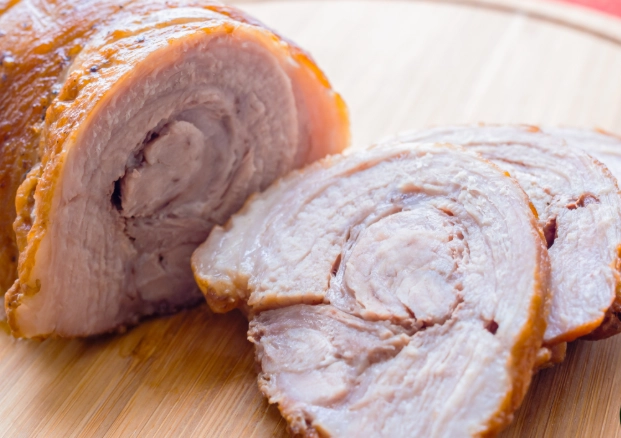
Start with a 2-3 pound slab of skin-on pork belly. Skin-on is crucial—it holds the roll together and adds collagen to the braise. Don't let the butcher remove it. Roll it tightly, fat side out, and tie it every inch with kitchen twine. A tight roll ensures even cooking and perfect round slices later.
Sear it. This isn't optional for depth of flavor. In a heavy pot (Dutch oven is perfect), sear the rolled belly on all sides until it's a deep, golden brown. This isn't just color; it's the Maillard reaction building your flavor foundation.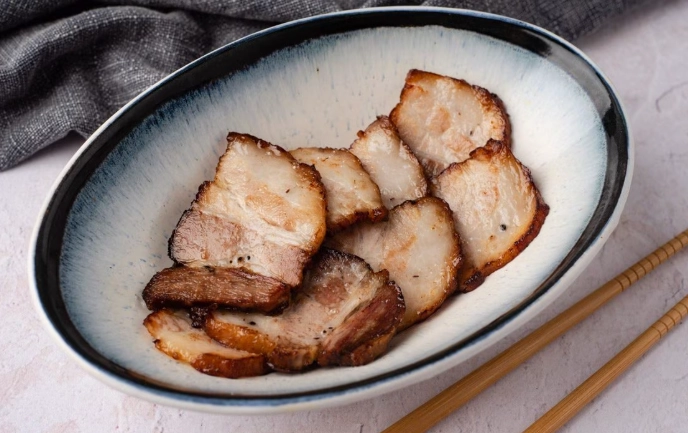
The Braising Liquid: Your Flavor Blueprint
While the pot is hot, pour in your liquids to deglaze those tasty browned bits. Here's a solid ratio to start, but adjust to your taste:
| Ingredient | Quantity | Purpose |
|---|---|---|
| Soy Sauce | 1 cup | Salty, umami base. Use a good Japanese soy sauce like Kikkoman. |
| Sake | 1 cup | Adds sweetness and complexity, alcohol cooks off. |
| Mirin | 1/2 cup | Sweet rice wine, gives the signature glaze. |
| Water | 2-3 cups | To barely cover the pork. |
| Brown Sugar | 1/4 cup | Balances the saltiness, aids caramelization. |
Add a thumb of smashed ginger, 4-5 crushed garlic cloves, and the white parts of 3-4 green onions. Bring it just to a boil, then immediately reduce the heat to the lowest setting. You want that lazy simmer. Cover with a lid slightly ajar.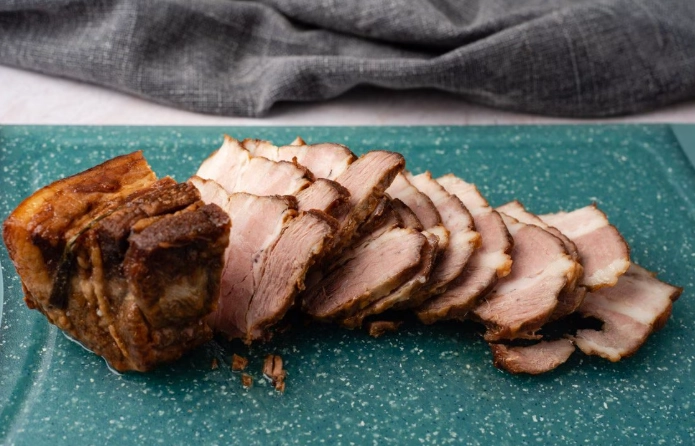
The Long Wait & The Final Touch
Now, walk away. For 2.5 to 3 hours. Turn the roll every 45 minutes. The pork is done when a skewer slides in with almost no resistance.
Here's the pro move most home cooks skip: Don't slice it hot. Let the whole roll cool in the braising liquid, then refrigerate it overnight, still in the liquid. This does two things: it lets the flavors penetrate deeply, and it firms up the meat so you can get paper-thin, clean slices that won't fall apart. The next day, skim off the solidified fat (save it for frying rice!), gently reheat the chashu in the liquid, then slice.
Where to Find the Best Chashu Pork: A Shortlist of Must-Try Spots
Sometimes, you just need to taste the master's work. If you're hunting for incredible chashu pork in a bowl of ramen, these places set a very high bar. I'm avoiding the obvious mega-chains and focusing on spots where the chashu is a standout feature.
1. Menya Musashi (Various locations, Tokyo & Worldwide)
Address: Flagship in Shinjuku, Tokyo. Multiple branches.
The Chashu: They're famous for their thick-cut, slow-braised "kakuni" style chashu. It's a massive, tender block of pork belly that almost dissolves on your tongue. It's rich, so it pairs perfectly with their robust, double soup (seafood and pork) broth.
Price Point: Bowl with extra chashu runs about 1,300-1,500 JPY.
Why it's special: The sheer size and tenderness are a spectacle. It's a commitment.
2. Ramen Nagi (Golden Gai, Shinjuku, Tokyo)
Address: 1-1-10 Kabukicho, Shinjuku. In the legendary Golden Gai area.
The Chashu: Their "Buta King" ramen features a ridiculous amount of thinly sliced pork belly chashu, marinated in a special sauce. It's more about the quantity and flavor penetration than a single dramatic piece.
Price Point: Around 1,000 JPY for a standard bowl.
Why it's special: For the chashu lover who wants it in every bite. The atmosphere of the tiny Golden Gai shop is an experience in itself.
3. Ichiran (Nationwide, Japan & International)
Address: Too many to list. The solo-dining booths are iconic.
The Chashu: Their sliced pork loin chashu (rōsu) is a lesson in precision. It's lean, tender, and perfectly seasoned, letting their iconic tonkotsu broth take center stage. It's the opposite of the belly—elegant and clean.
Price Point: Standard bowl starts at 890 JPY. Add-ons extra.
Why it's special: Consistency. You know exactly what you're getting: a flawless, no-surprises component in a meticulously engineered bowl.
Finding a great spot often means looking for shops that make their noodles and their chashu in-house. A report from Japan's Ministry of Agriculture, Forestry and Fisheries highlights the importance of such integrated production for quality control and flavor.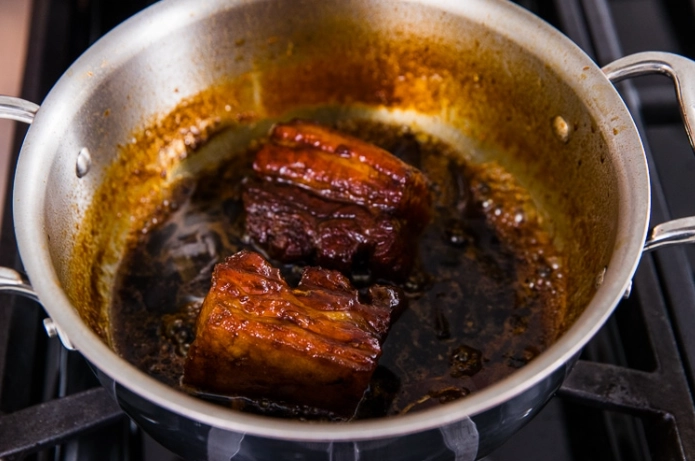
Your Chashu Questions, Answered by a Ramen Fanatic
Reader Comments