In This Guide
- The Foundation: What's in a Classic Gyoza Dipping Sauce?
- Crafting Your Masterpiece: The Basic Ratio and How to Tweak It
- Leveling Up: The Add-Ins and Game Changers
- Beyond the Basic: Regional and Modern Twists on Gyoza Sauce
- Pairing 101: Matching Your Sauce to Your Gyoza
- The Practical Stuff: Making, Storing, and Serving
- Answering Your Burning Questions (The FAQ)
- Wrapping It Up: Your Sauce, Your Rules
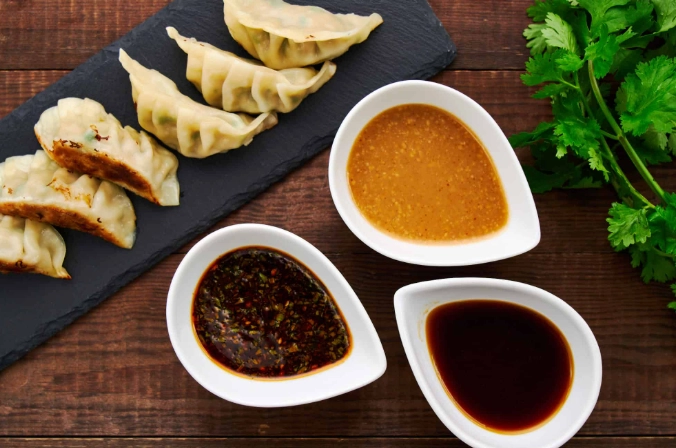
Let's be real, we've all been there. You've spent what feels like hours carefully pleating those little pockets of joy, pan-frying them to a perfect golden crisp, and then... you dunk them into a sad, store-bought sauce that tastes like salty water with a hint of disappointment. It's a culinary letdown. The truth is, a great gyoza dipping sauce isn't just an afterthought; it's the co-star of the show. It can lift the flavors of the filling, cut through the richness, and turn a good meal into an unforgettable one.
I remember the first time I made gyoza from scratch. I was so proud of my dumplings, but I just threw together some soy sauce and vinegar without a second thought. My friend, who grew up in Japan, took one bite and politely said, "The gyoza are nice, but the sauce... it's a bit one-dimensional, isn't it?" That was my wake-up call. Since then, I've made it my mission to understand what makes a truly great gyoza dipping sauce. And let me tell you, it's simpler than you think, but the devil (and the delight) is in the details.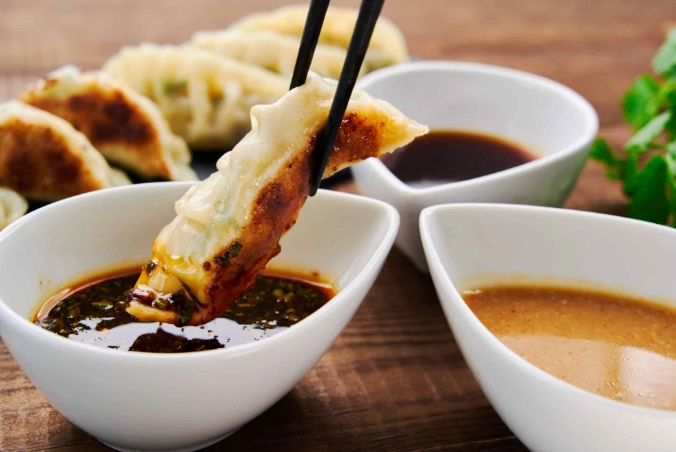
The Foundation: What's in a Classic Gyoza Dipping Sauce?
If you ask ten different people for their perfect gyoza sauce recipe, you'll get eleven different answers. But they all start from the same sacred trinity. Think of these as your primary colors—you can mix them to create anything.
The Big Three: Soy Sauce, Rice Vinegar, and Aroma Oil
Soy Sauce: This is your backbone, your umami powerhouse. Not all soy sauces are created equal. For a dipping sauce, you generally want a koikuchi shoyu, which is the standard all-purpose Japanese soy sauce. It's balanced between salty, sweet, and umami. Using a dark Chinese soy sauce can be too intense and salty, overpowering the delicate gyoza. A light usukuchi soy sauce is saltier and less sweet, which can work but needs careful balancing. My personal favorite for a basic, all-rounder gyoza dipping sauce is a good quality Japanese brand like Kikkoman. The Japan Ministry of Agriculture, Forestry and Fisheries even has resources on traditional Japanese food products like soy sauce, highlighting its cultural significance.
Rice Vinegar: This is the bright, acidic counterpoint that cuts through the fat of the fried dumpling. It provides lift and prevents the sauce from being cloying. Unseasoned rice vinegar is the way to go here—you're adding your own sweetness and salt. Seasoned rice vinegar already has sugar and salt added, which throws off your control. The acidity level is milder than Western vinegars, which is perfect for a dipping sauce you'll be consuming in quantity.
Aroma Oil: This is the secret weapon, the element that adds fragrance and mouthfeel. It floats on top of the sauce, carrying incredible scent to your nose with every dip. Rayu (chili oil) is the most famous, but toasted sesame oil is a classic, milder alternative. A few drops of this can transform the entire experience. Don't just stir it in; let it sit on top so you get that aromatic hit first.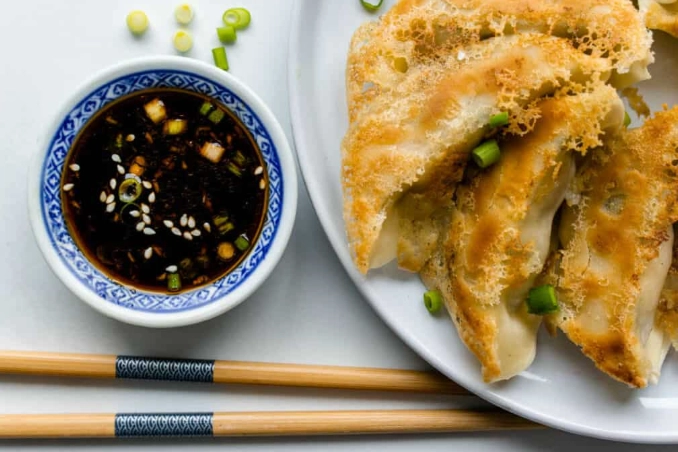
Crafting Your Masterpiece: The Basic Ratio and How to Tweak It
Okay, so you have your three ingredients. Now what? The most common, foolproof starting ratio is:
- 3 parts Soy Sauce
- 2 parts Rice Vinegar
- 1 part Water or Mirin (for a touch of sweetness)
- A few drops of Chili Oil or Sesame Oil to finish
That's it. That's your canvas. But this is where the fun begins. This ratio makes a balanced, tangy, savory sauce. But maybe you like it sharper? Use a 2:2:1 ratio (soy:vinegar:water). Prefer it richer and less acidic? Try 4:1:2. The water is crucial—it dilutes the saltiness just enough so you can keep dipping without your mouth puckering. Mirin, a sweet rice wine, adds a gentle, rounded sweetness that complements the vinegar. If you use mirin, you can often skip added sugar.
Here’s a quick reference table for different flavor profiles based on simple ratio adjustments. This is the kind of thing I wish I had when I started.
| Flavor Profile You're After | Soy Sauce | Rice Vinegar | Diluent (Water/Mirin) | Best For... |
|---|---|---|---|---|
| Classic & Balanced | 3 parts | 2 parts | 1 part water | All-purpose, beginner-friendly. |
| Bright & Tangy | 2 parts | 3 parts | 1 part water | Cutting through very rich, pork-heavy gyoza. |
| Rich & Savory | 4 parts | 1 part | 2 parts mirin | Vegetable or shrimp gyoza that need a flavor boost. |
| Sweet & Mellow | 2 parts | 1 part | 2 parts mirin | Chicken or delicate dumplings; also popular with kids. |
See? It's not rocket science. It's just playing with proportions until it sings on your tongue. The best gyoza dipping sauce is the one you like best.
Leveling Up: The Add-Ins and Game Changers
Once you're comfortable with the base, the world is your oyster sauce. These additions are what make your sauce uniquely yours.
The Aromatics
- Fresh Garlic & Ginger: Finely minced or grated. This is non-negotiable for me now. It adds a pungent, fresh kick that powdered versions can't touch. Let it steep in the sauce for at least 10 minutes before serving.
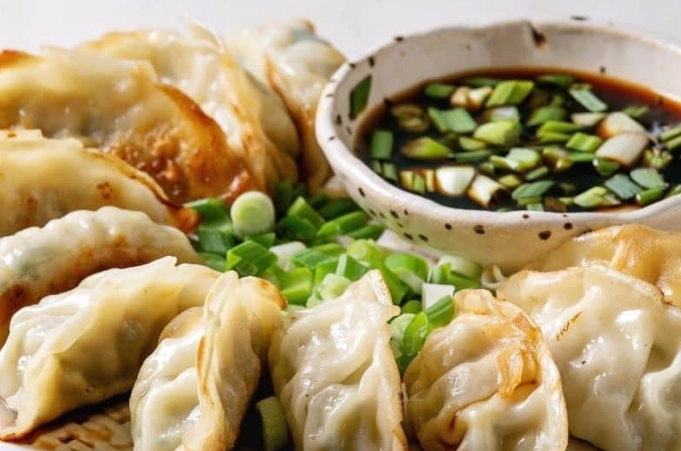
- Green Onion/Scallion: Thinly sliced, both the white and green parts. Adds color and a fresh, oniony bite.
- Fresh Chili: Thin slices of bird's eye chili or a sprinkle of togarashi (Japanese chili pepper) for heat that's fresher than chili oil.
The Flavor Boosters
- A Dash of Sesame Seeds: Toasted, obviously. They add a tiny crunch and a nutty aroma.
- A Tiny Bit of Sugar: Just a pinch. It doesn't make the sauce sweet; it rounds out the sharp edges of the vinegar and soy, creating a more harmonious flavor. White sugar, brown sugar, or even a dab of honey work.
- A Splash of Citrus: A few drops of fresh yuzu juice, lemon, or lime right at the end can be revelatory. It adds a high, bright note that's different from vinegar's acidity.
- Other Oils: Infused sesame oils (like garlic or chili-infused), or a few drops of fragrant perilla oil.
You can mix and match these to create your signature blend. My current go-to is the classic 3:2:1 ratio with a hefty grate of ginger, a small grated garlic clove, a sprinkle of scallions, and a few drops of a very spicy rayu I get from a local Asian market. It's perfect for my taste.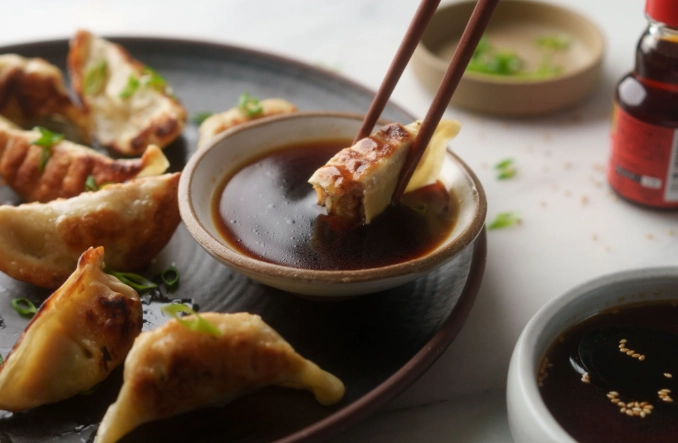
Beyond the Basic: Regional and Modern Twists on Gyoza Sauce
The classic sauce is just the beginning. Across Japan and beyond, you'll find fascinating variations. Exploring these can solve specific pairing problems or just satisfy your curiosity.
1. The Hokkaido Style (Rich and Sweet)
In the northern island of Hokkaido, known for its rich produce and dairy, the gyoza dipping sauce often leans sweeter and thicker. They might use more mirin or even a touch of sugar, and sometimes a dab of miso paste is whisked in for depth and body. This style stands up beautifully to gyoza filled with hearty ingredients like lamb or potato.
2. The Kyoto Style (Elegant and Subtle)
Kyoto cuisine is known for its refinement. Here, you might find a lighter touch. The soy sauce might be a lighter usukuchi, the vinegar more prominent, and the addition of finely shredded daikon radish or a hint of yuzu zest for a clean, refreshing finish. It's designed not to overpower delicate fillings.
3. The Modern Fusion Kick
This is where you can have fun. I've seen (and tried) everything. A splash of fish sauce for an intense umami bomb. A teaspoon of smooth peanut butter whisked in for a satay-like vibe (surprisingly good with chicken gyoza). A dash of Worcestershire sauce for complexity. A little gochujang (Korean chili paste) for sweet, fermented heat. The rule here is simple: start with a tiny amount, taste, and see if it works for you.
One of my favorite failed experiments involved adding a bit of coconut aminos for sweetness. It wasn't bad, but it lost that essential soy sauce character. It just tasted confused. Not every experiment is a winner, and that's okay.
Pairing 101: Matching Your Sauce to Your Gyoza
You wouldn't drink a heavy red wine with a delicate fish, right? The same logic applies here. Your gyoza dipping sauce should complement the filling.
- For Classic Pork & Cabbage Gyoza: This is the standard. A balanced, all-purpose sauce with garlic, ginger, and chili oil works perfectly. The richness of the pork needs the vinegar's cut and the aromatics' lift.
- For Chicken or Shrimp Gyoza: These are more delicate. Consider a slightly sweeter, milder sauce. Go easy on the strong aromatics like raw garlic. A touch of citrus (yuzu or lemon) can be magical here.
- For Vegetarian Gyoza (e.g., mushroom, leek): Vegetable fillings can sometimes be milder. You can afford a more robust, savory sauce. Try adding a few drops of truffle oil or using a mushroom-infused soy sauce for an extra umami punch.
- For Super Spicy Gyoza: If your dumpling filling is already packed with heat, you might want a cooling, slightly sweet sauce to balance it. Dial back the chili oil and maybe add a pinch more sugar or mirin.
Think of it as a conversation between the dumpling and the dip. They should be talking to each other, not shouting over one another.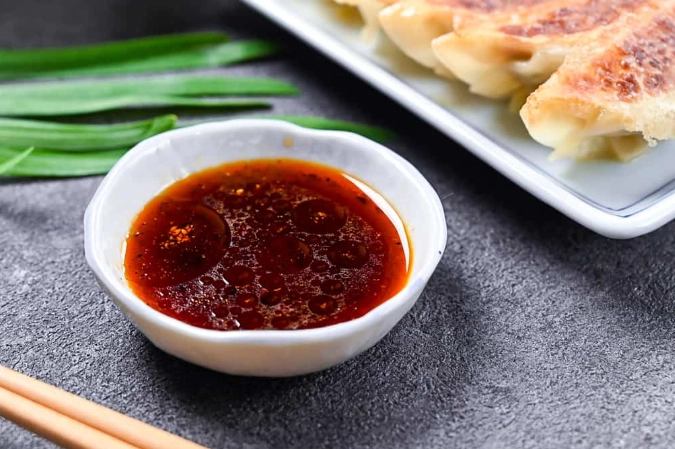
The Practical Stuff: Making, Storing, and Serving
Let's get down to brass tacks. How do you actually make this thing, and how long will it last?
Making It: It couldn't be easier. Just combine your liquid ingredients in a small bowl or jar. Add your aromatics (garlic, ginger, scallion). Whisk or shake. Finally, drizzle your chosen oil on top. Do not add the oil and then whisk it in completely—you want that layer on top for the aroma. Let it sit for at least 10-15 minutes before serving to let the flavors meld. The garlic and ginger will mellow slightly.
Storing It: A homemade gyoza dipping sauce with fresh ingredients is best used the same day, especially if it contains fresh garlic or scallions. However, you can store it in an airtight container in the refrigerator for 2-3 days. The flavors will deepen, but the fresh aromatics will lose their brightness. A sauce made with just soy, vinegar, and oil (no fresh bits) can last in the fridge for over a week.
Serving It: Use small, shallow dishes. This encourages dipping rather than drowning. Provide a small spoon for the chili oil if you're serving it on the side. And please, never pour the sauce directly over the gyoza on a shared plate—it makes them soggy for everyone else. Dip, don't drench.
Answering Your Burning Questions (The FAQ)
Wrapping It Up: Your Sauce, Your Rules
At the end of the day, the journey to your perfect gyoza dipping sauce is a personal one. It's about understanding the basic principles—the balance of salty, sour, sweet, and umami—and then having the confidence to bend them to your will.
Start with the classic 3:2:1. Taste it. Too sharp? Add a splash of water or a pinch of sugar. Too flat? Grate in some ginger. Missing something? A few drops of that magical chili oil. The best part is there's no waste—if an experiment doesn't work, you've only used a couple of tablespoons of ingredients.
So the next time you make gyoza, whether they're homemade masterpieces or a reliable frozen brand, give your sauce the attention it deserves. Mix up something fresh. Play with the ratios. Your taste buds will thank you. After all, a great gyoza experience isn't just about the dumpling in your hand; it's about the delicious pool of flavor you dip it into.
Now, if you'll excuse me, all this talk has made me hungry. I think it's time to whip up a quick batch of my favorite sauce—heavy on the garlic, light on the vinegar, with a dangerously spicy chili oil float—and defrost some dumplings. The quest for the perfect dip never really ends, and that's the best part.
Reader Comments