Your Chasu Journey
- Before You Even Touch the Stove: Choosing Your Pork
- The Core Technique: To Roll or Not to Roll?
- The Heart of the Matter: The Braising Liquid (The Tare)
- The Step-by-Step, No-Fail Pork Chasu Method
- Slicing and Serving: The Final Act
- Beyond the Bowl: What Else Can You Do With Pork Chasu?
- Storing and Freezing: Make a Big Batch!
- The Science Bit (In Plain English)
- Frequently Asked Questions (The Stuff You Actually Search For)
Let's be honest. The first time you had a proper bowl of ramen and that slice of glorious, glistening pork chasu melted in your mouth, you probably had a moment. I know I did. It was a revelation. That tender, savory, slightly sweet slice of pork belly felt like the soul of the bowl. And then, like many of us, I tried to make it at home. My first attempt? Let's just say it was more shoe leather than silk. Rubbery, bland, and a total disappointment.
That failure sparked a years-long obsession. I've talked to chefs, scoured Japanese cooking resources (like the fantastic culinary overviews from the Japanese Ministry of Agriculture, Forestry and Fisheries), and ruined more pork belly than I care to admit. But from all that, I've pieced together what I think is the definitive guide to pork chasu. This isn't just a recipe. It's the whole story—the why, the how, the mistakes to avoid, and the secrets to make your homemade version rival the best ramen shops.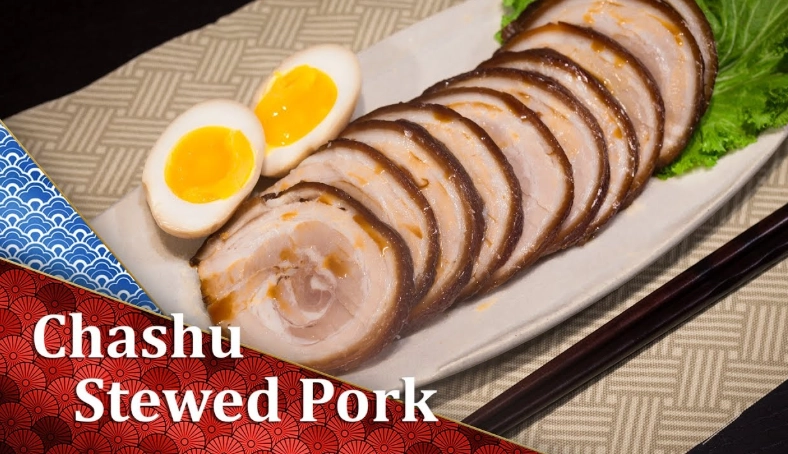
What exactly is Pork Chasu? Let's clear the air first. "Chashu" (叉焼) in Japanese is actually derived from Chinese "char siu," which is the red, barbecued pork. But in Japan, it transformed. Japanese pork chasu is typically made from pork belly or sometimes pork shoulder, rolled, tied, and slow-braised or simmered in a savory-sweet soy-based broth (tare) until unbelievably tender. It's a cooking method called "nimono" (simmered dish). The result is completely different from its Cantonese cousin—more subtle, rich with umami, and focused on texture.
Before You Even Touch the Stove: Choosing Your Pork
This is where most home cooks, including past-me, go wrong. You just grab any pack of pork belly from the store. Big mistake. The quality and cut are everything for pork chasu.
You want pork belly with good layering—distinct, even stripes of fat and meat. That fat is your friend; it renders during the long cook and bastes the meat from the inside, creating that signature tenderness. Too lean, and it dries out. Too fatty, and it can be greasy. Look for a slab that's about 1.5 to 2 inches thick. I've had the best results with heritage breed pork (like Berkshire/Kurobuta) when I can find it—the flavor is deeper, more porky. But a good quality, fresh standard pork belly works wonders too.
Should you use skin-on or skin-off? For traditional pork chasu, you remove the skin. It gets too rubbery during braising. Save it for making cracklings another day.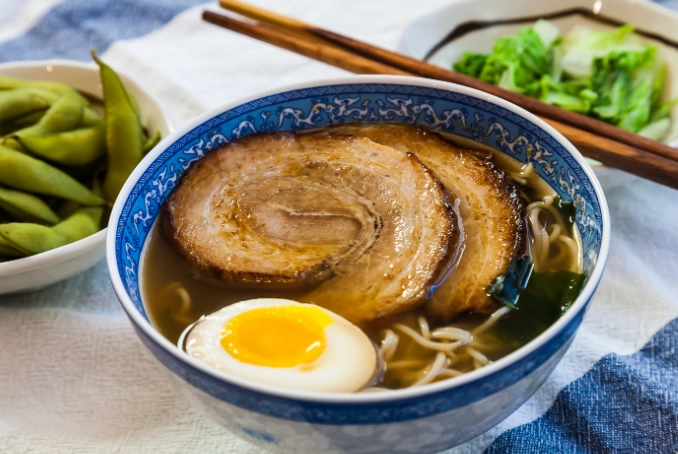
Pro Tip from a Hard Lesson: Avoid pre-sliced or vacuum-sealed "stew" pork belly pieces. They're often uneven and too thin. Go to a butcher counter and ask for a whole, rectangular slab. It gives you control over the size and roll.
Pork Belly vs. Pork Shoulder (Buta Bara vs. Kata)
Most recipes call for belly (buta bara). It's the classic, rich choice. But shoulder (kata) is a fantastic, often cheaper alternative. It's leaner but has more connective tissue, which also breaks down into gorgeous tenderness. The texture is different—more shreddy than sliceable, but the flavor soaks up the braising liquid beautifully. Which is better? It's not better, just different.
| Cut of Pork | Best For | Texture Result | Fat Content | My Personal Preference |
|---|---|---|---|---|
| Pork Belly | Classic, rich chasu; perfect slicing | Melt-in-mouth, buttery, distinct layers | High | My go-to for a "wow" factor. The fat is irresistible. |
| Pork Shoulder | Leaner option, budget-friendly, shredding | Fall-apart tender, slightly fibrous, juicy | Medium | When I want deeper pork flavor without as much richness. Great for rice bowls. |
See? It's about what you're in the mood for. I usually have both in my freezer now.
The Core Technique: To Roll or Not to Roll?
Look at pictures of pork chasu. It's often a neat, cylindrical roll. Rolling helps the pork cook evenly, makes it easier to slice into perfect rounds, and looks professional. But is it mandatory? No. Especially not for your first try. Rolling and tying with kitchen twine is a skill. My early attempts looked like I was trying to hog-tie a football. If you're intimidated, just cut your slab into 2-3 inch wide strips. They'll braise just fine, though the slices will be rectangular, not round.
If you do roll, place the belly skin-side down (if skin is on, remove it first!), roll it up tightly from the short end, and tie it at 1-inch intervals. Don't strangle it—snug but not tight. The meat will expand.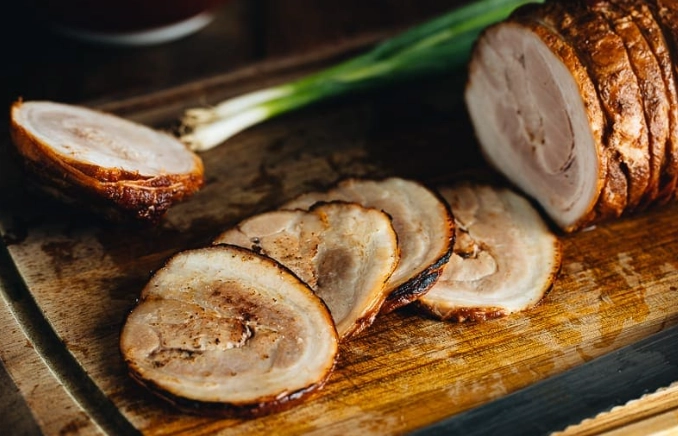
The Heart of the Matter: The Braising Liquid (The Tare)
This is where the magic happens. The braising liquid, or tare, is what transforms plain pork into pork chasu. It's a balance of salty, sweet, umami, and aroma. Every shop has its secret ratio, but the core components are universal.
- Soy Sauce: The salty, umami backbone. Use a good quality Japanese soy sauce like koikuchi. Not light soy, not dark soy for this.
- Mirin: Sweet rice wine. It adds a gentle sweetness and gloss. If you must substitute, a tiny bit of sugar mixed with dry sherry or white wine kind of works, but it's not the same.
- Sake: Japanese rice wine for cooking. It tenderizes and adds depth.
- Sugar: Usually white sugar or sometimes brown sugar. Mirin isn't sweet enough on its own.
- Aromatics: This is the fun part. Garlic (whole crushed cloves), ginger (thick slices), green onions (the white parts, save the greens for garnish), and sometimes a piece of kombu (dried kelp) for an extra umami kick.
Here's my base ratio, which I've tweaked to death: For a 2-3 lb slab of pork belly, I use 1 cup soy sauce, 1 cup sake, 1 cup mirin, 1/2 cup sugar (I prefer a mix of white and a tablespoon of brown), 2 cups water (to dilute, otherwise it's too salty), and a big handful of aromatics. You want enough liquid to come about 2/3 up the side of the pork in your pot.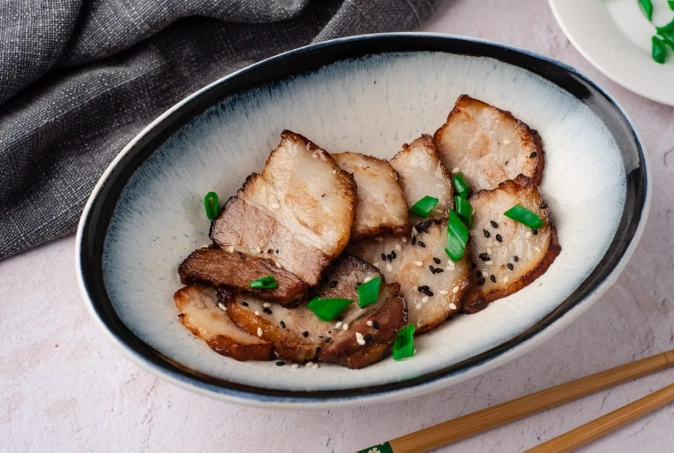
The Step-by-Step, No-Fail Pork Chasu Method
Okay, let's cook. This is the low-and-slow path to glory.
Step 1: The Blanch (The Secret Weapon)
This is non-negotiable and the step most amateur recipes skip, to their peril. Before the pork goes into the tasty braise, you need to blanch it in plain boiling water for 5-10 minutes. Why? It tightens the exterior, firms up the meat for a nicer final texture, and most importantly, it removes scum and impurities that would cloud your beautiful braising liquid and give it a faint, off-putting odor. Trust me on this. After blanching, rinse the pork under cold water and pat it super dry.
Step 2: The Sear (Optional but Recommended)
Some people skip this. I don't. In a heavy-bottomed pot (Dutch oven is perfect), heat a tiny bit of neutral oil. Sear the rolled or strip pork on all sides until you get a nice, golden-brown crust. This isn't to cook it through, just to develop flavor via the Maillard reaction. It adds a subtle roasted depth to the final pork chasu.
Step 3: The Long Simmer
Add all your braising liquid ingredients to the pot with the pork. The liquid should come 2/3 up the side. Bring it to a bare simmer—just a few lazy bubbles breaking the surface. Cover with a lid, but leave it slightly ajar. This is crucial. A full boil will make the pork tough and shrink it dramatically. A bare simmer lets the connective tissue break down gently.
Now, walk away. Seriously. For at least 2 hours, preferably 3-4 for a large roll. Turn the pork every 30-45 minutes for even color. The pork is done when a skewer or thin knife pierces it with almost no resistance.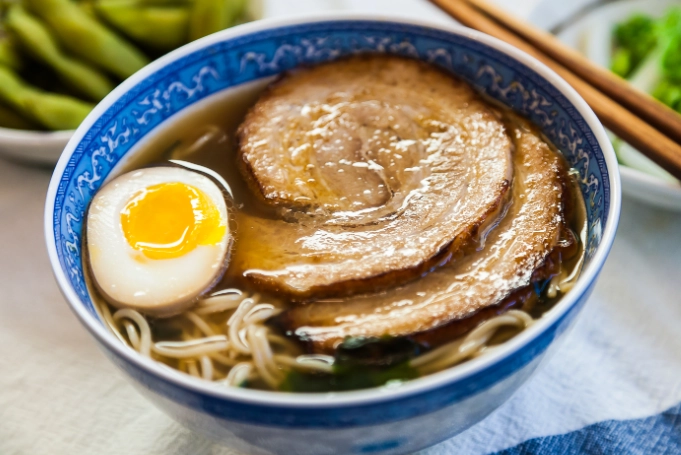
Common Disaster Point: Don't let it boil! I ruined a whole batch by turning the heat too high to "speed it up." The pork seized up, the fat didn't render properly, and I was left with a tough, shriveled log. Patience is the only ingredient you can't substitute.
Step 4: The Rest and The Reduction
Once tender, turn off the heat. Let the pork chasu cool in the liquid until it's safe to handle. This resting period allows the meat to reabsorb some moisture and become even more tender. Then, remove the pork. You can wrap it tightly in plastic wrap and refrigerate it overnight—this makes slicing infinitely easier.
Now, strain the braising liquid. Bring it to a boil and reduce it by half or even more until it becomes a slightly syrupy, glossy glaze. This reduced tare is liquid gold. Use it to brush on the pork when you reheat it, drizzle over rice, or even as a base for ramen soup (diluted!).
Slicing and Serving: The Final Act
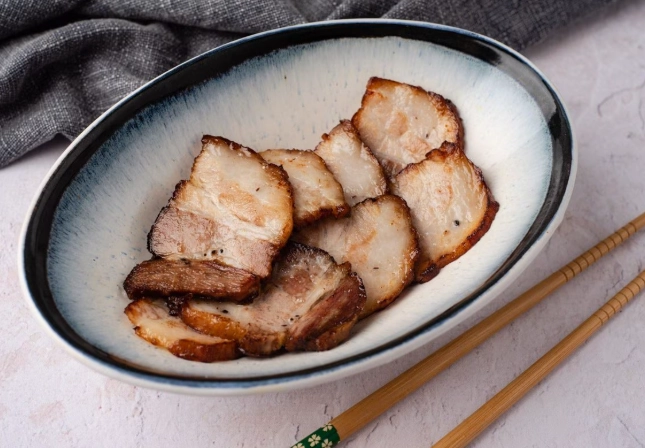
If you chilled the pork chasu, slice it cold. Use a very sharp knife. For belly rolls, aim for 1/4 to 1/2 inch thick slices. For shoulder or strips, slice against the grain.
To serve, you have options. For ramen, just place a slice or two on top of the hot broth—it will warm through perfectly. For a more restaurant-style presentation, sear the slices briefly in a very hot non-stick pan or under a broiler until the edges caramelize and crisp up. Brush with a little of the reduced tare during this process. The contrast of the crispy edge and tender interior is phenomenal.
That's the core of it. But we're just getting started.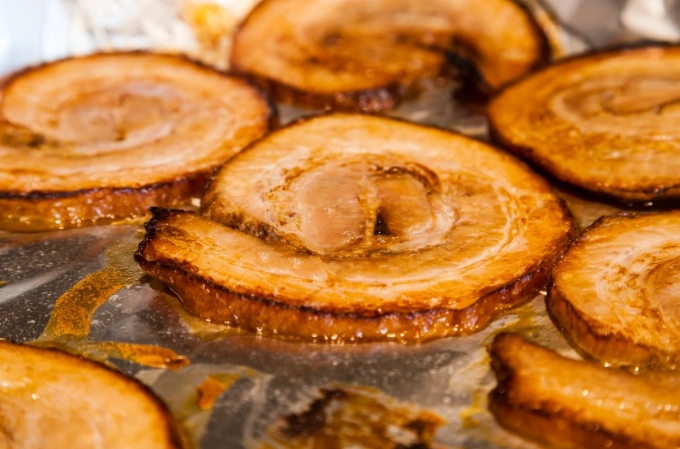
Beyond the Bowl: What Else Can You Do With Pork Chasu?
If you think pork chasu is only for ramen, you're missing out on a world of deliciousness. This stuff is incredibly versatile.
- Chashu Don (Rice Bowl): My favorite quick meal. Slice or shred warm pork chasu over a bowl of hot rice. Drizzle with the reduced tare, add a soft-boiled egg (ajitsuke tamago, if you're fancy), some pickled ginger, and green onions. Heaven in a bowl.
- Sandwiches and Buns: Shredded pork chasu makes an incredible filling for steamed buns (bao) or even a crusty baguette with quick-pickled veggies.
- Fried Rice: Chop it up and use it instead of ham or other meat in fried rice. The flavor it adds is insane.
- Breakfast: A thick slice, pan-seared until crispy, with eggs and rice? Yes, please.
Storing and Freezing: Make a Big Batch!
Pork chasu freezes beautifully. Wrap the whole roll or slices tightly in plastic wrap, then in foil or a freezer bag. It'll keep for 2-3 months. Thaw overnight in the fridge. The braising liquid can be frozen separately and reused. In fact, some chefs swear by "master sauce" that gets reused and topped up, gaining depth over time (though for food safety at home, I don't keep it more than a week in the fridge).
The Science Bit (In Plain English)
Why does this method work so well? It's all about collagen. The tough connective tissue in pork belly and shoulder is mostly collagen. When heated slowly in a moist environment (braising), that collagen dissolves into gelatin. Gelatin is what gives well-cooked meat that juicy, tender, mouth-coating feel. The low heat prevents the muscle fibers from seizing up and squeezing out all their moisture. The sugar in the braise also promotes caramelization and helps with that beautiful glaze. Simple, right?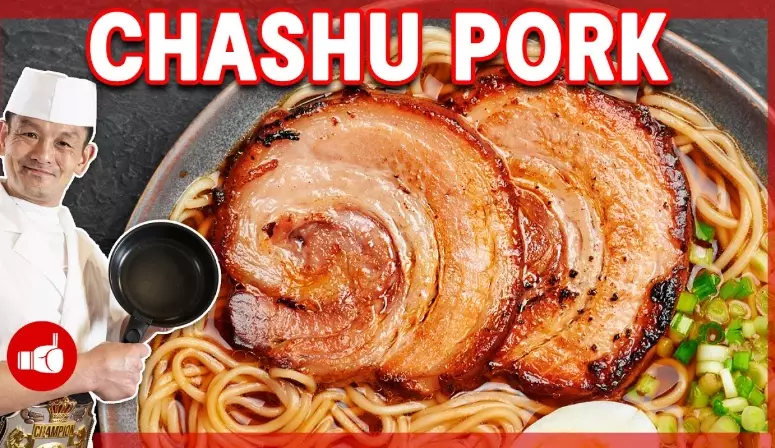
Frequently Asked Questions (The Stuff You Actually Search For)
One Last Personal Nugget: Don't get paralyzed by authenticity. The best pork chasu is the one you enjoy making and eating. Once you've mastered the basic technique, play with it. Add a star anise pod to the braise. Use honey instead of some sugar. Throw in a dried chili. Make it yours. That's the real secret.
So there you have it. From selecting the right pork to avoiding the common pitfalls and using every last bit of the glorious results, this is everything I wish I knew when I started. Making exceptional pork chasu at home isn't about fancy skills; it's about understanding a few simple principles and having a little patience. Now go forth, braise with confidence, and top your ramen like a pro. Your taste buds will thank you.
Reader Comments