You've seen it on sushi menus, maybe you've ordered it as "yellowtail." But buri fish is a story in itself, a cornerstone of Japanese food culture that changes with the seasons and offers a depth of flavor most seafood can't match. I remember my first real encounter with it wasn't at a fancy restaurant, but at a tiny izakaya in Tokyo's Tsukiji outer market. The chef simply grilled a piece of winter buri over charcoal, the skin crackling, the fat rendering. One bite – rich, umami-packed, almost beefy – and I was hooked. It was nothing like the mild "hamachi" I thought I knew. This guide is for anyone who wants to move beyond just ordering it and truly understand, cook, and appreciate buri.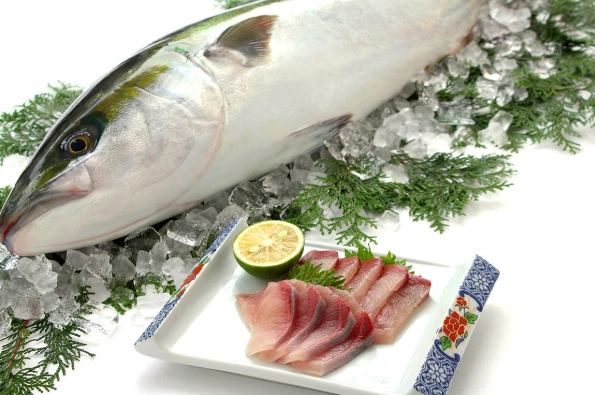
What You'll Learn Inside
What Exactly Is Buri Fish? It's Not Just a Name
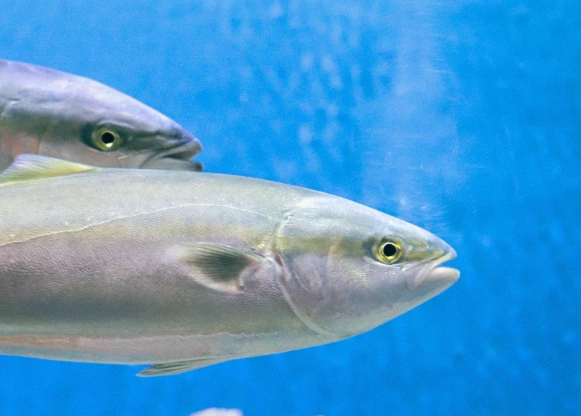
Let's clear up the confusion first. Buri is the Japanese name for the adult Japanese amberjack or yellowtail (Seriola quinqueradiata). It's a fast-growing, migratory fish found in the Northwest Pacific. What makes it fascinating in Japan is the tradition of shusse-uo (出世魚) – "promoting fish." The same fish gets different names as it grows, marking its status.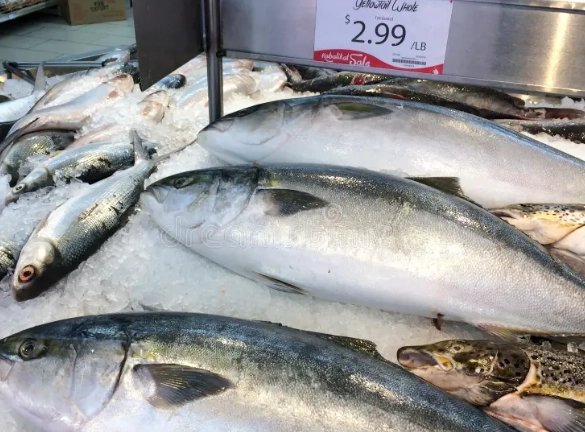
In the Kanto region (Tokyo area), it goes like this:
- Wakashi → Inada → Warasa → Buri (adult, over ~80cm)
In Kansai (Osaka/Kyoto), the names differ: Tsubasu → Hamachi → Mejiro → Buri.
Here's the kicker, and where most menus trip up: "Hamachi" is now widely used, especially outside Japan, to refer to farmed young yellowtail, prized for its consistent, mild, and soft texture. "Buri" typically refers to the larger, wild-caught adult. The most prized of all is "Kan-buri" (寒ブリ), the winter buri. As the water cools, the fish builds up incredible fat reserves for energy, resulting in a rich, buttery, intensely flavorful flesh that commands top prices. It's a seasonal delicacy.
So when you see "buri" on a menu, especially in winter, you're likely looking at the premium, wild-caught adult. "Hamachi" is often the younger, farmed version available year-round.
From Market to Plate: How to Use Buri in Your Kitchen
Buri's high fat content makes it incredibly versatile. It stands up to strong cooking methods but is delicate enough for raw preparation. The key is not to fight its natural flavor.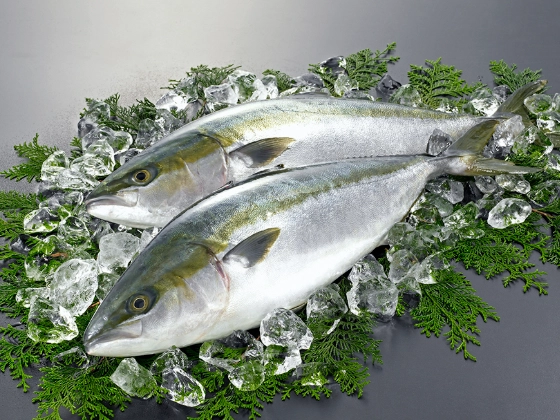
Top Culinary Uses for Buri Fish
Buri Sashimi & Sushi (Buri Sashimi / Nigiri): This is where winter buri shines. Sliced thinly, the fat glistens. It's often served with a bit of grated ginger or myoga to cut the richness. A little soy sauce is all you need.
Buri Teriyaki (照り焼き): A classic. The sweet-savory glaze complements the oily fish perfectly. The common mistake here? Using a store-bought teriyaki sauce that's too thick and sweet, which overpowers the fish. Make a simple glaze with soy, mirin, and sake, and reduce it yourself until it just coats the back of a spoon.
Shioyaki (塩焼き) – Salt-Grilling: My personal favorite method. A whole buri collar (カマ, kama) or a fillet with skin, generously salted and grilled over charcoal or under a broiler. The skin gets crispy, the fat bastes the flesh. Serve with a wedge of sudachi or lemon. It's deceptively simple but requires good quality fish.
Buri Daikon (ブリ大根): A legendary winter stew. Thick chunks of buri are simmered with large pieces of daikon radish in a broth of soy sauce, mirin, sake, and sugar. The daikon soaks up the fish's umami and fat, becoming incredibly savory and tender. It's comfort food at its finest.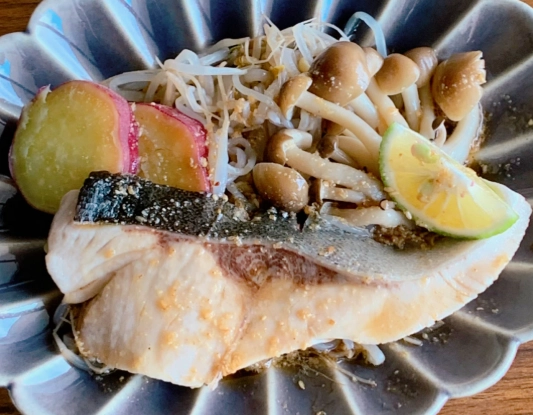
Buri Kama (ブリカマ) – The Collar: This is the section right behind the head and gills. It's considered a delicacy for its perfect balance of fatty meat, connective tissue, and gelatinous bits. Grilled or steamed, it's incredibly flavorful and fun to eat, picking the meat from the bones.
Where to Taste Exceptional Buri in Tokyo
If you're planning a trip, or just want to know what to look for, here are a couple of spots that do buri right. These aren't just random listings; they're places I've been to or are consistently recommended by local food experts.
| Restaurant / Shop | Specialty | Notes & Address (Area) | Price Point |
|---|---|---|---|
| Tsukiji Sushiko | Seasonal Kan-buri Nigiri | Located in the outer market. They source directly from Toyama when in season. Look for the small counter. (Tsukiji) | $$$ (Premium for winter buri) |
| Isegen | Buri Daikon & Grilled Kama | A historic restaurant specializing in buri dishes since the Meiji era. The buri daikon is their signature. (Ginza) | $$$ |
| Uogashi Nihon-Ichi (Standing Sushi Bar) | Affordable, high-quality Hamachi/Buri | A chain with many locations. Great for a quick, reliable taste. Their "Buri Aburi" (seared buri) is excellent. (Multiple) | $ |
| Namiyoke Inari Shrine Market | Fresh Buri Fillets & Collars | Next to Tsukiji. Buy fresh fish to cook yourself. Vendors will often tell you if it's wild-caught or farmed. (Tsukiji) | Varies |
You don't need to go to a Michelin-starred place. Some of the best buri I've had was from a department store basement food hall (depachika) during their winter seafood fair.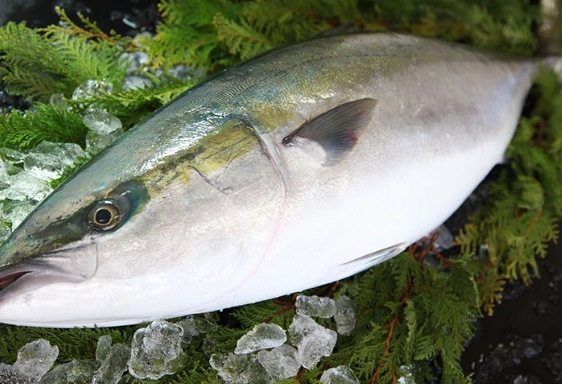
Is Buri Fish Good for You? The Health Facts
All that delicious fat is actually good for you. Buri is packed with nutrients.
The standout is its Omega-3 fatty acid content, particularly DHA and EPA. These are crucial for brain health, reducing inflammation, and supporting cardiovascular function. A 100-gram serving of buri can provide a significant portion of your daily recommended intake.
It's also an excellent source of high-quality protein and Vitamin D, which is often hard to get from food alone. You'll also get decent amounts of B vitamins (especially B12), selenium, and phosphorus.
But a word of caution: Because it's a larger, predatory fish, buri can accumulate higher levels of mercury compared to smaller fish like sardines. The Japanese Ministry of Health, Labour and Welfare provides guidelines on fish consumption. For most adults, enjoying buri a few times a month is perfectly safe and beneficial. Pregnant women and young children should follow more specific dietary advice, often limiting consumption of larger fish. It's about balance – the health benefits of the omega-3s generally outweigh the risks for the general population when consumed in moderation.
Buying Buri: A Guide to Freshness and Sustainability
This is where your choices matter. Overfishing is a concern for many wild fish stocks.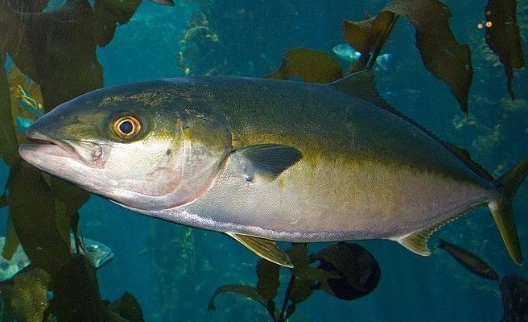
How to Pick a Fresh Buri Fillet or Whole Fish
- Eyes: Clear, bright, and bulging. Cloudy or sunken eyes mean it's old.
- Gills: Bright red or pink. Brown or gray gills are a major red flag.
- Smell: Fresh, like the ocean or cucumbers. Any strong, ammonia-like, or "fishy" smell means it's past its prime.
- Flesh: Firm, springy, and glossy. It should not leave an indentation when you gently press it. The fat lines should be white and clear, not yellowish or gray.
Making a Sustainable Choice
Wild buri populations face pressure. Here’s how to choose better:
1. Consider Farmed Options (Hamachi): Modern aquaculture in Japan, like in Kagoshima or Ehime prefectures, has made strides in sustainability. Look for information on farming practices. Closed-system farming can reduce environmental impact. The Monterey Bay Aquarium's Seafood Watch program is a great resource, though their ratings for Japanese yellowtail can vary by method.
2. Ask Questions: At a good fish market, ask: "Is this wild or farmed?" "Where is it from?" "How was it caught?" Line-caught (troll or pole-and-line) has less bycatch than certain net methods.
3. Embrace Seasonality: Buying Kan-buri in winter supports the traditional, seasonal fishery, which is often more regulated and mindful than year-round demand.
I've started asking these questions, and while some fishmongers are surprised, the good ones appreciate it. It pushes the market toward transparency.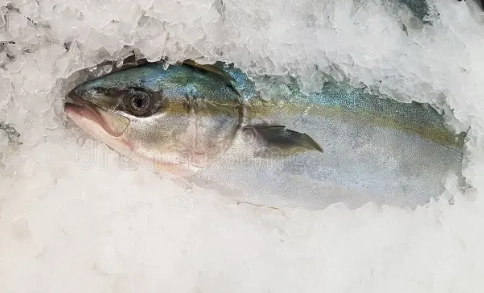
Your Buri Questions, Answered
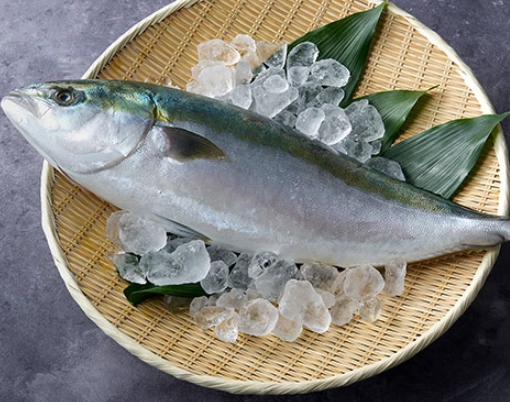
Buri is more than an ingredient; it's a lesson in seasonality, craftsmanship, and taste. Whether you seek out the prized winter catch or enjoy the reliable farmed hamachi, understanding its story makes every bite better.
Now go find some, and cook it simply.
Reader Comments