Let's get straight to the point. The soul of a great bowl of soba noodles isn't in the broth or the toppings first—it's in the flour. Using the right buckwheat flour for soba noodles is the single most important decision you'll make. Get it wrong, and you'll have a crumbly, frustrating mess that never comes together. Get it right, and you unlock the signature nutty flavor, delicate aroma, and that perfect, slightly firm bite known as "shikomi." This isn't about following a generic recipe; it's about understanding the material itself. I've seen too many enthusiastic home cooks give up because they used the wrong bag from the health food aisle. This guide will make sure that doesn't happen to you.
What You'll Find Inside
How to Choose the Right Buckwheat Flour
Walk into a store or browse online, and you'll see labels like "buckwheat flour," "buckwheat groats flour," "dark buckwheat flour," and maybe even "soba-ko." They are not the same. Your goal is to find flour that will create a cohesive dough with wheat flour, while delivering maximum flavor.
Type and Processing Matters
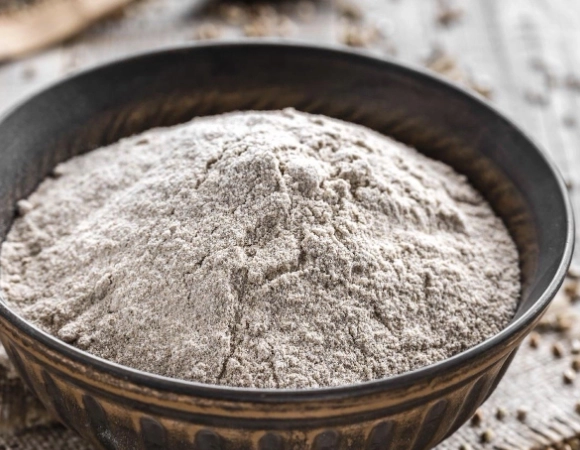
First, ignore flour labeled just for pancakes or gluten-free baking. Those are often finer and processed differently. You want flour milled specifically for noodles. The gold standard is stone-milled flour from roasted buckwheat groats. The light roasting enhances the nutty flavor. Stone milling preserves more of the natural oils and creates a slightly coarser texture that helps the dough bind.
Here’s a quick breakdown of what you might encounter:
| Flour Type | Best For | Flavor & Texture Note |
|---|---|---|
| Light/White Buckwheat Flour | Beginners, higher-ratio soba (e.g., 80/20) | Milled from hulled groats. Milder flavor, lighter color, slightly easier to work with. |
| Dark/Whole Buckwheat Flour | Authentic, high-buckwheat soba (Juwari) | Includes the hull. Intense, robust flavor, darker color. Dough is more fragile. |
| "Soba-ko" (そば粉) | Traditional Japanese soba making | Often a specific grind for noodles. Can vary from light to dark. Look for origin info (e.g., Hokkaido). |
The Freshness Factor No One Talks About
Buckwheat flour has a relatively short shelf life because of its oil content. Rancid flour will ruin your soba, giving it a bitter, off-putting taste. Always check the milling date. Ideally, use it within 2-3 months of milling. Store it in an airtight container in the freezer. This is a non-negotiable step most blogs skip. I once used flour that was just six months old but stored in a pantry, and the noodles had a stale aftertaste I couldn't pinpoint until I compared it with a fresh batch.
The Critical Flour Mixing Ratio
Pure 100% buckwheat (Juwari soba) is the pinnacle, but it's incredibly difficult to handle—it's the domain of master soba chefs. For the rest of us, we use a binder, almost always wheat flour (中力粉, churikihiki). The ratio defines everything.
The most common and forgiving ratio for home cooks is 80% buckwheat flour to 20% wheat flour. This gives you excellent flavor while providing enough gluten to hold the dough together. Don't be tempted to increase the buckwheat ratio too quickly. A 90/10 ratio is a huge jump in difficulty. The dough becomes brittle and tears easily during rolling.
Let's talk about the wheat flour. You don't want high-protein bread flour. That creates too much chew, fighting against soba's delicate nature. You also don't want cake flour. Look for all-purpose flour or, if you can find it, Japanese-style "medium strength" flour. The protein content should be around 9-11%.
Mixing and Kneading Techniques That Actually Work
This is where theory meets the countertop. The goal is to hydrate the flour evenly without developing too much gluten from that small amount of wheat flour.
Water Temperature and Pouring
Use cold water. Some traditionalists use ice water. This slows gluten formation. Pour the water in gradually, using your fingers to flick and mix it into the flour mound. You're aiming for a crumbly texture that looks like wet sand, with no dry patches. The amount of water varies with flour humidity, but start with about 45-50% of the total flour weight.
The Kneading Philosophy
Forget about kneading bread. Soba kneading is about consolidation, not development. You press and fold. Gather the crumbs into a ball, then use the heel of your palm to press it away from you, fold it back, turn, and repeat. You're not stretching. You're just making it homogenous. Do this for 3-4 minutes until the dough just comes together and feels slightly elastic. Over-kneading makes it tough.
Resting, Rolling, and Cutting
Wrap the dough ball tightly in plastic and let it rest at room temperature for 30 minutes. This allows hydration to equalize. When rolling, use potato starch or cornstarch for dusting, not more wheat flour. Roll it out evenly and thinly—about 1.5mm. The first time I did this, I was scared of it sticking and didn't roll it thin enough. I ended up with thick, doughy noodles. Be bold, dust well, and go for that translucent thinness.
Fold the sheet neatly and cut with a sharp, heavy knife. Clean, confident cuts. Shake out the strands and dust off excess starch. You can cook them immediately, or let them dry a bit for a different texture.
The whole process is meditative. It's not fast. But when you taste those freshly cut noodles, boiled for just a minute, dipped in a simple tsuyu... you'll understand why the flour choice was everything.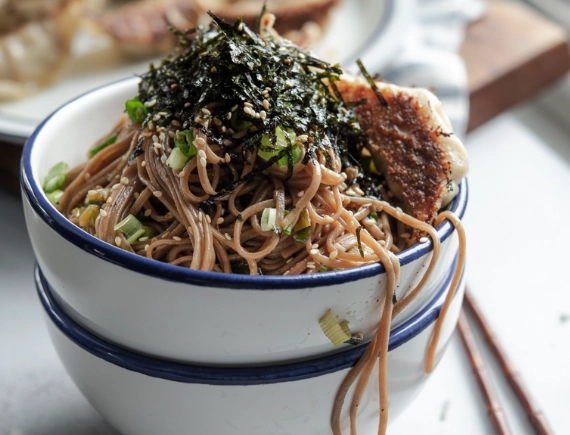
Answers to Your Trickiest Soba Flour Questions
Reader Comments