Japanese sesame dressing is that magic bottle in your fridge—creamy, nutty, and versatile enough to transform bland veggies into a feast. But here’s the thing: most store-bought versions are loaded with sugar and preservatives, and homemade attempts often end up too thin or bitter. After tweaking recipes for a decade, I’ve nailed down a foolproof method that rivals any restaurant’s. Let’s dive in.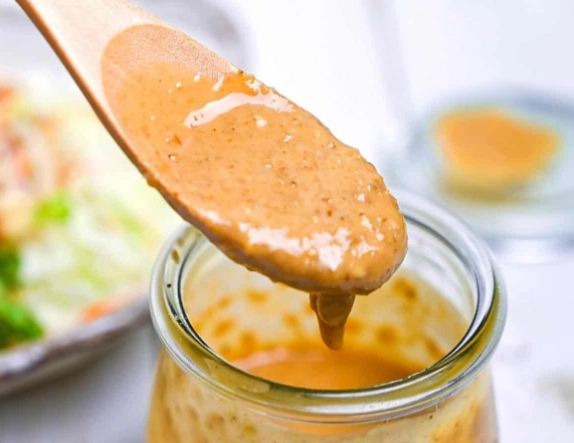
Quick Navigation: What’s Inside This Guide
What Is Japanese Sesame Dressing Really?
At its core, Japanese sesame dressing—often called goma dare—is a blend of toasted sesame seeds, soy sauce, vinegar, and oil. It’s not just for salads; in Japan, it’s a staple for dipping, marinating, and even drizzling over noodles. The flavor profile balances umami from soy sauce with nuttiness from sesame, rounded out with a touch of sweetness. Most people think it’s all about the sesame paste, but the real secret is in the toasting technique. Get it wrong, and you’ll end up with a bitter aftertaste that ruins the dish.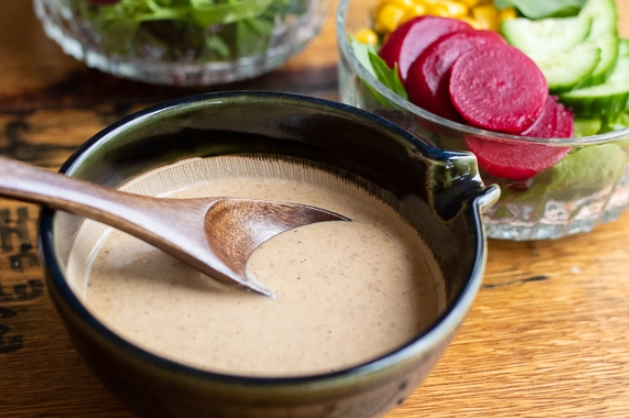
I learned this the hard way. Years ago, I burned a batch of sesame seeds, and my dressing tasted like charcoal. Now, I toast them on medium-low heat until they’re golden and fragrant—about 3–4 minutes, shaking the pan constantly. It makes all the difference.
How to Make Authentic Japanese Sesame Dressing at Home
Skip the store-bought stuff. Homemade lets you control the ingredients, and it’s cheaper. Here’s my go-to recipe, refined over years of trial and error.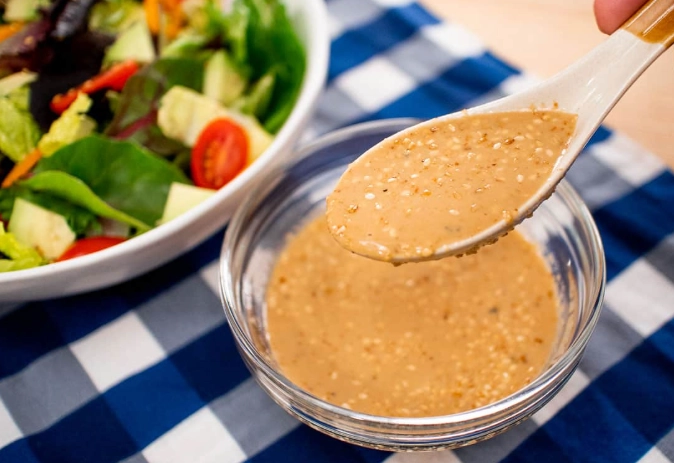
Ingredients You’ll Need
Gather these basics: 1/2 cup toasted sesame seeds (white or black), 1/4 cup rice vinegar, 3 tablespoons soy sauce (use tamari for gluten-free), 2 tablespoons honey or maple syrup, 1/4 cup neutral oil like grapeseed, and 1 teaspoon grated ginger. Optional: a clove of garlic for kick. That’s it—no weird additives.
Step-by-Step Recipe
First, toast the sesame seeds if they’re raw. Heat a dry skillet over medium-low, add seeds, and stir until golden. Let them cool. Then, blend everything in a food processor until smooth. If you like it chunkier, pulse a few times. Taste and adjust: more vinegar for tang, more honey for sweetness. Store in a jar in the fridge; it thickens as it chills.
Expert Tip: Don’t use pre-ground sesame paste from the store—it’s often stale. Grinding fresh seeds releases oils that give the dressing its creamy texture. And go easy on the oil; too much makes it greasy. I’ve seen recipes call for 1/2 cup, but 1/4 cup is plenty for a balanced emulsion.
Common Mistakes to Avoid
Everyone makes these errors. Over-toasting sesame seeds is the big one—they burn fast. Another: using distilled vinegar instead of rice vinegar; it’s too harsh. And if your dressing separates, just shake it well. Emulsifiers like mustard aren’t needed if you blend properly.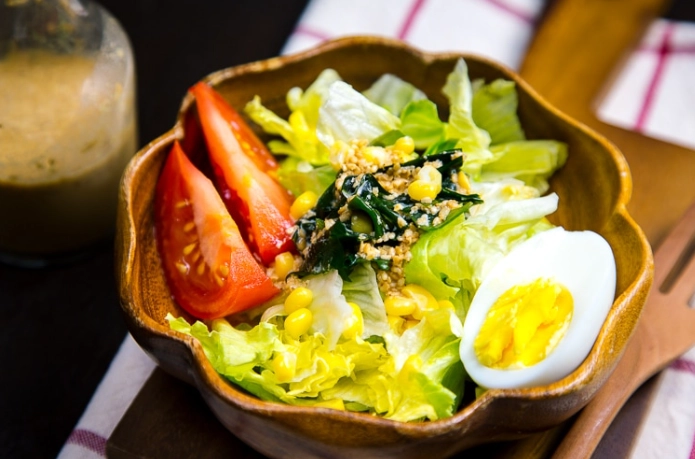
Creative Ways to Use Sesame Dressing Beyond Salads
Think beyond lettuce. This dressing is a kitchen workhorse. Toss it with soba noodles for a quick lunch—add some shredded cucumber and edamame. Use it as a marinade for chicken or tofu; let it sit for an hour, then grill. I even drizzle it over roasted veggies like broccoli or sweet potatoes. Last week, I mixed it into coleslaw instead of mayo, and my family devoured it.
For a party trick, serve it as a dip for spring rolls or tempura. The nutty flavor cuts through fried foods. If you’re feeling adventurous, swirl it into soup—miso soup gets a rich upgrade.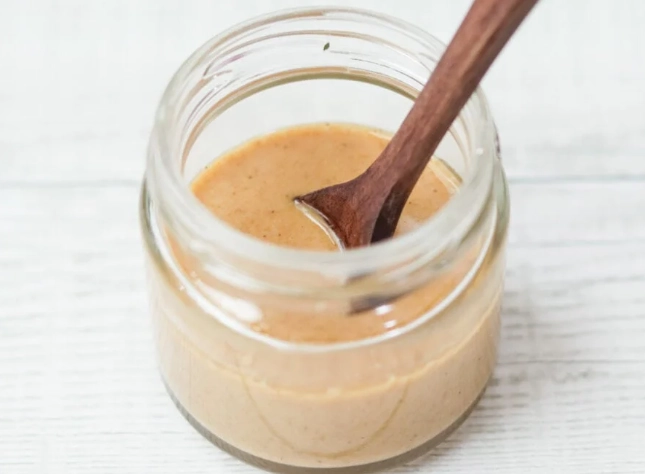
Where to Buy the Best Japanese Sesame Dressing
If making it isn’t your thing, here’s where to find quality brands. In the U.S., look in Asian grocery stores or online. I’ve tested dozens, and these stand out.
| Brand | Where to Buy | Price Range | Notes |
|---|---|---|---|
| Kikkoman Goma Dress | Walmart, Amazon, Asian markets | $3–$5 per bottle | Widely available, but a bit sweet; good for beginners. |
| Mizkan Premium Goma | Japanese specialty stores, online | $6–$8 per bottle | More authentic, less sugar; my top pick for flavor. |
| House Foods Sesame Dressing | Costco (seasonal), Amazon | $4–$6 per bottle | Creamy texture, but check for additives. |
For a local experience, if you’re in Tokyo, visit Tsukiji Market—stalls like Maruhide sell fresh sesame pastes. Or try restaurants like Afuri in Shibuya; their sesame dressing is house-made and pairs perfectly with ramen salads. Address: 1-1-7 Jinnan, Shibuya-ku, Tokyo, open 11 AM–11 PM. Price: around ¥800 for a salad.
Health Benefits and Nutritional Insights
Sesame seeds pack a punch. They’re rich in healthy fats, protein, and antioxidants like sesamin. According to the USDA National Nutrient Database, a tablespoon of sesame seeds has about 50 calories and 1.5 grams of fiber. But watch out: commercial dressings often sneak in high-fructose corn syrup. Homemade lets you skip that.
I opt for honey instead of sugar—it adds a floral note and has trace minerals. For a vegan version, use maple syrup. The dressing is naturally dairy-free and can be gluten-free with tamari. It’s not a low-calorie food, but a little goes a long way in flavor.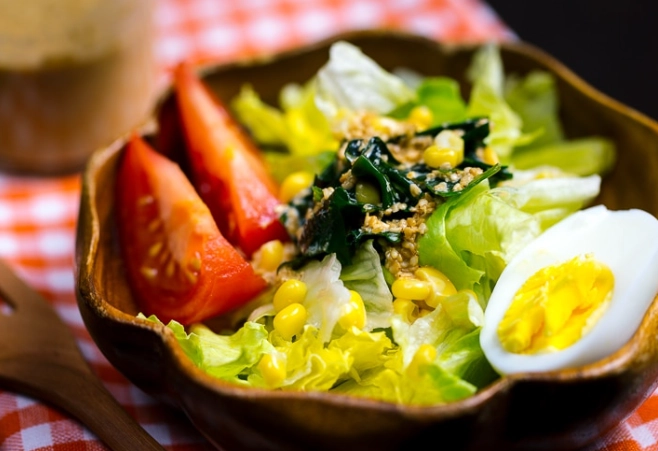
FAQ – Your Sesame Dressing Questions Answered
Japanese sesame dressing is more than a condiment—it’s a gateway to vibrant, easy meals. Whether you make it from scratch or grab a trusted brand, the key is to experiment. Toss it with whatever’s in your fridge, and you might just discover a new favorite. Happy dressing!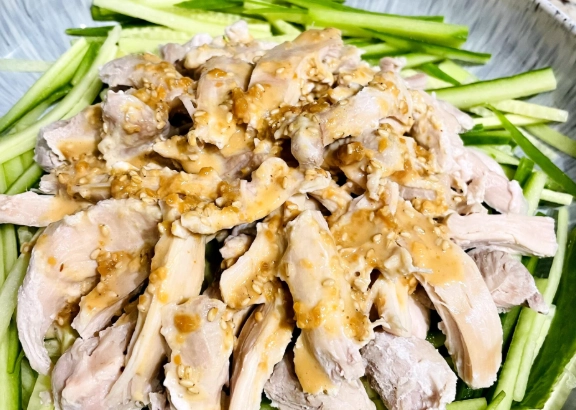
Reader Comments