Let's be honest. Most home attempts at Tekka Maki end up as a loose, rice-heavy mess or a bland disappointment. You follow a generic recipe, but something's off. The tuna lacks that deep, savory punch. The roll falls apart. I've been there. After years behind the sushi counter and countless failed rolls in my own kitchen, I've nailed down the specifics that most guides gloss over. This isn't just another tuna sushi roll recipe. It's a blueprint for the real deal—the simple, elegant, and intensely flavorful Tekka Maki you find in a proper Tokyo sushi-ya.
Quick Navigation
What is Tekka Maki, Really?
First, a quick history lesson most skip. "Tekka" (鉄火) literally means "red-hot iron," a vivid nod to the deep red color of the tuna. It also refers to the gambling dens of old Edo (Tokyo), where this quick, handheld snack was popular. It's the original fast food for sushi purists.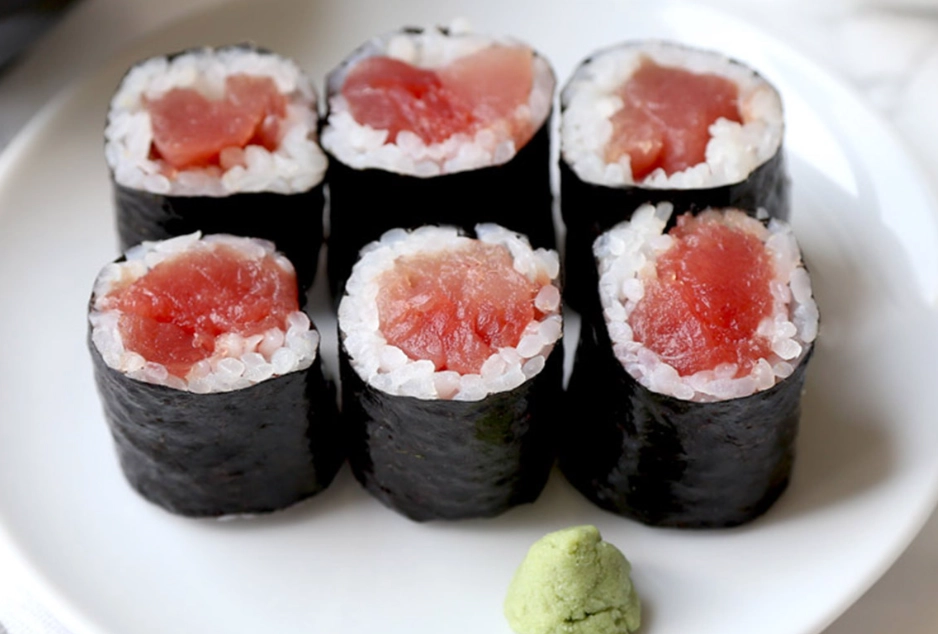
No cucumber. No avocado. No spicy mayo.
Just seasoned sushi rice, a strip of premium tuna, and a sheet of nori. Its simplicity is its test. There's nowhere for subpar ingredients or technique to hide. When done right, it's a perfect bite—the slight chew of the nori, the sweet-tangy rice, and the rich, meaty tuna all in harmony.
The Non-Negotiable Ingredients
This is where most home cooks fail. You can't make great Tekka Maki with average supermarket ingredients.
1. The Tuna: It's All About the Cut
Don't just buy "sushi-grade tuna." Ask for akami. This is the lean, deep red meat from the back of the fish. It's firm, has a clean, meaty flavor, and is traditional for Tekka Maki. The fatty toro (belly) is too soft and rich for this roll—it can get mushy. A common mistake is using whatever tuna is available. Akami's texture is key.
Find a reputable fishmonger or a Japanese grocery store. Look for meat that's a uniform, bright red, not brown or discolored. If you're unsure about freshness, ask when it was delivered. According to guidelines from sources like Japan's Fisheries Agency, fish for raw consumption requires rigorous handling standards.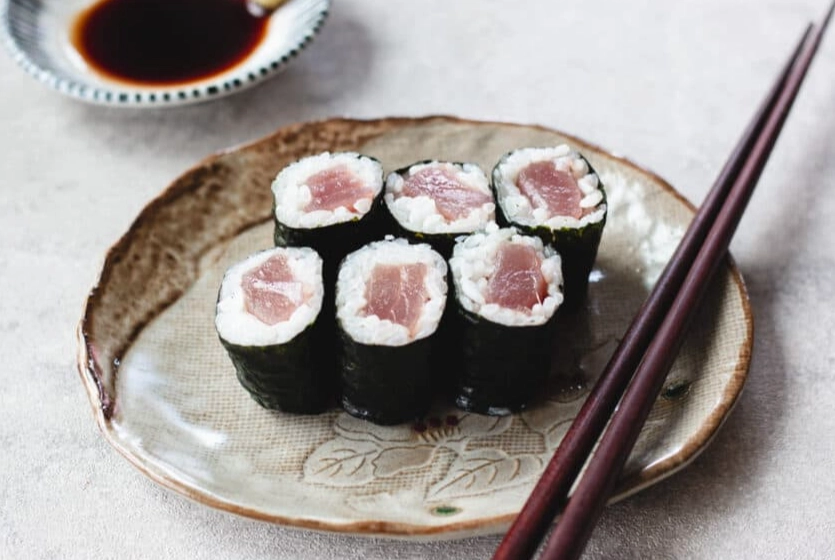
2. The Rice: More Than Just Sticky Rice
Short-grain Japanese rice (like Koshihikari) is mandatory. The seasoning is critical: rice vinegar, sugar, and salt. The balance is personal, but I lean towards a bit less sugar than many modern recipes use. You want a subtle sweet-sour backdrop, not a punch in the face.
My Rice Ratio (for 3 cups uncooked rice): 5 tbsp rice vinegar, 2 tbsp sugar, 2 tsp fine sea salt. Dissolve the sugar and salt in the vinegar gently over low heat. Cool completely before mixing with the rice.
3. The Nori: The Crisp Factor
Use full-size, toasted yakinori sheets. Check the grade—I prefer gold or silver grade for better flavor and crispness. Once you open the package, store it in an airtight container with a desiccant packet. Soggy nori is a silent roll-killer.
| Ingredient | Specific Type / Brand Suggestion | Why It Matters |
|---|---|---|
| Tuna | Bluefin or Yellowfin Akami | Lean, firm texture holds shape; authentic flavor. |
| Rice | Japanese Short-Grain (e.g., Koshihikari) | Essential stickiness and ability to absorb seasoning. |
| Nori | Yaki-nori, Gold/Silver Grade | Provides structure and a crisp, toasty flavor. |
| Rice Vinegar | Unseasoned Japanese Rice Vinegar | Clean acidity; seasoned versions throw off balance. |
| Wasabi | Real Wasabi Paste or Powder | Adds a sharp, aromatic heat that complements tuna. |
| Soy Sauce | Japanese Soy Sauce (Koikuchi) | Darker, richer flavor for dipping. |
Tools You Actually Need
You don't need a full sushi chef's kit. But these three items are non-negotiable.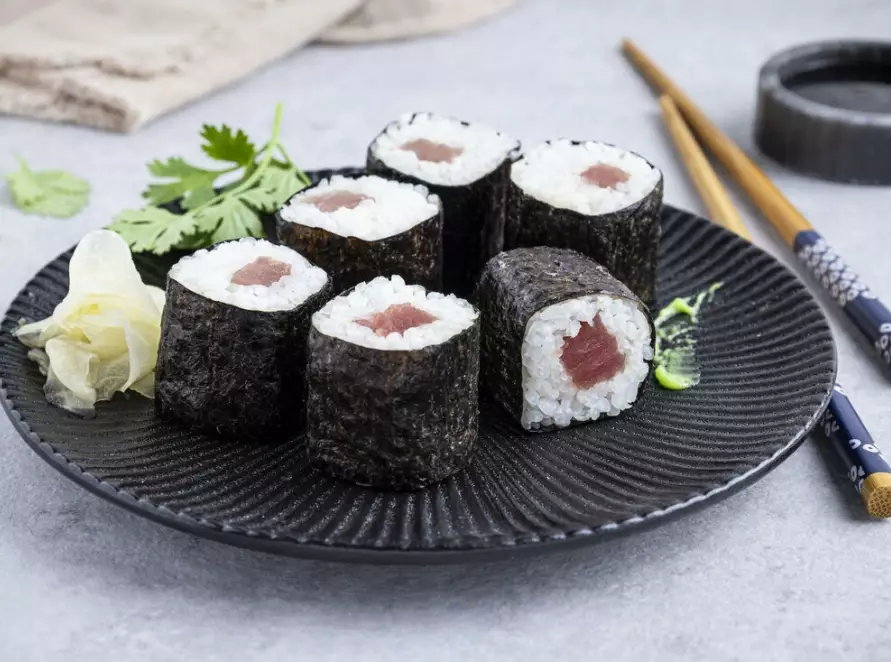
- A Very Sharp Knife: A sashimi bocho (long knife) is ideal, but any sharp chef's knife will do. Dull knives crush the tuna fibers and tear the nori.
- A Bamboo Rolling Mat (Makisu): The cheap ones work fine. Wrap it tightly in plastic wrap before you start. This keeps rice from sticking in the grooves and makes cleanup a five-second job.
- A Hangiri (Wooden Sushi Tub) or Wide Non-Metal Bowl: Wood absorbs excess moisture from the rice as you season and fan it. A wide glass or ceramic bowl is a decent substitute if you work quickly.
That's it. A rice cooker is highly recommended but not strictly essential.
The Rolling Process: A Visual Guide
Let's walk through it. Assume your rice is cooked, seasoned, and cooled to room temperature. Your tuna is cut into a long, pencil-thick strip about 7 inches long.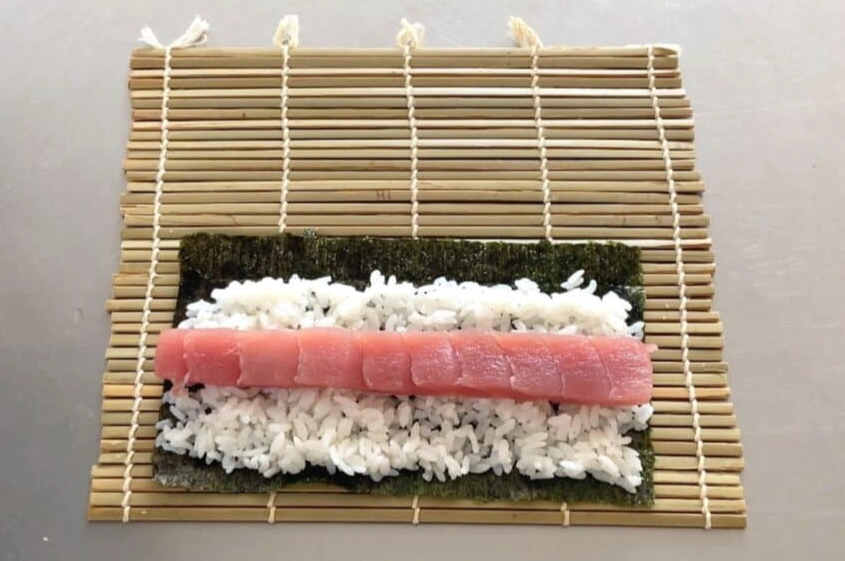
Step 1: Prepare the Nori Sheet
Place a full sheet of nori on the bamboo mat, shiny side down. The rough side holds the rice better. I see people do this wrong all the time.
Step 2: Spread the Rice
This is the most technical part. Wet your hands lightly with water (mixed with a bit of rice vinegar to prevent sticking). Take a handful of rice (about 120g for one roll) and gently spread it over the nori. Leave a 1-inch bare margin at the top far edge. This is the seal. Cover the entire bottom part evenly. Don't press the rice flat—you want a fluffy, airy layer.
Step 3: Add the Tuna and Wasabi
Place your tuna strip horizontally about one inch from the bottom edge of the rice. Run a thin streak of wasabi along the top of the tuna strip. Don't overdo it.
Step 4: The Roll
Using the mat, lift the edge of the nori closest to you. Roll it over the filling, tucking it in tightly. Apply even pressure forward with the mat, not downward. Continue rolling, using the mat to shape it into a tight cylinder until you reach the bare nori margin. Dab a few grains of rice on that bare margin to act as glue, then complete the roll.
Step 5: The Squeeze and Slice
Gently squeeze the rolled mat along the length of the roll to even it out. Don't crush it. Let it rest seam-side down for a minute. Wet your knife. Slice the roll in half with one confident stroke. Align the halves and cut into thirds, wiping the knife clean between each cut. You get six perfect pieces.
Three Mistakes That Ruin Your Roll
I've taught dozens of people, and these errors are universal.
Mistake 1: Rice is too warm or too wet. Warm rice steams the nori from the inside, making it instantly soggy and impossible to cut cleanly. The rice must be at room temperature.
Mistake 2: Overfilling. Tekka Maki is slim. A fat strip of tuna looks generous but makes a loose roll that falls apart when you pick it up. The tuna strip should be no thicker than your thumb.
Mistake 3: Sawing with a dull knife. This mashes the roll. A sharp knife and a single, decisive cut per slice is the only way. Clean the blade after every cut.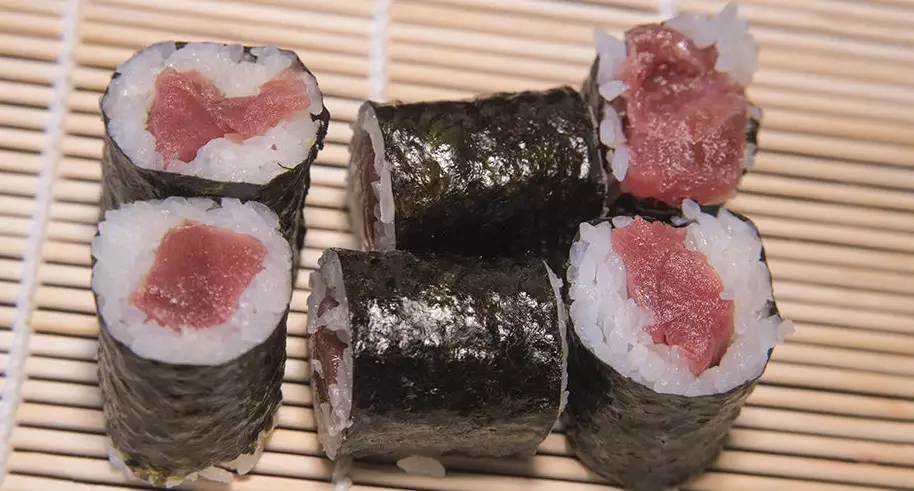
How to Serve and Eat It Right
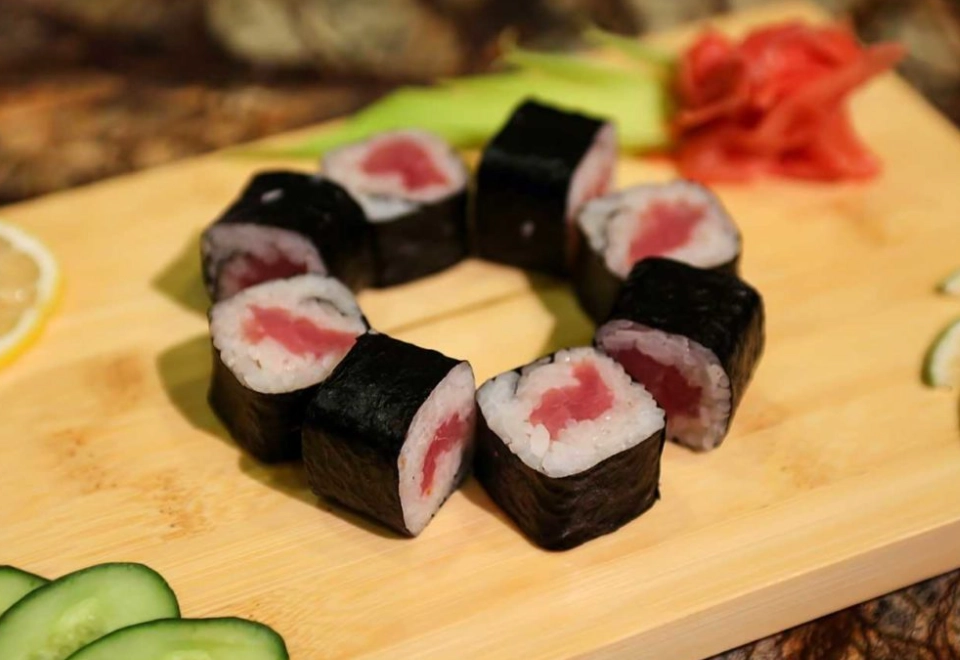
Arrange the pieces on a simple plate, cut-side up. Serve immediately with a small dish of soy sauce and extra wasabi. Don't mix the wasabi into the soy sauce—this is considered disrespectful to the chef's seasoning in traditional sushi culture (as noted in many guides on Japanese dining etiquette). Instead, dab a small amount of wasabi directly onto the fish with your chopsticks before dipping the fish-side (not the rice-side) lightly into the soy sauce.
Pair it with a light green tea or a crisp, dry sake. It's a snack, a starter, or part of a larger meal.
Your Tekka Maki Questions, Answered
 Is there a substitute for real wasabi? The tube stuff tastes harsh.
Reader Comments