In This Guide
- Why Chicken Reigns Supreme in Japanese Cooking
- The Undisputed Champions: Top Japanese Chicken Dishes You Must Try
- How Do These Best Japanese Chicken Dishes Stack Up?
- Beyond the Classics: Other Incredible Japanese Chicken Dishes
- Your Questions Answered: Japanese Chicken Dishes FAQ
- Bringing the Best Japanese Chicken Dishes to Your Kitchen
- The Final Verdict on Finding Your Best Japanese Chicken Dish
Let's be honest. When you think of Japanese food, sushi and ramen probably jump to mind first. I get it. But if you stop there, you're missing out on a whole world of flavor that, in my opinion, is the real soul food of Japan. I'm talking about Japanese chicken dishes. They're the comforting, deeply satisfying meals you find in everyday homes, cozy izakayas (Japanese pubs), and even fancy restaurants. They're the dishes that, after a long trip to Japan, I found myself craving more than anything else.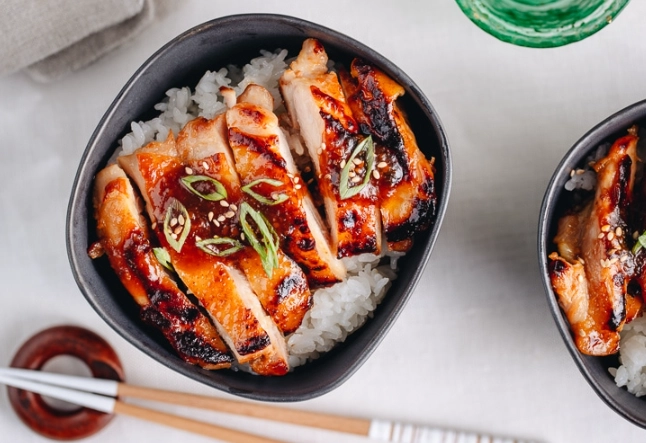
This isn't just a list. It's a deep dive. We're going to explore why chicken is such a big deal in Japan, unpack the absolute best Japanese chicken dishes you need to try (and yes, we'll rank a few), and I'll even throw in some hard-won tips for making them at home without needing a plane ticket to Tokyo. I'll also share which ones I think are overhyped and which hidden gems deserve more love.
Why Chicken Reigns Supreme in Japanese Cooking
You might wonder why there are so many iconic Japanese chicken dishes. History plays a part. For centuries, eating meat, especially from four-legged animals, was restricted in Japan due to Buddhist beliefs. Poultry and wild game were more commonly consumed. When Japan opened up in the Meiji era, chicken farming took off. It became an affordable, versatile protein that fit perfectly into the evolving Japanese palate.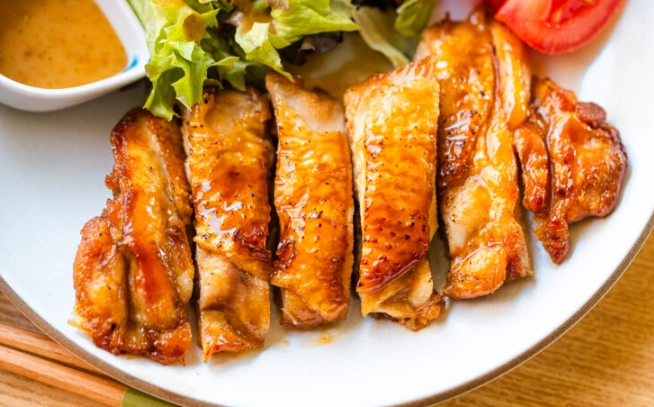
But it's the philosophy that really shapes these dishes. Japanese cooking, or washoku, has principles like respecting seasonal ingredients and achieving a harmony of tastes and textures. Chicken is a perfect canvas for this. It can be grilled (yakimono), simmered (nimono), fried (agemono), or served over rice (donburi). Each method creates a completely different experience. The Japanese government's promotion of washoku as an intangible cultural heritage highlights this culinary depth, and chicken dishes are a core part of that tradition.
And let's talk about the chicken itself. In Japan, there's a big focus on quality. You'll hear terms like jidori, which refers to premium, often local breed chicken known for its richer flavor and texture. Eating a jidori yakitori skewer is a different universe from a standard chicken nugget. Trust me on this.
The Undisputed Champions: Top Japanese Chicken Dishes You Must Try
Alright, let's get to the good stuff. Ranking food is subjective, of course. What's "best" depends on your mood. Are you craving something crispy? Something sweet and savory? Something hearty in a bowl? I've broken it down by category to help you find your next favorite.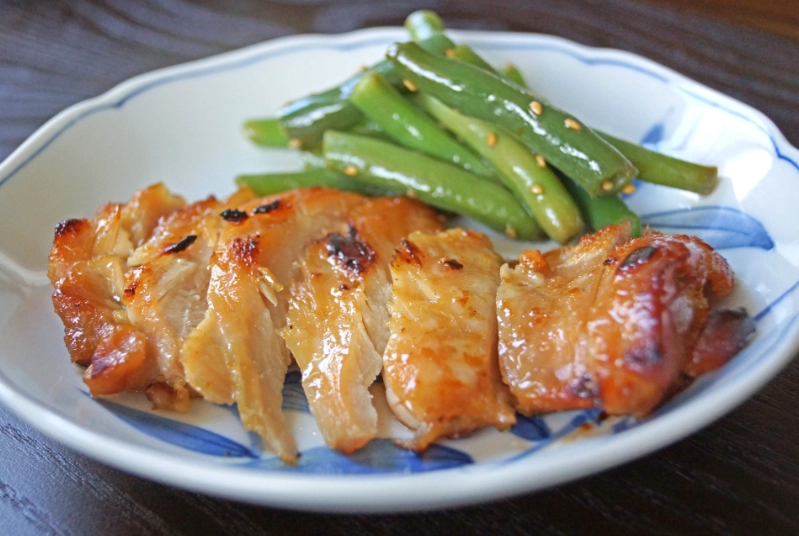
The Fried Chicken King: Karaage (唐揚げ)
If I had to pick one best Japanese chicken dish to introduce someone, it would be karaage. Calling it just "Japanese fried chicken" feels like an insult. It's in a league of its own. The chicken (usually thigh) is marinated in a mix of soy sauce, ginger, and garlic, then lightly coated in potato starch or flour before frying. The result? Skin that's unbelievably crisp, crunchy, and almost paper-thin, sealing in juicy, flavor-packed meat.
You'll find it everywhere—from convenience stores (konbini) to high-end izakayas. My personal favorite is with a squeeze of fresh lemon. Some places serve it with a dollop of Japanese mayo (Kewpie mayo, which is sweeter and tangier). It's the perfect beer companion. Is it the best Japanese chicken dish for a casual snack? For me, yes. No contest.
The Iconic Sweet & Savory Glaze: Yakitori (焼き鳥)
Yakitori means "grilled bird," and it's a cornerstone of Japanese pub culture. It's simple: skewers of chicken, every part imaginable, grilled over charcoal (binchotan). The magic is in the seasoning. There are two main types: shio (salt) and tare (a sweet-savory sauce made from mirin, sake, soy sauce, and sugar).
You start with the classics: momo (thigh), negima (thigh with leek), and tsukune (chicken meatballs, which are incredibly soft and often served with a raw egg yolk for dipping). Then, if you're adventurous, you explore the "offal" skewers—rebā (liver), hatsu (heart), sunagimo (gizzard). I find the heart is usually the most approachable; it's surprisingly tender. The liver can be polarizing, but when done right, it's creamy and rich.
Sitting at a tiny yakitori counter, watching the chef expertly tend to dozens of skewers over glowing coals, is a quintessential Japanese experience. The aroma alone is worth the trip.
The Comfort Food Bowl: Oyakodon (親子丼)
The name is a bit dark—it means "parent-and-child donburi" because it combines chicken (parent) and egg (child) in one bowl. But forget that; think of it as the ultimate comfort food. Thinly sliced chicken and onions are simmered in a sweet dashi-soy sauce broth, then bound together with softly scrambled egg. This luscious mixture is poured over a steaming bowl of rice.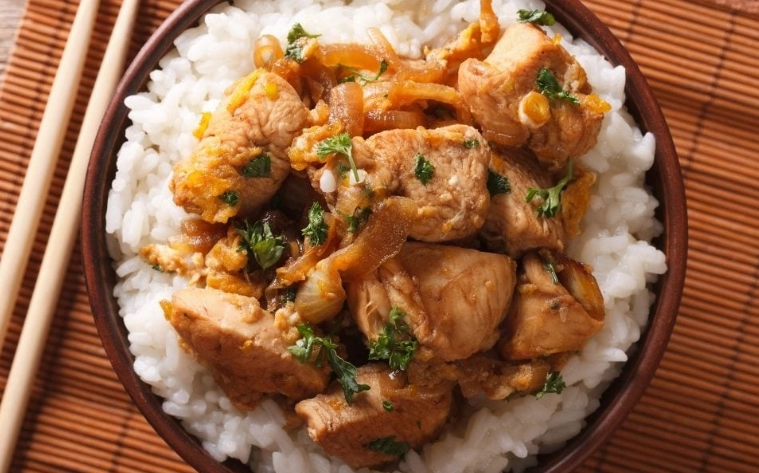
It's warm, it's savory, it's slightly sweet, and it's incredibly satisfying. It's what you eat on a rainy day, or when you need a quick, filling, and affordable lunch. Every family and restaurant has its own slight variation—some make the egg very runny, others more set. I prefer it somewhere in the middle, where the egg is just set but still silky, soaking into the rice. It's a strong contender for the title of best Japanese chicken dish for sheer homestyle comfort.
The Global Superstar: Teriyaki Chicken (照り焼きチキン)
What you get outside Japan is often a far cry from the real deal. Authentic teriyaki isn't a thick, gloppy sauce. Teriyaki refers to the cooking method: teri (shine) from the glaze, and yaki (grill/broil). Chicken is grilled or pan-fried, then glazed in the final moments with a mixture of soy sauce, mirin, and sugar that reduces to a beautiful, glossy coating.
The chicken should be the star, with the glaze complementing it, not drowning it. It's simple, elegant, and the sweetness is balanced by the saltiness of the soy. Served with rice and some vegetables, it's a perfect weeknight meal. Is it overexposed globally? Maybe. But done right, it absolutely deserves its place among the best Japanese chicken dishes.
The Soul-Warming Noodle Partner: Chicken Ramen (鶏白湯ラーメン)
While pork (tonkotsu) ramen gets more headlines, chicken-based ramen is a revelation. Specifically, tori paitan ramen—a creamy, opaque, milky-white broth made by vigorously boiling chicken bones, meat, and fat for hours. It's rich, deeply chicken-flavored, and incredibly luxurious without being as heavy as some pork broths can be.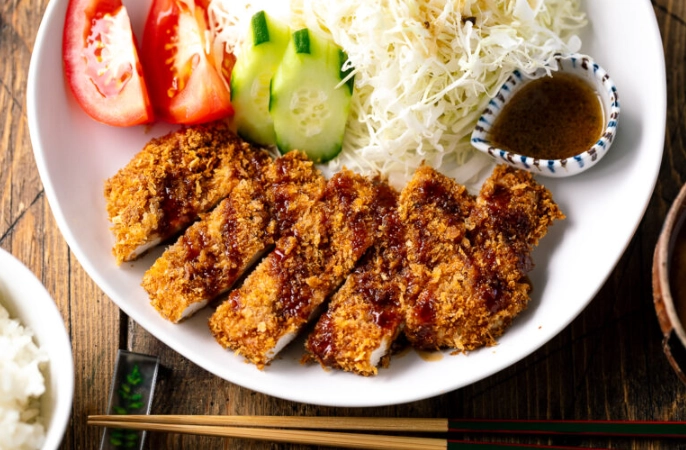
It's less common than its pork counterpart, which makes finding an excellent bowl even more special. The noodles are usually straight and medium-thin, topped with tender chashu (braised pork belly or chicken), menma (bamboo shoots), and a soft-boiled egg. On a cold day, this bowl is pure happiness. If you're a ramen fan, seeking out a great chicken paitan is a must.
How Do These Best Japanese Chicken Dishes Stack Up?
Let's make this easier. Here's a quick comparison of these heavy hitters to help you decide what to try first or make at home.
| Dish Name | Main Cooking Method | Key Flavors | Best For | My Personal Rating (1-10) |
|---|---|---|---|---|
| Karaage | Deep-frying | Savory, garlic, ginger, umami | Snacking, Izakaya food, Beer pairing | 9.5 (The crispiness is legendary) |
| Yakitori | Charcoal grilling | Smoky, savory, or sweet-savory (tare) | Social dining, Trying variety, Drinking | 9.0 (The experience is half the fun) |
| Oyakodon | Simmering | Sweet, savory, umami, eggy comfort | A quick, hearty, comforting meal | 8.5 (My go-to comfort food) |
| Teriyaki Chicken | Grilling/Pan-frying + Glazing | Sweet, salty, glossy | A familiar yet elevated home-cooked meal | 8.0 (When authentic, it's a classic) |
| Chicken Paitan Ramen | Boiling (broth), Assembling | Deep chicken, creamy, rich umami | A soul-warming, luxurious noodle fix | 9.0 (Underrated and incredible) |
Beyond the Classics: Other Incredible Japanese Chicken Dishes
The list doesn't end with the top five. Japan's regional and specialty chicken dishes are vast. Here are a few more you should have on your radar:
- Chicken Nanban (チキン南蛮): From Miyazaki prefecture. Fried chicken (like karaage) served with a sweet-vinegar nanban sauce and topped with tartar sauce. It's a fantastic mix of crispy, tangy, and creamy. Seriously good.
- Mizutaki (水炊き): A healthy chicken hot pot from Fukuoka. Chicken, vegetables, and tofu are simmered in a light, clean dashi or water broth. You dip the cooked ingredients in a ponzu (citrus-soy) sauce. It's communal, healthy, and highlights the pure flavor of the chicken.
- Torisashi (鳥刺し): This is chicken sashimi. Yes, raw chicken. Before you run away, hear me out. In Japan, chicken raised for torisashi is handled with extreme hygiene standards. It's typically served very thinly sliced, often just the breast, and dipped in soy sauce and wasabi or grated ginger. The texture is delicate, almost like a firm fish. It's an acquired taste and not for everyone—I tried it once and admired the quality, but I'll stick to cooked versions of the best Japanese chicken dishes, personally.
- Katsu Curry (チキンカツカレー): A glorious fusion. A breaded, deep-fried chicken cutlet (chicken katsu) served on rice, all smothered in thick, rich Japanese curry. It's the ultimate hearty plate. The contrast of the crispy katsu with the savory-sweet curry is a winner.
Your Questions Answered: Japanese Chicken Dishes FAQ
In Japan, it's all about specialization. Don't go to a sushi restaurant for great karaage. Seek out:
- Yakitori-ya: Dedicated yakitori shops, especially the small, counter-only ones.
- Izakayas: Pubs that serve small plates. Their karaage and yakitori are usually solid.
- Tonkatsu or Yoshoku restaurants: For excellent chicken katsu.
- Ramen shops: Specifically look for ones advertising "Tori Paitan" on their sign.
- Teishoku-ya: Set-meal restaurants for great oyakodon and teriyaki.
The Japan National Tourism Organization website is a great resource for finding well-regarded local eateries beyond the major tourist spots.
Some are surprisingly easy! Oyakodon and teriyaki are fantastic weeknight dinners. Karaage is very manageable if you have a good thermometer for frying. Yakitori is trickier without a proper grill, but you can mimic it with a broiler or grill pan—just expect less smoky flavor. Chicken paitan ramen is a project; the broth takes many hours. Start with the simmered and pan-fried dishes to build confidence.
For almost all these best Japanese chicken dishes, thigh meat (momo) is king. It's more flavorful and stays juicier during cooking than breast meat. Breast is used for specific things like torisashi or some healthier teriyaki versions, but thigh is the default for a reason. Trust the Japanese home cooks on this one.
Absolutely. While karaage and katsu are fried, many others are quite balanced.
- Mizutaki (hot pot) is mostly boiled chicken and vegetables.
- Yakitori (especially shio salt versions) is just grilled meat and vegetables.
- Teriyaki, when made at home, can use less sugar.
- Soups and stews like chicken and vegetable stews (chikuzenni) are nutritious and light.
If I had to pick one, it's mirin. This sweet rice wine is essential for the characteristic sweet-savory glaze in teriyaki, the simmering broth for oyakodon, and many marinades. Real mirin (hon mirin) contains alcohol and has a complex sweetness. Don't substitute it with just sugar; it won't be the same. Soy sauce, sake, and dashi are the other pillars.
Bringing the Best Japanese Chicken Dishes to Your Kitchen
Want to try making one? Let's demystify a simple yet authentic teriyaki chicken, the way it's meant to be.
The Secret: It's not about marinating for hours. It's about creating the perfect glaze and applying it at the right time.
- Prep the Chicken: Use boneless, skin-on chicken thighs. Pat them very dry. This is crucial for browning, not steaming.
- Make the Glaze: In a small bowl, mix equal parts (like 3 tablespoons each) of soy sauce, mirin, and sake. Add a teaspoon of sugar if you like it a bit sweeter.
- Cook the Chicken: In a cold pan, place the chicken thighs skin-side down. Turn the heat to medium. Cook without moving for 7-8 minutes until the skin is deep golden brown and crispy. Flip and cook the other side for 5-6 minutes until cooked through. Remove chicken to a plate.
- The Glaze Moment: Pour out excess fat from the pan. Return it to medium heat and pour in your sauce mixture. Let it bubble and reduce for 2-3 minutes until it thickens slightly and becomes syrupy.
- Finish: Return the chicken to the pan, skin-side up. Spoon the glaze over it repeatedly for about a minute until it's beautifully coated and glossy. That's it.
Serve over rice with the extra glaze drizzled on top. See? No thick, cornstarch-heavy sauce. Just clean, shiny, flavorful chicken. This method works because you build flavor in layers—the crispy skin, the juicy meat, the reduced glaze.
The Final Verdict on Finding Your Best Japanese Chicken Dish
So, what is the single best Japanese chicken dish? I don't think there is one. It's like asking for the best song ever. It depends on the moment.
For a life-changing bite of crispy, juicy perfection, it's hard to beat karaage. For an experience that embodies Japanese social dining and craftsmanship, yakitori is unmatched. For a hug in a bowl when you need comfort, oyakodon is your friend. And for a taste of Japan that travels well and is easy to love, a properly made teriyaki chicken is a classic for a reason.
The beauty of exploring these dishes is that you get a true taste of Japan beyond the postcard images. You taste the home cooking, the pub culture, the regional pride, and the meticulous attention to ingredient quality. Each of these best Japanese chicken dishes tells a story about balance, seasonality, and savoring simple things done exceptionally well.
My advice? Don't just stick to one. Try them all. Start with the crispy karaage, move to the comforting oyakodon, then explore the smoky world of yakitori. Your taste buds will thank you. And who knows, you might just find yourself, like I did, planning your next meal around which Japanese chicken masterpiece to try next.
Now, go find some chicken thighs and get cooking. Or better yet, find a local izakaya and start your tasting journey there. You won't regret it.
Reader Comments