Let's get straight to the point. Perfect karaage isn't about a secret batter or a fancy fryer. It's about understanding a simple principle: deep flavor locked inside, shatteringly crisp texture outside. Most home recipes get one part wrong—usually the marinade is too simple, or the frying is a one-and-done affair. After years of testing (and eating my way through izakayas in Tokyo and Osaka), I've narrowed it down to a fail-proof process. Forget the dry, bland chunks. This is how you make karaage that stays juicy for hours and cracks with every bite.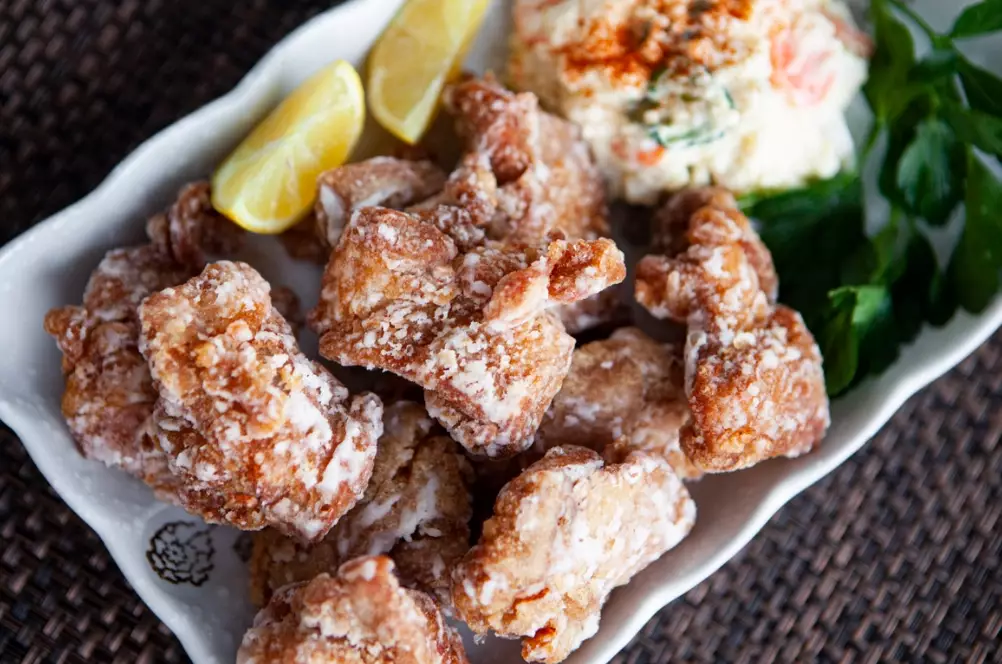
Your Karaage Journey: What's Inside This Guide
What is Karaage? The Soul of Japanese Comfort Food
Karaage (唐揚げ) refers to a Japanese cooking technique where bite-sized pieces of meat or fish are lightly coated in flour or starch and deep-fried. While chicken is the undisputed king, you'll find karaage made with fish (like aji), seafood, or even vegetables. The magic lies in the pre-fry treatment. Unlike Southern fried chicken which often uses a buttermilk soak, karaage gets its distinct personality from a savory-sweet marinade built on soy sauce, sake, and ginger.
It's the quintessential izakaya (pub) food, the star of bento boxes, and a beloved home-cooked meal. The goal is a contrast so satisfying it's almost addictive: a deeply seasoned, tender interior wrapped in a feather-light, impossibly crisp shell that doesn't feel oily.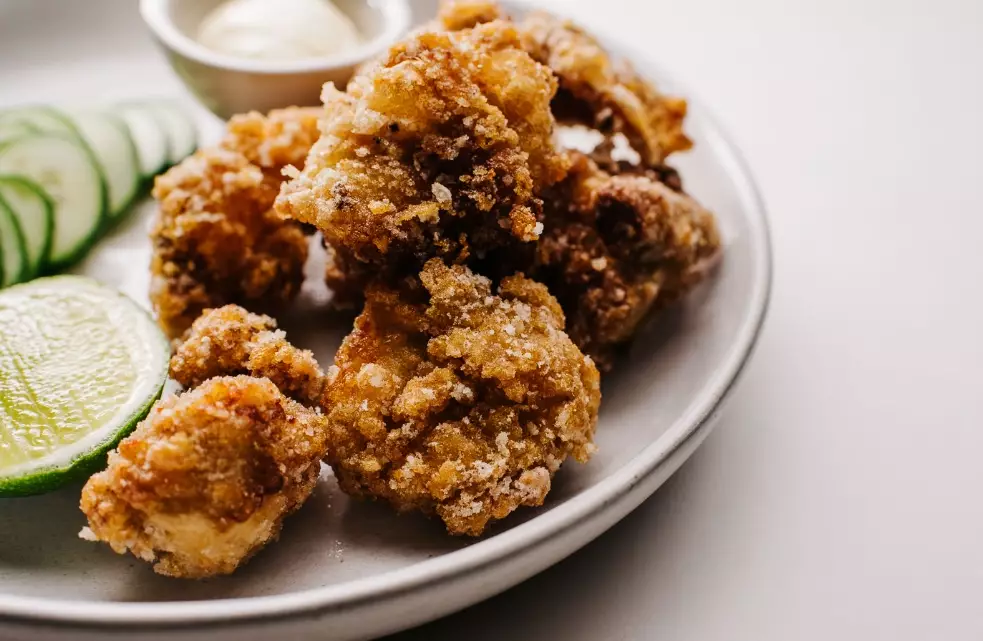
My Tokyo Epiphany: I used to think my karaage was good. Then I had it at a tiny, standing-only izakaya in Shinjuku's Omoide Yokocho. The chicken was steaming hot, ridiculously juicy, and the crust was so delicate it sounded like stepping on autumn leaves. The chef later told me his "secret" was just patience—marinating overnight and frying twice at precise temperatures. No magic dust, just method. That changed my approach completely.
The Karaage Toolkit: Essential Ingredients & Equipment
You don't need professional gear. But choosing the right foundational items is 80% of the battle.
The Non-Negotiable Ingredients
Chicken: Thighs. Always boneless, skin-on chicken thighs. Breast meat dries out too fast, and the skin is non-negotiable for that extra layer of fat and crunch. Some purists cut it into rough, jagged 1.5-inch pieces for maximum surface area. I find neat 1-inch cubes work perfectly for consistent cooking.
The Marinade Quartet: Soy sauce (usukuchi or light soy is traditional for color, but regular works), sake (for sweetness and tenderizing), mirin (for glaze and depth), and fresh ginger (grated, lots of it). Garlic is common but not strictly traditional—I add a little. The real key here is the ginger. Its enzymes break down proteins, making the chicken incredibly tender. Don't use powder.
The Coating: Potato starch (katakuriko). This is the game-changer. It creates a crisper, lighter, and more delicate crust than wheat flour or cornstarch. It also fries up with a distinctive, slightly translucent, pebbly texture. If you can't find it, a 50/50 mix of cornstarch and all-purpose flour is a decent emergency substitute, but it won't be the same.
Equipment You Actually Need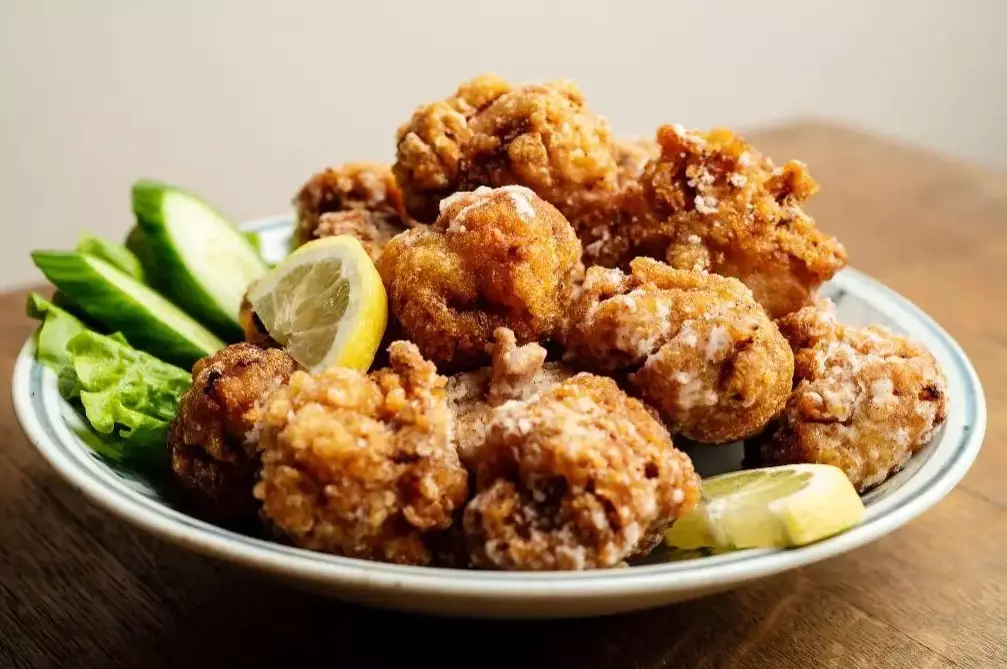
A heavy-bottomed pot (a Dutch oven is ideal), a frying/candy thermometer (this is crucial—guessing oil temperature is the #1 cause of failure), a wire rack set over a baking sheet (for draining, not paper towels which steam the crust soggy), and chopsticks or tongs for handling.
Step-by-Step: Crafting Perfect Karaage at Home
Here's the process, broken down. Timing matters.
1. The Marinade: Building Flavor from the Inside Out
In a bowl, combine 2 tablespoons each of soy sauce, sake, and mirin. Add a full tablespoon of finely grated ginger (juice and all). A minced garlic clove if you like. Mix in your chicken pieces, ensuring they're fully submerged. Cover and refrigerate. The minimum is 30 minutes. The sweet spot is 2 hours. For transformative results, go overnight. The chicken will darken slightly—that's flavor penetrating.
2. The Coating: Less is More
Drain the chicken from the marinade. Don't pat it dry—you want it damp. Place a generous cup of potato starch in a large plastic bag or a bowl. Add the chicken in batches and shake or toss until each piece is lightly and evenly coated. A thin, shaggy layer is what you want. Don't press the starch on. Let the coated pieces sit on a plate for 5-10 minutes. This lets the coating hydrate and adhere, preventing it from sloughing off in the oil.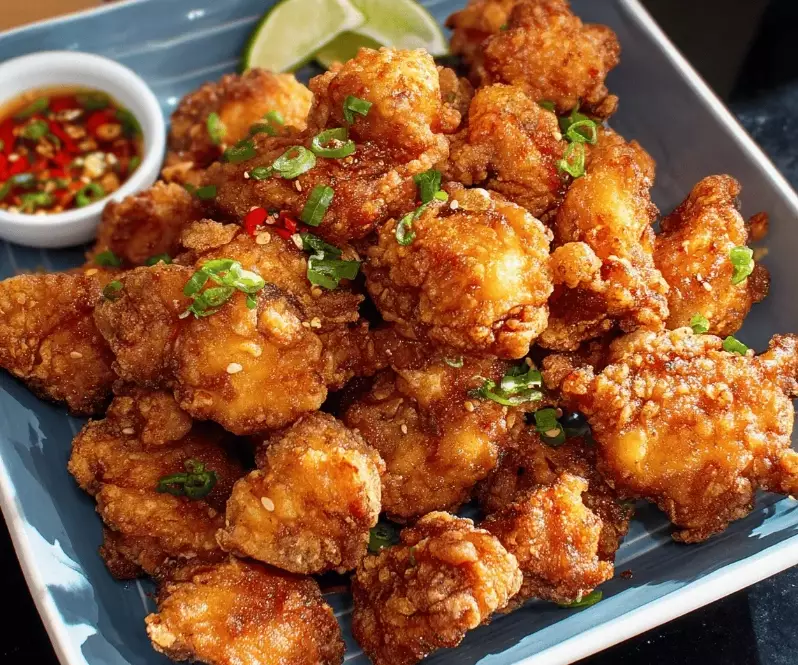
3. The Double Fry: The Secret to Eternal Crispness
Fill your pot with 2-3 inches of neutral oil (canola, peanut, vegetable). Heat to 325°F (160°C). This is your first fry, the "cook-through" phase. Gently add chicken pieces in batches, don't crowd the pot. Fry for about 3-4 minutes, until they're lightly colored and just cooked through. They won't be golden yet. Remove to the wire rack.
Let them rest for at least 5 minutes. This is critical. It allows the internal heat to equalize and the crust to set.
Now, crank the heat. Bring the oil to 350°F (175°C). This is the second fry, the "crisp-up" phase. Return the par-cooked chicken in batches and fry for another 60-90 seconds, until they puff up slightly and turn a deep, golden brown. The sound changes to a more intense sizzle. This second blast locks in the juiciness and creates that signature, airy crunch.
Immediately drain on the wire rack. Sprinkle very lightly with fine sea salt while piping hot.
The 3 Karaage Mistakes Almost Everyone Makes
I see these repeated everywhere.
1. Skipping the Second Fry. Single-fried karaage gets soggy within minutes as steam softens the crust. The double-fry creates a sturdy, porous structure that stays crisp for an hour or more. It's not optional for the ideal texture.
2. Using the Wrong Starch. Flour gives a thick, bready coating. Cornstarch is better but can be a bit hard. Potato starch is in a league of its own for its unique texture and moisture-wicking properties. The Japan External Trade Organization (JETRO) even notes potato starch as a key ingredient in defining washoku (Japanese cuisine) preparation methods.
| Coating Type | Resulting Texture | Crisp Longevity | Authenticity Level |
|---|---|---|---|
| Potato Starch (Katakuriko) | Light, shatteringly crisp, pebbly | Excellent (1+ hour) | Authentic |
| Cornstarch | Very crisp, can be slightly hard | Good | Acceptable Substitute |
| All-Purpose Flour | Thicker, bready, absorbs more oil | Poor (sogs quickly) | Not Recommended |
3. Marinating for Just 10 Minutes. The marinade isn't just for surface salt. It needs time to work into the meat. That ginger and soy need a few hours to perform their tenderizing, flavor-infusing magic. A quick dip is barely worth the effort.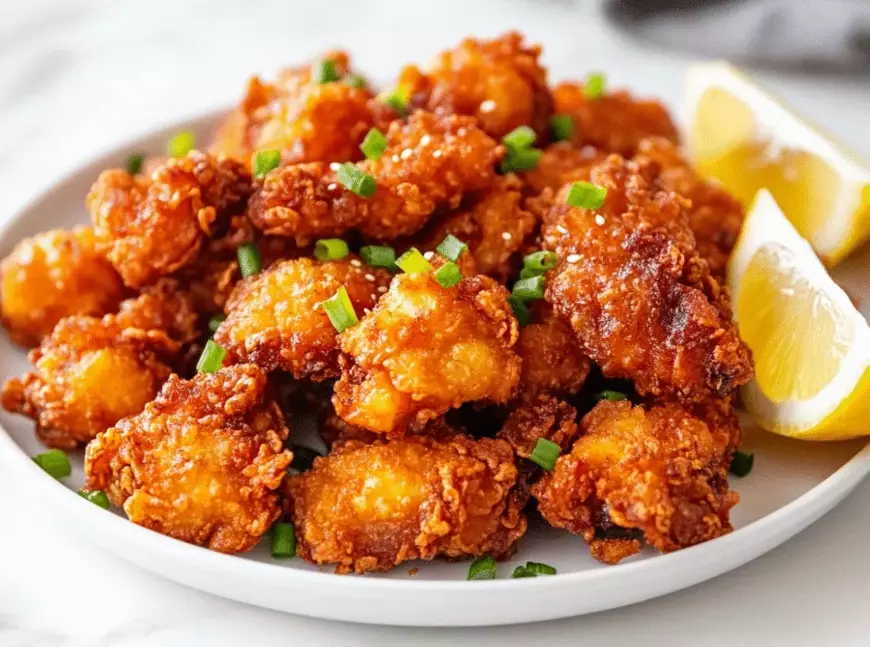
Serving, Dipping, and Storing Your Masterpiece
Serve immediately on the wire rack or a plate lined with cabbage shreds (the classic izakaya presentation). A squeeze of fresh lemon is essential. For dipping, bypass thick, gloopy sauces. The classics are: Japanese mayo (Kewpie, with its umami and vinegar notes). A simple ponzu (citrus-soy sauce). Or just more lemon.
To store leftovers (they rarely exist), let them cool completely on the rack, then refrigerate in a single layer. Reheat in a toaster oven or air fryer at 375°F until re-crisped. The microwave is the enemy of crunch.
Karaage Expert's Corner: Your Questions Answered
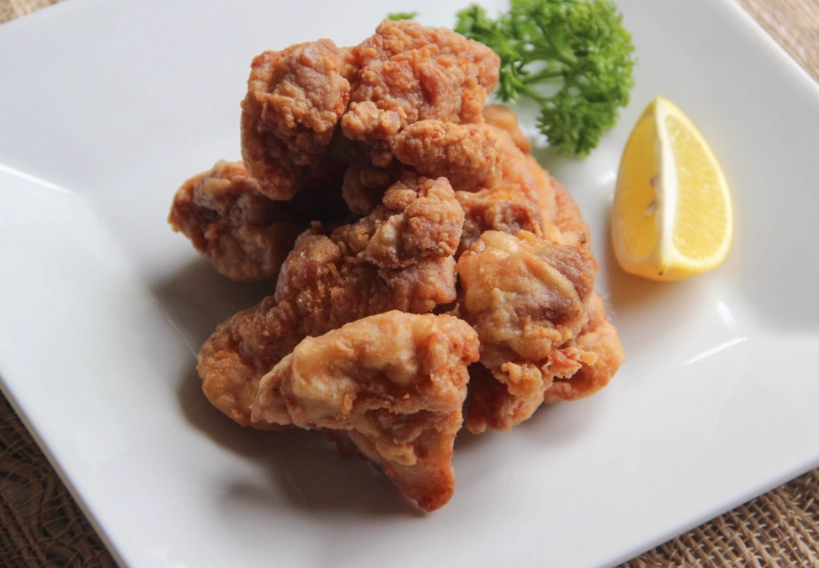 Is an air fryer a good substitute for deep frying karaage?
Reader Comments