Let's get straight to it. A great chicken katsu isn't about fancy techniques; it's about nailing a few simple, non-negotiable steps. The goal? A shatteringly crisp, golden panko crust that gives way to a perfectly juicy, tender chicken breast. Skip one step, and you'll get something decent. Follow them all, and you'll have something that shuts down the need for a restaurant visit. I learned this the hard way after years of trial, error, and a few too many dry, bland cutlets.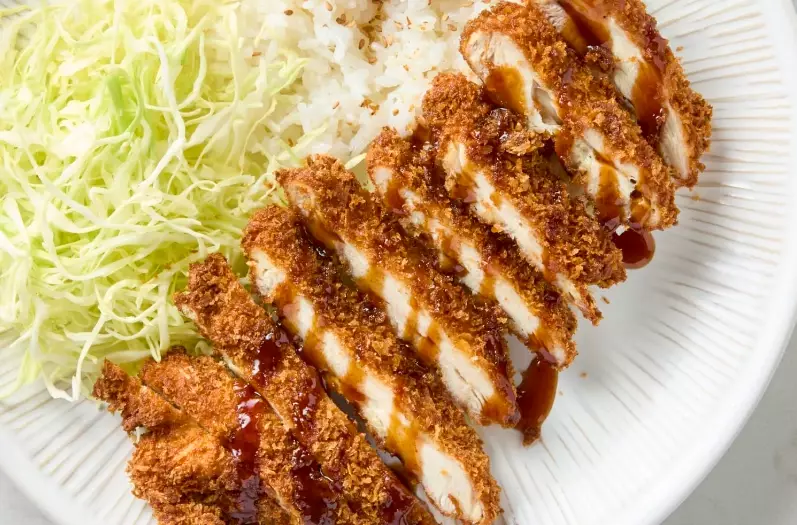
What You'll Find in This Guide
What Exactly is Chicken Katsu?
Chicken katsu (チキンカツ) is the poultry counterpart to the famous tonkatsu (pork cutlet). It's a western-influenced Japanese dish (yōshoku) where a chicken breast is tenderized, coated in flour, egg, and Japanese-style breadcrumbs called panko, then deep-fried until golden. The magic is in the contrast: the delicate, fluffy interior of the chicken against the wildly crunchy, craggy exterior of the panko. It's typically served shredded cabbage, a mound of steamed rice, and the indispensable, slightly sweet-savory tonkatsu sauce.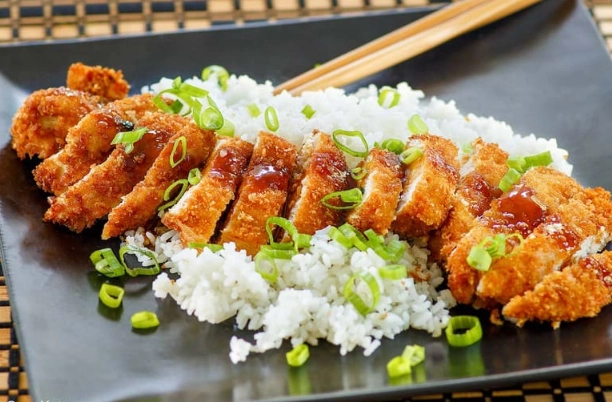
Essential Ingredients & Equipment (No Fancy Gadgets Needed)
You don't need much. Here’s the breakdown.
The Non-Negotiable Ingredients
Chicken: Boneless, skinless chicken breasts. Thicker ones are better (about 1 to 1.5 inches thick). They give you more room for error to avoid overcooking.
Panko Breadcrumbs: This is the star. Don't substitute with regular breadcrumbs. Panko is made from crustless bread, creating larger, flakier crumbs that fry up lighter and crispier. I've found a noticeable difference between brands. The ones imported from Japan, like Kikkoman Panko, often have a more consistent, airy flake than some supermarket generics. If you can, check an Asian grocery store.
Tonkatsu Sauce: You can buy it (Bulldog brand is the classic), but making it is trivial and tastes fresher. More on that below.
Oil for Frying: A neutral oil with a high smoke point. Canola, vegetable, or peanut oil are perfect.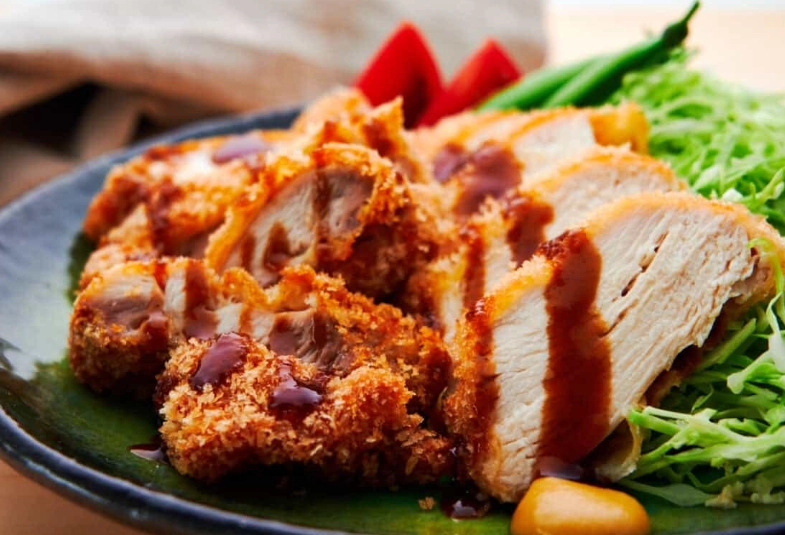
Helpful but Optional Tools
A meat mallet (or a rolling pin, or even a heavy pan) to pound the chicken. A deep, heavy-bottomed pot or Dutch oven for stable frying. A wire rack set over a baking sheet is the best way to drain fried food, far better than paper towels which can steam the crust soggy.
Step-by-Step Cooking Guide: From Fridge to Plate
1. Prep the Chicken (The "Why" Matters)
Place a chicken breast between two sheets of plastic wrap. Pound it to an even ½-inch thickness. This isn't just about tenderizing; it ensures the chicken cooks evenly and quickly, so the crust doesn't burn waiting for the center to cook. Now, season both sides generously with salt and pepper. Do this now, not later. The salt has time to season the meat throughout.
2. Set Up Your Breading Station (Mise en Place)
Get three shallow dishes. One with all-purpose flour. One with 2-3 beaten eggs (add a splash of water to make them easier to coat). One with your panko breadcrumbs. Line them up: flour, egg, panko. This order is a science, not a suggestion. The flour sticks to the chicken, the egg sticks to the flour, and the panko sticks to the egg. Skipping the flour is a common beginner error that leads to patchy breading.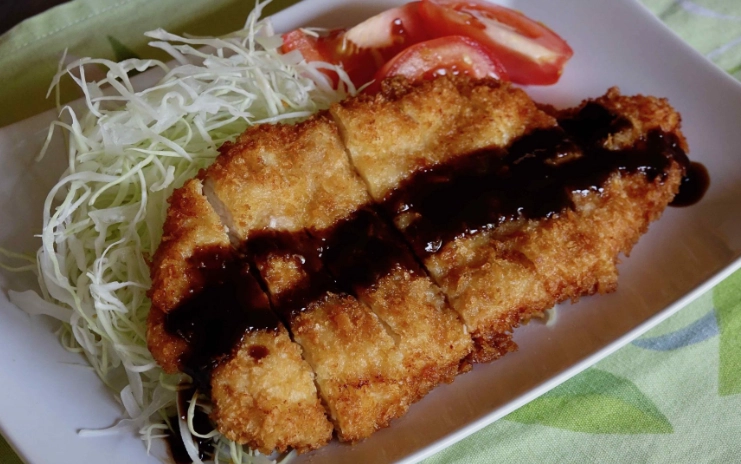
3. The Breading Technique
Dredge a chicken piece in the flour, shaking off the excess. Dip it completely in the egg, letting the excess drip off. Finally, press it firmly into the panko. Don't just lay it on top—press, then flip, and press again. You want a solid, even coat. For extra crunch, some people do a double-dip in egg and panko. It works, but a single, proper press is often enough.
4. Frying to Golden Perfection
Heat 1.5 to 2 inches of oil in your pot to 340-350°F (170-175°C). Use a thermometer. Guessing leads to greasy or burnt katsu. Gently lower a breaded chicken piece into the oil. Don't crowd the pot—fry in batches. It should take about 5-7 minutes, flipping once halfway, until deeply golden brown. The sound changes from a violent sizzle to a quieter, steady bubble when it's close to done.
Immediately transfer to a wire rack. Let it rest for 5 minutes. This is crucial—the residual heat finishes cooking the chicken, and the crust sets.
Pro Tips for the Crispiest Katsu Ever
These are the little things most recipes gloss over.
Dry the Chicken: Pat the chicken breasts bone-dry with paper towels before you do anything. Moisture is the enemy of adhesion.
Chill Before Frying: After breading, let the chicken rest on a plate in the fridge for 15-30 minutes. This helps the coating set and adhere better during frying.
Maintain the Oil Temp: The temperature will drop when you add the chicken. Adjust the heat to keep it in that 340-350°F window. If the oil is too cool, the katsu absorbs oil. Too hot, the outside burns before the inside cooks.
Use Tongs and a Spider Skimmer: Tongs for placing the chicken in the oil, a spider skimmer or slotted spoon for turning and removing it. It's gentler on the crust than stabbing it with a fork.
Serving & Dipping Sauces
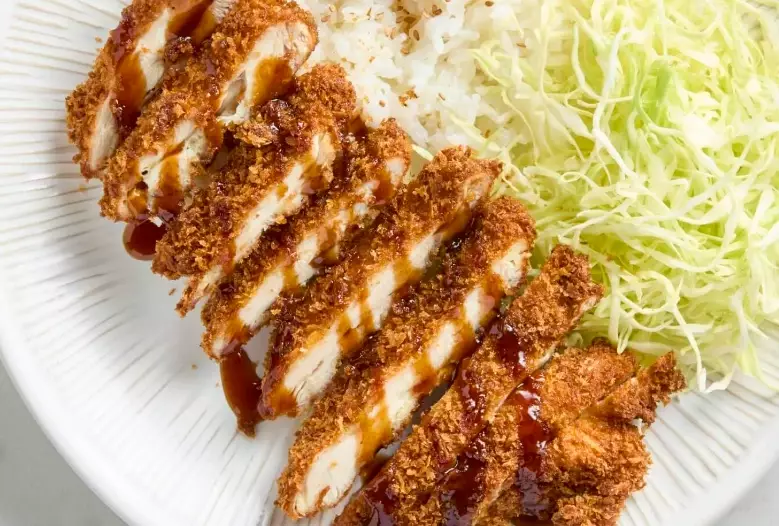
Slice the rested katsu against the grain into 1-inch strips. This showcases the juicy interior.
The Classic Plate: A bed of finely shredded cabbage (it provides a cool, crunchy contrast), a scoop of steamed short-grain Japanese rice, the sliced katsu, a lemon wedge, and a generous drizzle of tonkatsu sauce.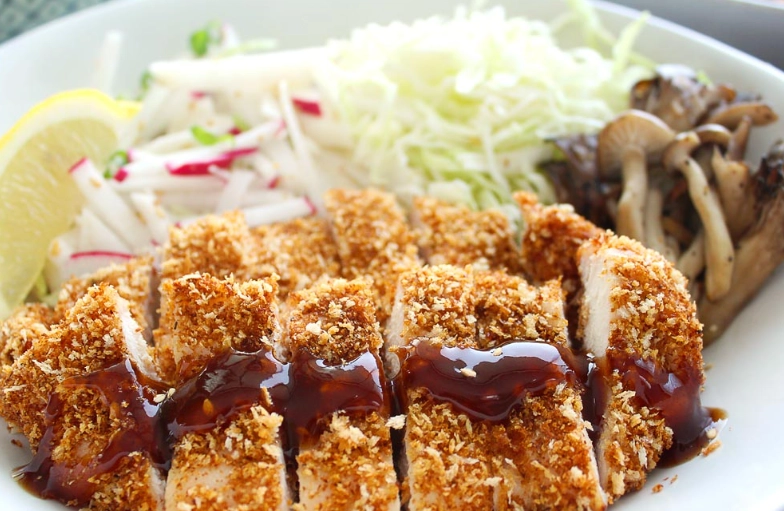
Homemade Tonkatsu Sauce (5-Minute Version)
Why make it? Because you control the balance. Mix together: ¼ cup ketchup, 2 tablespoons Worcestershire sauce, 1 tablespoon soy sauce, 1 tablespoon mirin (or a pinch of sugar), and ½ teaspoon of Dijon mustard. Whisk. Taste. Add a touch more sugar if you like it sweeter, or a dash of oyster sauce for depth. It's infinitely better than most store-bought versions.
Common Chicken Katsu Mistakes (And How to Avoid Them)
Mistake 1: Not pounding the chicken evenly. Result? The thin parts overcook and dry out while you wait for the thick part to cook through. Use that mallet.
Mistake 2: Rushing the breading station. Coating with wet hands, not shaking off excess flour, a gloopy egg wash. Keep one hand for dry steps (flour, panko) and one for wet (egg) to avoid clumpy fingers.
Mistake 3: Frying at the wrong temperature. No thermometer? Drop a small panko flake in the oil. If it sizzles vigorously and rises to the top immediately, it's ready. If it sinks or burns instantly, adjust.
Mistake 4: Cutting immediately after frying. You'll lose all the juices. Let it rest on the rack for a full 5 minutes. The crust will stay crisp.
Chicken Katsu Variations to Try
Once you've mastered the classic, play around.
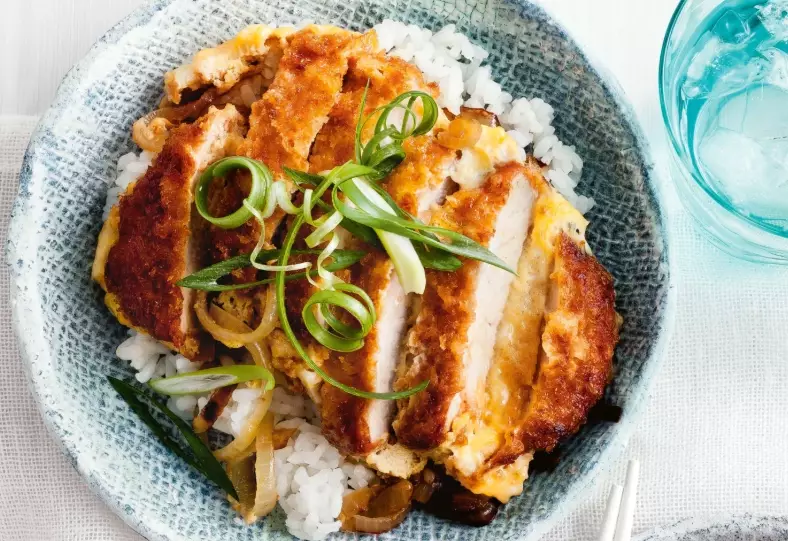
Chicken Katsu Curry (Katsu Curry): The ultimate comfort food. Make or heat a Japanese curry roux (like those from S&B or House Foods). Pour it over rice and place your sliced katsu on top. The crisp crust slowly soaks up the curry—it's transformative.
Katsu Sando: A Japanese sandwich. Use soft, crustless white bread (shokupan is ideal), a layer of tonkatsu sauce or Japanese mayo, shredded cabbage, and a piece of katsu. Press lightly, cut into rectangles, and enjoy.
Cheese Katsu: Place a slice of mild cheese (like mozzarella or a mild cheddar) on the chicken before breading. Seal the edges well. When you bite in, you get a stretchy, melty surprise.
Your Questions, Answered
There you have it. Making exceptional chicken katsu at home isn't a mystery. It's a process of respecting a few key steps: proper prep, the right breadcrumbs, controlled frying, and patience. Skip the takeout menu. The satisfaction of slicing into a cutlet you made, hearing that crisp crackle, is worth every minute.
Reader Comments