Your Curry Roux Roadmap
You've got the vegetables, the protein, maybe even some nice Japanese short-grain rice. You drop that store-bought curry roux block into the pot, stir, and wait. But the result is... fine. Just fine. It's missing that deep, complex, restaurant-quality depth. It might be a bit too sweet, or the sauce is thin and lacks body.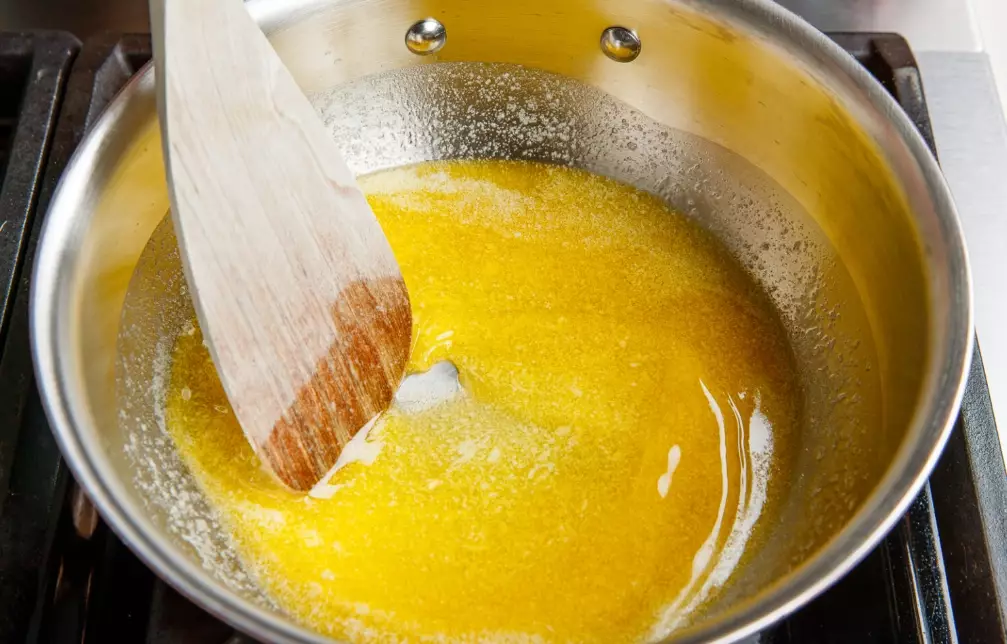
I've been there. For years, my curry was a weekly, slightly disappointing ritual. The turning point wasn't a fancy ingredient; it was understanding the curry roux block itself—not as a magic cube, but as a tool. This guide is what I wish I'd had: a deep dive into transforming that humble block into a foundation for incredible meals.
What Exactly is Curry Roux? (It's Not Just Spices)
Most people think a curry roux is just solidified spices. That's only half the story. At its core, a curry roux is a pre-cooked mixture of fat (usually palm or vegetable oil), flour, and a concentrated blend of spices, seasonings, and often fruits or stocks.
The fat and flour have already undergone the Maillard reaction—that browning process that creates deep, toasty, nutty flavors. The spices have been bloomed in the fat to release their essential oils. This is the real magic. When you buy a block, you're buying a finished flavor base, not just raw ingredients. It's the reason Japanese home curry is so accessible and consistent.
How to Choose the Best Curry Roux Brand
Walk down the aisle of an Asian supermarket like Mitsuwa Marketplace or H Mart, and you'll face a wall of options. The price difference is usually minimal ($3-$6 per box), so the choice is about flavor profile. Here’s the breakdown of the major players, based on my own (sometimes excessive) taste-testing.
| Brand | Spice Level (Typical) | Flavor Profile & Texture | Best For |
|---|---|---|---|
| House Foods Vermont Curry | Mild to Medium Hot | Fruity, sweet (apple & honey), mild spice, velvety smooth sauce. The "gateway" curry. | Families, kids, first-timers, or a sweeter, comforting curry. |
| S&B Golden Curry | Mild to Extra Hot | Well-balanced, savory, slightly more peppery than Vermont. Classic, reliable texture. | The all-purpose standard. What most people picture as "Japanese curry." |
| Java Curry (by House Foods) | Medium to Very Hot | Robust, deeply savory, less sweet, with a more adult, complex spice blend. | Those who find Vermont too sweet. Great with beef or pork. |
| Kokumaru Curry | Varied | Distinctly fruity & aromatic (often with raisin or prune notes), thinner sauce style. | A different, more stew-like experience. Popular in certain Tokyo curry shops. |
| Premium Brands (e.g., Zeppin) | Varied | Often use multiple roux types, longer spice lists, and premium fats like butter. | When you want a restaurant-grade base without making roux from scratch. |
My personal workhorse is S&B Golden Curry in Medium Hot. It's the balanced center point. I keep a box of Java Hot for when I want more punch. A pro tip? Mix two brands. Try one block of Vermont Sweet with one block of Java Medium. The complexity you get is phenomenal.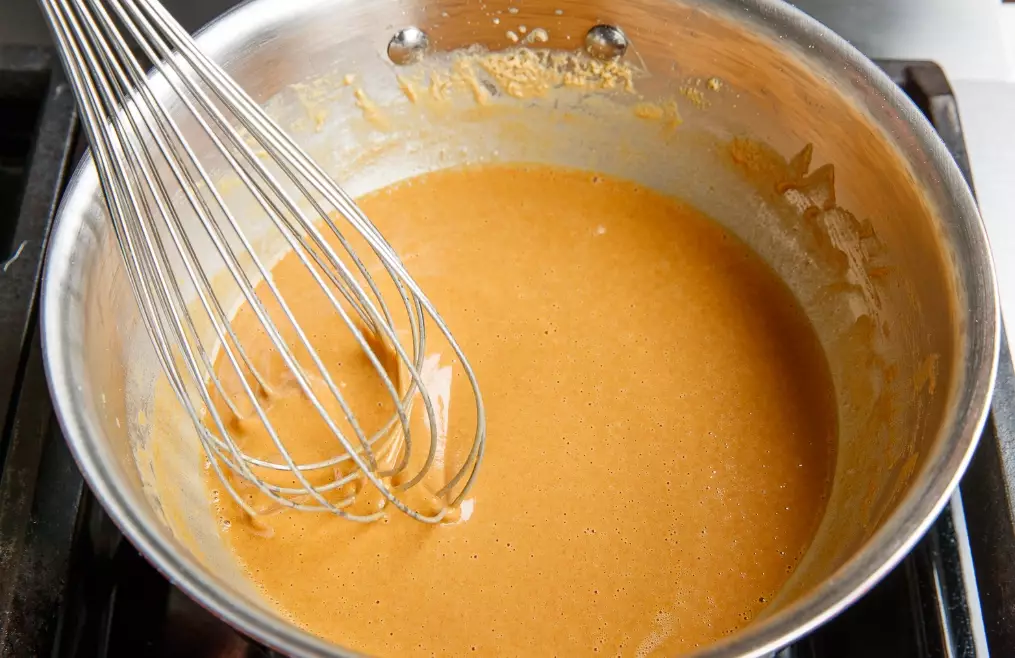
How to Cook with Curry Roux: A Step-by-Step Guide
Here’s where most instructions fail. They say "simmer ingredients, add roux, stir, serve." That's how you get a one-dimensional, gluey sauce. Follow this sequence instead.
The Foundation: Building Flavor in the Pot
Start with your aromatics. I use a mix of finely grated apple (trust me, it dissolves and adds a background sweetness no sugar can match) and sautéed onions cooked low and slow until deeply caramelized. This can take 20-30 minutes, but it's non-negotiable for depth. Add your protein (chicken thighs, beef stew meat, tofu) and brown it well. Then, add water or, better yet, a low-sodium chicken or vegetable stock. The Japan Curry Association notes in its cooking guides that starting with a flavorful liquid is the first step to a superior result.
The Critical Moment: Incorporating the Roux
Turn off the heat. Yes, off. Break your roux blocks into small pieces and scatter them over the surface of the hot broth. Let them sit for a full 60-90 seconds. You'll see them start to glisten and soften. This is the secret. If you stir immediately, the flour in the roux can clump against the cooler ingredients, creating a grainy texture.
Now, use a whisk. Whisk gently but thoroughly, starting in the center, until the roux is fully dissolved and the sauce is uniform. Only then turn the heat back on to the lowest possible setting.
The Final Simmer: Letting it Marry
Simmer gently for 10-15 minutes, uncovered, stirring occasionally. This isn't just to heat it through. This simmer allows the starch in the roux to fully hydrate and swell, thickening the sauce to a lush, glossy consistency. It also lets the flavors from your ingredients fully integrate with the roux base. You'll see the sauce transform from thin and separate to cohesive and rich.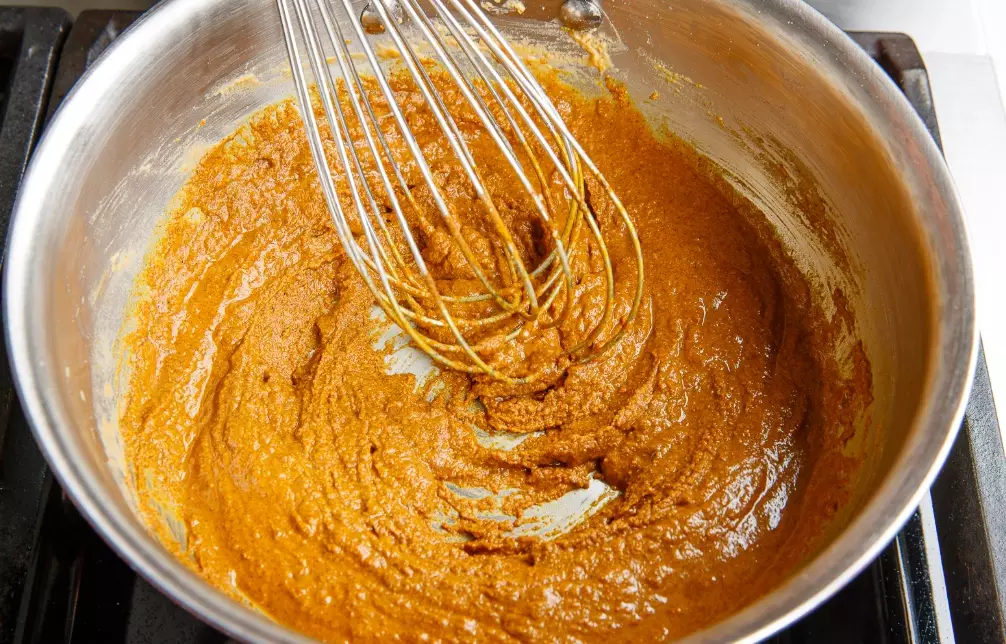
Advanced Curry Roux Techniques and Troubleshooting
So your sauce is too thin, too thick, or tastes flat. Here’s how to fix it, and how to elevate it.
Sauce too thin? You added the roux to a boiling pot. The rapid bubbles break the thickening power. Turn off the heat, dissolve a little extra roux in a ladle of your hot sauce, then whisk it back in. Simmer gently for 5 more minutes.
Sauce too thick or gloppy? You used too little liquid or simmered too long. Thin it out with warm water or stock, a splash at a time, whisking well after each addition.
Tastes bland or one-note? This is the most common issue. The roux is a base, not the finale. Finish your curry with acidity and umami. A tablespoon of tonkatsu sauce, a splash of rice vinegar, or a teaspoon of soy sauce just before serving works wonders. A pat of butter stirred in at the end adds incredible richness and sheen—a trick many Tokyo curry houses, like the famous Curry House CoCo Ichibanya, use.
A mistake I made for years: overseasoning with salt early on. Remember, the roux block is packed with salt and MSG. Always season your final dish at the very end.
Beyond the Block: Customizing Your Curry
The real joy begins when you stop seeing the box as the recipe. Think of it as your canvas.
For a Hearty Beef Curry: Use Java Curry as a base. Sauté mushrooms with your onions. Add a tablespoon of instant coffee granules or a square of dark chocolate with the roux for a deeper, more savory note. Finish with a dash of red wine.
For a Vegetarian Delight: S&B Golden Curry is great here. Load up on root vegetables—sweet potato, carrot, parsnip. Use a robust vegetable stock. A spoonful of miso paste dissolved at the end adds fantastic umami depth.
The "Secret" Ingredient Hack: Many Japanese home cooks add a grated apple or a bit of applesauce during the sauté stage (as mentioned earlier). But another one is a small, grated piece of ginger and a clove of grated garlic added just before the liquid. These fresh notes cut through the richness beautifully.
Don't be afraid to browse the websites of major roux manufacturers like House Foods or S&B Foods. They often have recipe databases that showcase the versatility of their products, far beyond the basic chicken curry.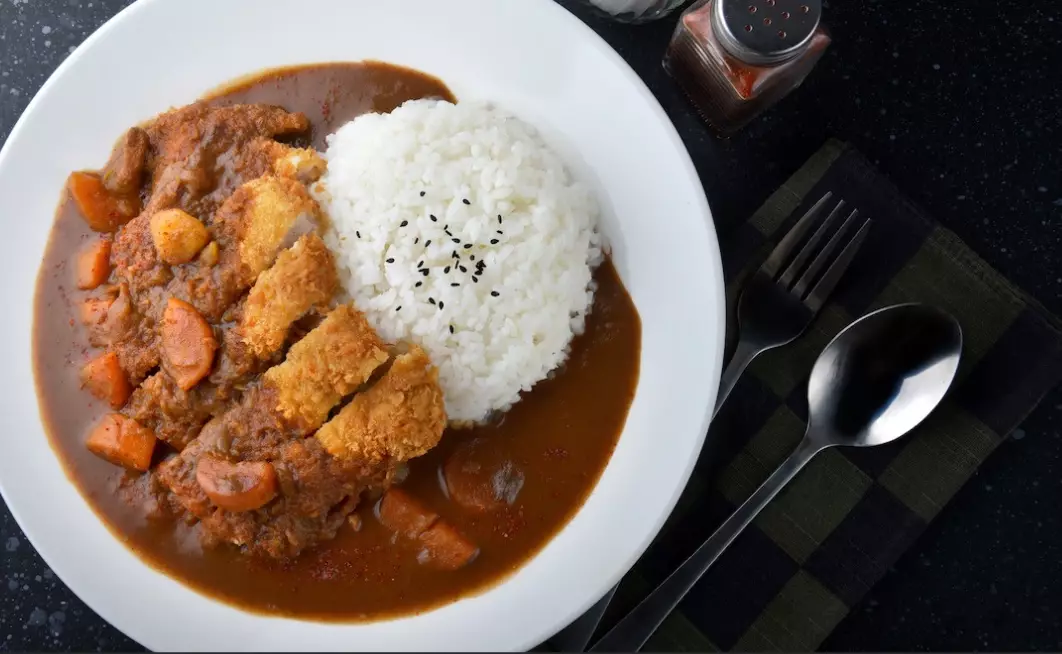
Your Curry Roux Questions, Answered
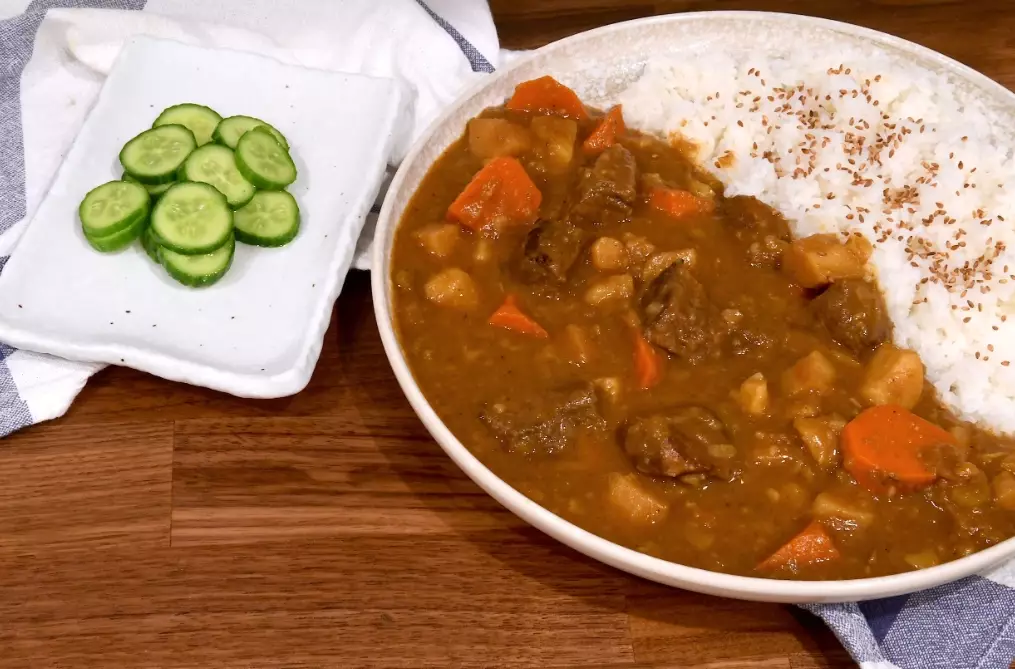 Mastering the curry roux isn't about following a single perfect recipe. It's about understanding that little block of concentrated potential. It's about knowing when to turn the heat off, what to add at the end, and how to make it your own.
Start with a good brand. Build a flavorful foundation. Respect the roux by adding it off the heat. And never be afraid to tweak the final result with a dash of something bright or savory. That's how a simple weeknight meal becomes something you're genuinely proud to serve.
Reader Comments