Quick Navigation
- Why Bother Making Ramen Noodles from Scratch?
- The Secret Sauce: It's Not a Sauce, It's an Alkali
- Gathering Your Arsenal: Tools and Ingredients
- The Step-by-Step Process: From Dust to Delicious
- To Cook Now or To Store? That is the Question
- Troubleshooting Your Homemade Ramen Noodles
- Leveling Up: Playing with Hydration and Add-Ins
- Your Burning Questions, Answered (The FAQ)
- Bringing It All Together: The Perfect Bowl
Let's be honest. The instant stuff has its place—a 2 AM craving, a broke college student's feast. But that springy, chewy, slurpable noodle from a good ramen shop? That's a different beast entirely. For years, I thought it was pure magic, locked away in Japanese kitchens. Then I tried to make ramen noodles at home.
My first attempt was a disaster. A crumbly, pale mess that dissolved into mush. It was discouraging. But somewhere between that failure and my third or fourth try, something clicked. The dough came together. It had a strange, yellow hue. And after resting and cutting, I boiled them. The bite was... different. It was good. Actually, it was great. It wasn't just pasta. It was ramen.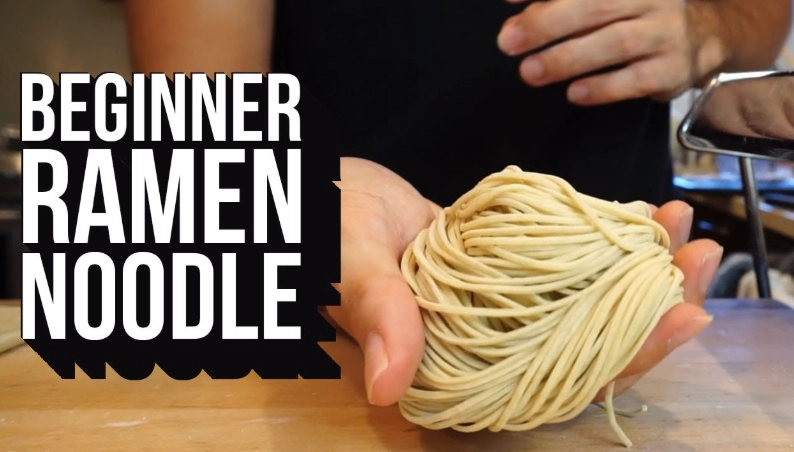
That's what this guide is for. To get you past my initial failures and straight to the good part. Learning how to make ramen noodles at home isn't just about following a recipe. It's about understanding why the dough behaves the way it does. Why that weird ingredient called "kansui" is non-negotiable. Why patience is your most important tool.
We're going deep. No fluff, no vague instructions. Just a clear, step-by-step path from flour and water to a bowl of noodles you'll be genuinely proud of.
Why Bother Making Ramen Noodles from Scratch?
It's a fair question. It takes time. You can buy dried ramen noodles or even fresh ones from an Asian market sometimes.
But here's the thing. Control. When you learn how to make ramen noodles at home, you control the thickness, the waviness, the level of chew. Want a super thin, straight noodle for a light shoyu ramen? You can do that. Craving the thick, wavy noodles that cling to a rich tonkotsu broth? That's in your hands too.
Then there's the taste. Commercial noodles, even the good ones, often use baked baking soda for alkalinity. It works, but it can leave a faint, soapy aftertaste if you're sensitive to it. Making your own lets you fine-tune that.
And finally, the satisfaction. It's immense. Serving a bowl of ramen where you made everything—the broth, the chashu, the noodles—is a feeling that beats any restaurant meal.
The Secret Sauce: It's Not a Sauce, It's an Alkali
This is the single most important thing to understand. What separates ramen noodles from Italian pasta or Chinese egg noodles is the use of an alkaline agent. In Japanese, it's called "kansui."
Historically, kansui was water from certain lakes in Inner Mongolia that was naturally high in potassium carbonate. Today, it's typically a blend of potassium carbonate and sodium carbonate (baking soda). This alkali does a few magical things:
- Color: It gives the noodles their distinctive yellowish hue.
- Texture: It tightens the gluten network, creating that firm, elastic, and springy bite (the "koshi").
- Flavor: It imparts the unique, slightly savory, and complex flavor profile specific to ramen. Some describe it as "eggy," even though there's no egg.
- Prevents Sogginess: The noodles hold up better in hot broth without turning mushy too quickly.
You can make a simple substitute by baking regular baking soda. Spread it on a baking sheet and bake at 250°F (120°C) for an hour. This turns sodium bicarbonate into sodium carbonate, which is more alkaline. It works in a pinch, but for the most authentic flavor and texture, I strongly recommend seeking out proper ramen noodle kansui powder online. The difference is noticeable.
Gathering Your Arsenal: Tools and Ingredients
You don't need a professional noodle-making studio. Most kitchens have 90% of what you need.
The Essential Ingredients
Keep it simple to start. Here’s your shopping list:
- Bread Flour: This is key. Its higher protein content (usually 12-13%) creates the strong gluten needed for chew. All-purpose flour will make a softer, less resilient noodle. For reference, the protein content of flour is a major factor discussed by baking authorities like the King Arthur Baking Company's flour guide.
- Water: Cold, filtered is best.
- Kansui: The alkaline salt. As mentioned, you can buy this online or make the baked baking soda substitute.
- Salt: Just a pinch to strengthen the gluten further.
That's it. No egg. Many traditional ramen noodle recipes don't use egg. The richness comes from the broth and toppings.
For tools, you'll need a large bowl, a scale (crucial for accuracy), a bench scraper, plastic wrap, and a rolling pin. A pasta machine is a huge, huge help for rolling the dough evenly thin, but a determined person with a heavy rolling pin and strong arms can manage.
The one non-negotiable tool? A sharp knife or a noodle cutter for clean, consistent cuts. A dull knife will mash the dough instead of slicing it.
The Step-by-Step Process: From Dust to Delicious
Alright, let's get our hands dirty. This process has distinct phases: mixing, kneading, resting, rolling, cutting, and finally, cooking. Rushing any step will show in the final texture.
Phase 1: Mixing and the Initial Knead
First, dissolve your kansui and salt in the cold water. In a large bowl, combine your bread flour with the kansui water. Mix with a fork or your hands until it forms a shaggy, crumbly mass. It will look dry and impossible. Trust the process.
Now, dump it onto a clean, un-floured counter. Start pressing and pushing the dough together. It's stiff. It's uncooperative. This is the hardest part, physically. Knead for a good 8-10 minutes. You're not looking for smoothness yet, just a cohesive, stiff ball. If it's truly crumbling apart, add a few drops of water. Be stingy.
Your forearms will get a workout. Consider it part of the experience.
Phase 2: The First Rest (The Most Important Step You'll Want to Skip)
Wrap that ugly, stiff ball tightly in plastic wrap. Let it rest at room temperature for 30 minutes. Do not skip this. This autolyse period allows the flour to fully hydrate and the gluten strands to start organizing themselves. It transforms the dough from a tough brute into something more pliable.
Phase 3: Kneading and Rolling (The Pasta Machine's Time to Shine)
After resting, the dough will be much more workable. Unwrap it. Now, we knead and roll. If using a pasta machine, start on the widest setting. Feed the dough through. It will be ragged. Fold it into thirds, like a letter, and feed it through again on the same setting. Do this 5-6 times until the sheet is smooth.
Then, start narrowing the settings, one notch at a time, feeding the sheet through once at each setting until you reach your desired thickness. For most ramen, you want it quite thin—around 1.5 mm or so.
If rolling by hand, use a heavy pin. Roll, turn 90 degrees, roll again. Aim for a large, even rectangle. It takes practice and muscle.
Phase 4: The Second Rest and Cutting
Once your dough is rolled to thickness, let the sheet rest on the counter, covered loosely with plastic, for another 20-30 minutes. This relaxes the gluten so it doesn't shrink back when cut.
Now, cutting. Fold the sheet over itself in loose folds, dusting lightly with potato starch between layers to prevent sticking. Using a very sharp knife or a ruler-guided cutter, slice into your desired width. Thin for hakata-style, wider for sapporo-style.
Immediately fluff the cut noodles, tossing them in a bit more starch to keep them separate. You can cook them right away, or...
To Cook Now or To Store? That is the Question
Fresh noodles cook in just 60-90 seconds in rapidly boiling water. They are at their absolute peak right after cutting.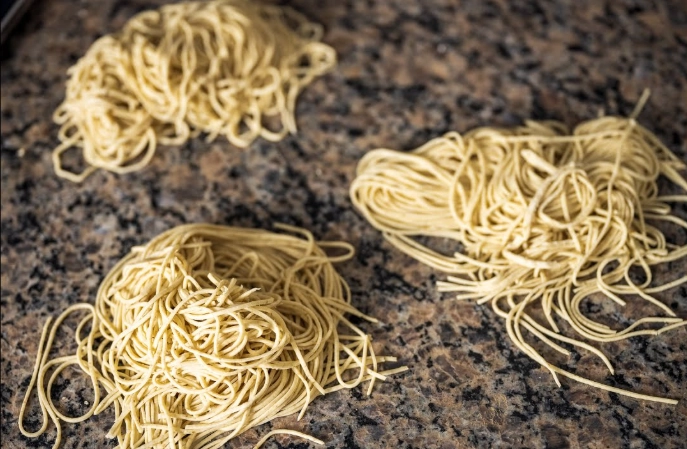
But you can also store them. For the fridge, place portions in airtight containers or bags. They'll keep for 2-3 days. For the freezer, portion them into single servings, freeze them flat on a tray, then bag them. They'll keep for a month. Cook frozen noodles directly from frozen, adding maybe 30 seconds to the boil.
Troubleshooting Your Homemade Ramen Noodles
Things will go wrong. Here's a quick cheat sheet:
| Problem | Likely Cause | How to Fix It Next Time |
|---|---|---|
| Dough is too dry and crumbly | Not enough water, or flour absorbed it too fast. | Increase water by 5-10 grams. Ensure you mix quickly after adding water. |
| Dough is too sticky and soft | Too much water, or low-protein flour. | Use bread flour. Be precise with water measurement. Add a tiny bit more flour during initial mix. |
| Noodles are too soft/mushy after cooking | Dough rolled too thick, under-kneaded, or cooked too long. | Roll thinner, knead more to develop gluten, and boil for less time. Test a single noodle first. |
| Noodles taste soapy or bitter | Too much kansui, or kansui wasn't fully dissolved. | Measure kansui carefully. Ensure it's fully dissolved in water before adding to flour. |
| Noodles break easily | Not enough gluten development, or dough was too dry. | Knead more thoroughly. Ensure proper hydration. |
Leveling Up: Playing with Hydration and Add-Ins
Once you've mastered the basic formula, you can start tweaking. This is where knowing how to make ramen noodles at home becomes an art.
- Hydration: The ratio of water to flour. A lower hydration (around 35%) makes a very firm, chewy noodle. Higher hydration (38-40%) is easier to work with but can be softer. Start at 36% and adjust to your taste.
- Egg Yolk: Adding an egg yolk or two enriches the color and flavor, making a richer noodle. You'll need to reduce the water slightly to compensate.
- Whole Wheat or Rye: Substituting 10-20% of the bread flour with a whole grain adds nuttiness and complexity. It also makes the dough trickier to work with.
- Colors and Flavors: A teaspoon of activated charcoal powder for black noodles, pureed spinach for green, squid ink for a dramatic black and briny flavor. The possibilities are endless.
Your Burning Questions, Answered (The FAQ)
Bringing It All Together: The Perfect Bowl
So you've made your noodles. Now what? You need broth, tare (seasoning sauce), aroma oil, and toppings. That's a whole other guide. But for a quick victory lap, try this: use a good-quality store-bought chicken or pork broth. Simmer it with a piece of kombu and a few shiitake mushrooms for 30 minutes to boost umami. Make a simple tare by mixing soy sauce, mirin, and a little sugar. Heat some sesame oil with a garlic clove for aroma oil.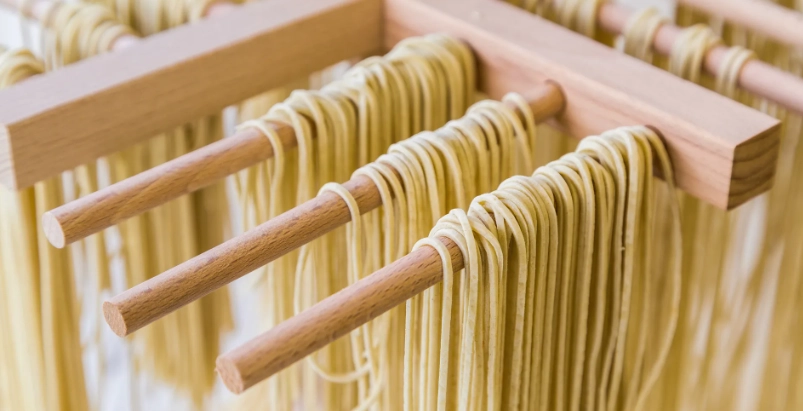
Cook your fresh noodles for 90 seconds. Drain. Add to a bowl with a couple tablespoons of tare and a ladle of hot broth. Top with a soft-boiled egg, some green onions, and a slice or two of chashu if you have it. Drizzle with the aroma oil.
Take that first slurp.
The noodle will have a bite, a spring, a slight yellow hue, and that distinct ramen flavor. It won't be like the packet. It will be better. Because you made it. You learned the real secret of how to make ramen noodles at home—it's not about perfection on the first try. It's about the process, the understanding, and the incredible reward at the end of it.
Now go get some flour. Your next bowl is waiting.
Reader Comments