Let's cut to the chase: a great dashimaki tamago—that sweet, fluffy, layered Japanese rolled omelette—should taste like a cloud with a hint of dashi. But most home cooks end up with a dense, rubbery log or a scrambled mess. After making this dish weekly for a decade, I've nailed down the precise method that bypasses all the fluff. This guide gives you the exact steps, ingredient ratios, and the one counterintuitive trick most recipes miss.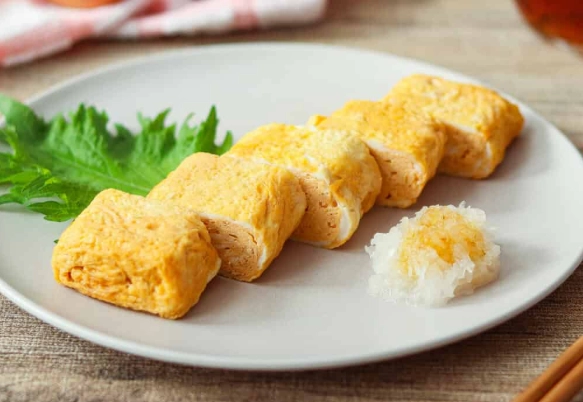
Jump Straight to What Matters
What Exactly Is Dashimaki Tamago?
Dashimaki tamago is a staple in Japanese home cooking and bento boxes. It's not just scrambled eggs rolled up. The name breaks down: "dashi" refers to the Japanese soup stock used for flavor, "maki" means roll, and "tamago" is egg. The goal is multiple thin, sweet-savory layers cooked into a neat rectangular log.
Most people think it's just for sushi chefs. Wrong. I first tried making it after a disappointing version at a cheap sushi joint—it was so sweet it tasted like dessert. At home, I burned three batches before realizing the heat control was off by a tiny margin. That's the thing: dashimaki tamago is about subtlety, not strength.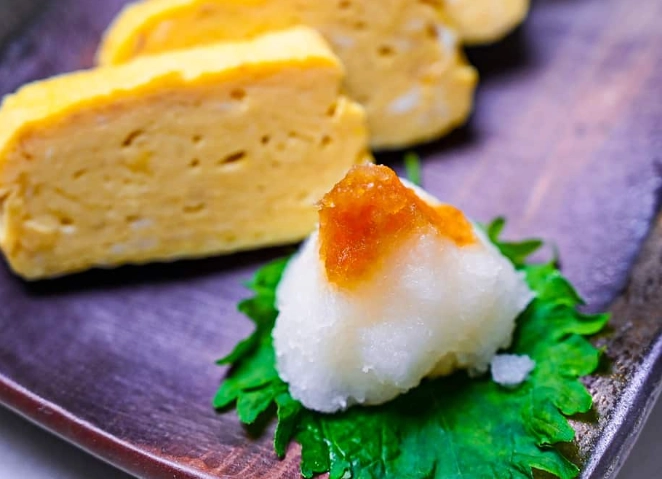
The Non-Negotiable Ingredients and Tools
You don't need a fancy tamagoyaki pan. A small non-stick skillet works if it's the right shape. Here's what you must have:
| Ingredient/Tool | Why It Matters | My Personal Pick |
|---|---|---|
| Fresh Eggs | Older eggs have thinner whites, leading to a weaker structure. Freshness equals fluffiness. | Local farm eggs, room temperature. |
| Dashi Stock | This is the soul of the dish. Instant dashi granules are fine, but homemade elevates it. | Kombu and katsuobushi dashi (I make a batch weekly). |
| Mirin and Soy Sauce | For sweetness and umami. Cheap mirin can be too syrupy—look for hon-mirin. | Takara Mirin and Kikkoman soy sauce. |
| Rectangular Pan | A tamagoyaki pan (makiyakinabe) gives clean edges, but a small oval skillet is a hack. | I use a 15cm x 18cm copper pan, but non-stick is easier for beginners. |
| Chopsticks or Spatula | For rolling. Bamboo chopsticks offer better control than silicone spatulas. | Long cooking chopsticks. |
Skip the sugar if your mirin is good quality. That's a tip I learned from a Kyoto obasan—she said extra sugar makes the layers sticky.
The Step-by-Step Process: From Eggs to Roll
This isn't a recipe you rush. Set aside 20 minutes, and follow these stages closely.
Preparing the Egg Mixture: The Ratio Secret
Crack 4 large eggs into a bowl. Don't whisk aggressively—you're not making an omelette for breakfast. Use chopsticks or a fork to cut through the eggs 20-30 times until just blended. Over-beating incorporates too much air, leading to bubbles that ruin the layers.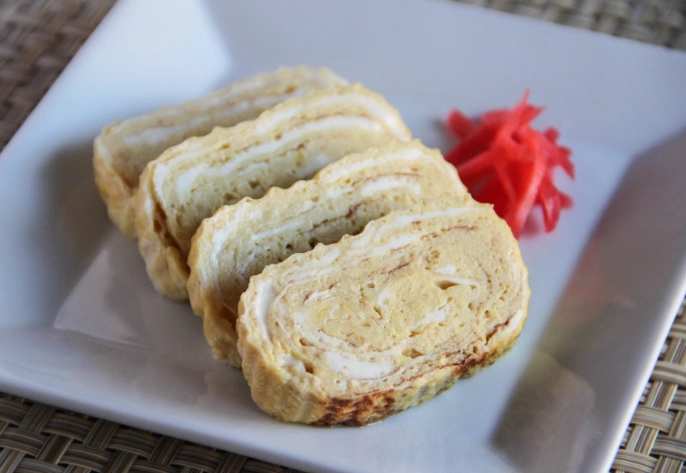
Add 2 tablespoons of dashi, 1 tablespoon mirin, 1 teaspoon soy sauce, and a pinch of salt. Strain this mixture through a fine sieve. Yes, strain. It removes chalaza and any unmixed bits, ensuring a silky texture. Most home cooks skip this, and it shows in the final product's graininess.
Cooking and Rolling: The Layer-by-Layer Dance
Heat your pan over medium-low. Test with a drop of egg—it should sizzle gently, not violently. Brush a thin layer of oil (I use vegetable oil) using a paper towel.
Pour in just enough egg to coat the bottom thinly, about 1/4 cup. Tilt the pan to spread it evenly. As soon as the surface is set but still slightly wet (about 70% cooked), start rolling from the far end toward you. Use chopsticks to lift and fold, not squeeze.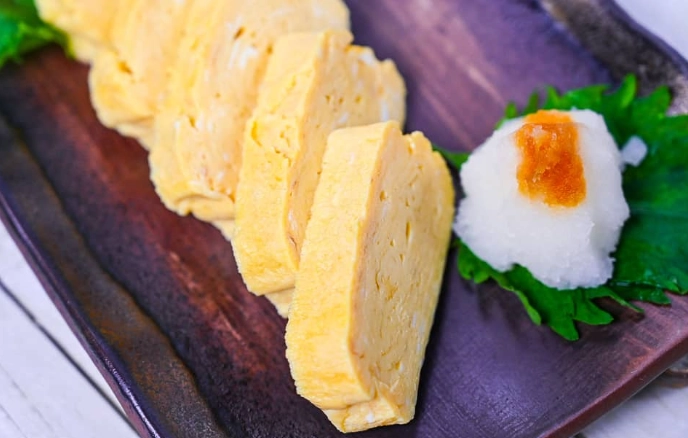
Push the roll to the far side, oil the exposed pan again, and pour another thin layer of egg, lifting the existing roll to let egg flow underneath. Repeat 3-4 times until all mixture is used. Each layer should fuse with the previous one.
The final roll should be compact but not tight. Transfer to a sushi mat or paper towel and shape gently. Let it rest for 5 minutes before slicing—this sets the layers.
Three Common Mistakes That Ruin Your Omelette
I've seen these errors over and over in cooking classes.
Mistake 1: Using cold eggs. Cold eggs cook unevenly and seize up. Take them out of the fridge 30 minutes before. If you forget, soak them in warm water for 5 minutes.
Mistake 2: Rushing the rolls. Rolling too early causes breaks; too late makes dry layers. That "70% cooked" surface is your cue—it's still glossy but not liquid.
Mistake 3: Skipping the rest time. Slicing hot dashimaki tamago squishes the layers. Let it cool slightly on a rack, not a plate where steam makes it soggy.
Pro Tips and Flavor Variations
Once you've mastered the basic dashimaki tamago recipe, try these twists.
For a richer version, add a teaspoon of grated nagaimo (mountain yam) to the egg mix. It adds a custardy texture. Some chefs swear by a dash of sake for depth, but I find it overpowers the dashi.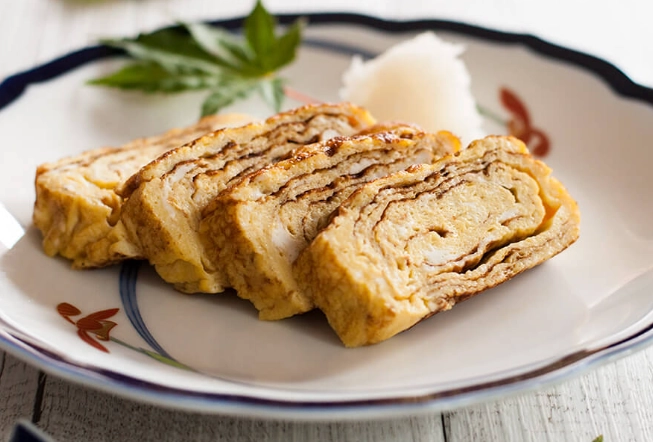
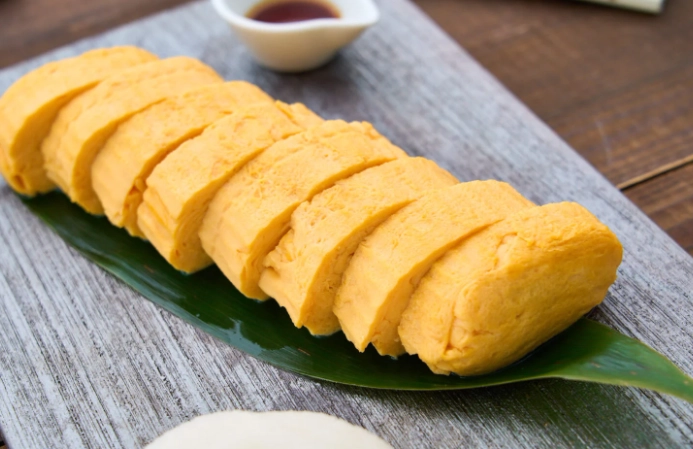
Want a green touch? Sprinkle finely chopped mitsuba or spinach on the first layer before rolling. For a bento staple, make a larger batch and slice into rectangles—they keep for 2 days in the fridge.
If you lack dashi, use a mix of water and a pinch of dashi powder, but homemade stock from resources like Just One Cookbook (a trusted Japanese recipe site) makes a world of difference. I often reference their dashi guide for ratios.
Your Dashimaki Tamago Questions Answered
Reader Comments