In This Guide
- So, What Exactly Is Aburasoba?
- The Heart of the Matter: Deconstructing the Aburasoba Sauce
- Choosing Your Noodles & Toppings
- The Step-by-Step Aburasoba Recipe: No More Guesswork
- Leveling Up: Variations on the Classic Aburasoba Recipe
- Your Aburasoba Questions, Answered
- The Final Mix: Bringing It All Home
Let's be honest, the first time you see a bowl of aburasoba, it looks a bit... wrong. Where's the soup? It's just a pile of noodles with some meat and veggies on top, maybe an egg, all glistening with oil and sauce. It seems too simple to be any good. I thought the same thing. But then you mix it all up, take that first bite, and wow. The flavor is intense, rich, and clings to every strand of noodle in a way broth-based ramen just can't. It's a different beast entirely, and once you get it, you're hooked.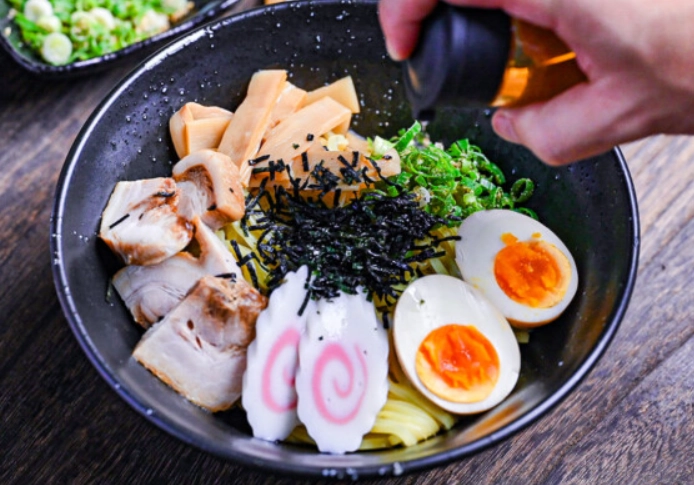
That's why I spent a good chunk of last year deep in an aburasoba rabbit hole. I messed up more batches than I care to admit—noodles too sticky, sauce too salty, pork too dry. But through all those (sometimes disappointing) dinners, I figured out what makes this dish tick. This isn't just another recipe you find online; it's a breakdown of everything I learned, so you can skip the failures and go straight to a killer bowl of Japanese oil noodles at home.
We're going to cover the real deal here. Not just a list of ingredients and steps, but the why behind them. What makes a great aburasoba recipe work? How do you balance that sauce? And what can you do if you don't have a specific ingredient? Consider this your one-stop shop for all things aburasoba.
So, What Exactly Is Aburasoba?
Before we dive into cooking, let's clear up what we're making. "Abura" means oil, and "soba" in this context refers to the Chinese-style wheat noodles used (not to be confused with buckwheat soba). Put simply, it's a soupless noodle dish where the flavor comes from a seasoned, oily sauce that coats the noodles. It's a cousin to tsukemen (dipping noodles), but instead of dipping, you mix everything together in the bowl.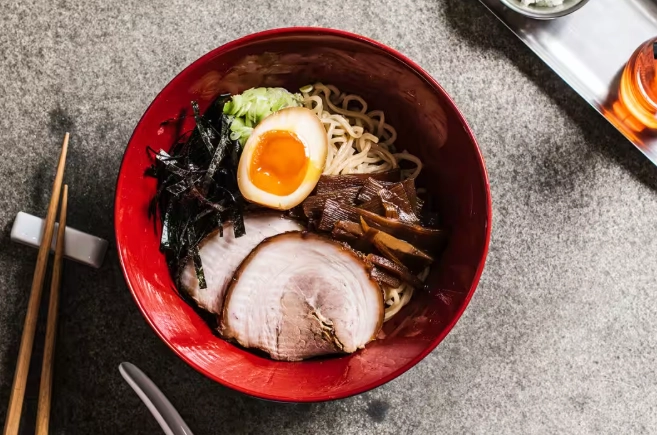
Its origins are a bit murky, but it's widely believed to have evolved in Tokyo's ramen scene as a quicker, more flavor-concentrated alternative to ramen. Without the need to simmer broth for hours, it became a popular lunch option. The beauty is in its simplicity and the powerful, direct hit of umami.
The Heart of the Matter: Deconstructing the Aburasoba Sauce
Forget the noodles and toppings for a second. The sauce—or "tare"—is the soul of your dish. Get this wrong, and no amount of fancy toppings will save it. It's a potent blend of savory, sweet, and rich elements.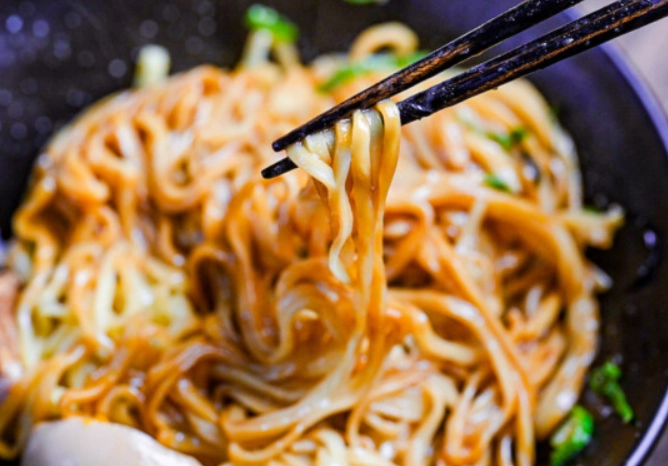
The Core Components
Every good aburasoba recipe hinges on a balance of four key elements in the sauce:
- The Salty-Umami Base: This is your flavor foundation. Soy sauce is non-negotiable. But not just any soy sauce. For depth, I prefer a mix of regular koikuchi shoyu and a darker, richer one like tamari. Some recipes use a touch of salt or dashi powder to round it out. The Japanese Ministry of Agriculture, Forestry and Fisheries even notes the importance of soy sauce types in Japanese cuisine, which absolutely applies here.
- The Richness (The "Abura"): This is what gives the dish its name and luxurious mouthfeel. Chicken fat (schmaltz) is traditional and incredible—it adds a meaty depth you can't get from oil. Rendered pork fat (lard) is another fantastic option. For a simpler home version, a good neutral oil like canola or rice bran oil works, but toasting a garlic clove or some ginger in it first can add a flavor layer.
- The Sweetness & Complexity: Pure sugar can be harsh. Mirin (sweet rice wine) is the gold standard—it adds sweetness and a subtle acidity. If you don't have mirin, a tiny bit of sugar dissolved in water or sake is a decent pinch-hitter, but it's not quite the same.
- The Aromatic Kick: This is where you personalize it. Finely minced garlic, grated ginger, rayu (chili oil), or a dash of black vinegar can transform the sauce from good to "can I drink this?"
Balance is everything. Too much soy sauce and it's inedibly salty. Too much fat and it's greasy. It's a dance.
My Go-To Base Aburasoba Recipe Sauce Formula
After many trials, this ratio has never failed me for one serving. Think of it as your starting point.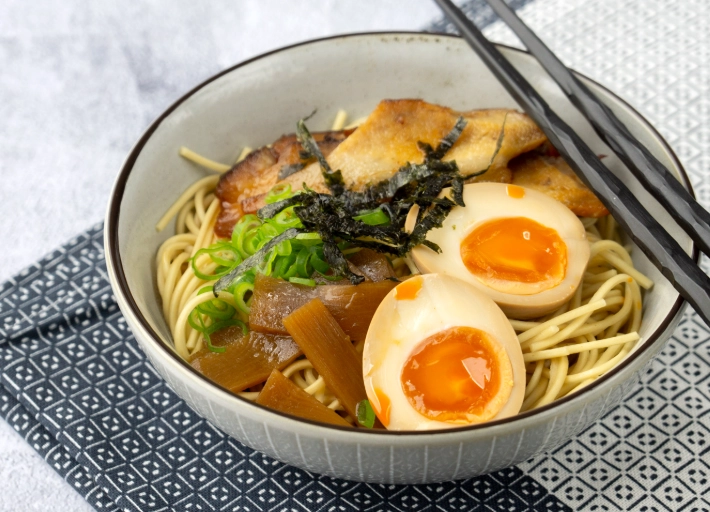
• 1.5 tbsp Soy Sauce (I use 1 tbsp regular, 0.5 tbsp dark soy)
• 1 tbsp Rendered Chicken Fat or Neutral Oil
• 2 tsp Mirin
• 1/2 tsp Rice Vinegar (optional, for brightness)
• 1 small clove Garlic, microplaned or crushed into a paste
• A few drops of Sesame Oil (careful, it's powerful!)
You just whisk it all together in the bottom of your serving bowl. That's it. The warmth of the noodles will wake up the garlic and meld everything together later.
Choosing Your Noodles & Toppings
Now that the sauce is sorted, let's build the rest of the bowl.
The Noodle Truth
You want fresh or dried ramen noodles—the kind made with kansui (alkaline mineral water). They're chewy, yellow, and stand up to the thick sauce. Soba (buckwheat) or udon noodles just don't work the same way; they have a different texture and flavor profile that clashes. If you're in a real bind, dried spaghetti cooked al dente can be a surprising and not-terrible substitute, but it's a last resort. The chew is paramount.
Toppings: The Supporting Cast
Toppings add texture, contrast, and extra flavor. Here’s a breakdown of the classics and some fun twists.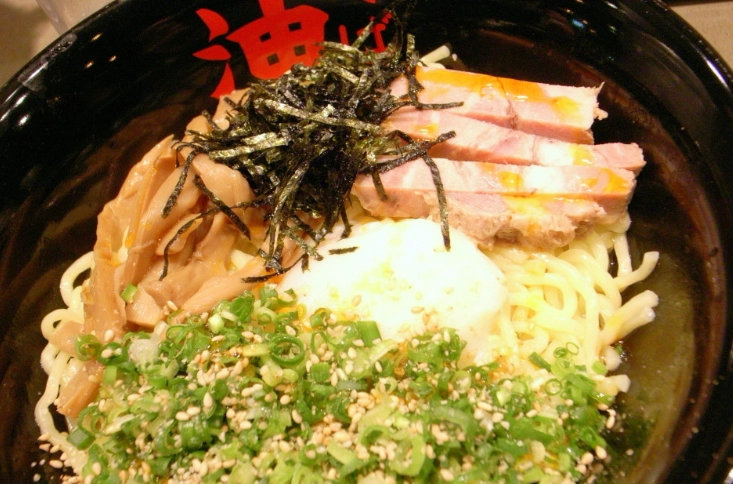
| Topping | Purpose | Preparation Tip | My Personal Take |
|---|---|---|---|
| Chashu (Braised Pork) | Savory, meaty richness. | Slice it thin and warm it slightly. Leftover roast pork or even thick-cut bacon works. | Homemade is best, but store-bought char siu from an Asian market is a huge time-saver and still delicious. |
| Menma (Seasoned Bamboo Shoots) | Crunch and a fermented, savory note. | Rinse canned menma if too salty. Sauté briefly in a bit of the abura sauce for extra flavor. | I love the texture, but if you can't find it, sautéed sliced shiitake mushrooms are a great earthy substitute. |
| Negi (Green Onions) | Fresh, sharp bite to cut the richness. | Slice very thinly on a sharp diagonal. | Don't skip this. It's not just garnish; it's essential for balance. |
| Nori (Seaweed) | Salty, oceanic flavor and texture. | Cut into strips or small squares. Add just before eating so it stays crisp. | A little goes a long way. Toasting it lightly in a dry pan first is a game-changer. |
| Ajam Tamago (Marinated Egg) | Creamy, sweet-savory luxury. | Soft-boil (6.5 minutes), peel, marinate in a mix of soy, mirin, water for 4-12 hours. | The single best topping. A runny yolk mixing into the sauce is next-level. Worth the extra step. |
You don't need all of these. A simple bowl with just an egg, some green onions, and a sprinkle of nori can be absolutely perfect if your sauce is on point.
The Step-by-Step Aburasoba Recipe: No More Guesswork
Alright, let's put it all together. Here’s the exact process I follow every time.
Step 1: The Mise en Place (A Fancy Term for "Get Ready")
This dish comes together fast once the noodles are cooked. Have everything prepped and in little bowls. Make your sauce directly in the serving bowl. Slice your chashu, chop your negi, get your nori ready. Trust me, you'll thank yourself later when you're not scrambling with hot noodles.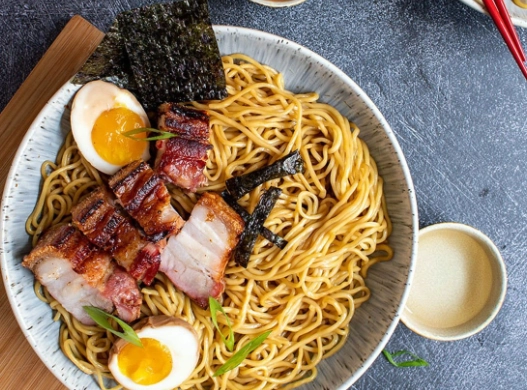
Step 2: Cook the Noodles. Properly.
Bring a large pot of water to a rolling boil. No salt needed if your noodles are pre-seasoned (check the package). Add the noodles and stir immediately to prevent sticking. Cook according to package directions, but taste a minute before the time is up. You want them al dente—firm to the bite. They'll soften a bit when mixed with the sauce.
Step 3: The Assembly and Mix
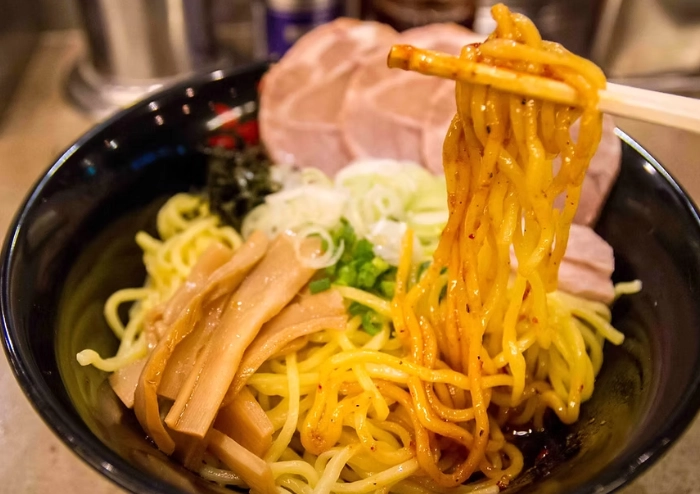
This is the fun part. Place your hot, well-drained noodles directly into the bowl on top of your waiting sauce. Immediately add your toppings (except maybe the nori). Now, with a pair of chopsticks or forks, get in there and mix like your life depends on it. You need to coat every single noodle with that glossy sauce. Lift from the bottom, fold over, until everything is uniformly combined and shiny.
The sound of the noodles slurping against the bowl as you mix is the sound of success.
Step 4: The Final Touch
After mixing, give it a final flourish. Add your nori strips, an extra drizzle of rayu if you like heat, maybe a grind of sansho pepper for a tingling citrus note. Then, dig in immediately. Aburasoba waits for no one.
Leveling Up: Variations on the Classic Aburasoba Recipe
Once you've mastered the basic formula, the world is your oyster. Here are a few popular spins.
- Mazesoba: Often used interchangeably, but true mazesoba tends to have more toppings, like minced pork, a raw egg yolk, and sometimes a spoonful of pungent fermented fish powder (katsuobushi). It's a heartier, more chaotic mix.
- Spicy Aburasoba: Add a spoonful of doubanjiang (Chinese chili bean paste) or more rayu to the base sauce. Top with fresh chili slices.
- Vegan Aburasoba: Swap the animal fats for a fragrant sesame oil/neutral oil blend. Use mushroom soy sauce. Top with roasted mushrooms, crispy tofu, and bok choy. The umami has to come from mushrooms, soy, and maybe a hint of miso.
- Butter Corn Aburasoba: A Hokkaido-inspired twist. Add a pat of good butter and sweet corn kernels to the hot noodles. The butter melts into the sauce, creating an incredibly rich, sweet-savory combo.
Your Aburasoba Questions, Answered
The Final Mix: Bringing It All Home
Look, aburasoba is forgiving. It's home cooking. Don't stress about finding the exact right brand of soy sauce or rendering your own chicken fat on day one (though I highly recommend trying it eventually). Start with the basic sauce formula, use the noodles you can find, and top it with what you like. The core principle is this: savory, oily sauce + chewy noodles + a good mix = comfort in a bowl.
It's become my go-to meal when I want something deeply satisfying but don't want to spend the whole evening cooking. The whole process, from fridge to bowl, takes about 20 minutes once you've done it a few times. And the best part? It's endlessly customizable. Play with the sauce, swap toppings based on what's in your fridge, make it your own.
So, grab your whisk, your noodles, and get mixing. Your perfect bowl of aburasoba is waiting.
Reader Comments