Quick Navigation
You've probably seen it all over Instagram or TikTok. A pristine white sandwich, sliced cleanly down the middle to reveal a row of perfect red strawberries suspended in a cloud of whipped cream, nestled between soft, crustless bread. It looks almost too pretty to eat. That's the Japanese strawberry sandwich, or "ichigo sando" (いちごサンド) if you want to sound like you know what you're talking about.
I remember the first time I tried one in a Tokyo depachika (that's the fancy basement food hall of a department store). I was skeptical. Fruit and cream in bread? It sounded like a messy, overly sweet mistake. But one bite completely changed my mind. It wasn't just a dessert; it was this incredibly balanced, textural experience—soft, creamy, juicy, and subtly sweet. The bread was a revelation, not an afterthought.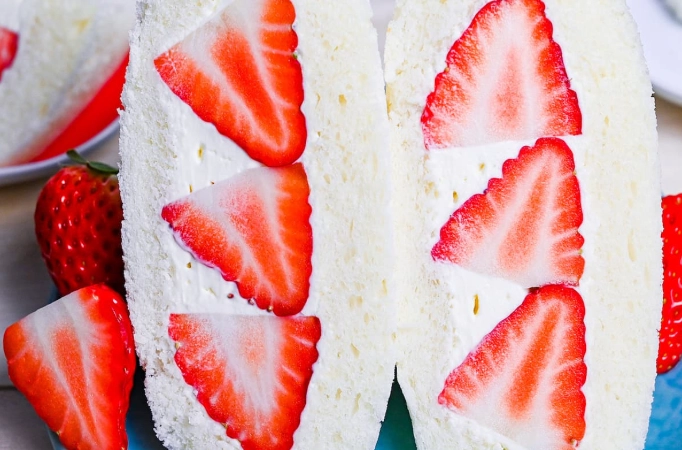
This guide is here to fix that. We're going deep, past the pretty pictures, into the real how and why. Whether you want to make an authentic version at home or just understand what the fuss is about before you buy one, I've got you covered. Let's ditch the foodie hype and talk about what actually makes a Japanese strawberry sandwich work.
What Exactly Is a Japanese Strawberry Sandwich?
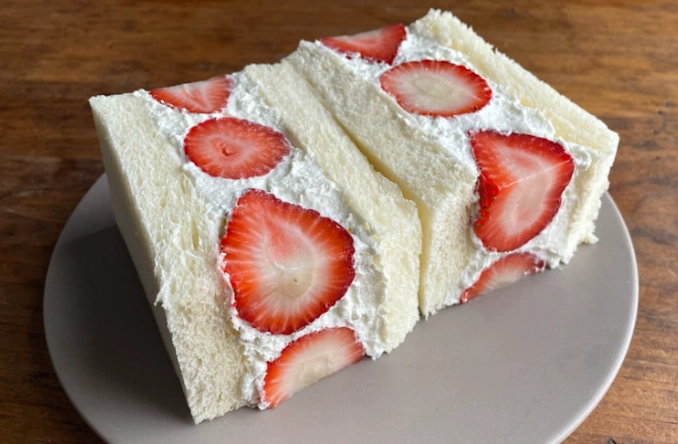
Let's clear this up first. This isn't your grandma's strawberry jam and cream cheese on wheat. The Japanese strawberry sandwich is a specific type of fruit sando (fruit sandwich) that follows a particular formula. It's a shokupan-based dessert sandwich. Shokupan is Japanese milk bread, and its unique, feathery-soft, slightly sweet, and milky texture is non-negotiable for the real deal. The filling is almost always just fresh strawberries and freshly whipped, lightly sweetened cream. No custard, no jam (usually), no buttercream.
The goal is harmony and aesthetic precision. The strawberries are typically halved and placed cut-side-out against the bread so you get that perfect red stripe when you slice it. The cream is whipped just to soft peaks—stiff enough to hold but soft enough to melt in your mouth. The crusts are always, always trimmed off after assembly to create that clean, elegant block.
It's a treat with history, too. While fruit sandwiches likely found their way to Japan via Western influence, they were popularized in Japanese kissaten (coffee shops) and depachika as a refined, portable sweet. The Japan National Tourism Organization often highlights local food culture, and the precision and seasonality of treats like the ichigo sando are a big part of that. It's a seasonal delight, best when made with winter and spring strawberries at their peak.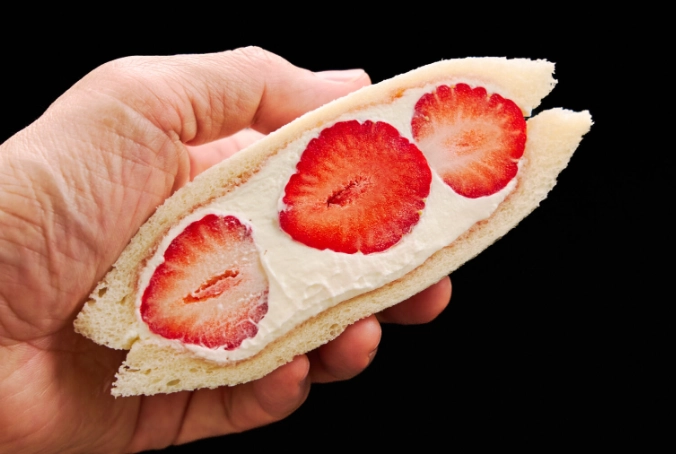
The Anatomy of a Perfect Ichigo Sando: Breaking Down the Ingredients
Fail here, and your sandwich fails. It's that simple. You can't hide poor ingredients in something this minimalist.
The Heart of It: Choosing Your Strawberries
Not all strawberries are created equal, especially for a Japanese strawberry sandwich. In Japan, varieties like the super sweet and aromatic Amaou (often from Fukuoka) or the beautifully conical Tochiotome are prized. Their flavor intensity and firm texture are ideal.
Outside of Japan, you have to work with what you've got. Here’s a quick breakdown of what to look for:
| Strawberry Trait | What to Look For | Why It Matters for Your Sando |
|---|---|---|
| Size & Shape | Medium, uniform berries. Avoid massive or tiny ones. | You need berries that will create an even layer and fit nicely in the sandwich. Uniformity is key for that iconic cross-section. |
| Firmness | Firm to the touch, not mushy. | Soft berries will bleed juice into the cream and make the bread soggy almost instantly. A firm berry holds its structure. |
| Aroma | Sweet, fragrant smell at the stem. | If it doesn't smell like a strawberry, it won't taste like one. The fragrance is a huge part of the experience. |
| Sweetness | Taste one! They should be sweet, not tart. | Since the cream is lightly sweetened, the main sweetness should come from the fruit. A tart berry throws the whole balance off. |
Wash and dry your strawberries incredibly well. I mean, pat them dry like you're prepping them for surgery. Any leftover water will ruin your whipped cream's stability.
The Cloud: Mastering the Whipped Cream
You want heavy whipping cream or a high-fat content whipping cream (36% fat or higher is ideal). Cold everything—bowl, beaters, cream. I sometimes chill my mixing bowl in the freezer for 15 minutes. Sweeten it lightly with confectioners' sugar (it dissolves better than granulated) and a tiny pinch of salt to enhance flavor. Some purists add a drop of vanilla or a tiny bit of condensed milk for depth, but that's optional.
The perfect stage is soft peaks. When you lift the whisk, the peak should form and then gently curl over at the tip. It should look lush and smooth, not grainy. This cream will be stable enough to hold the berries but delicate enough to feel luxurious.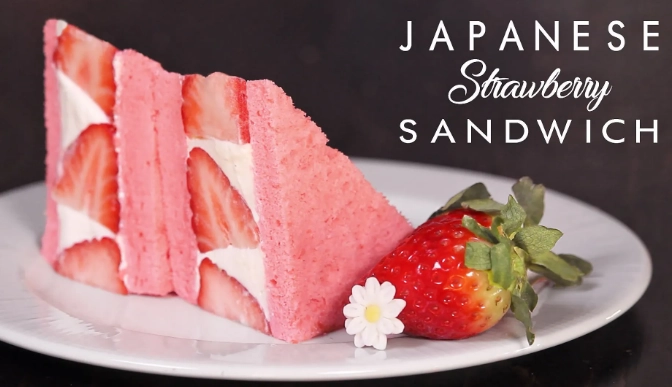
The Foundation: The Quest for the Right Bread
This might be the hardest ingredient to source outside of Japan. Standard American sandwich bread or sourdough will absolutely not work. They're too dense, too dry, or too flavorful. You need that specific, pillowy-soft, slightly sweet, springy texture of Japanese milk bread (shokupan).
Your options, in order of preference:
- Authentic Japanese Shokupan from an Asian Bakery: This is the gold standard. Go to a Japanese or well-stocked Asian bakery and ask for shokupan or Hokkaido milk bread. It often comes in a square loaf, pre-sliced thick.
- Brioche or Challah (the best substitutes): These are richer and eggier than shokupan, but their soft, tender crumb and slight sweetness make them the closest widely available substitutes. Use slices from the middle of the loaf, not the ends.
- High-Quality White Pullman Bread: If you can find a bakery that makes a soft, fine-crumbed white Pullman loaf, it can work. Avoid anything with a thick, chewy crust.
- Homemade Shokupan: If you're a baking enthusiast, this is a fantastic project. There are great recipes online that use a tangzhong (water roux) starter to create that signature soft, springy texture that stays fresh. The Japan Milk Bread Association (yes, it's a real thing) highlights the technical skill behind proper shokupan.
Whatever you choose, the slices should be about 1 cm to 1.5 cm thick. Too thin, and the sandwich structure fails. Too thick, and it's all bread.
Step-by-Step: Building Your Japanese Strawberry Sandwich (Without the Sog)
Alright, you've got your perfect berries, your softly whipped cloud, and your pillowy bread. Now for the assembly. This isn't a slap-it-together process; it's more like gentle engineering.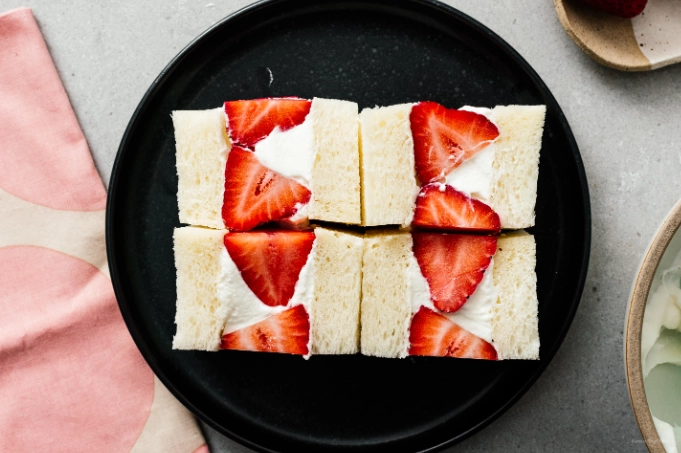
What You'll Need (for 2 sandwiches):
- 4 slices of shokupan or good substitute bread
- 10-12 medium strawberries, hulled, halved lengthwise, and dried thoroughly
- 1 cup (240ml) heavy whipping cream, very cold
- 1.5 - 2 tablespoons confectioners' sugar (adjust to taste)
- A tiny pinch of salt
- Plastic wrap or parchment paper
- A very sharp serrated knife
Step 1: Prep and Layout. Lay out two slices of bread. Take a generous amount of whipped cream and spread it evenly over one side of each slice. You want a layer about as thick as your bread slice—don't be shy. This bottom layer acts as a moisture barrier.
Step 2: The Strawberry Placement. This is the fun, precise part. Take your strawberry halves. On one cream-covered slice, place them in a row, cut-side-down, with the pointed tips facing the center. Press them gently into the cream so they stick. Leave a small border around the edges so the next bread slice can seal. The goal is to have the red curved backs of the berries pressed against the bread, so they'll be visible later.
Step 3: The Cream Glue. Now, carefully spoon or pipe more whipped cream over and between the strawberries. You need to fill all the gaps and create a slightly mounded layer. The idea is that when you put the top slice on, the cream will envelop the berries completely, with no air pockets.
Step 4: Seal and Chill. Gently place the second slice of bread on top, cream-side-down. Press down lightly, just enough to adhere. Don't smash it! Now, wrap the entire sandwich tightly in plastic wrap. This is crucial. It helps the sandwich hold its shape and allows the bread to soften slightly from the cream's moisture. Place it in the fridge, seam-side down, for at least 30 minutes, but ideally 1-2 hours. This chilling sets the cream and makes slicing clean possible.
Step 5: The Final Cut. Unwrap the sandwich. Using a very sharp serrated knife (dipped in hot water and wiped dry between cuts for the cleanest slices), trim off all four crusts. Be decisive with your cuts. Now, slice the rectangle in half, either diagonally for the classic triangle look or straight down the middle for rectangles. Wipe the knife clean after each cut.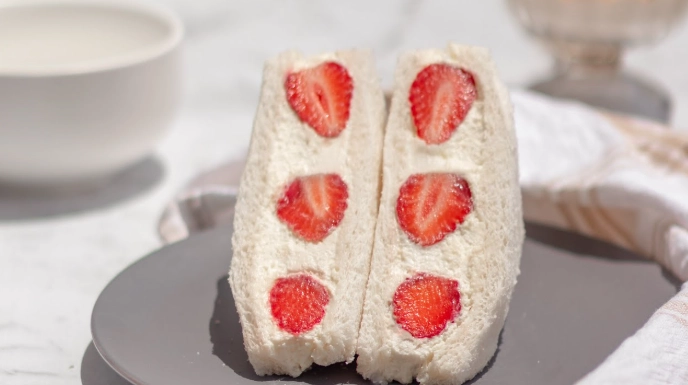
And there you have it. That perfect cross-section.
Beyond the Classic: Variations and Common Questions
Once you've mastered the basic Japanese strawberry sandwich, you might want to play around. Or maybe you have some burning questions.
Popular Variations
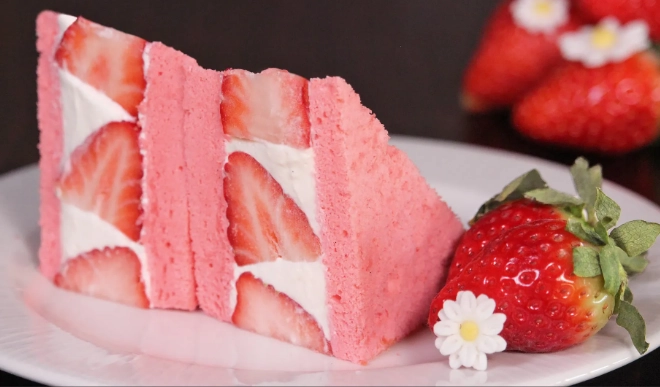
- Mixed Fruit Sando: Combine strawberries with slices of mango, kiwi, or orange. The color contrast is stunning.
- Cream Cheese Blend: Some recipes mix a bit of softened, sweetened cream cheese into the whipped cream for a tangier, more stable filling.
- Matcha or Chocolate Cream: Add a teaspoon of high-quality matcha powder or cocoa powder to the cream while whipping for a flavor twist.
- Anko (Sweet Red Bean) Addition: Spread a thin layer of tsubu-an (chunky sweet red bean paste) on the bread before the cream for a very traditional Japanese flavor combo.
The Cultural Context: More Than Just a Pretty Snack
It's easy to see the Japanese strawberry sandwich as just another photogenic food trend. But its popularity speaks to deeper aspects of Japanese food culture. There's an immense appreciation for seasonality (shun). Eating strawberries in their peak winter/spring season is part of the enjoyment. The presentation reflects omotenashi (heartfelt hospitality)—the care taken to make something visually pleasing for the recipient. Even its portability aligns with the culture of ekiben (station lunchboxes) and beautifully packaged treats to enjoy on the go.
The precision required—the even slicing, the exact berry placement—isn't just for the 'gram. It's a form of culinary craftsmanship that's valued. For more on how seasonal foods are celebrated, the Japanese Ministry of Agriculture, Forestry and Fisheries (MAFF) has resources on promoting local and seasonal agricultural products, which directly influences what you find in a fruit sando.
My personal take? Making a Japanese strawberry sandwich at home taught me to slow down. To pay attention to the feel of cream, the smell of a berry, the texture of bread. In a world of fast food, it's a quiet, delicious lesson in intention. And yeah, sometimes the cream doesn't whip right, or the bread isn't perfect. That's okay. It's still a sandwich with strawberries and cream—it's going to taste pretty good regardless.
 So, whether you're attempting to bake your own shokupan from scratch or just picking up the ingredients for a weekend treat, I hope this guide takes the mystery out of the Japanese strawberry sandwich. It's not magic. It's just good ingredients, a bit of care, and the understanding that sometimes, the simplest things, done right, are the most impressive.
Now go make one (or find one). And don't forget to slice it carefully—that first reveal is half the fun.
Reader Comments