Quick Navigation
- Why Your Takoyaki Deserves a Homemade Teriyaki Glaze
- The Core Formula: What Goes Into Authentic Takoyaki Teriyaki Sauce?
- The Foolproof Recipe: How to Make Teriyaki Sauce for Takoyaki, Step-by-Step
- Pro Tips, Tricks, and Salvage Operations
- Storing Your Masterpiece and Other Uses
- Frequently Asked Questions (All the Little Doubts, Solved)
- The Final Drizzle
Let's be real for a second. You've spent all that time carefully mixing your takoyaki batter, chopping up the octopus (or whatever filling you're using), and painstakingly turning those little balls with your picks. The last thing you want is to drown your beautiful, crispy-on-the-outside, fluffy-on-the-inside creations in a gloopy, overly sweet, or just plain boring sauce from a bottle. It feels like a letdown, right? I've been there. That's exactly why learning how to make teriyaki sauce for takoyaki from scratch is a game-changer. It's not just about taste; it's about the pride of making the whole thing yourself. And guess what? It's embarrassingly easy, takes less than 10 minutes, and uses ingredients you probably already have. This isn't just a recipe; it's your ticket to takoyaki that tastes like it came straight from a Japanese festival stall.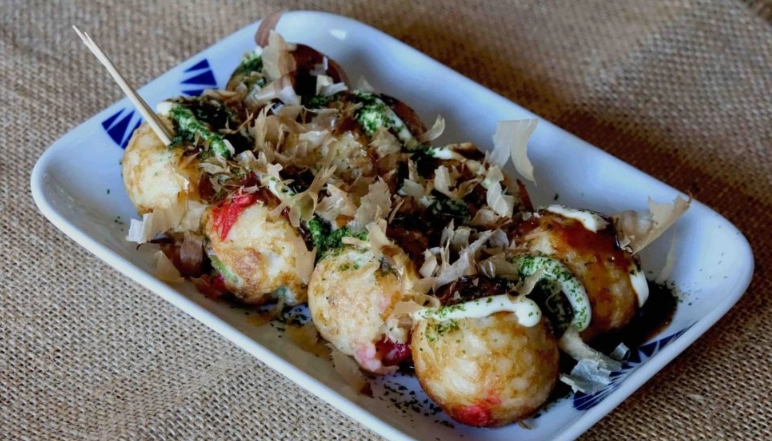
Why bother making it yourself? Control. You control the sweetness, the saltiness, the thickness, and you skip all the preservatives and weird additives. Once you taste the difference, you'll never go back.
Why Your Takoyaki Deserves a Homemade Teriyaki Glaze
Store-bought sauces have their place—convenience. But for takoyaki, the sauce is half the experience. A good teriyaki sauce for takoyaki should be a perfect balance: glossy, slightly thick so it clings to the balls, savory with a hint of sweetness, and with a depth of flavor that complements the dough and fillings, not overpowers them. Most bottled versions are one-note sweet or overly salty. When you make it yourself, you can tweak it to your exact preference. Maybe you like it a bit more savory, or perhaps you want a touch more ginger flavor. The power is in your hands. Plus, the process is satisfying. Seeing simple ingredients like soy sauce and sugar transform into that iconic, glossy glaze is a little bit of kitchen magic.
The Core Formula: What Goes Into Authentic Takoyaki Teriyaki Sauce?
The beauty of this sauce lies in its simplicity. At its heart, teriyaki is built on four pillars. Think of this as your foundation. Once you master this, you can start experimenting.
The Essential Four (The "Why" Behind Each)
- Soy Sauce: This is your base, providing the savory, umami backbone. Not all soy sauces are equal. For a richer, deeper color and flavor, I prefer a Japanese dark soy sauce (koikuchi shoyu). A light soy sauce will give you a saltier, lighter-colored sauce. My personal go-to is a standard Kikkoman. It's reliable and available everywhere.
- Mirin: This is the secret weapon. Mirin is a sweet Japanese rice wine. It's not just for sweetness; it adds a complex, rounded flavor and that beautiful glossy sheen you associate with teriyaki. If you're serious about Japanese cooking, it's worth getting a bottle. (Note: Some recipes use sugar instead, but mirin's unique properties are hard to replicate perfectly.) You can check the official definition and types on the Japanese Ministry of Agriculture, Forestry and Fisheries website for more on traditional Japanese ingredients.
- Sake: Cooking sake (ryorishu) adds a layer of mild acidity and depth, cutting through the sweetness and saltiness. It also helps tenderize and adds aroma. Don't use drinking sake that's too expensive or fancy.
- Sugar: Usually granulated white sugar. This is for straight-up sweetness to balance the saltiness of the soy sauce. Some people use brown sugar for a more caramel-like note, which can be nice, but it will darken the sauce considerably.
Now, for takoyaki specifically, we often add a fifth element: dashi. A little dashi (Japanese soup stock) thins the sauce to the perfect pouring consistency and adds an incredible layer of savory umami that makes the sauce taste more complex and "complete." It's the difference between a good sauce and a great one. If you don't have dashi powder or liquid on hand, you can use water, but trust me, dashi is worth it.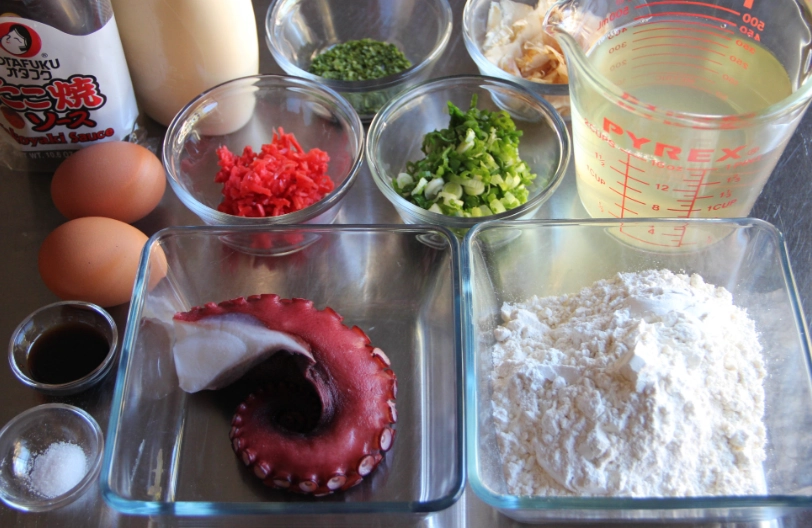
The Foolproof Recipe: How to Make Teriyaki Sauce for Takoyaki, Step-by-Step
Okay, let's get to the main event. Here’s my tried-and-true method for making teriyaki sauce for takoyaki. This makes enough for a generous batch of takoyaki, with maybe a little left over.
Classic Takoyaki Teriyaki Sauce
| Ingredient | Quantity | Notes |
|---|---|---|
| Soy Sauce | 1/4 cup (60ml) | Use standard Japanese soy sauce. |
| Mirin | 1/4 cup (60ml) | Do not substitute if possible. |
| Sake | 2 tablespoons (30ml) | Cooking sake is perfect. |
| Granulated Sugar | 2 tablespoons (25g) | Adjust to taste. |
| Dashi Stock (or water) | 1/4 cup (60ml) | Dashi is highly recommended. |
| Cornstarch | 1 teaspoon, mixed with 1 tbsp water | For thickening (slurry). |
Step 1: The Simmer. In a small saucepan, combine the soy sauce, mirin, sake, sugar, and dashi. Give it a good whisk to help the sugar start dissolving. Place the pan over medium heat.
Step 2: The Dissolve. Bring the mixture to a gentle simmer. Don't boil it aggressively. Let it simmer for about 3-4 minutes. You'll notice the smell changing from sharp alcohol (from the sake and mirin) to a richer, sweeter aroma. This step cooks off the raw alcohol taste and allows the flavors to meld.
Step 3: The Thicken. This is the crucial step for getting that perfect, clingy consistency for your takoyaki. Take your cornstarch slurry (cornstarch mixed with a little cold water—this prevents lumps) and give it another stir. While the sauce is simmering, drizzle in the slurry while constantly whisking. You'll see it start to thicken almost immediately. Let it bubble gently for another 30 seconds to a minute until it reaches a consistency that coats the back of a spoon nicely. Remember, it will thicken a bit more as it cools.
Step 4: The Cool. Remove the pan from the heat. Let the sauce cool down to at least warm before using it on your takoyaki. If you put piping hot sauce on hot takoyaki, it can make the outside soggy. I sometimes transfer it to a small glass jar or bowl and let it sit for 10-15 minutes.
And that's it! You've just made authentic teriyaki sauce. See? The process of how to make teriyaki sauce for takoyaki is straightforward. The real mastery comes in the tweaks and troubleshooting.
Pro Tips, Tricks, and Salvage Operations
Here's where I share the stuff you won't always find in a basic recipe—the lessons learned from my own (many) mistakes.
Getting the Consistency Just Right
The ideal sauce should be like a light syrup. It should drizzle from a spoon and stick to the takoyaki without immediately running off. If your sauce is too thin after adding the slurry, you can mix another 1/2 teaspoon of cornstarch with a little water and whisk it in. Let it simmer again for a minute. If it's too thick (almost like a paste), don't panic. Simply whisk in a tiny splash of warm water or dashi until it loosens up to your liking. The goal for teriyaki sauce for takoyaki is a coating consistency, not a gravy.
Flavor Balancing Act
Taste your cooled sauce. Is it too sweet? Add a tiny dash more soy sauce. Too salty? A pinch more sugar or a teaspoon of mirin can help. Want more depth? A microplane of fresh ginger added at the simmering stage is incredible. A small minced garlic clove works too, though it's less traditional. The point is, this is your sauce. Adjust it.
One common pitfall is a sauce that tastes "flat" or one-dimensional. This usually happens if you skip the simmering step or don't use mirin/dashi. The simmering is non-negotiable for flavor development.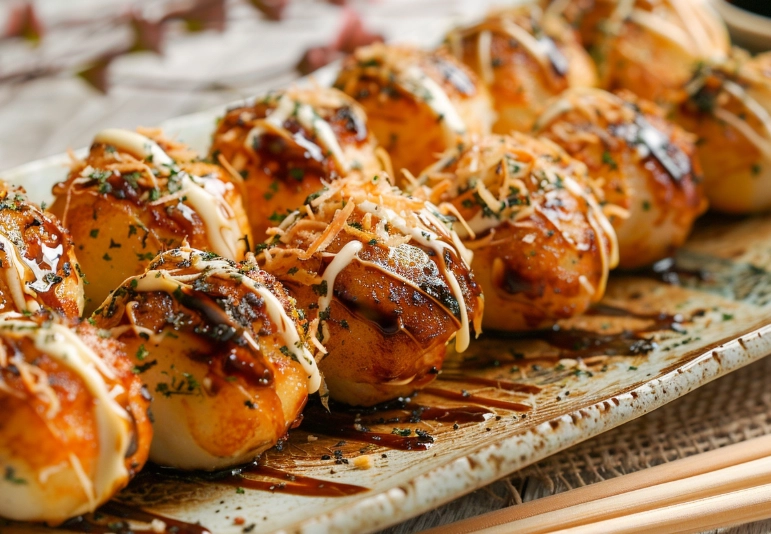
What About Substitutions? (The "I Don't Have That!" Guide)
We've all been mid-recipe and realized we're out of something. Here's how to cope:
- No Mirin? This is the toughest sub. You can use 2 tablespoons of sake plus 2 teaspoons of sugar as a very rough stand-in for 1/4 cup mirin. The flavor and gloss won't be identical, but it will work in a pinch. Some people use a dry sherry or even a sweet white wine with a pinch of sugar.
- No Sake? You can omit it and use a little extra dashi or water. A tiny splash of dry white wine or even a teaspoon of rice vinegar can add a hint of acidity, but use vinegar sparingly.
- No Dashi? Use water. It will be less flavorful, so you might want to bump up the other ingredients slightly or add a tiny pinch of MSG (which is, ironically, a component of dashi) for umami.
- Cornstarch Alternatives? Potato starch (katakuriko) is actually a more traditional Japanese thickener and gives a glossier, slightly clearer finish. Arrowroot powder works too. Use the same quantity.
Storing Your Masterpiece and Other Uses
You probably won't have leftovers, but if you do, store the cooled sauce in a clean, airtight jar in the refrigerator. It will keep well for 1-2 weeks. The cornstarch may cause it to thicken and separate a bit when cold. Just give it a good stir or warm it gently in the microwave or a pan, adding a teaspoon of water if needed.
And this sauce isn't just for takoyaki! Once you know how to make teriyaki sauce for takoyaki, you've unlocked a versatile condiment. Try it on:
- Grilled or pan-fried chicken (the classic teriyaki chicken)
- Salmon fillets
- Stir-fried vegetables
- As a dipping sauce for gyoza or tempura
- Brushed on meatballs
It's incredibly versatile.
Frequently Asked Questions (All the Little Doubts, Solved)
I've gotten a lot of questions from friends and readers over the years. Here are the most common ones.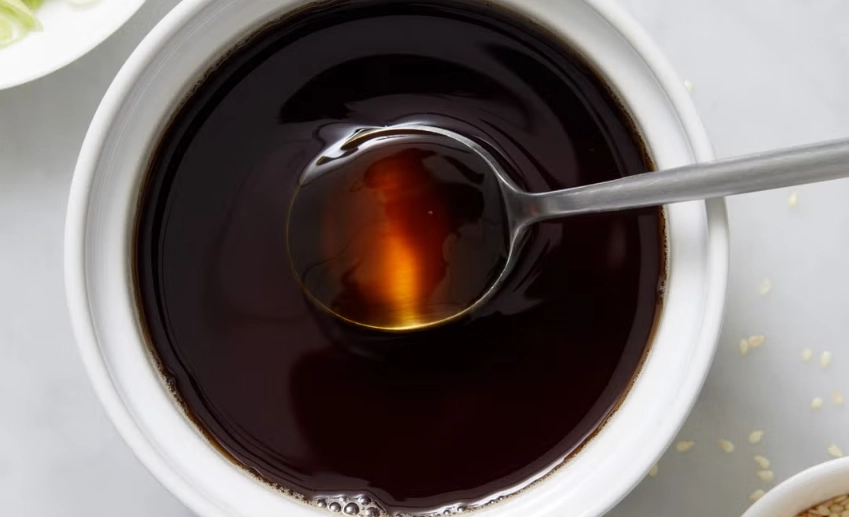
The Final Drizzle
So, there you have it. Everything I've learned about making that perfect, glossy, savory-sweet accompaniment for your takoyaki. It’s a simple process, but the payoff is huge. You go from serving a good snack to creating a memorable experience. The next time you fire up your takoyaki pan, take that extra ten minutes. Mix up your own batch. Taste it, adjust it, make it yours. Drizzle it over those golden brown balls, add your mayo, aonori, and katsuobushi, and take a bite. You'll taste the difference immediately—it’s the taste of homemade, of care, and of a job done right. And really, that’s what cooking is all about. Now, go make some amazing takoyaki.
Reader Comments