Jump to What You Need
If you've ever tasted Japanese curry at a restaurant and wondered how to recreate that rich, comforting flavor at home, you're not alone. Japanese curry roux blocks are the secret weapon—they're pre-made seasoning cubes that simplify everything. I've been cooking with them for over ten years, and let me tell you, most guides miss the subtle details that make or break your dish. This isn't just another recipe list; it's a deep dive into picking the right block, avoiding common pitfalls, and mastering the technique. We'll cover top brands, where to buy them, and even throw in some personal blunders I made along the way.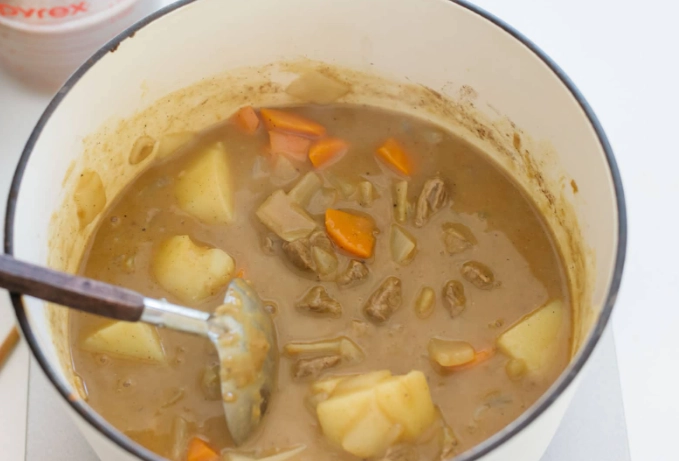
What is Japanese Curry Roux?
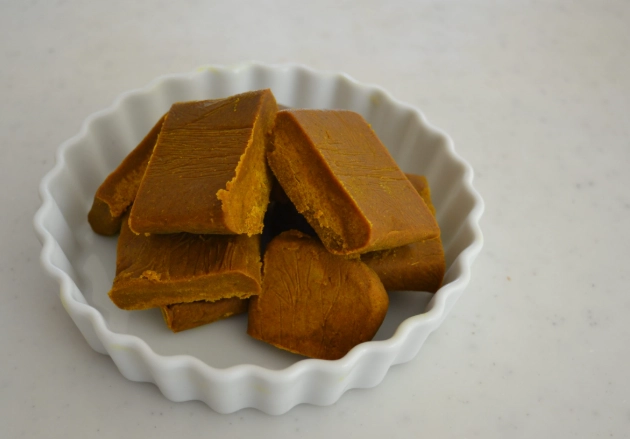
Japanese curry roux is a solid block of spices, flour, and fats that you melt into a stew to create curry. It originated in the late 19th century when the British introduced curry to Japan, and locals adapted it into a thicker, sweeter version. Unlike Indian curry, which relies on fresh spice blends, Japanese curry uses these convenient blocks for consistency and ease. The roux typically includes turmeric, cumin, coriander, and sometimes fruit extracts for sweetness. You'll find it in supermarkets across Japan, but globally, it's stocked in Asian grocery stores or online platforms like Amazon. The beauty? It turns a simple pot of meat and veggies into a hearty meal in under an hour.
Here's a thing most people don't realize: the roux isn't just for curry. I've used it as a base for soups or even as a seasoning for fried rice. But more on that later.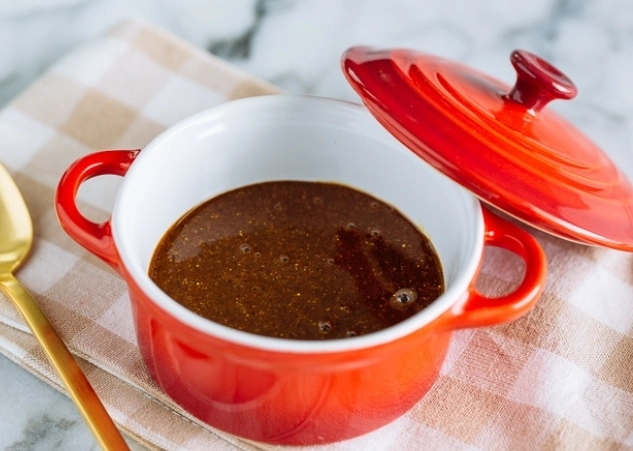
How to Choose the Best Japanese Curry Roux
Picking the right curry roux can feel overwhelming with so many options. Brands vary in spiciness, sweetness, and saltiness. Based on my experience, here's a breakdown of the top contenders you'll encounter.
Top Japanese Curry Roux Brands Compared
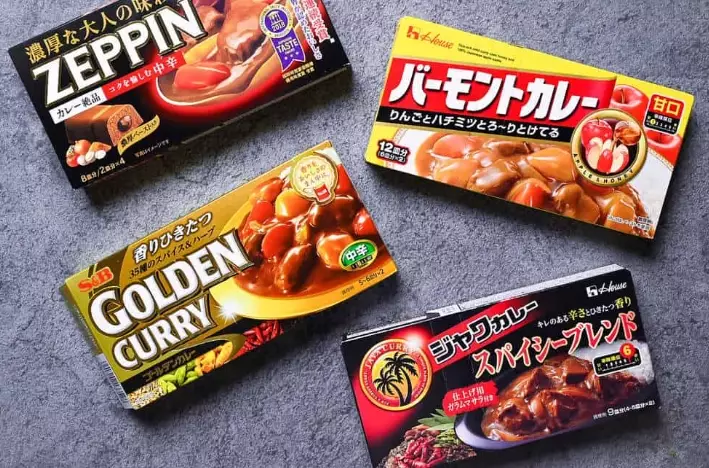
I've tested dozens of brands, and these three stand out for different reasons. Check the table below—it summarizes key points to help you decide.
| Brand | Spice Level | Flavor Notes | Price Range (per box) | Where to Buy |
|---|---|---|---|---|
| S&B Golden Curry | Mild to Hot | Rich, savory, slightly sweet | $3 - $5 | Amazon, Walmart, Asian stores |
| House Foods Vermont Curry | Mild | Sweet, apple and honey hints | $4 - $6 | Asian supermarkets, online retailers |
| Java Curry | Medium to Hot | Robust, aromatic, less sweet | $5 - $7 | Specialty Asian shops, Amazon |
S&B Golden Curry is the classic—it's widely available and reliable, but some find it a bit salty. House Foods Vermont Curry is my go-to for family meals; its sweetness appeals to kids, but curry purists might call it bland. Java Curry offers a more complex flavor, great for adults, but it's pricier and harder to find. A pro tip: mix brands. I often blend S&B's hot version with Vermont Curry to balance heat and sweetness.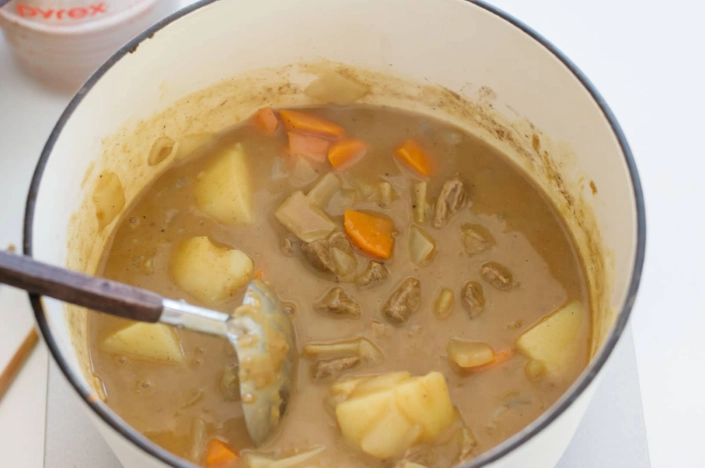
Where to buy? In the US, check local Asian markets like H Mart or Mitsuwa. Online, Amazon has a solid selection, but prices fluctuate. I once overpaid on a random website—stick to reputable sellers.
Step-by-Step Guide to Making Japanese Curry
Making Japanese curry with roux blocks is straightforward, but details matter. Here's my foolproof method, refined over years of trial and error.
First, gather ingredients: 1-2 curry roux blocks (adjust for servings), 500g of protein (chicken, beef, or tofu), 2 onions, 2 carrots, 2 potatoes, 4 cups of water or broth. Optional: add apples for sweetness or coffee for depth—yes, coffee! It sounds weird, but a teaspoon of instant coffee enhances the umami.
Start by sautéing chopped onions in oil until golden brown. This step is crucial; most beginners rush it, but caramelizing onions builds a flavor base. Add meat and brown it lightly. Then, throw in cubed carrots and potatoes, pour in water or broth, and simmer for 20 minutes until veggies are tender. Now, break the curry roux blocks into small pieces and stir them in until dissolved. Simmer for another 10 minutes on low heat. That's it.
Why low heat? High heat can cause the roux to separate, making the curry greasy. I learned this the hard way—my first attempt ended up with an oily film on top. Also, don't add the roux too early; it thickens quickly and can burn if cooked too long.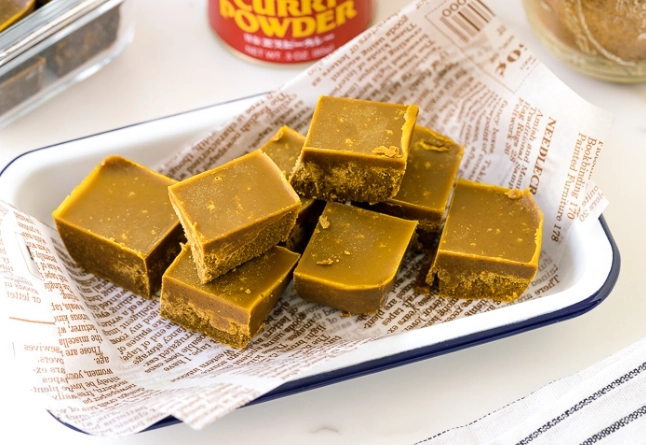
Personal anecdote: When I first used Japanese curry roux, I dumped the whole block in at once. It clumped up, leaving uneven pockets of seasoning. Now, I break it into bits and whisk steadily. Small adjustment, huge difference.
Pro Tips and Common Mistakes
Even with a simple recipe, pitfalls abound. Here are insights you won't find in most guides.
Common mistake #1: Using only water. Swap half the water with beef or chicken broth. It adds depth without extra salt. I tried using just water once, and the curry tasted flat—like spiced soup.
Common mistake #2: Ignoring roux freshness. Curry roux blocks can last a year, but older ones lose potency. Check expiration dates; stale roux might taste bland or off. Store them in a cool, dry place.
Pro tip: Customize spiciness. If your roux is too mild, add a dash of cayenne pepper or garam masala. Too spicy? Stir in a tablespoon of yogurt or ketchup to mellow it out. I keep S&B's hot version on hand for when friends want extra kick.
Another thing: Don't skip the sauté step. I see recipes that boil everything together, but sautéing onions and meat first creates a fond (those browned bits) that elevates the flavor. It's the difference between good and great curry.
For leftovers, Japanese curry tastes better the next day. Store it in the fridge; the flavors meld overnight. Reheat gently to avoid separation.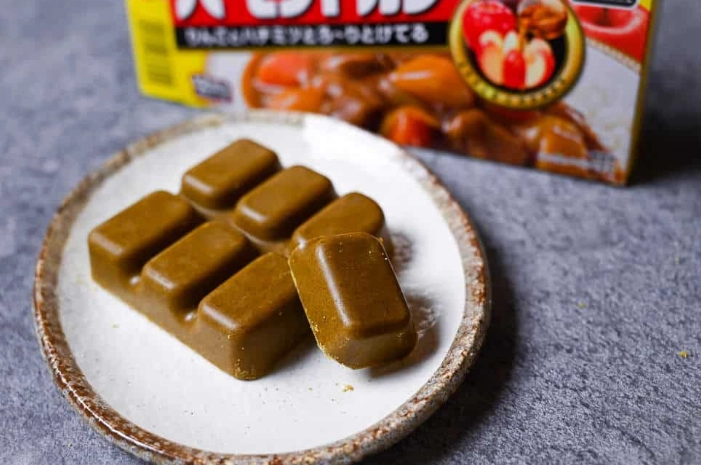
Frequently Asked Questions
Reader Comments