Let's be honest. That iconic red-and-white squeeze bottle of Kewpie mayo holds a special place in the fridge. Its rich, savory, slightly sweet flavor is unlike any Western mayo. But have you ever looked at the ingredients? Or the price tag for an imported bottle? Making Kewpie mayo at home isn't just a fun kitchen project; it's a revelation. You control what goes in, you save money, and the flavor? It can be even better than the store-bought version because it's fresher. This guide cuts through the vague recipes online. We're going deep on the how and, more importantly, the why behind each step to make authentic Japanese mayonnaise.
Your Quick Guide to Homemade Kewpie Mayo
What Makes Kewpie Mayo So Special? It's All About Umami
It's not just "Japanese mayo." The difference is scientific. Standard American mayo uses whole eggs and distilled white vinegar. Kewpie uses only egg yolks. This immediately gives it a richer, deeper yellow color and a more luxurious, custardy mouthfeel. The fat content from the yolks is higher, which matters for that creamy texture.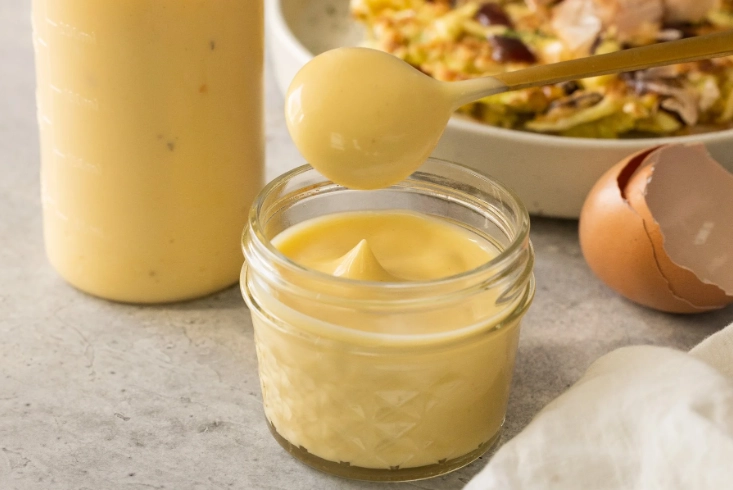
Then there's the acid. Kewpie uses rice vinegar or a blend containing it. Rice vinegar is milder, less harsh, and has a subtle sweetness compared to distilled white vinegar. This prevents the mayo from tasting too sharp or acidic.
But the real secret weapon, the one most home recipes miss or get wrong, is the MSG (monosodium glutamate). Yes, that MSG. The Kewpie company uses a form of it derived from fermented wheat or soy. MSG is pure umami, the savory "fifth taste" that makes food deeply satisfying. This is why Kewpie makes everything from potato salad to okonomiyaki taste incredible. It's not just fat and acid; it's fat, acid, and savory depth. Omitting this is why many homemade versions taste flat—they're missing the soul of the recipe.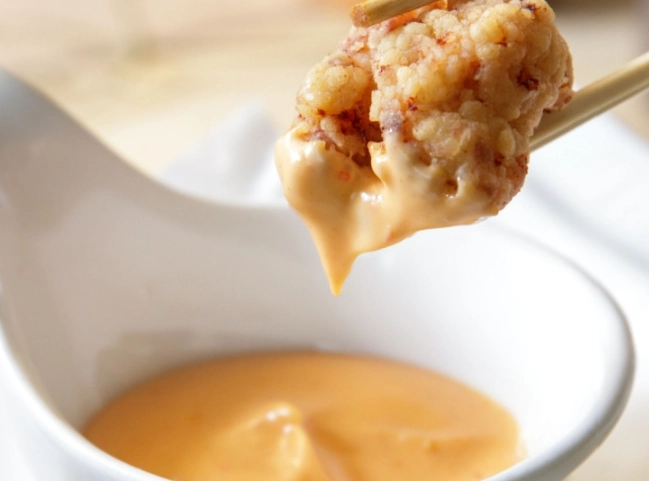
Gathering Your Arsenal: Ingredients & Tools
You don't need fancy equipment, but you do need the right ingredients. Here’s the breakdown.
The Non-Negotiable Ingredients
- Egg Yolks: Use large, fresh, pasteurized eggs for safety. Room temperature is best for emulsification. This is non-negotiable—no whole eggs here.
- Neutral Oil: Canola, rice bran, or a light vegetable oil. Do NOT use extra virgin olive oil; its strong flavor will overpower everything. Kewpie reportedly uses a blend containing rice bran oil.
- Rice Vinegar: The authentic acid. Look for unseasoned rice vinegar (not seasoned sushi vinegar, which has added sugar and salt).
- MSG: This is the authenticity key. You can find it in the spice aisle of most supermarkets (Accent brand is common). A pinch of powdered dashi (Japanese soup stock) is a fantastic, complex alternative that adds umami plus a hint of seafood depth, which is actually very traditional.
- Dijon Mustard: A tiny bit helps stabilize the emulsion and adds a background flavor note. Not strictly in original Kewpie, but a practical helper for home cooks.
For tools, you have two main choices: a small food processor or a bowl and a whisk. The food processor is foolproof for beginners. The whisk method gives you more control over the texture and is oddly satisfying, but it requires more elbow grease and patience. A stick blender with a tall, narrow cup is another excellent, quick option.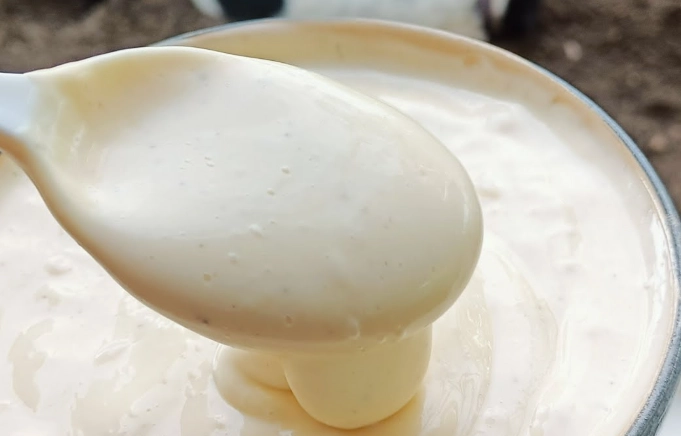
The Step-by-Step Process: Patience is Key
Making mayonnaise is about building an emulsion—suspending tiny droplets of oil in water (from the yolk and vinegar). Rushing breaks it. Here's the fail-safe method.
1. The Foundation: Combining Yolks and Seasonings
In your processor or bowl, combine 2 large egg yolks, 1 teaspoon of Dijon mustard, 1 teaspoon of rice vinegar, 1/4 teaspoon of salt, and 1/4 teaspoon of MSG (or 1/2 tsp powdered dashi). Pulse or whisk until smooth and slightly pale.
2. The Critical Drizzle: Adding the Oil
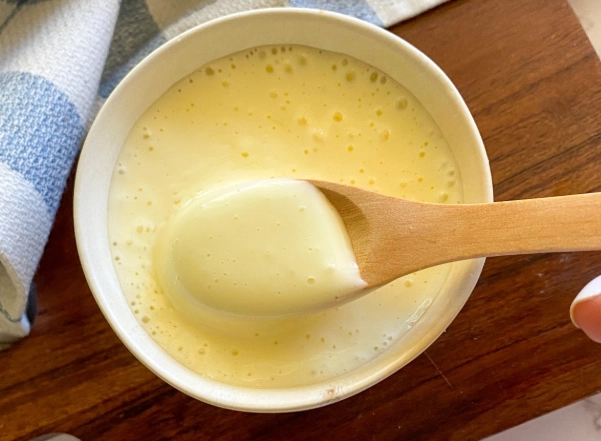
Have 1 cup (240ml) of neutral oil ready. If using a processor: With the machine running, add the oil in a very slow, thin, steady stream through the feed tube. I'm talking drops at first, then a thread-like drizzle. This should take a good 2-3 minutes. If whisking: add a few drops at a time while whisking constantly. Only add more once the previous oil is fully incorporated. The mixture will thicken and become creamy.
3. Finishing and Adjusting
Once all the oil is in, add the remaining 1-2 teaspoons of rice vinegar. This thins the mayo slightly and brightens the flavor. Process or whisk to combine. Now, taste. It might need more salt or a tiny pinch of sugar to balance. Authentic Kewpie has a subtle sweetness. You can add 1/4 to 1/2 teaspoon of sugar or a dash of mirin.
If it's too thick, thin it with a few drops of water or more vinegar until you reach the perfect, spoonable, squeeze-bottle consistency.
Troubleshooting: How to Fix Common Mayo Issues
| Problem | Likely Cause | How to Fix It |
|---|---|---|
| Mayo is thin & runny | Oil was added too quickly at the start; emulsion never properly formed. | Start over with 1 new yolk in a clean bowl. Slowly whisk the broken mixture into the new yolk as if it were fresh oil. |
| Mayo is too thick, pasty | Not enough liquid or acid added at the end. | Whisk in water or extra rice vinegar, a teaspoon at a time, until desired consistency. |
| Tastes bland | Lacks salt or umami. | Add more salt and a pinch of MSG or dashi powder. The umami is crucial. |
| Tastes too sharp/acidic | Used the wrong vinegar (like white vinegar). | Balance with a tiny bit more oil or a pinch of sugar. Next time, use rice vinegar. |
Using & Storing Your Homemade Kewpie
Your homemade Kewpie mayo will keep in a sealed container in the refrigerator for up to 1 week. Because it uses raw egg yolks, treat it with the same caution as any fresh, homemade sauce—keep it cold.
Now for the fun part: using it.
It's obviously perfect for Japanese potato salad (with cucumbers and ham). Drizzle it over takoyaki or okonomiyaki. Use it as a dip for sweet potato fries or tempura. Make a killer egg salad sandwich. Mix it with a bit of sriracha for a spicy mayo for sushi bowls. The possibilities are endless because its umami-rich profile enhances almost anything savory.
Kewpie Mayo Deep Dive: Your Questions Answered
Making Kewpie mayo at home demystifies that iconic bottle. It's not magic; it's just good, smart food science. You get a condiment that's fresher, customizable, and free of stabilizers you can't pronounce. Once you master the slow drizzle and embrace the umami, you might just find yourself reaching for that red squeeze bottle a little less often.
Reader Comments