Quick Navigation
- Crafting the Ultimate Shrimp Gyoza Filling: It's All in the Details
- The Art of the Wrap: Folding Your Shrimp Gyoza
- Cooking Methods: Pan-Frying Perfection and Beyond
- The Dipping Sauce: More Than Just Soy Sauce
- Answering Your Shrimp Gyoza Questions (FAQ)
- A Few Parting Thoughts (From My Kitchen to Yours)
Let's be honest. The first time I had a proper shrimp gyoza, it was a bit of a revelation. I'd eaten plenty of pork dumplings, sure. But there was something about the delicate sweetness of shrimp, that slight bounce in the texture, wrapped in a thin, crispy-yet-chewy wrapper that just clicked. It wasn't just another dumpling. It felt lighter, more nuanced. And then I made the mistake of trying to make them at home. Let's just say my first batch looked more like deflated shrimp pillows than the elegant pleated parcels I was aiming for.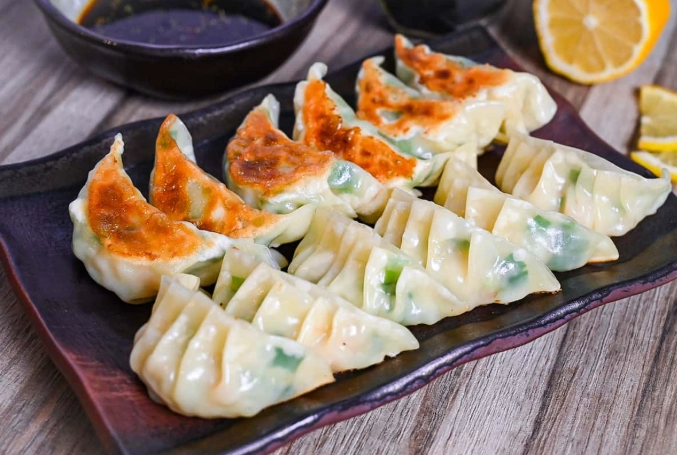
That kitchen failure sparked a years-long, mildly obsessive quest to master the shrimp gyoza. I've eaten them everywhere from cramped izakayas in Tokyo to fancy fusion restaurants, and I've burned more than a few batches in my own skillet. This guide is everything I wish I knew when I started. We're going deep—not just a recipe, but the why behind every step, the fixes for common mistakes, and answers to all those little questions that pop up when you're wrist-deep in filling.
What Exactly Are Shrimp Gyoza?
At its heart, a shrimp gyoza is a type of Japanese dumpling. The wrapper is a thin round of wheat-based dough. The filling is primarily shrimp, often combined with aromatics like garlic, ginger, green onion, and cabbage for moisture and flavor. They're typically pan-fried to a crisp golden bottom (that's the "potsticker" method), then steamed to finish cooking the wrapper and filling. The result is this incredible textural contrast: a crunchy, lacy skirt on one side, a soft, steamed top, and a juicy, savory-shrimpy interior. While gyoza originated from Chinese jiaozi, the Japanese version, especially with shrimp, tends to have a finer, more delicate filling and slightly thinner wrappers. It's a staple of home cooking and pub food alike.
Crafting the Ultimate Shrimp Gyoza Filling: It's All in the Details
The filling is where the soul of your shrimp dumplings lives. Get this right, and you're 80% of the way to greatness. The biggest mistake? Just chopping up shrimp and stuffing it in. Texture and flavor binding are key.
Choosing and Prepping Your Shrimp
Not all shrimp are created equal for gyoza. I've made the error of using tiny, pre-cooked salad shrimp before. Don't be like past me. The result was rubbery and sad.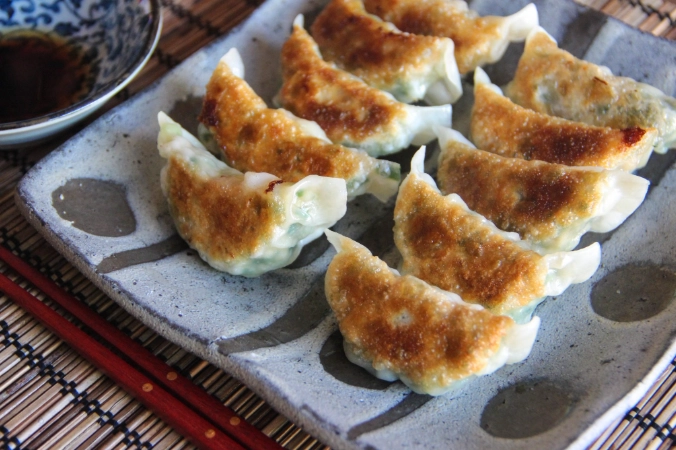
- Size & Type: Go for medium-large raw shrimp (31/40 or 21/25 count per pound). You want a meaty bite. I prefer wild-caught for a cleaner, brinier flavor, but good-quality frozen farm-raised works perfectly. Thaw them slowly in the fridge overnight.
- To Devein or Not? Always devein. That dark sand vein can add grit and bitterness. Just make a shallow cut along the back and pull it out.
- The Chop: Here's a personal preference split. Some chefs mince the shrimp finely for a smooth paste. I'm in the "coarse chop" camp. I like to chop about two-thirds of the shrimp finely, and the remaining third into small, pea-sized chunks. This gives you that satisfying, bouncy texture with little bursts of shrimp meat. Use a sharp knife—a food processor can turn it to mush too fast.
The Supporting Cast (Aromatics & Vegetables)
Shrimp alone can be a bit one-dimensional. The extras add complexity, moisture, and aroma.
Pro Tip: Salt your shredded cabbage (Napa cabbage is best) with a pinch of salt, let it sit for 10 minutes, then squeeze the living daylights out of it in a clean towel. This removes excess water that would otherwise steam out during cooking and make your wrappers soggy. It's a non-negotiable step for me now.
You'll want finely minced garlic and ginger—fresh, always. A bit of grated ginger does wonders. Green onions, the white and light green parts, finely sliced. Some recipes add a bit of ground pork or chicken fat for richness, but for a pure shrimp gyoza, I skip it. The shrimp flavor should shine.
The Seasoning Mix - The Flavor Glue
This is where you personalize. The basics are soy sauce, sesame oil (a good, toasted one), a dash of rice vinegar or sake, white pepper, and a pinch of sugar. Some add a tiny bit of cornstarch to help bind the filling. The key is to mix the filling in one direction only, and to do it vigorously. This helps develop a slightly sticky, cohesive texture that won't fall apart when you bite into the dumpling.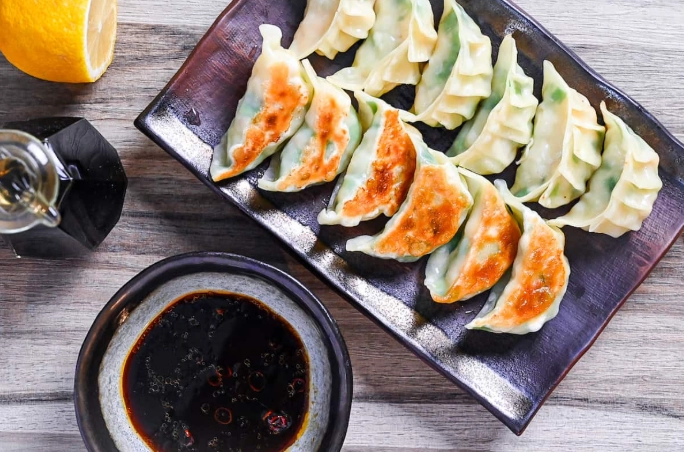
Here's a comparison of two popular flavor profiles for your shrimp gyoza filling:
| Ingredient | Classic Japanese Style | Aromatic Thai-Style Twist |
|---|---|---|
| Base Protein | 100% Chopped Raw Shrimp | 90% Shrimp, 10% Minced Chicken Fat (optional) |
| Key Aromatics | Garlic, Ginger, Green Onion | Garlic, Lemongrass (minced), Kaffir Lime Leaf (finely shredded), Cilantro Stems |
| Primary Sauce | Soy Sauce, Sesame Oil | Fish Sauce, Lime Zest, Toasted Sesame Oil |
| Herb Finish | None (mixed in) | Fresh Chopped Cilantro & Mint (folded in last) |
| Best Dipping Pairing | Classic Ponzu or Gyoza Sauce | Sweet Chili Sauce with Lime |
See? Small changes, totally different experience.
The Art of the Wrap: Folding Your Shrimp Gyoza
This is the part that intimidates people. Forget the Instagram-perfect 20-pleat folds for now. Let's start functional and beautiful.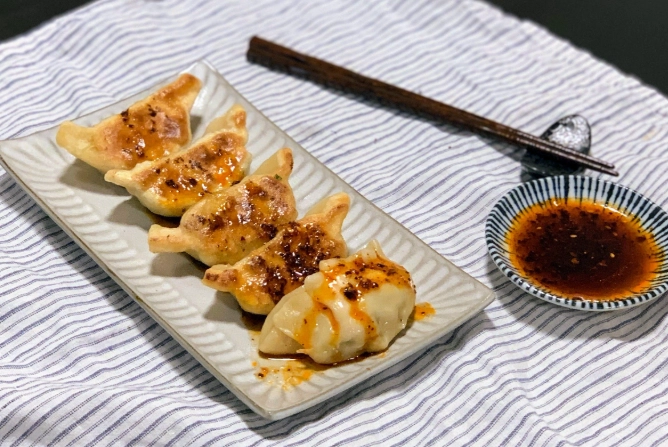
You can buy round gyoza wrappers (often labeled "potsticker wrappers") at any Asian market and most large supermarkets. Look for ones that are thin. If they seem dry, cover them with a damp towel while you work.
- Place a wrapper on your palm. Put about a teaspoon to a teaspoon and a half of filling in the center. Less is more. Overfilling is the main cause of bursting.
- Wet the edges. Use your finger or a brush to dampen halfway around the wrapper's edge with water. This is your glue.
- The Basic Fold: Fold the wrapper over into a half-moon shape, pressing the dry edge to the wet edge to seal the top. Now, here's the trick for the classic look: starting from one end, make small, forward pleats only on the top layer of wrapper, pressing each pleat firmly onto the flat bottom layer. You're aiming for 3-5 pleats. It creates a curved shape and ensures a tight seal.
- Seat it flat. Press the finished dumpling down on your work surface so the bottom sits flat. This is crucial for even frying.
Common Folding Pitfall: Don't get water on the part of the wrapper that will become the bottom. It'll steam and stick to your pan in a bad way. Keep the bottom quarter dry.
My first twenty looked awful. Lopsided, leaking. It didn't matter. They still tasted fantastic once cooked. The pleating skill comes with practice—it's oddly meditative once you get the rhythm.
Cooking Methods: Pan-Frying Perfection and Beyond
This is the make-or-break moment for your shrimp gyoza. The goal: a crisp, golden, lacy crust with a fully cooked, juicy interior.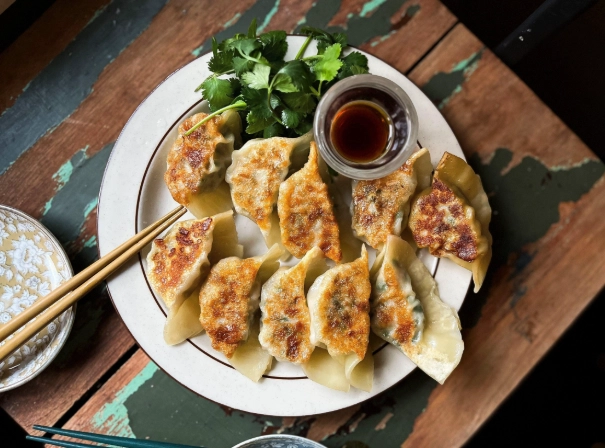
The Standard Potsticker Method (My Go-To)
- Use a non-stick or well-seasoned cast-iron skillet with a tight-fitting lid. Heat 1-2 tablespoons of a neutral oil with a high smoke point (like canola or vegetable) over medium-high heat.
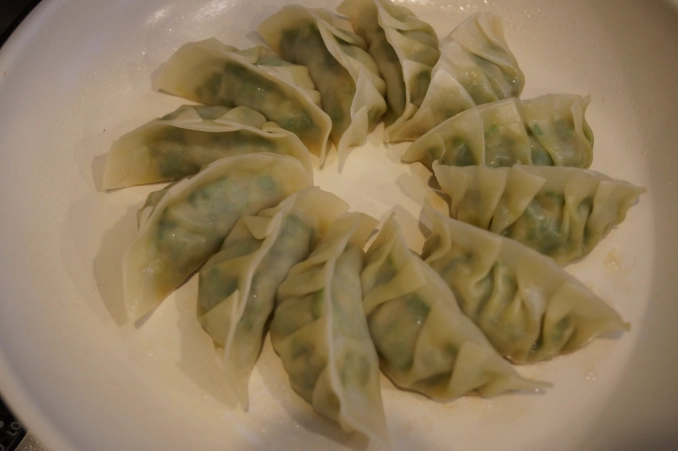
- Place your gyoza in the pan, flat side down. Don't crowd them. Let them fry undisturbed for 2-3 minutes until the bottoms are a deep golden brown. You can peek.
- Here's the magic step: Pour in about 1/3 cup of water (it will sizzle violently!), immediately cover with the lid, and reduce the heat to medium. Let them steam for 5-6 minutes. This cooks the filling and tops of the wrappers.
- Uncover, turn the heat back up to medium-high, and let any remaining water evaporate. Cook for another minute or two until the bottoms re-crisp. Slide them onto a plate, bottom-up, to show off your handiwork.
That lacy crust, sometimes called a "skirt," happens when you add a slurry of water and a bit of flour or cornstarch in the steaming stage. It's a pro move worth trying once you're comfortable.
Other Ways to Cook
- Steaming: Great for a healthier version. Line a bamboo steamer with parchment or cabbage leaves, steam for 8-10 minutes. The wrapper becomes soft and translucent—you can see the pink shrimp inside! Texture is soft all over, which is lovely in its own way.
- Deep-Frying: Less traditional, but undeniably delicious. Heat oil to 350°F (175°C) and fry for 3-4 minutes until puffed and golden brown. It's crunchy all over, like a shrimp wanton. Rich, but a fun occasional treat.
- Boiling: Honestly, I'm not a fan for shrimp gyoza. It can make the wrapper too soft and waterlog the delicate filling. Stick to pan-frying or steaming.
The Dipping Sauce: More Than Just Soy Sauce
A great shrimp gyoza deserves a great dip. The standard mix is equal parts soy sauce and rice vinegar, a few drops of sesame oil, and a bit of rayu (chili oil) if you like heat. But let's play.
For shrimp dumplings, I often lean towards a ponzu-based sauce. Ponzu is a citrus-soy sauce that cuts through the richness beautifully. Mix 2 parts ponzu with 1 part rice vinegar, a hint of grated daikon radish, and a sprinkle of green onion. It's bright and perfect.
Feeling lazy? A good-quality store-bought gyoza sauce or even a sweet chili sauce works in a pinch. No judgment here.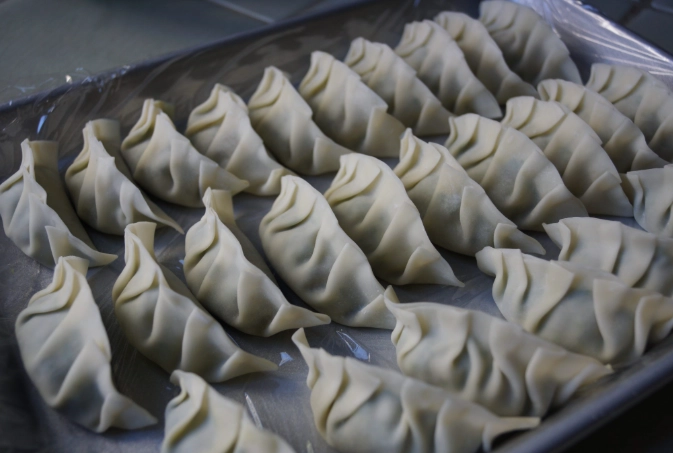
Answering Your Shrimp Gyoza Questions (FAQ)
Over the years, friends and family have asked me every question under the sun about these dumplings. Here are the real ones.
A Few Parting Thoughts (From My Kitchen to Yours)
Making shrimp gyoza from scratch is a project. It takes time. But there's something incredibly satisfying about creating these little packages of flavor with your own hands. It's communal food—get friends or family to help fold. The conversation flows, and suddenly you have a mountain of dumplings ready for the pan.
Don't get discouraged if your first batch isn't perfect. Mine certainly weren't. The flavor will still be there. Each time you make them, you'll learn one small thing: how wet the filling should be, exactly how brown the bottom should get before steaming, your perfect pleat count.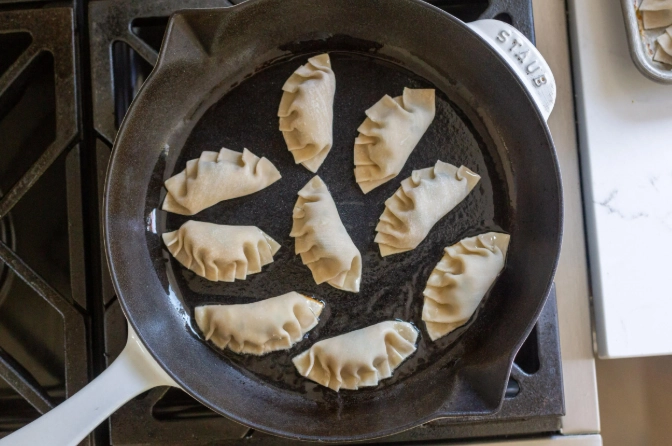
Start with the recipe below. Treat it as a blueprint, not a law. Love garlic? Add more. Want more crunch? Add some water chestnuts to the filling. The best shrimp gyoza you'll ever eat will be the ones you tailor to your own taste. Now go grab some shrimp and get folding.
Reader Comments