I remember the first time I brought a whole Japanese daikon home. It was huge, intimidating, and sat in my fridge for a week while I wondered what to do with it besides making pickles. Sound familiar? That giant white radish in the Asian grocery store is a kitchen powerhouse, but its size can be off-putting. Let's change that. This isn't just another list of recipes. It's a practical manual from someone who's learned (through trial and error) how to make this humble vegetable the star of meals, reduce food waste, and enjoy its subtle, refreshing taste.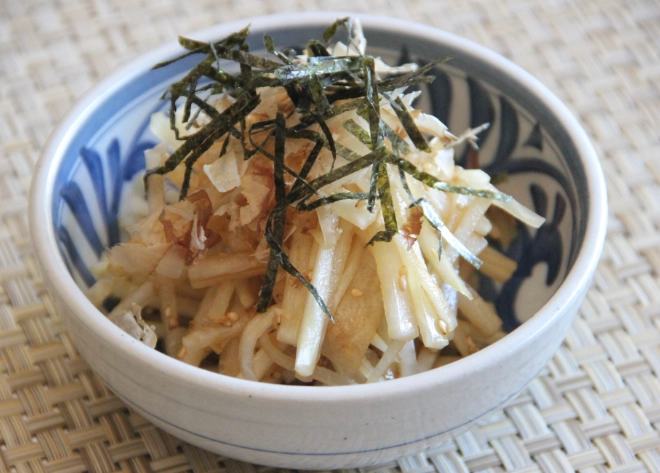
Your Quick Daikon Navigation
Where to Buy Japanese Daikon and How to Pick the Best One
You'll find daikon in most well-stocked Asian supermarkets. Stores like H Mart, Mitsuwa, or your local Chinese/Vietnamese grocery are reliable bets. Sometimes, you'll even spot them in the "world foods" section of larger mainstream chains like Whole Foods or Wegmans, especially in areas with diverse populations.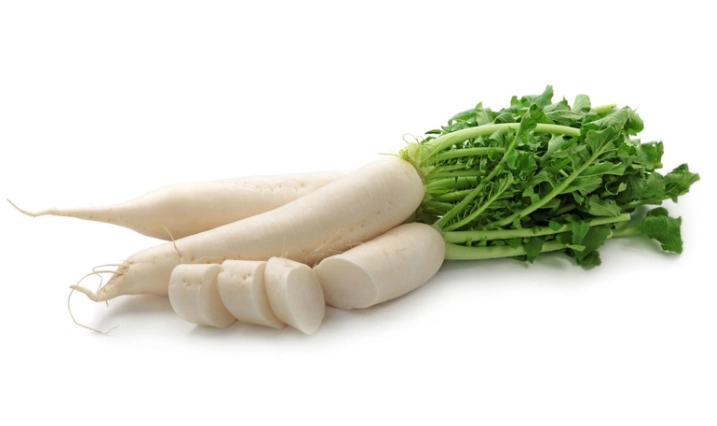
Picking a good one is simple, but most guides miss a crucial detail about weight.
Look for a daikon that feels heavy for its size. This is the single best indicator of freshness and moisture content. A light one will be woody and pithy inside. The skin should be smooth and taut, not wrinkled or slack. Minor surface blemishes are usually fine and can be peeled away.
Now, about size. They come in various lengths, from a foot to over two feet long. Don't feel pressured to buy the biggest one. If you're cooking for one or two, ask the produce staff if they can cut one in half for you. Most will happily do this. I've done it countless times to avoid waste.
Pro Tip: Avoid daikon that feels spongy at the top, near the greens (if they're still attached). This is a sign it's starting to rot from the inside. A firm, crisp feel from top to bottom is what you want.
How to Prepare and Cook Daikon: Beyond Pickles
Yes, takuan (pickled daikon) is delicious. But if that's all you're making, you're missing out on its true culinary range. Daikon's magic is its ability to absorb flavors while retaining a pleasant texture. It turns tender but never mushy in stews, and stays crisp when quick-cooked.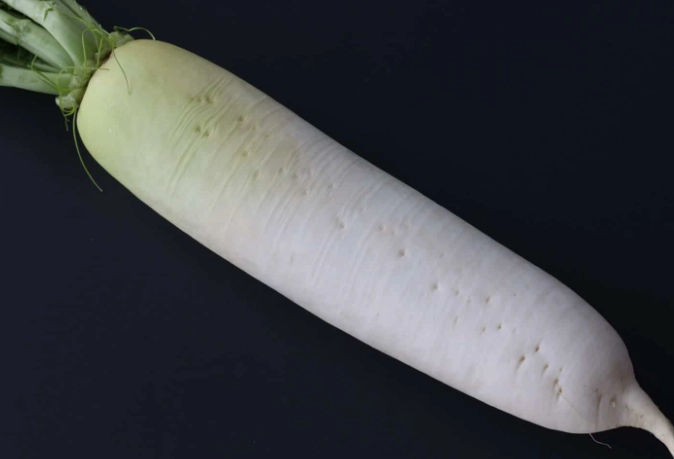
Preparation Basics: To Peel or Not to Peel?
This is a common debate. The skin is edible and contains nutrients, but it can be a bit fibrous and earthy. For most cooked dishes (braises, soups), I recommend peeling. It gives a cleaner, sweeter result. For quick pickles or grated applications (daikon oroshi>), a good scrub with a stiff brush is often enough, especially if the skin is smooth.
Once peeled, you can cut it any way you like: half-moons, chunks, matchsticks (sen-giri>), or grated. A trick for grating: use a box grater over a bowl to catch all the precious juice, which is fantastic in sauces and dressings.
Three Can't-Miss Cooking Methods
Let's move past theory into methods you can use tonight.
1. Braising or Simmering (Nimono): This is where daikon shines. Cut into thick rounds or large chunks. Some recipes call for parboiling it first in water with a handful of rice (the rinsings are fine) to remove any harshness. Then, simmer it in a seasoned broth of dashi, soy sauce, mirin, and a bit of sugar until it's tender and has soaked up the savory-sweet flavors. It's a classic side dish (furofuki daikon>).
2. Stir-Frying: Cut into thin matchsticks or slices. It cooks quickly. Try it with carrots, mushrooms, and a protein in a garlic-ginger sauce. The daikon stays slightly crisp and refreshing, balancing richer ingredients.
3. In Soups and Stews: Add daikon chunks to miso soup, tonjiru (pork and vegetable soup), or any hearty stew. It adds substance and a subtle sweetness that mellows the broth. It's a staple in oden, a Japanese winter hot pot.
| Cooking Method | Best Cut | Key Flavor Pairing | Texture Outcome |
|---|---|---|---|
| Braising/Nimono | Thick rounds or large chunks | Dashi, Soy Sauce, Mirin | Incredibly tender, flavor-infused |
| Stir-Frying | Thin matchsticks or slices | Ginger, Garlic, Sesame Oil | Crisp-tender, refreshing |
| Soups & Stews | Medium chunks | Miso, Pork, Konbu | Soft but intact, broth-enriching |
| Raw (Salads/Garnish) | Grated or very thin slices | Citrus, Light Soy, Yuzu | Crisp, juicy, pungent (when grated) |
What Are the Health Benefits of Eating Daikon?
Daikon isn't just filler. It's a low-calorie, nutrient-dense food. According to nutrition data from sources like the USDA FoodData Central, daikon is a good source of vitamin C and provides potassium, folate, and some calcium.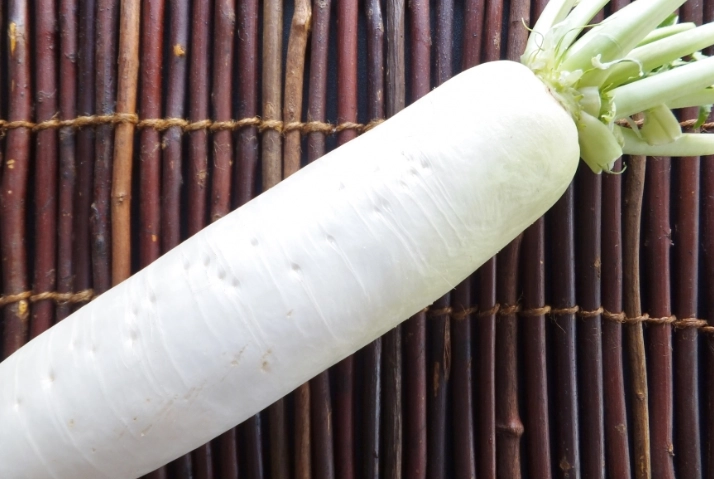
But its real superpower, in my opinion, is its enzyme content. Daikon contains digestive enzymes like amylase and esterase, which are thought to help break down starches, fats, and proteins. This is why in Japan, grated daikon (daikon oroshi>) is traditionally served with grilled fish or oily foods like tempura—it's not just a garnish; it's a digestive aid.
It's also high in water and fiber, which promotes hydration and gut health. I find a simple salad of julienned daikon and carrots with a rice vinegar dressing incredibly cleansing, especially after a heavy meal.
One caution: like other cruciferous vegetables, daikon contains compounds that can interfere with thyroid function if consumed in extremely large, raw quantities on a daily basis. For most people eating normal portions as part of a varied diet, this is not a concern. Cooking also reduces these compounds.
Smart Storage and Zero-Waste Tips for Daikon
That giant radish doesn't have to lead to waste. Here’s how to manage it.
Storage: If you buy it with the greens attached, cut them off immediately. The leaves draw moisture from the root, making it limp faster. Store the greens separately in a bag and use them like other hearty greens (sauté or add to soups). Wrap the root loosely in a paper towel, place it in a perforated plastic bag, and store it in the crisper drawer. It can last 1-2 weeks this way.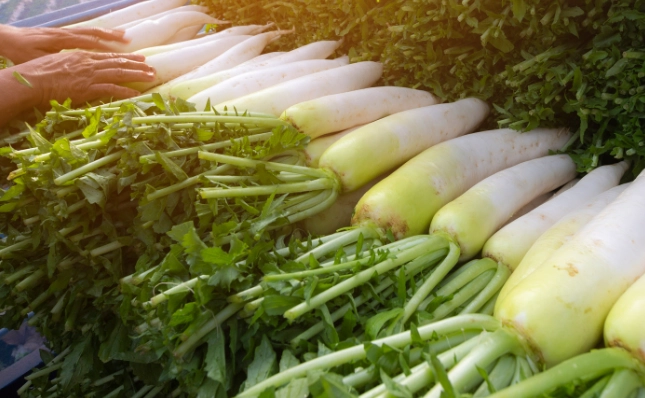
Using Every Part:
- The Greens: Don't toss them! They are slightly peppery and delicious sautéed with garlic and a splash of soy sauce, or chopped into soups.
- Peels & Ends: Freeze them in a bag. When you have a handful, simmer them with other vegetable scraps (onion skins, carrot tops) to make a light, flavorful vegetarian broth.
- Grated Juice: The liquid from grating daikon is potent. Mix a tablespoon with soy sauce and a bit of lemon for a fantastic sashimi or grilled fish dipping sauce.
Your Daikon Questions, Answered
Can I eat daikon skin, and when should I definitely peel it?
You can eat it, especially if the daikon is very fresh and young. Give it a good scrub. I peel it for elegant simmered dishes or when I want a pure, sweet flavor without any earthiness. For rustic stews or when I'm grating it, I often just scrub. If the skin looks thick, rough, or discolored, peeling is the safer bet.
My braised daikon turned out bitter. What went wrong?
This usually happens with older daikon or if you skip the parboiling step. The traditional parboil in water with a pinch of rice or rice-washing water helps draw out bitter compounds and any acrid smell. Next time, cover the daikon chunks with cold water, add a tablespoon of uncooked rice (or leftover rice water), bring to a boil, then simmer for 5-7 minutes before draining and proceeding with your recipe. It makes a world of difference.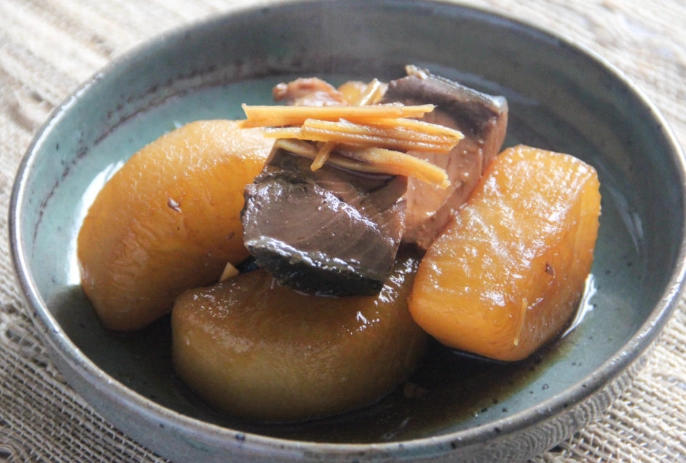
Can I substitute daikon for regular red radishes in a recipe?
Not directly. Red radishes are much spicier and have a denser, crunchier texture. They are better raw or very briefly cooked. Daikon is milder, larger, and designed for longer cooking. If a recipe calls for daikon's bulk and ability to absorb flavors (like in a stew), red radishes would turn mushy and lose their punch. Think of them as different tools for different jobs.
Is there a trick to grating daikon without it being too watery or losing all the juice?
Grate it directly over a fine-mesh strainer set on a bowl. This catches the pulp while letting the precious juice drip through. You can then use the fluffy pulp as a garnish (squeeze it gently if you want it drier) and reserve the juice for the dipping sauce I mentioned. Don't grate it ahead of time; it oxidizes and loses its vibrant flavor quickly.
I only need half a daikon for my soup. What's the best way to use the other half before it goes bad?
Turn it into a quick refrigerator pickle. Slice it thinly, toss with a sprinkle of salt, let sit for 10 minutes, then squeeze out excess water. Mix with equal parts rice vinegar and water, a little sugar, and maybe a chili. It'll keep for a week and is a perfect crunchy condiment for rice bowls or sandwiches. Alternatively, cut it into chunks and freeze them raw. They'll lose their crisp texture but will be perfectly fine for adding to future soups or stews directly from the freezer.
Reader Comments