In This Guide
- What Exactly Are Pan Fried Gyoza?
- Building the Foundation: The Filling
- The Art of Wrapping
- The Main Event: How to Pan Fry Gyoza Perfectly (The Crispy Skirt Secret)
- The Supporting Cast: Dipping Sauces & Sides
- Frequently Asked Questions (The Stuff You Actually Search For)
- Taking It Further: Resources & Inspiration
Let's be honest. There's something magical about that perfect plate of pan fried gyoza. You know the one. The kind you get at that little spot downtown where the dumplings arrive sizzling, with a golden-brown lace skirt clinging to their bottoms, the filling juicy and packed with flavor. For years, I thought recreating that at home was something only chefs could do. Mine would either stick to the pan, burn black on one side, or the wrapper would turn into a soggy mess. It was frustrating.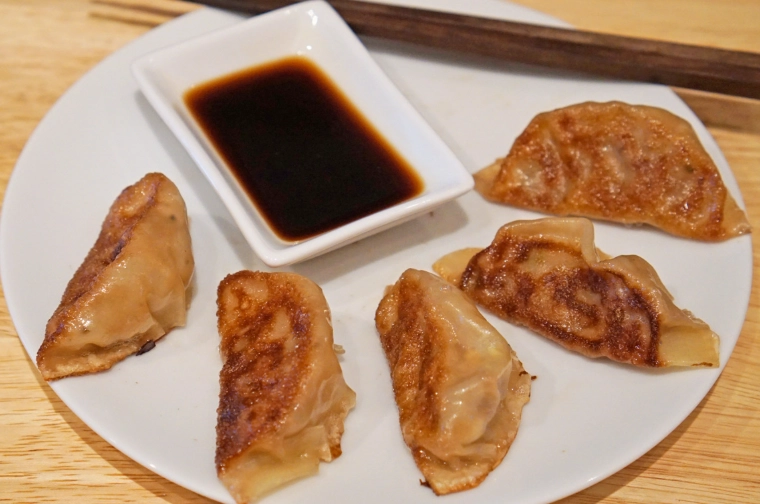
Then I spent a summer obsessing over it. I talked to cooks, read old cookbooks (the Japanese Ministry of Agriculture, Forestry and Fisheries has some fascinating historical notes on dumplings, by the way), and made batch after batch. I ruined more than a few pans. But finally, I cracked the code. And it's not as hard as you think. The real secret isn't one big trick; it's a series of small, simple steps done right.
What Exactly Are Pan Fried Gyoza?
First things first, let's clear up any confusion. Gyoza are Japanese dumplings, but their roots are firmly in Chinese jiaozi. After World War II, Japanese soldiers returning from China brought the concept back, and it evolved into its own distinct thing. The pan fried version—called yaki-gyoza—is the most popular. It involves frying the dumplings to crisp the bottom, then adding water or stock and covering the pan to steam the tops. This one-two punch of texture is what makes them so addictive.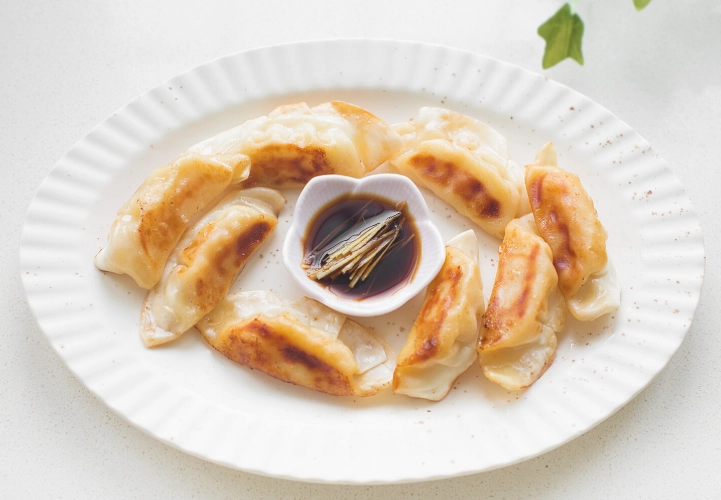
I think a lot of recipes skip over this history, but it matters. Understanding that they're meant to be a hybrid—crispy and steamed—is the first step to cooking them correctly.
Building the Foundation: The Filling
You can't have great pan fried gyoza without a great filling. It's the heart of the thing. A classic pork and cabbage filling is the standard for a reason, but don't feel locked in.
The Classic Pork & Cabbage Mix
This is your workhorse. The key here is texture and moisture control.
- Ground Pork: Don't go too lean. A 70/30 or 80/20 fat-to-lean ratio is perfect. The fat renders during cooking, basting the filling from the inside and keeping it succulent. I've tried with super-lean pork, and the result is dry and grainy. Not good.
- Cabbage: The cabbage needs special treatment. Finely chop it, then sprinkle with salt and let it sit for 10-15 minutes. You'll see a pool of water form. Squeeze it out—really squeeze it—with your hands or a clean towel. If you skip this, your filling becomes a watery soup that leaks and makes the wrappers soggy. This is non-negotiable.
- Aromatics: Garlic, ginger, green onions. Freshly grated is best. The ginger is particularly important; it cuts through the richness.
- Seasonings: Soy sauce, sesame oil, sake (or mirin), a pinch of sugar, and white pepper. Some recipes call for oyster sauce or hoisin, which is fine, but I prefer the cleaner taste of the basics.
Beyond Pork: Other Filling Ideas
Once you master the basic mix, the world is your oyster (or your dumpling).
- Chicken & Shrimp: Lighter but still flavorful. Use ground chicken thigh, not breast, and finely chopped shrimp.
- Vegetarian: A mix of finely chopped mushrooms (shiitake, oyster), cabbage, carrots, glass noodles, and tofu. You need to season this one aggressively with soy and sesame oil.
- Spicy Pork: Add a spoonful of gochujang (Korean chili paste) or doubanjiang (Chinese chili bean paste) to the classic mix. Just a bit, it shouldn't overwhelm.
The principle remains the same: keep your filling ingredients finely chopped and make sure any watery veggies are salted and drained.
The Art of Wrapping
This is where people get intimidated. It doesn't have to be perfect. A good seal is more important than fancy pleats when you're starting. Store-bought round gyoza wrappers (found in the freezer or refrigerated section of Asian markets) are totally fine. Just let them thaw completely if frozen.
Wrapping 101:
- Place a wrapper on your palm. Put about a teaspoon of filling in the center. Do not overfill. This is the most common beginner mistake. An overstuffed gyoza is hard to seal and will burst during cooking.
- Dip your finger in water and moisten the entire edge of the wrapper.
- Fold the wrapper in half over the filling, creating a half-moon shape. Press the top center together to seal.
- Now, starting from that center seal, make small pleats towards one end, pressing the pleated edge firmly to the flat back edge. Repeat on the other side. Aim for 3-4 pleats per side. If pleating feels impossible, just press the edges together firmly in a crimped pattern. It will still taste amazing.
- Set the finished dumpling on a tray, making sure the pleated side is up and the flat bottom sits evenly. This ensures even browning later.
Don't worry if your first dozen look a little… abstract. As long as they're sealed, they'll cook. My early attempts looked more like sad, lumpy ravioli. They still tasted great.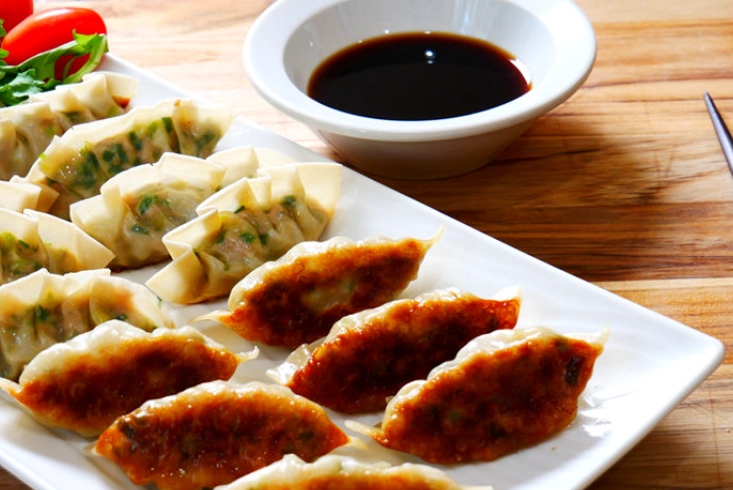
The Main Event: How to Pan Fry Gyoza Perfectly (The Crispy Skirt Secret)
This is it. The moment of truth. This two-stage cooking method is what defines a great pan fried gyoza.
Step-by-Step Cooking Method
- Heat the Pan: Use a non-stick or well-seasoned cast iron/skillet with a tight-fitting lid. Medium-high heat. Add a neutral oil with a high smoke point, like canola or vegetable oil. Just enough to coat the bottom.
- Arrange the Dumplings: Place your gyoza in the pan, flat side down. Don't crowd them. They should not be touching. Let them fry undisturbed for 2-3 minutes until the bottoms are a deep, golden brown. You can lift one to peek.
Common Mistake Alert:
Moving them around too soon. Let that crust form. If you try to move a dumpling and it sticks, it's not ready. Give it another 30 seconds.
- Create the Crispy Skirt (The Magic Step): This is what separates good from legendary. In a cup, mix 1/2 cup of water with 1 teaspoon of all-purpose flour or 1 tablespoon of cornstarch. The starch is crucial—it creates the lacy, crispy netting. Carefully pour this slurry into the pan, aiming for the spaces between the dumplings. It should come about 1/3 of the way up the sides of the gyoza. Immediately cover with the lid.
- Steam to Cook Through: Reduce the heat to medium. Let the dumplings steam for 6-8 minutes. You'll hear the sizzle. This steam cooks the wrappers and filling all the way through.
- Uncover and Crisp Up: After the steam time, remove the lid. Let any remaining water evaporate. This is when the magic happens. The starchy water will have formed a thin pancake connecting all the dumplings. As the last moisture cooks off, this pancake will crisp up into that famous golden skirt.
- Serve: Once the bottom is crisp and the skirt looks set (another minute or two after uncovering), take the pan off the heat. Here's a pro move: place a large plate over the pan. In one confident, slightly terrifying motion, flip the pan and plate over. The entire gyoza "pie" should slide out onto the plate, crispy skirt gloriously on top.
Pan Fried Gyoza Cooking Troubleshooting Table
| Problem | Likely Cause | How to Fix It Next Time |
|---|---|---|
| Dumplings stick and tear | Pan not hot enough; moved too soon; not enough oil. | Wait for oil to shimmer before adding gyoza. Don't touch for first 2-3 min. |
| Bottom burns before inside cooks | Heat too high. | Use medium-high for browning, then reduce to medium for steaming. |
| Soggy, pale bottom, no crisp | Not enough browning time; too much water in steaming step. | Brown well before adding water. Use only 1/2 cup water. |
| No crispy skirt forms | Forgot the starch (flour/cornstarch) in the water. | The starch is mandatory for the lace. Always add it. |
| Filling is dry | Meat too lean; overcooked; filling squeezed too dry. | Use fattier pork. Don't over-steam. Don't over-squeeze cabbage. |
The Supporting Cast: Dipping Sauces & Sides
A great pan fried gyoza deserves a great dip. The standard is equal parts soy sauce and rice vinegar, with a few drops of chili oil (rayu) and maybe some grated ginger or minced garlic. But you can play.
My Go-To Dipping Sauce Trio:
- The Classic: 2 tbsp soy sauce, 2 tbsp rice vinegar, 1 tsp sesame oil, a few drops of chili oil.
- The Zesty: 3 tbsp ponzu sauce (citrus-soy), 1 tbsp water, a pinch of bonito flakes.
- The Rich: 2 tbsp black vinegar, 1 tbsp soy sauce, 1 tsp sugar, minced garlic. This one is fantastic with pork gyoza.
What to serve with them? A simple, sharp salad with a ginger-sesame dressing cuts the richness perfectly. A bowl of miso soup on the side is also a classic combo.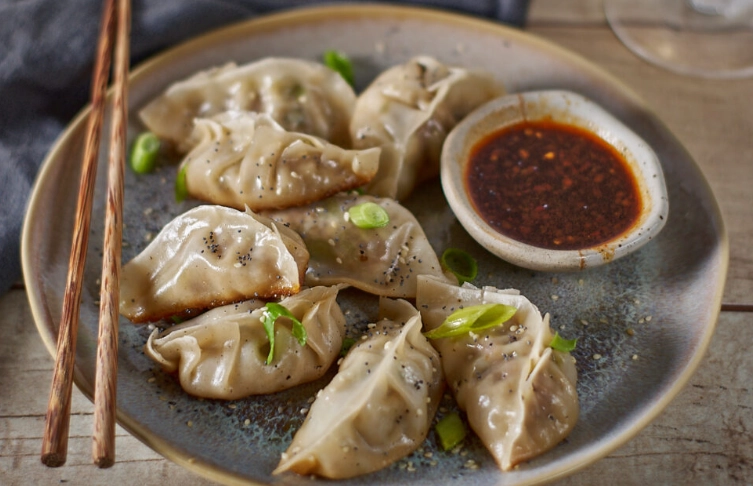
Frequently Asked Questions (The Stuff You Actually Search For)
Taking It Further: Resources & Inspiration
Once you've got the basics down, it's fun to dive deeper. For truly authoritative information on Japanese culinary techniques and ingredients, the Japan National Tourism Organization's food guide is a wonderful, reliable resource. It gives context to the dishes we love.
For the science behind the perfect sear and moisture control in meat (which directly applies to your filling), the USDA's food safety and preparation guidelines, while not about gyoza specifically, offer solid, science-based principles for handling proteins like pork.
And sometimes, you just want to see a master at work. While not an official source, watching videos from renowned Japanese cooking teachers can be incredibly instructive for getting the feel of wrapping and cooking.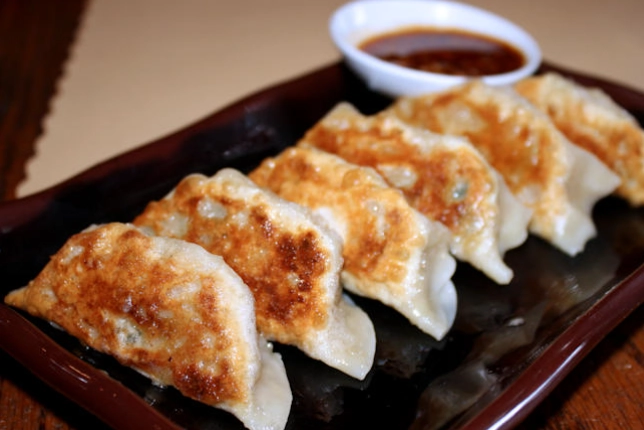
Reader Comments