You've probably had one. Maybe from a convenience store in Japan, or a trendy cafe. That simple triangle of rice, hiding a creamy, savory heart of tuna and mayonnaise. It seems straightforward, right? Rice, canned tuna, mayo. Yet, the gap between a good onigiri tuna mayo and a great one is wider than you think. I've made hundreds, maybe thousands. I've also had my fair share of failures—crumbly rice, soggy seaweed, filling that squirts out the side. This guide is about closing that gap for good.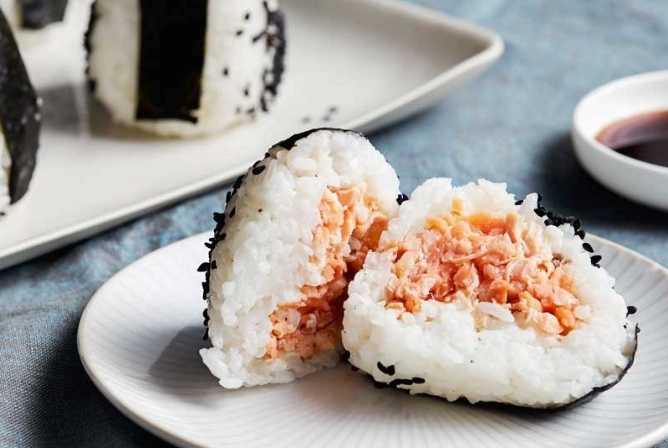
What's Inside This Guide
- What Makes Onigiri Tuna Mayo So Good?
- How to Make Onigiri Tuna Mayo: A Step-by-Step Guide
- The Golden Rules of Onigiri (That Most Recipes Don't Tell You)
- Beyond the Basics: Creative Variations and Serving Ideas
- Finding Great Onigiri Tuna Mayo in Restaurants (A Short Guide)
- Your Onigiri Tuna Mayo Questions, Answered
What Makes Onigiri Tuna Mayo So Good?
Let's break down the magic. It's a textural and flavor symphony. Warm, slightly sticky short-grain rice provides a neutral, comforting base. The filling is the star: flaky tuna (packed in water or oil, it matters) mixed with Japanese mayonnaise. This mayo is different—it's richer, tangier, with more umami than its Western counterparts, thanks to ingredients like apple cider vinegar and MSG. It binds the tuna into a creamy paste that's savory, a little sweet, and deeply satisfying. Wrapped in a crisp sheet of nori seaweed, it adds a hit of salty, oceanic crunch that contrasts everything perfectly. It's portable, filling, and hits all the right notes.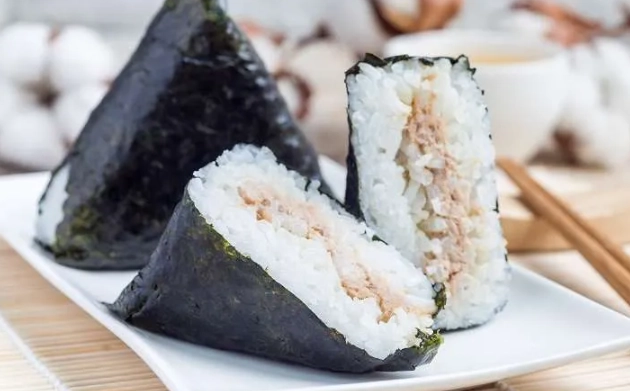
But here's the thing most people miss. The rice isn't just a vessel. Its temperature and seasoning are crucial. Room-temperature or slightly warm rice is pliable and releases its aroma. Cold rice from the fridge is hard, dry, and won't stick together properly. A tiny, invisible layer of salt on your hands as you shape it seasons the entire exterior. That's the first secret.
How to Make Onigiri Tuna Mayo: A Step-by-Step Guide
Forget fancy tools. You need your hands, a bowl, and a few simple ingredients. Here's the blueprint.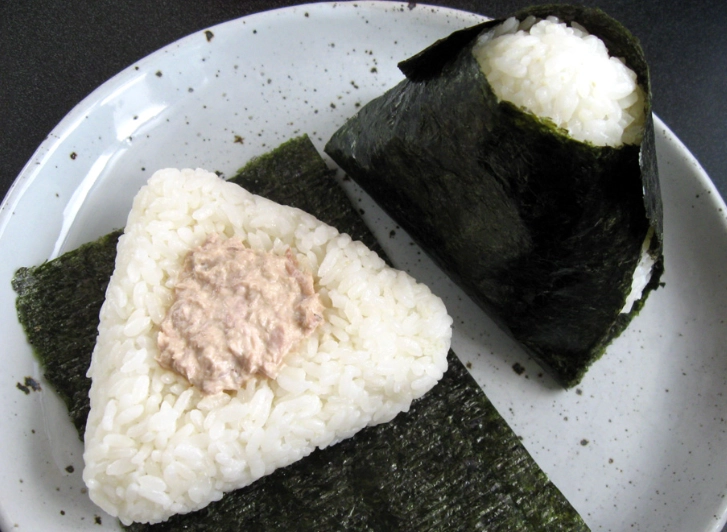
| Ingredient | Quantity & Notes | Purpose |
|---|---|---|
| Japanese short-grain rice (e.g., Koshihikari) | 2 cups (uncooked). This yields about 4-6 onigiri. | The foundation. Its stickiness is non-negotiable. |
| Canned tuna | 1 can (about 5 oz / 140g). Drained very well. | The protein core. In water for a lighter taste, in oil for more richness. |
| Japanese mayonnaise (Kewpie) | 2-3 tablespoons. Adjust to taste. | The creamy, umami-rich binder. |
| Soy sauce or salt | A few drops or a pinch. | To season the filling and your hands. |
| Toasted nori seaweed sheets | Cut into strips or rectangles. | For handling and that essential crunch. |
The Filling: Don't Just Mix It
Drain the tuna in a sieve. Press it with a spoon to get out as much liquid as possible. This is critical. A wet filling makes soggy rice. In a bowl, flake the tuna with a fork. Add the Kewpie mayo. Now, here's my personal twist: add a tiny splash of soy sauce (about 1/4 tsp) instead of just salt. It adds depth. Mix until it's a cohesive, spreadable paste. Taste it. It should be flavorful on its own.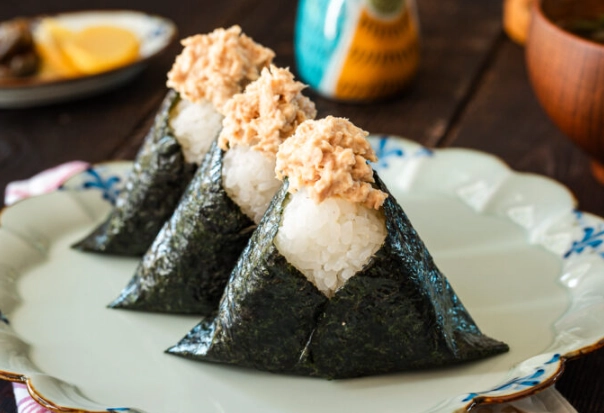
Shaping the Onigiri: It's a Feel, Not a Force
Cook your rice according to package directions. Let it cool just enough to handle—steamy warm is perfect. Have a small bowl of water and a dish of salt nearby. Wet your hands lightly, then dip your fingertips in the salt. You're creating an invisible saline layer.
Take a handful of rice (about a loose baseball size) into your cupped hand. Make a small indentation in the center with your thumb. Spoon in about a tablespoon of the tuna mayo filling. Don't be greedy; overfilling is the main cause of structural failure.
Now, gently cup your other hand over the rice. Don't squeeze. Use a gentle pressing and rotating motion to enclose the filling and form a rough triangle. You're coaxing the rice grains to stick together, not compacting them into a dense brick. Aim for a shape that feels secure but still has air pockets. It should hold together when you lift it, but not feel like a rock.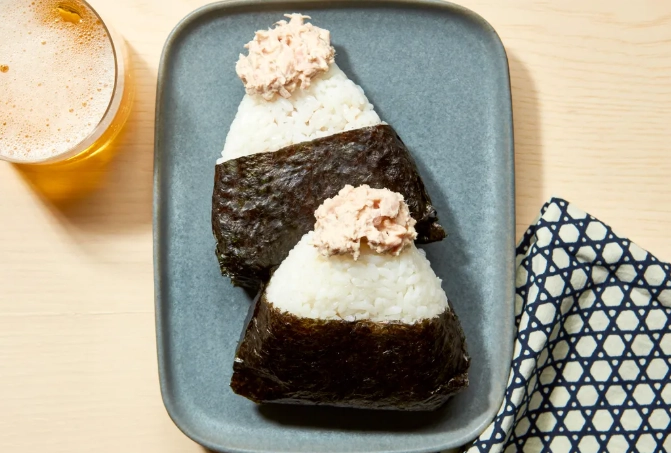
Wrap with a strip of nori just before eating. If you wrap it too early, the nori absorbs moisture from the rice and becomes unpleasantly chewy.
The Golden Rules of Onigiri (That Most Recipes Don't Tell You)
After years of trial and error, these are the non-negotiables I've learned.
Rice Temperature is King: Never use fridge-cold rice. The starches have hardened. Warm rice is malleable. If you must use leftover rice, re-steam it or sprinkle with a little water and microwave briefly to revive it.
The Draining Ritual: I can't stress this enough. Your tuna must be bone-dry. After draining in a sieve, spread it on a paper towel and pat it. A wet filling is the fastest route to a disintegrating onigiri.
Salt Your Hands, Not (Just) the Rice: Salting the cooking water isn't enough for the exterior. The salt on your hands seasons every grain it touches, creating a perfect flavor gradient from the savory outside to the rich center.
The Loose Grip: You are not making a snowball. Squeezing too hard creates a dense, gummy texture. Think "mold" and "guide," not "crush." The final texture should be cohesive but still have individual grains you can almost distinguish.
Nori Timing: Apply the nori at the last possible second. If packing for lunch, store the nori separately in a little baggie and wrap at your desk. The contrast between crisp seaweed and soft rice is half the joy.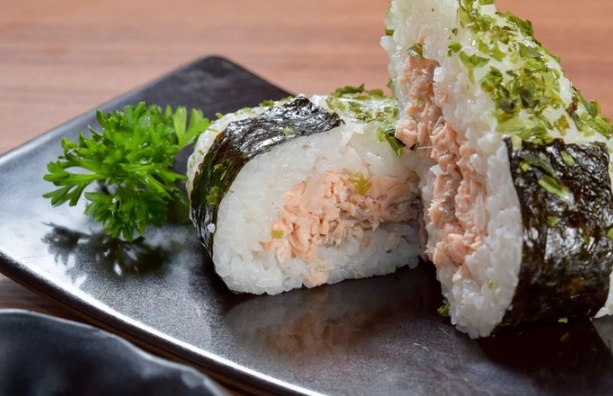
Beyond the Basics: Creative Variations and Serving Ideas
Once you've mastered the classic, play around.
Add a teaspoon of finely chopped celery or onion to the filling for crunch. A pinch of black pepper or shichimi togarashi adds heat. For a richer version, mix in a little cream cheese.
Instead of triangular, try shaping them into round balls (teiguri) or cylinders (tawara). You can also lightly pan-fry or grill the formed onigiri until a golden crust forms—this is called yaki onigiri, and it's fantastic with a brush of soy sauce.
Serve it as part of a bento box with some pickled vegetables (like umeboshi or takuan), tamagoyaki (sweet rolled omelette), and some steamed greens. For a quick dinner, pair two onigiri with a simple miso soup. It's a complete, comforting meal.
Finding Great Onigiri Tuna Mayo in Restaurants (A Short Guide)
Sometimes you want to taste the benchmark. If you're in Tokyo, skip the 7-Eleven (though theirs are surprisingly decent) and seek these out.
Onigiri Bongo (おにぎり ぼんご) in Asakusa is a tiny, legendary shop. They've been hand-shaping onigiri since 1954. Their tuna mayo is simple, perfect, and the rice is sublime. Expect to queue. Address: 2-1-1 Kaminarimon, Taito City. A classic onigiri costs around 200-300 yen. Open 11:00 AM until they sell out, often by early afternoon. Closed Wednesdays.
Yadoroku (やどろく), also in Asakusa, holds a Michelin Bib Gourmand. It's a sit-down onigiri experience. Their rice is cooked in a traditional kamado stove. The attention to detail is insane. It's more expensive (set menus from 1500 yen) and requires planning, but it's a masterclass. Address: 3-9-10 Asakusa, Taito City.
For a modern twist, Onigiri Masa (おにぎり まさ) in Omotesando offers artisanal versions. Their tuna mayo might include secret spices or premium tuna. It's a lunch spot for the stylish crowd. Address: 4-12-12 Jingumae, Shibuya City. Prices range from 250-400 yen per piece.
Note: Menus and hours change. Always check the latest info online before making a trip.
Reader Comments