I still remember the first time I ordered tekka maki. It was at a tiny, ten-seat counter in Tokyo, the kind of place where the chef eyes you up before deciding if you're worthy. I pointed at the simple roll listed as "鉄火巻." What arrived were six neat cylinders of vinegared rice and nori, each with a core of brilliant red tuna. No avocado, no spicy mayo, no tempura crunch. Just purity. One bite, and I understood. This wasn't just sushi; it was a masterclass in restraint and quality. Tekka maki is the sushi equivalent of a perfectly tailored white shirt—simple, essential, and revealing of true quality.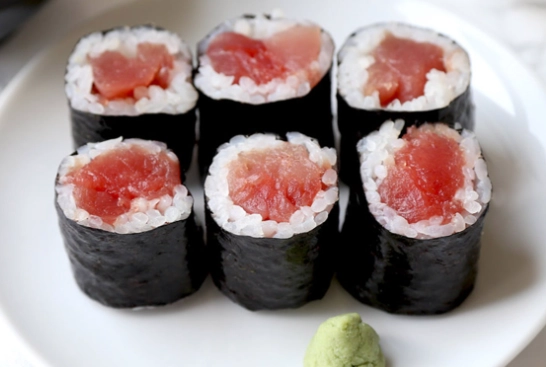
If you've ever scanned a sushi menu and wondered about that straightforward "tuna roll," you're in the right place. This guide is for anyone who wants to move beyond California rolls and understand a cornerstone of real Japanese sushi.
What's Inside This Tekka Maki Guide
What is Tekka Maki? A Simple Roll with a Wild History
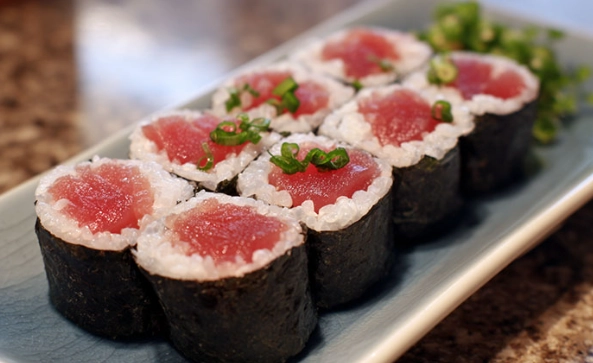
At its core, tekka maki is a futomaki (thick roll) containing only one ingredient: raw tuna. Sushi rice is spread on a sheet of nori (seaweed), a strip of fresh, sashimi-grade tuna is laid down the center, and it's rolled tightly using a bamboo mat. That's it. The roll is then cut into six or eight pieces.
The name is where things get interesting. "Tekka" (鉄火) literally means "iron and fire." It's an old Japanese slang term for a gambling den. The popular story, which you can find referenced in historical accounts of Edo-period food culture, is that this roll was a favorite among gamblers. It was quick to eat with one hand, leaving the other free for dice or cards. The vivid red of the tuna against the white rice was said to resemble red-hot iron. So, you're eating a roll with a bit of a rebellious, old-world vibe.
Not just any tuna: While modern versions might use different cuts, the traditional and best choice is akami (赤身), the lean, deep red meat from the back of the bluefin or yellowfin tuna. It has a clean, meaty, slightly metallic flavor that defines the roll. Using fatty toro changes the character completely—it becomes richer, but it's not classic tekka maki.
How to Make Tekka Maki at Home: A Step-by-Step Guide
Think you need years of training? You don't. Making tekka maki at home is absolutely achievable. The real challenge isn't the rolling—it's sourcing the right fish and cooking the rice perfectly. I've taught dozens of friends, and the biggest mistake is always rushing the rice.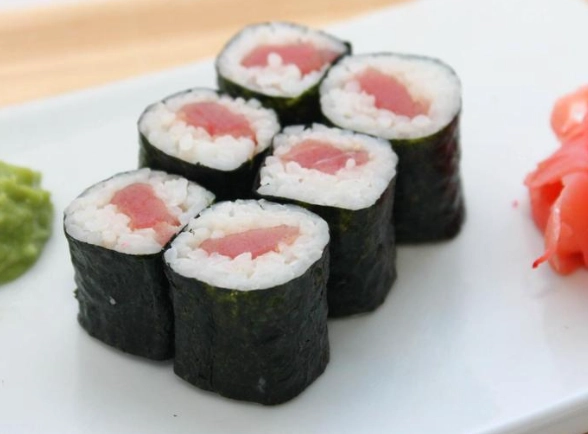
The Non-Negotiables: Your Ingredient Checklist
Sashimi-Grade Tuna: This is the make-or-break item. "Sashimi-grade" isn't a legal term, but it signals the fish has been frozen to a temperature that kills parasites (usually -20°C / -4°F for 7 days) and is handled for raw consumption. Find a trusted fishmonger or a Japanese grocery store. Ask for akami. You'll need about 100-150 grams for two rolls.
Japanese Short-Grain Rice: Don't use Jasmine or Basmati. The starch content is wrong. Brands like Koshihikari are ideal.
Rice Vinegar, Sugar, Salt: For seasoning the rice (sushi-zu).
Nori Sheets: Get the full-sized, toasted sheets for makizushi.
A Bamboo Rolling Mat (Makisu): Essential for a tight roll. Wrap it in plastic wrap first for easy cleanup.
The Step-by-Step Process (Where Most Guides Get the Rice Wrong)
Step 1: The Rice is Everything
Wash the rice until the water runs almost clear. Cook it according to package directions, but use a tiny bit less water than usual for a firmer texture. Here's the critical part almost everyone misses: the rice temperature when seasoning. Transfer the hot rice to a wide, non-metallic bowl (a hangiri is traditional, but wood or plastic works). Sprinkle the vinegar-sugar-salt mixture over it and fold gently with a rice paddle or spatula using a slicing motion. Do NOT smash the grains. Fan the rice while you mix to cool it down to body temperature. This gives it a glossy shine and the perfect sticky-yet-separate texture. Warm rice melts the nori and makes a soggy roll.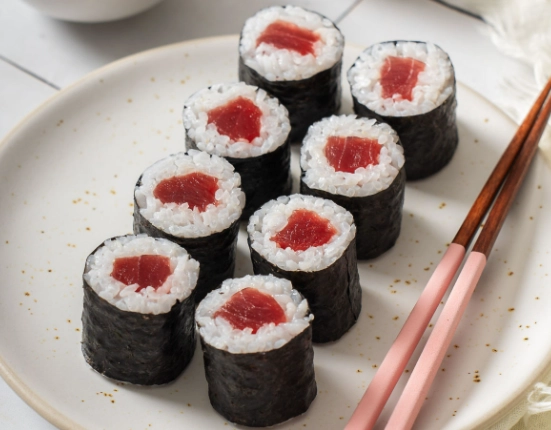
Step 2: Prep the Tuna
Your tuna block should be cold. With a very sharp knife (a sashimi bōchō is best, but a long, thin chef's knife works), cut against the grain into a long, rectangular strip about 1 cm thick. The length should be just shorter than the width of your nori sheet. Dull knives crush the fibers and ruin the texture.
Step 3: The Roll
Place a nori sheet shiny-side down on the bamboo mat. With slightly wet hands, take a handful of rice (about 1 cup) and spread it evenly over the nori, leaving a 2 cm border at the top farthest from you. Press gently. Lay the tuna strip horizontally across the rice, about one-third of the way up from the bottom edge. Lift the mat with your thumbs, using your fingers to hold the filling in place, and roll it over tightly, sealing the edge with the rice-less border. Apply gentle, even pressure along the roll to compact it. Don't squeeze like you're wringing out a towel.
Step 4: Cut and Serve
Let the roll rest for a minute. Wet your sharp knife (wipe between each cut) and cut the roll in half. Then, cut each half into thirds or quarters for the classic pieces. Serve immediately with soy sauce, wasabi, and pickled ginger. The nori should still be crisp.
Your first roll might not be perfect. Mine looked a bit lopsided. The key is the taste. If your rice is seasoned well and your tuna is fresh, even an ugly roll will be delicious.
Where to Find the Best Tekka Maki: Top Restaurant Picks
Sometimes, you just want to leave it to the pros. A great tekka maki in a restaurant is a benchmark of their quality. Here are a few spots, from Tokyo to New York, where the tekka maki is taken seriously.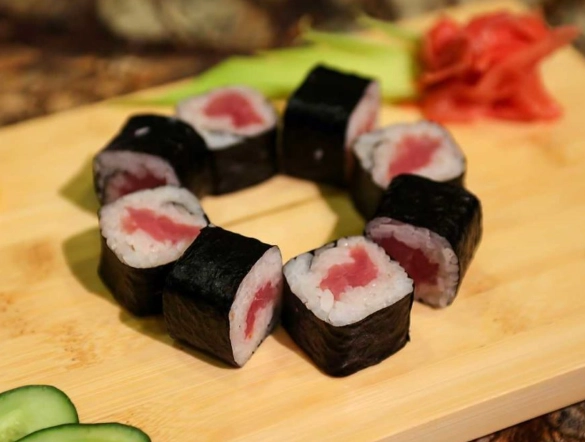
| Restaurant | Location | Why It's Special | Price Point (per order) | Note |
|---|---|---|---|---|
| Sukiyabashi Jiro (Roppongi Branch) | Roppongi, Tokyo | Yes, *that* Jiro. The tekka maki here is served as the final, perfect bite to cleanse the palate. The rice is warm, the tuna is pristine, and the roll is impossibly tight. | Very High (Part of omakase) | Reservations are famously difficult. The Roppongi branch, run by Jiro's son, is slightly more accessible. |
| Sushi Dai | Tsukiji Outer Market, Tokyo | A legendary queue, but for a reason. Their tekka maki uses incredibly fresh tuna from the market and has a robust, hearty flavor. It's a power breakfast. | Moderate | Go at 5 AM or prepare for a 3+ hour wait. It's an experience. |
| Sushi Nakazawa | West Village, New York City | Chef Nakazawa's omakase often finishes with his signature tekka maki. The balance is impeccable—the rice has a pronounced vinegar note that cuts the rich tuna perfectly. | High (Part of omakase) | You can sometimes order it à la carte at the bar. Call ahead. |
| Kazu Sushi | Los Angeles, CA | A no-frills, cash-only spot favored by chefs. Their tekka maki is straightforward, generous with the tuna, and consistently excellent. It tastes like focus. | Low-Moderate | Perfect for a quick, high-quality sushi fix without the ceremony. |
When judging a restaurant's tekka maki, look for the crispness of the nori (it shouldn't be chewy or damp), the temperature of the rice (just below body temp), and the cut of the tuna. Is it a uniform, deep red strip, or is it scrappy bits mashed together? The former shows respect for the ingredient.
Your Tekka Maki Questions, Answered
Over the years, I've heard every question imaginable about this roll. Here are the ones that come up again and again, with answers that go beyond the basic facts.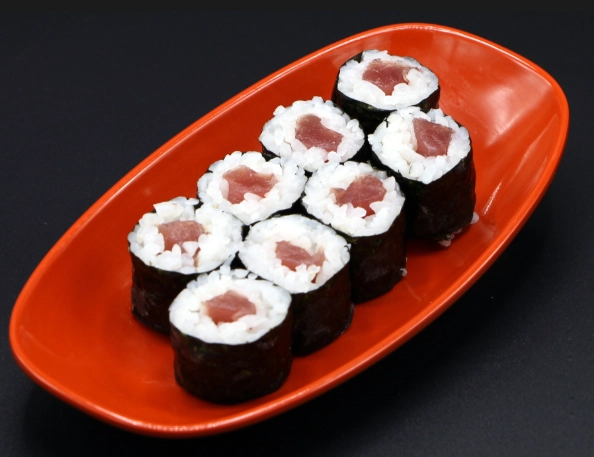
Tekka maki proves that in sushi, less is almost always more. It forces you to pay attention to the quality of each component. Whether you're seeking out the best version in a top-tier restaurant or gathering the courage to make it in your own kitchen, mastering this simple roll is a deep dive into the heart of Japanese culinary philosophy. Next time you see it on the menu, skip the fancy rolls. Order the tekka maki. It tells you everything you need to know about the chef and the restaurant. And that, in my book, is the real test.
Reader Comments