You see "sukiyaki steak" on a menu and picture a thick, seared piece of beef. I did too, the first time. The reality is more interesting, and frankly, more delicious. It's not a steak in the Western sense. It's an experience—a communal, interactive, and deeply flavorful dive into one of Japan's most beloved nabemono (hot pot) dishes. Let's clear up the confusion and get into what makes sukiyaki steak a must-try, whether you're ordering it out or daring to make it at home.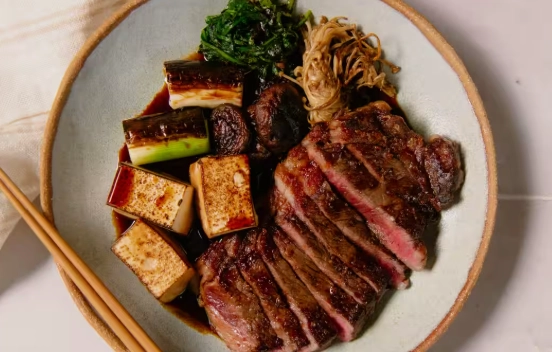
In This Article
What Exactly Is Sukiyaki Steak?
At its heart, sukiyaki is a Japanese one-pot meal where thinly sliced beef is simmered in a shallow iron pot with vegetables, tofu, and noodles, all in a signature sweet-and-savory broth called warishita. The "steak" part refers to the beef, which is the star. But here's the twist: you don't grill it. You cook it gently in the liquid, then often dip it into a bowl of raw, beaten egg before eating.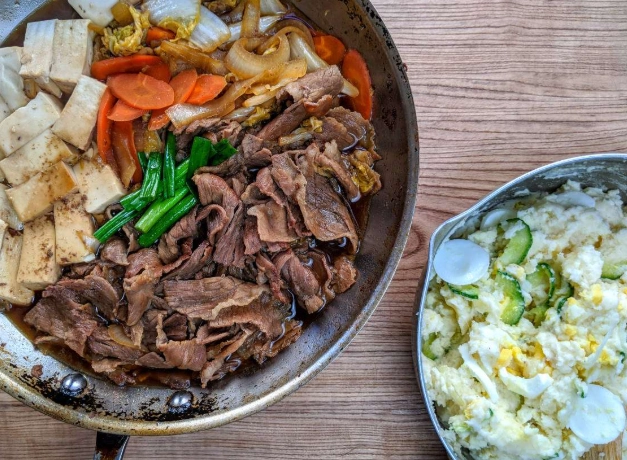
The flavor is unmistakable. The warishita is a blend of soy sauce, mirin (sweet rice wine), sugar, and dashi (Japanese soup stock). It creates a rich, complex glaze that clings to every ingredient. The raw egg dip, called tsukimi, might sound odd, but it adds a luxurious, creamy coolness that tempers the heat and richness perfectly.
Historically, sukiyaki became popular in the Meiji era after the ban on eating meat was lifted. It was a luxurious dish. Today, it's a staple for celebrations and cold winter nights. There are two main regional styles: Kansai (from Osaka/Kyoto) and Kanto (from Tokyo). In Kansai-style, you sear the beef with sugar first to caramelize it, then add the liquids. In Kanto-style, you mix the warishita sauce beforehand and simmer everything in it from the start. Most restaurants outside Japan serve the Kanto style—it's simpler and more consistent for group dining.
How to Make Perfect Sukiyaki Steak at Home
You don't need a fancy Japanese hot pot (donabe). A large, shallow skillet or electric skillet works fine. The real keys are the ingredients and technique.
The Non-Negotiables: Your Shopping List
Beef: This is where you decide your budget. You want it thinly sliced for quick cooking. Look for "sukiyaki-cut" or "shabu-shabu-cut" beef at Asian markets. If you can't find it, partially freeze a steak and slice it as thin as possible with a sharp knife.
- Budget-Friendly: Well-marbled ribeye or sirloin.
- The Upgrade: American or Australian Wagyu. The marbling melts into the broth.
- The Splurge: Japanese A5 Wagyu (if you can find and afford it—it's transformative).
Warishita Sauce: You can buy pre-mixed bottles, but homemade is superior and easy.
Vegetables & More: Shiitake mushrooms, enoki mushrooms, napa cabbage, green onions (cut into long strips), firm tofu (grilled is traditional), and shirataki noodles (konjac noodles) or udon noodles added later to soak up the sauce.
The Egg: Use the freshest, highest-quality eggs you trust for eating raw.
The Homemade Warishita Sauce Recipe (Serves 4)
Mix these in a bowl before you start cooking:
- 1 cup dashi (instant dashi granules are fine)
- 1/2 cup soy sauce (use a Japanese brand like Kikkoman for balance)
- 1/2 cup mirin
- 1/4 cup sugar (adjust to taste; this is the sweet core of sukiyaki)
That's your base. Some add a splash of sake. I find the mirin provides enough complexity.
The Cooking Process: A Step-by-Step Walkthrough
1. Prep Everything: Arrange your sliced beef, vegetables, and tofu on a large platter. It should look like a colorful mosaic. Beat 1 egg per person in individual small bowls.
2. Heat the Pot: Place your skillet over medium heat. Add a tiny bit of beef fat or neutral oil if your beef isn't fatty.
3. Cook the Beef (Briefly): Add a few slices of beef. Let them just lose their pink color—this takes seconds. Don't crowd the pan.
4. Add Sauce & Veggies: Pour in about a third of your warishita sauce. It should bubble gently. Start adding vegetables and tofu around the beef, submerging them slightly.
5. Simmer, Don't Boil: This is the crucial part. Reduce the heat to a gentle simmer. Let everything cook for 5-7 minutes until the veggies are tender but still have bite.
6. Eat, Repeat: Using chopsticks, take a piece of beef, dip it in your personal bowl of raw egg, and eat. Then enjoy the vegetables and tofu. Add more ingredients and sauce to the pot as you go, in batches.
7. The Grand Finale (Shime): When most of the sauce is gone and packed with flavor, add pre-cooked udon noodles to the pot to soak up every last drop. It's the best bite.
Where to Eat Sukiyaki Steak: Restaurant Guide
If you want the full, no-fuss experience, a good restaurant is the way to go. Here are three distinct types of places where you can find excellent sukiyaki, based on my own searches and meals.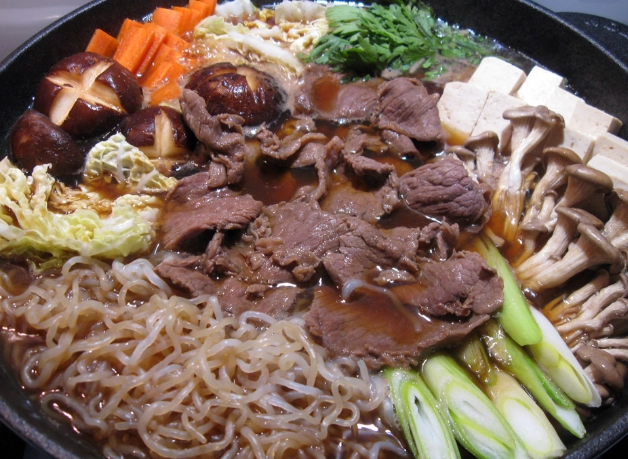
| Restaurant / Style | What to Expect & Signature Point | Price Point (per person) | Best For |
|---|---|---|---|
| The High-End Traditional Kaiseki (e.g., places in NYC's Midtown or LA's Little Tokyo) |
Multi-course meal. Sukiyaki is the main event, served course-by-course by a server. Expect premium Japanese A5 Wagyu, exquisite presentation, and a serene atmosphere. They often explain the ritual. | $$$$ ($120 - $250+) | Special occasions, true culinary immersion, experiencing the highest grade of Wagyu. |
| The Modern Yakiniku/Hot Pot Hybrid (Trendy spots in major cities) |
You often cook it yourself at a built-in table grill/hot pot. They provide the warishita base and high-quality meats (often American Wagyu or prime beef). More casual, lively vibe. Great for groups. | $$$ ($50 - $90) | Group dinners, a fun and interactive night out, trying multiple meat grades. |
| The Authentic Local Izakaya or Nabe-ya (Found in Japanese neighborhoods) |
No frills, maximum flavor. The sukiyaki is often a large pot for the table. The beef might be excellent domestic cuts rather than Wagyu. Focus is on hearty, comforting food and a local crowd. | $$ ($30 - $50) | Authentic experience without the luxury price tag, casual meals, feeling like a regular. |
What to look for on the menu: The description of the beef. "Japanese A5 Wagyu" is the top tier. "Miyazaki" or "Kobe" beef are specific, prized prefectures. "Domestic Wagyu" or "Prime Beef" will still be delicious at a lower cost. Lunch sets are almost always a better deal than dinner.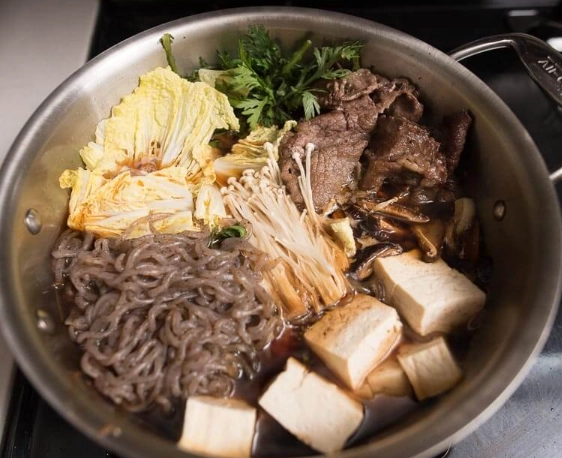
Common Mistakes & Pro Tips
After watching countless people (and messing up myself), here are the subtle errors that can derail your sukiyaki.
Mistake #1: Boiling the Broth. Once you add the warishita and ingredients, a rolling boil is your enemy. It toughens the thin beef instantly. Keep it at a shivering simmer.
Mistake #2: Overcrowding the Pot. You're not making a casserole. Cook in batches. This keeps the temperature even and lets you enjoy each ingredient at its peak.
Mistake #3: Skipping the Shirataki or Udon at the End. The shime (finishing course) with noodles is non-negotiable. The noodles absorb the concentrated, meaty, sweet-salty broth that's developed over the meal. It's the culmination of all the flavors.
Pro Tip - The Beef Fat Start (Kansai Hack): Even if making Kanto style, try this: before adding the sauce, render a bit of fat from a beef slice in the pot. Swirl it around. It adds a deep, meaty fragrance to the entire dish that you can't get from oil alone.
Sukiyaki vs. Shabu Shabu: What's the Difference?
They're often on the same menu, both involve thin beef and a pot. The confusion is understandable, but the experiences are opposites.
- Broth: Sukiyaki uses a rich, seasoned, sweet warishita from the start. Shabu Shabu uses a clear, mild kombu dashi (seaweed broth).
- Flavor Direction: In sukiyaki, the ingredients take on the sauce's flavor. In shabu shabu, the ingredients impart their flavor to the broth, which you drink or use for porridge at the end.
- Dipping: Sukiyaki uses raw egg (tsukimi). Shabu Shabu uses ponzu (citrus-soy) and goma (sesame) sauces.
- Vibe: Sukiyaki is rich, sweet, and hearty. Shabu Shabu is clean, delicate, and focuses on the pure taste of the ingredients.
Think of sukiyaki as the bold, flavorful cousin and shabu shabu as the refined, subtle sibling.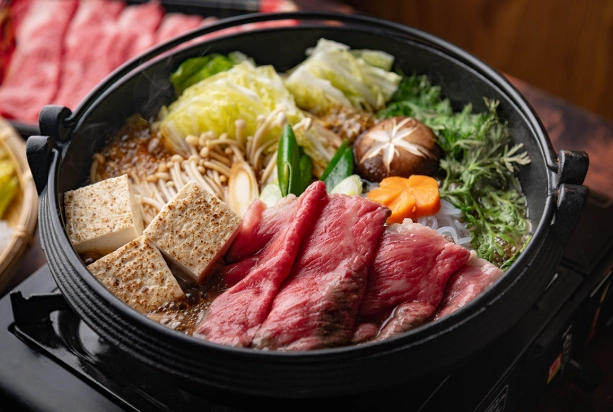
Your Sukiyaki Questions Answered
What's the main difference between sukiyaki steak and a regular grilled steak?
The core difference is the cooking method and flavor profile. A regular steak is grilled or pan-seared to develop a crust and served with its own juices or a separate sauce. Sukiyaki steak is thinly sliced, simmered at the table in a sweet-salty soy-based broth called warishita, and often dipped in raw beaten egg. It's less about the Maillard reaction and more about the tender, broth-infused texture and communal dining experience.
Can I substitute the raw egg dip when eating sukiyaki steak?
Absolutely. While the raw egg (tsukimi) is traditional and adds a rich, creamy coating that slightly cooks from the hot meat, it's not mandatory. If you're uncomfortable with raw eggs, simply skip it. The meat will still be delicious from the warishita broth. Some modern restaurants might offer pasteurized eggs for safety, so it's worth asking.
What's the one mistake people make with sukiyaki sauce (warishita) at home?
The most common mistake is boiling the warishita sauce aggressively once the meat and vegetables are added. A hard boil will make the thinly sliced beef tough and rubbery. The key is a gentle simmer. You want the ingredients to cook through in the hot, flavorful liquid without being agitated. Think of it as poaching, not boiling. This keeps the beef melt-in-your-mouth tender.
Is sukiyaki steak considered an expensive meal to order at a restaurant?
It can range from moderately priced to very expensive, heavily dependent on the quality of beef. A course meal featuring domestic (non-Wagyu) beef with vegetables, noodles, and rice might cost $25-$40 per person. If the restaurant uses premium Japanese A5 Wagyu, the price can easily jump to $80-$150+ per person. Always check the menu for the beef origin. Lunch sets are often a more affordable way to try it.
So, is it a steak? Not really. It's better. It's a social, flavorful journey that turns a meal into an event. Whether you're meticulously arranging ingredients in your own kitchen or letting a expert chef guide you through it in a restaurant, sukiyaki offers a taste of Japanese culinary culture that's warm, rich, and utterly satisfying. Grab some friends, a pot, and your chopsticks—it's time to dig in.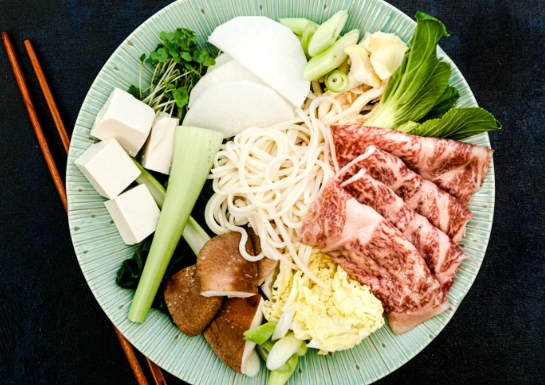
Reader Comments