Let's be honest. Most guides to Japanese curry recipe start and end with a box of store-bought roux. It's fine. It's fast. But it's never quite yours, is it? The flavor is always someone else's balance of sweet and savory. If you've ever wondered why your homemade version doesn't taste like the one from that little shop in Tokyo or even your favorite Japanese restaurant down the street, I'm telling you now: the secret is in building the roux from scratch.
I learned this the hard way. My first dozen attempts were mediocre at best. The meat was chewy, the sauce was thin, and it tasted like spiced brown water. It wasn't until I spent time with a chef in Osaka, watching the meticulous care taken in caramelizing onions and toasting flour, that it clicked. Japanese curry isn't a dump-and-stir dish. It's a layered construction of flavor.
This guide is that lesson. We're going beyond the box.
What You'll Find in This Guide
The Ingredient Deep Dive: Why Each One Matters
You can't build a great house with cheap bricks. Let's talk about what goes in and, more importantly, why.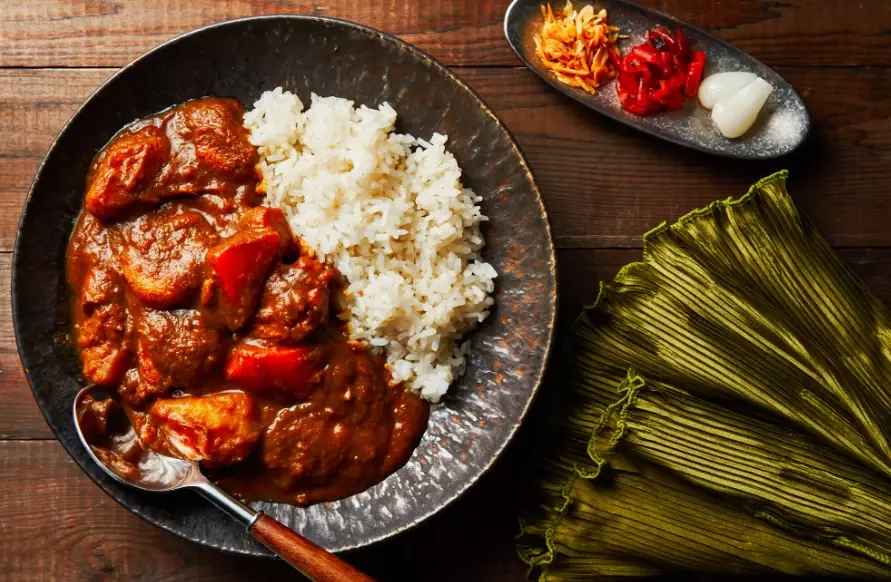
Onions: The Sweet Foundation
This is the most underestimated step. Thinly sliced onions are cooked low and slow until they collapse into a jammy, deeply caramelized paste. This isn't a 5-minute sauté. We're talking 30 to 40 minutes. This maillard reaction creates a profound sweetness and umami that forms the base of the entire sauce. Skipping this is the number one reason homemade curry lacks depth.
The Meat: Choosing and Treating It Right
Chuck roast or beef stew meat is king. It has connective tissue and fat that break down during long cooking, becoming incredibly tender. Chicken thighs (bone-in, skin-on for maximum flavor) are a great alternative. The critical step? A hard sear in batches. Don't crowd the pot. You want a dark brown crust on the meat. That fond (the browned bits stuck to the pot) is pure flavor gold for the next step.
Vegetables: Texture and Function
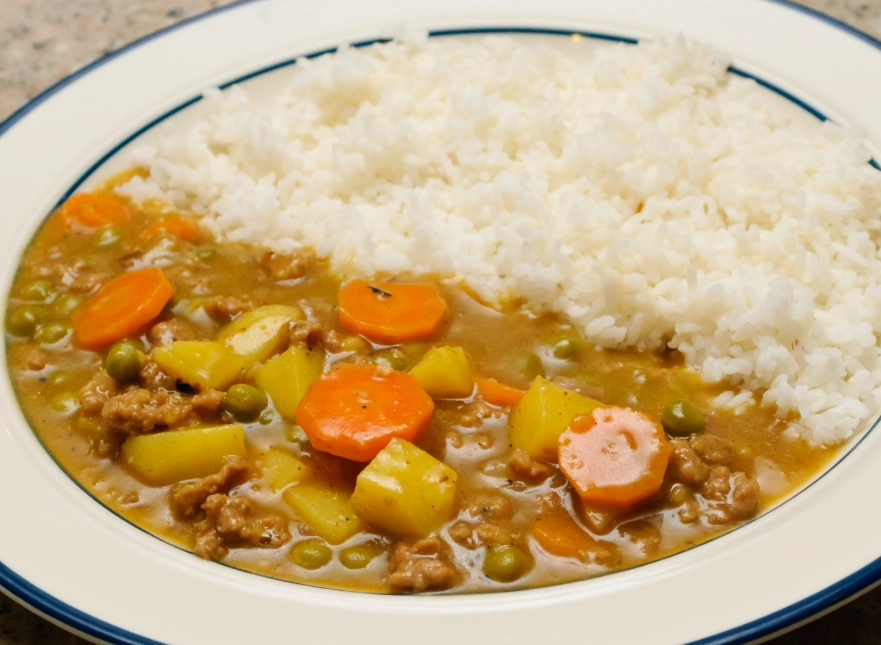
Carrots, potatoes, and sometimes mushrooms. Cut your carrots and potatoes into large, uneven chunks. They'll cook for a while, and you don't want them to disintegrate. Use starchy potatoes like Russets or Yukon Golds—they'll help thicken the curry slightly as they cook. Waxy potatoes like red potatoes stay too firm.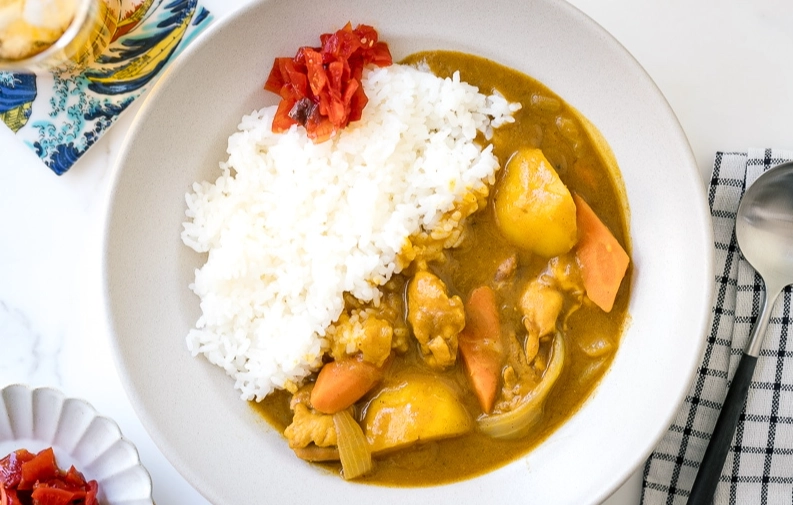
| Ingredient | Key Role | Pro Tip |
|---|---|---|
| Onions (3 large) | Creates sweet, umami base | Cook 30+ mins until deeply browned, not just soft. |
| Beef Chuck (2 lbs) | Provides rich, tender protein | Sear in batches over high heat. Don't move it until it releases. |
| Carrots (2 large) | Adds sweetness and color | Cut into 1.5-inch rolling wedges for even cooking. |
| Potatoes (2 large) | Thickens sauce, provides body | Use starchy potatoes. Add later than carrots to prevent mush. |
| Garlic & Ginger (2 tbsp each, minced) | Aromatic foundation | Add after onions, cook for just 1 minute until fragrant. |
| Broth (6 cups) | Liquid base | Use a mix of beef and chicken broth for complexity. |
Step-by-Step Mastery: Building Flavor Layers
Here’s the sequence. Messing this up is like putting the frosting on before the cake is baked.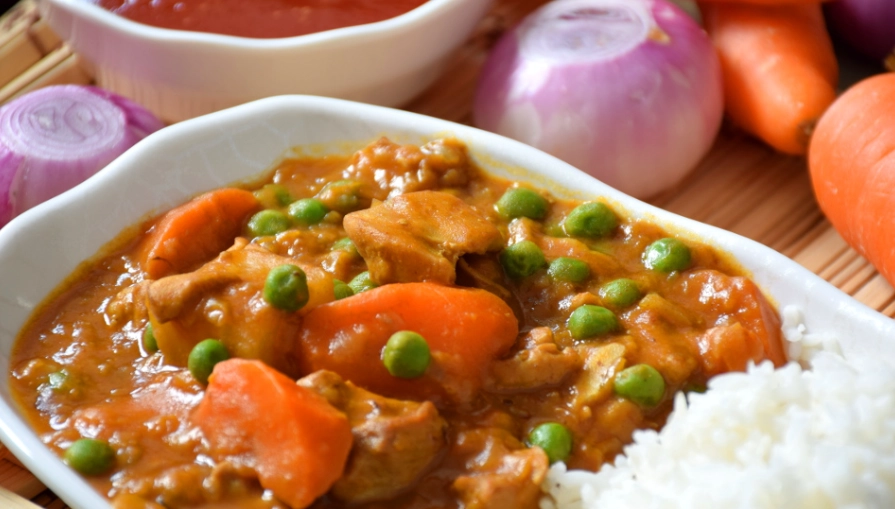
1. Caramelize the Onions. In your heavy pot or Dutch oven, cook the onions with a pinch of salt in oil or butter (or a mix) over medium-low heat. Stir occasionally. Be patient. They'll go from translucent, to yellow, to golden, to a deep, sticky brown. This is flavor layer one.
2. Sear the Meat. Remove the onions. Crank the heat to medium-high. Add a bit more oil. Pat your meat dry—this is crucial for browning. Add it in a single layer, don't crowd. Leave it alone for a few minutes to develop a proper crust. Flip, sear the other side. Do this in batches. Remove the meat.
See all those delicious brown bits in the pot? That's fond. We're using that.
3. Deglaze and Build Aromatics. With the heat still on, add a splash of your broth or even water. Scrape all that fond up with a wooden spoon. Now add your minced garlic and ginger. Cook for just 60 seconds until incredibly fragrant.
4. Simmer the Meat. Return the meat and any juices to the pot. Add the rest of the broth. Bring to a boil, then reduce to the gentlest possible simmer. Cover and let it go for at least 1.5 hours. This is what transforms tough chuck into spoon-tender goodness. This step alone separates a good curry from a great one.
5. Cook the Vegetables. After 1.5 hours, add your carrots. Simmer for 15 minutes. Then add your potatoes. Simmer for another 20-25 minutes, until both are just tender. Now the stage is set for the star: the roux.
The Homemade Roux Secret (Forget the Box)
The store-bought blocks are a blend of fat, flour, curry powder, and a host of other flavorings and stabilizers. Making your own gives you complete control over flavor and thickness.
In a separate small saucepan or skillet, melt 4 tablespoons of butter over medium heat. Add 4 tablespoons of all-purpose flour. Now, cook it. Stir constantly with a whisk or spatula. It will foam, then the foam will subside. Keep going. You want it to turn a light hazelnut brown and smell deeply nutty, not like raw flour. This takes 3-5 minutes.
Here's the magic moment: off the heat, add your curry powder. I use about 3-4 tablespoons of a good Japanese-style curry powder (S&B is a classic brand you can find in many Asian markets or online). The residual heat will toast the spices in the fat, blooming their flavor dramatically. Whisk it into a thick paste.
Now, ladle about two cups of the hot broth from your stew pot into the roux pan. Whisk vigorously until it's completely smooth and thick. Pour this luxurious mixture back into the main pot.
Stir gently. Watch the magic happen. The entire pot transforms from a thin soup into a glossy, velvety, clinging sauce. Let it simmer for another 5-10 minutes to cook the flour and let the flavors marry. Season with salt, a dash of soy sauce for umami, and maybe a splash of tonkatsu sauce or Worcestershire for complexity.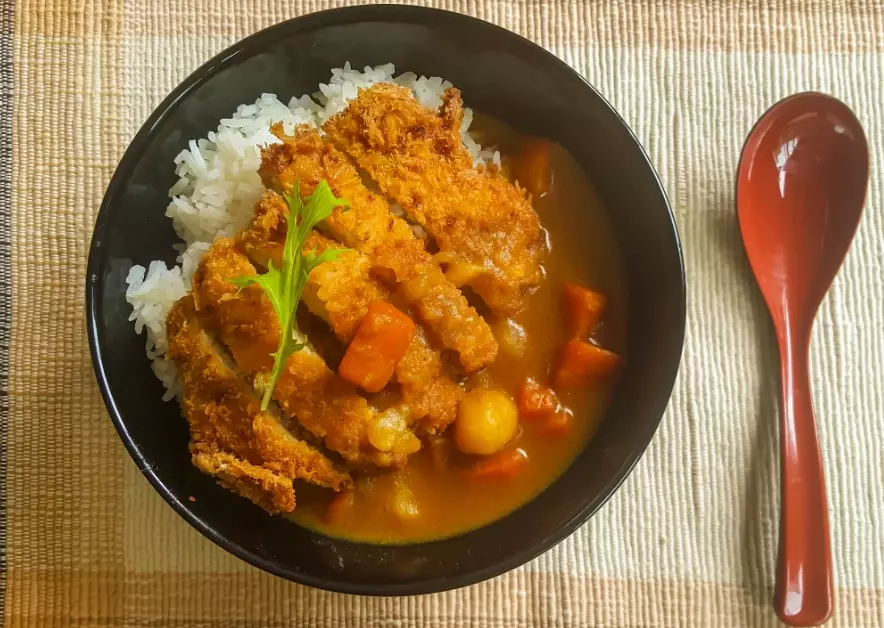
Common Mistakes & Expert Fixes
Let's troubleshoot before you even start.
Curry is too thin. You either added too much liquid or didn't cook the roux long enough. Fix: Simmer uncovered to reduce. As a last resort, make a slurry of 1 tbsp cornstarch + 2 tbsp cold water, stir it in, and simmer for 2 minutes.
Curry is too thick. Easy. Add hot water or broth, a quarter cup at a time, until it's your preferred consistency.
Meat is tough. You didn't simmer it long enough, or you used a lean cut. Chuck needs time. There's no shortcut. Simmer it low and slow, covered, for the full 90 minutes minimum.
Vegetables are mushy. You added them too early. Potatoes only need 20-25 minutes of simmering. Carrots need about 15 minutes more than that. Add them in stages.
Flavor is flat. You skipped the onion caramelization or didn't sear the meat. You also probably didn't bloom the spices in the roux. Those three steps are 80% of the flavor.
Your Top Japanese Curry Questions, Answered
 Can I make Japanese curry roux ahead of time and how long does homemade curry last?
So, toss the box. Grab your Dutch oven. The difference between a convenient weeknight meal and a deeply satisfying, restaurant-quality Japanese curry recipe is just a bit of patience and understanding of the process. It's not complicated—it's just intentional. And the result is completely, deliciously yours.
Reader Comments