Quick Navigation
Let's be honest. When you think of Japanese food, what pops into your head first? Probably sushi, right? Or maybe a steaming bowl of ramen. I get it. Those are the stars. But here's the thing I learned after living in Tokyo for a while and spending countless hours in home kitchens and izakayas: the real magic, the thing that makes a Japanese meal feel complete and nourishing down to your bones, often lies in the smaller plates on the side.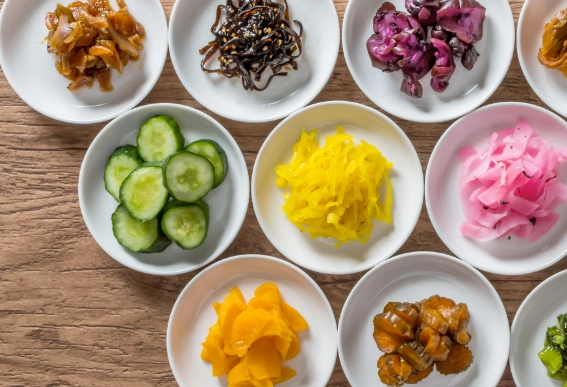
Japanese side dishes, or okazu as they're often called, are where the cuisine's philosophy shines brightest. They're about balance, seasonality, and a deep respect for ingredients. They're not just filler. They have a job to do—to complement the main protein, to cleanse the palate, to add a different texture, and to make sure you're getting a rainbow of nutrients in one sitting.
I remember my first proper home-cooked meal at a friend's house. The main was a simple piece of grilled fish. But surrounding it were three or four little bowls: some simmered squash, a small mound of spinach dressed with sesame, a few cubes of cold tofu with ginger. It was simple, but it felt like a feast. It was satisfying in a way a single large plate of food never is. That's the power of a well-composed set of Japanese side dishes.
Why Bother with Side Dishes? The Philosophy Behind It All
You might wonder, isn't it a lot of work? Making multiple small things? It can be, but it doesn't have to be. And understanding the "why" makes it worth it. This approach to eating is rooted in the traditional ichiju-sansai (一汁三菜) principle, which translates to "one soup, three dishes." It's a framework for a balanced meal.
The Ichiju-Sansai Breakdown: The "three dishes" here typically include one main protein (like fish or meat) and two or more side dishes made from vegetables, tofu, or seaweed. The "one soup" is usually miso soup. This structure ensures a variety of cooking methods (grilling, simmering, dressing raw) and a wide range of flavors and nutrients.
But it's more than nutrition. It's about harmony and the seasons. A spring meal might feature bamboo shoots (takenoko) and fresh green peas. Autumn brings mushrooms and sweet potato. This connection to the calendar is something I find deeply comforting. The Japan National Tourism Organization has some great resources on how seasonality is woven into the food culture, which you can explore here.
Another key point? Visual appeal. Japanese side dishes are meant to be beautiful. Different colored vegetables, served in small, often mismatched bowls, create a feast for the eyes. It makes eating a mindful, enjoyable experience. You're not just shoveling fuel; you're appreciating a moment.
Your Practical Guide to Building a Meal with Japanese Side Dishes
Okay, philosophy lesson over. Let's get practical. How do you actually put this into practice without spending all day in the kitchen?
The trick is in the planning and having a mental repertoire of quick, reliable dishes. You don't need to make three elaborate sides every night. Sometimes, it's a five-minute cucumber salad and some pre-made simmered beans from the fridge.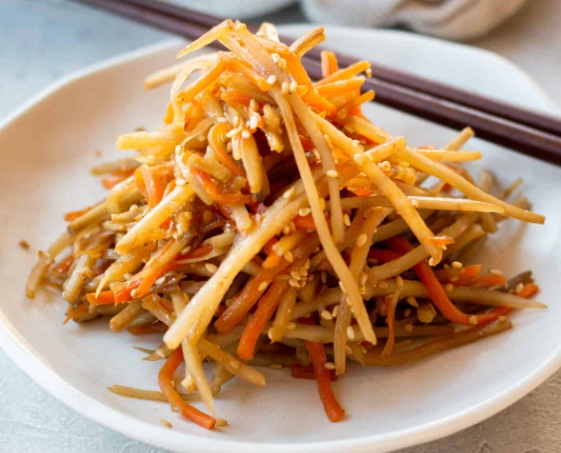
How to Choose Your Sides: A Simple Flowchart in Your Head
Think about your main dish first. Is it rich and heavy (like a pork cutlet or a beef stew)? Then choose light, acidic, or crisp Japanese side dishes to cut through that richness—think a vinegar-based salad (sunomono) or quick-pickled vegetables (asazuke).
Is your main light and delicate (like steamed white fish or tofu)? You can afford a side with a bit more body or sweetness, like simmered root vegetables (nimono) or a savory egg custard (chawanmushi).
Always aim for contrast:
- Texture: Pair something soft (simmered daikon) with something crunchy (sesame spinach).
- Flavor: Balance salty (soy-based dishes) with mild (plain rice or tofu).
- Temperature: Mix hot (soup, grilled items) with cold or room-temperature sides. Many classic Japanese side dishes are served cool, which is a godsend for make-ahead meals.
The Make-Ahead Magic
This is the secret weapon of Japanese home cooks. Many side dishes taste better after sitting for a few hours or even a day, as the flavors meld. They are designed for the refrigerator.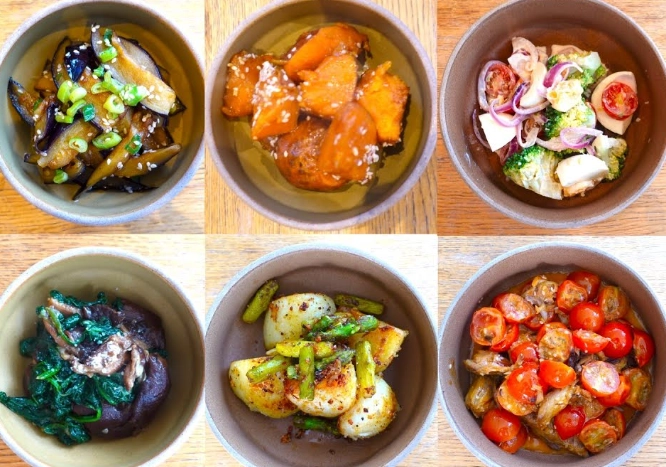
On a Sunday afternoon, I might spend an hour making a batch of kinpira gobo (stir-fried burdock root), some tsukemono (pickles), and simmering a pot of black soybeans (kuromame). Stored in containers, these become my go-to sides for the next 3-4 days. Suddenly, a weekday dinner is just about cooking rice, maybe grilling a piece of salmon, and pulling out these ready-made treasures. It transforms the effort completely.
The Japanese Ministry of Agriculture, Forestry and Fisheries (MAFF) promotes this kind of healthy, traditional eating pattern, and you can find some official dietary guidelines that reflect this balance on their site (look for resources on the "Japanese Food Guide Spinning Top").
Classic Japanese Side Dishes You Need to Know (And Can Actually Make)
Let's dive into some specific dishes. I've broken them down into categories to make it easier. Remember, these are often flexible—use what you have.
The Cool & Refreshing Bunch (Hiya no Okazu)
These are perfect for hot days, as palate cleansers, or as make-ahead staples.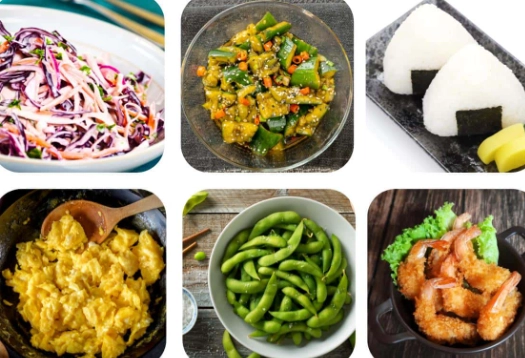
Sunomono (Vinegared Dishes): Thinly sliced cucumbers, wakame seaweed, or even octopus marinated in a sweet-and-sour rice vinegar dressing. It's incredibly refreshing. My tip? Salt the cucumber slices and let them sit for 10 minutes before dressing. It draws out excess water and keeps the salad crisp, not watery. A common pitfall is making the dressing too sweet. Start with equal parts rice vinegar, sugar, and soy sauce, then adjust to your taste—I usually go lighter on the sugar.
Ohitashi (Steeped Greens): Blanched spinach, komatsuna (Japanese mustard spinach), or green beans, squeezed dry and steeped in a dashi-soy sauce mixture. It's pure, simple, and packed with flavor. You can garnish with bonito flakes (katsuobushi) or sesame seeds. It keeps for a couple of days and is a brilliant way to eat your greens.
Hiyayakko (Cold Tofu): This is the epitome of simplicity. A block of cold silken or soft tofu topped with grated ginger, green onions, a drizzle of soy sauce, and maybe a sprinkle of bonito flakes. It takes two minutes and provides a soft, protein-rich counterpoint to any meal. The quality of the tofu matters here. Splurge on a good one.
The Warm & Comforting Bunch (Atsui no Okazu)
These are the hearty, savory sides that feel like a hug.
Nimono (Simmered Dishes): This is a huge category. Vegetables, fish, or meat simmered in a broth of dashi, soy sauce, mirin, and sugar. Classic examples include nikujaga (meat and potato stew), kabocha no nimono (simmered kabocha squash), and daikon no nimono (simmered daikon radish). The key is the gentle simmer and the technique called otoshibuta (a drop-lid), which helps flavors penetrate evenly. If you don't have one, a circle of parchment paper works.
Kinpira: A stir-fry style where root vegetables like burdock root (gobo) and carrot are julienned and stir-fried, then simmered in a sweet-salty sauce. It has a wonderful earthy, crunchy-chewy texture. Burdock root can be hard to find, but you can make a great version with just carrots and lotus root.
Chawanmushi: A savory egg custard steamed with dashi, often containing little treasures like a shrimp, a ginkgo nut, or a slice of mushroom. It's silky, delicate, and feels fancy but is surprisingly straightforward. The steam must be gentle, or it becomes bubbly. I've had my share of failed, rubbery chawanmushi, usually from impatience and too high heat.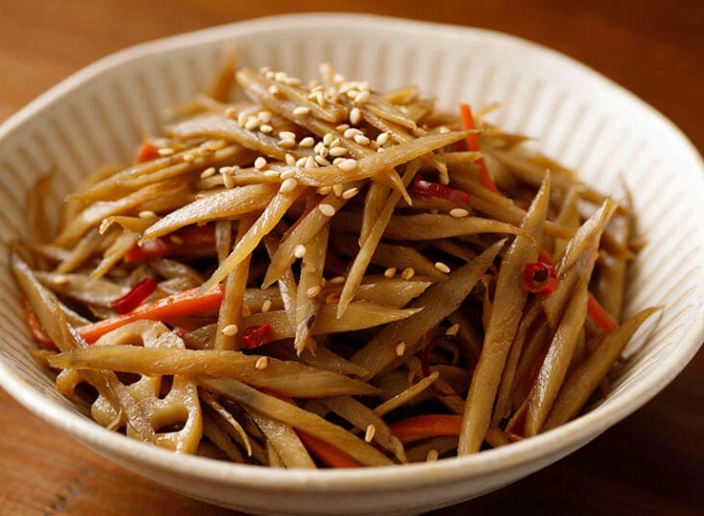
| Side Dish | Key Ingredients | Flavor Profile | Best Paired With | Make-Ahead? |
|---|---|---|---|---|
| Sunomono | Cucumber, Rice Vinegar, Sugar, Soy | Sweet, Sour, Refreshing | Grilled/Fried mains (Katsu, Yakitori) | Yes (best within 1-2 hrs) |
| Ohitashi | Spinach, Dashi, Soy Sauce | Savory, Umami, Clean | Rich fish (Saba), Rice Bowls | Yes (2-3 days) |
| Kinpira Gobo | Burdock Root, Carrot, Soy, Mirin | Earthy, Sweet-Salty, Crunchy | Any main, great with rice | Yes (3-4 days) |
| Nimono (Kabocha) | Kabocha Squash, Dashi, Soy | Sweet, Savory, Soft | Light proteins (Tofu, White Fish) | Yes (3-4 days) |
| Hiyayakko | Silken Tofu, Ginger, Green Onion | Mild, Fresh, Cooling | Spicy or strong-flavored dishes | No (assemble last minute) |
Answering Your Questions on Japanese Side Dishes
I get asked a lot of questions about this topic. Here are the most common ones, based on what people actually search for.
Many are, yes! It's a distinctive feature. Dishes like sunomono, ohitashi, and various pickles (tsukemono) are served chilled or at room temperature. This serves a few purposes: it provides a refreshing contrast to warm rice and soup, it's ideal for hot humid weather, and it allows them to be prepared in advance. But don't think it's all cold—simmered dishes (nimono) and grilled items are served hot.
Start with these three, you literally can't go wrong:
- Hiyayakko (Cold Tofu): As described above. Zero cooking.
- Cucumber Sunomono: Just slice, salt, and mix with a simple vinegar dressing.
- Edamame: Boil or steam frozen edamame pods in salted water for 5 minutes. Drain and sprinkle with coarse salt. That's it. A classic izakaya and home side.
This is a great question. The reliance on soy sauce and miso can be intense for some palates. The key is dilution with dashi. Most simmering liquids (nimono broth) are mostly dashi with a smaller amount of soy sauce and mirin. If a dish tastes too salty at the end, you can add a bit more water or dashi and simmer a minute longer. For dressed salads, balance the soy sauce in the dressing with more vinegar or a touch of citrus juice. Remember, these sides are meant to be eaten with plain rice, which acts as the ultimate salt-neutralizer.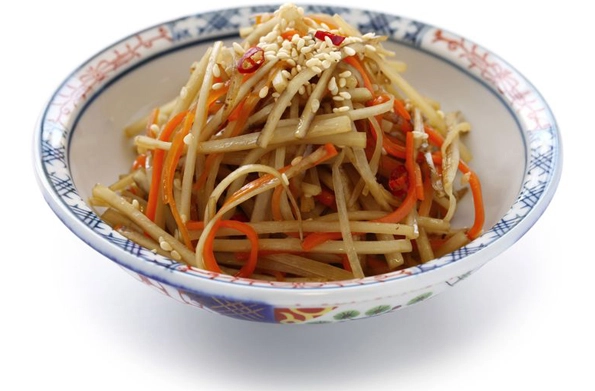
Pro Tip: When following a recipe, especially for simmered dishes, taste the broth before you add all your vegetables. It should taste a bit strong on its own, as the vegetables will release water and dilute it slightly during cooking.
Absolutely. In fact, this is a fantastic way to eat. It's called okazu-zukushi or a variety of small dishes. Order a few different sides at an izakaya, or prepare 3-4 at home, add a bowl of rice and soup, and you have a complete, varied, and deeply satisfying meal. It's my preferred way to dine—you get to try a little bit of everything. A selection of Japanese side dishes is often more interesting than one large entree.
My Go-To Week of Japanese Side Dishes (A Sample Plan)
To make this super concrete, here's a loose plan I might follow. The goal is to cook a couple of things that last, and fill in with instant sides.
Sunday (Prep Day):
- Make a big batch of Kinpira (with carrots and lotus root).
- Quick-pickle some radishes or cabbage (asazuke).
- Blanch a bunch of green beans for ohitashi (store undressed).
That's maybe 45 minutes of work.
Monday: Grilled Mackerel. Sides: Kinpira (from Sunday), Green Bean Ohitashi (dress it now), Miso Soup.
Tuesday: Chicken Teriyaki. Sides: Quick Cucumber Sunomono (make fresh), Pickled Radishes (from Sunday).
Wednesday: Tofu & Vegetable Miso Soup (main and soup in one). Sides: Finish the Kinpira, Hiyayakko.
Thursday: Store-bought gyoza. Sides: Shredded cabbage salad with ponzu (2 mins), Edamame from the freezer.
Friday: Maybe eat out or order in! The prepped sides are gone, and that's okay.
See? It's not about perfection. It's about having a few reliable, flavorful components in your fridge that make pulling a meal together feel effortless. The variety keeps things interesting throughout the week.
Final Thoughts: It's About More Than Just Food
Embracing the world of Japanese side dishes has changed how I cook and eat. It's taught me to appreciate vegetables more, to think about balance on a plate, and to find joy in the small, flavorful details. It turns a simple piece of fish or a bowl of rice into a occasion.
You don't need special equipment or insanely rare ingredients. You need a bottle of soy sauce, some rice vinegar, maybe some dashi granules, and a willingness to try small-batch cooking. Start with one side dish this week. Maybe it's just slicing a cucumber and tossing it with rice vinegar and a pinch of sugar. Serve it next to your usual dinner.
You'll notice the difference immediately. That little burst of acidity, that different texture—it elevates everything. That's the quiet, powerful magic of these dishes. They're not the loudest on the table, but the meal feels incomplete without them. And honestly, once you get used to eating this way, with a variety of small, thoughtful Japanese side dishes, it's hard to go back to just one big pile of food on a plate.
Give it a try. Your dinner—and your palate—will thank you.
Reader Comments