In This Guide
- What Is Inari Zushi, Anyway? Breaking Down the Basics
- How to Make Inari Zushi at Home: A No-Stress Guide
- Beyond the Basic: Creative Inari Zushi Fillings and Ideas
- Buying Guide: Finding the Best Inari Age Pouches
- Your Inari Zushi Questions, Answered (FAQ)
- The Cultural Place of Inari Zushi: More Than Just a Snack
- Final Thoughts: Why You Should Give Inari Zushi a Try
Let's be honest. When you think of sushi, your mind probably jumps to rolls packed with fish, or maybe those elegant pieces of nigiri. But there's this one humble, often overlooked item that sits quietly in the corner of the bento box or the sushi platter. It's sweet, it's savory, it's a little pocket of joy. I'm talking about inari zushi. You might know them as those golden-brown tofu pouches stuffed with rice.
I remember the first time I had one. It was at a supermarket deli, tucked next to some California rolls. It looked... simple. Maybe even a bit plain. But one bite changed everything. The contrast of the slightly sweet, juicy pouch against the seasoned rice was something else. It was comfort food in sushi form. And since then, I've been a bit obsessed. I've made them at home more times than I can count, messed up a few batches (we'll get to that), and learned why this dish is way more interesting than it gets credit for.
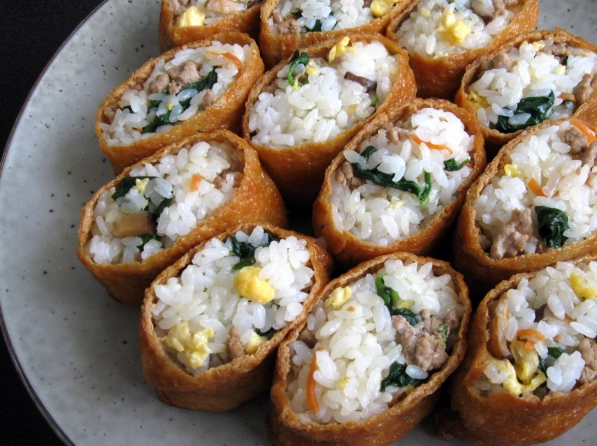 So, what's the big deal about a fried tofu pocket?
If you've ever wondered what inari zushi really is, how to make it without it falling apart, or why it even exists, you're in the right place. This isn't just a recipe. It's a deep dive into a Japanese classic that's perfect for beginners, vegetarians, and anyone who loves a good food story.
What Is Inari Zushi, Anyway? Breaking Down the Basics
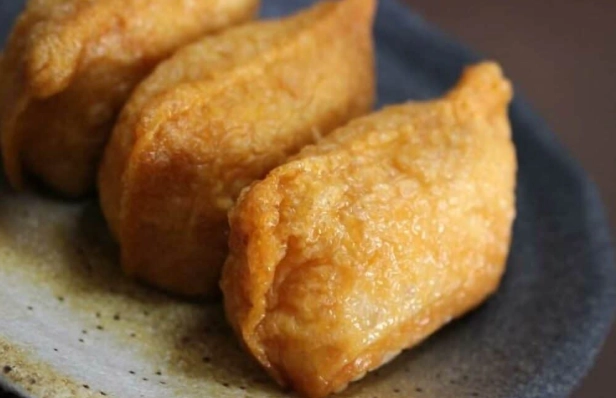
At its core, inari zushi is seasoned sushi rice tucked inside a marinated, deep-fried tofu pouch called aburaage or inari age. The pouch itself is the star. It's made by slicing tofu thin, pressing out the water, and then frying it twice so it puffs up like a little pillow. Then, it's simmered in a sweet-and-savory broth of soy sauce, sugar, and mirin until it becomes tender, flavorful, and that distinctive reddish-brown color.
The rice is usually just plain sushi rice (vinegared rice), but sometimes it's mixed with things like sesame seeds, chopped carrots, or mushrooms. The beauty is in the simplicity. You don't need raw fish or fancy techniques. Just a good pouch and well-made rice.
Think of it as the ultimate handheld sushi snack. No seaweed to chew, no dipping sauce required. It's a self-contained flavor bomb.
Now, names can get confusing. You'll hear inari sushi, inari zushi, or just "inarizushi" all meaning the same thing. "Zushi" is just the voiced version of "sushi". In Japan, it's often lovingly called o-inari-san. Outside Japan, you might see it labeled as "bean curd sushi" or "fried tofu sushi." Whatever you call it, the concept is the same.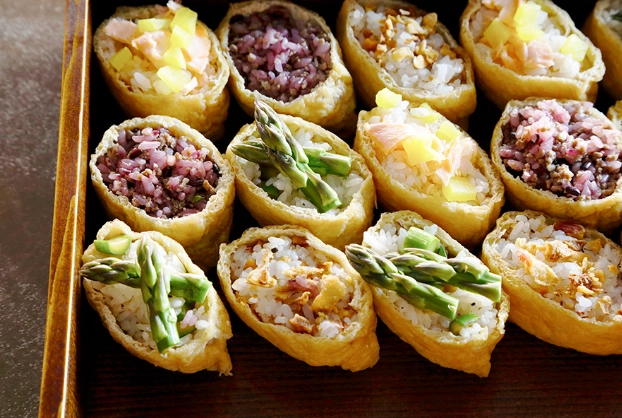
The Surprising History: Foxes, Fried Tofu, and Good Fortune
Here's where it gets fun. The name "inari" comes from the Shinto god Inari, who is the deity of rice, fertility, and prosperity. Inari's messenger is the fox (kitsune), and folklore says foxes absolutely love fried tofu. I know, it sounds random. There are old tales of foxes stealing fried tofu from farmers. So, fried tofu dishes in Japan are often called kitsune (like in kitsune udon).
So, by offering fried tofu (aburaage) stuffed with rice (Inari's domain), you're essentially making a perfect offering to the god. It's a dish packed with symbolic meaning for good harvest and wealth. This connection is so strong that you'll often find inari zushi at festival stalls and as an offering at Inari shrines. The Japan Guide page on Inari shrines mentions this fox-tofu connection, which is a fascinating piece of cultural context. It's not just food; it's a little edible piece of history and belief.
How to Make Inari Zushi at Home: A No-Stress Guide
Alright, let's get practical. Making inari sushi is one of the easiest entry points into Japanese cooking. You can't really mess up the shaping like you can with nigiri, and you don't need a bamboo mat. But there are a few tricks to get it from "good" to "great."
The Two Paths: Ready-Made Pouches vs. From Scratch
This is your first big decision. You can buy pre-seasoned inari age pouches in a can or vacuum pack at any Asian grocery store (and even many mainstream ones now). They're sitting in a sweet liquid, ready to use. This is the cheat code, and honestly, for 90% of home cooks, it's the way to go. It's consistent and saves you over an hour of work.
Or, you can make the pouches from raw aburaage. This is for the purists and the project cooks. You'll need to simmer them for 30-60 minutes to get them tender and infused with flavor. It's rewarding, but it's a commitment. The Japanese Cooking Essentials site has a solid from-scratch simmering recipe if you want to go down that road.
The Rice: It's Not Just Plain Rice
This is where people slip up. The rice needs flavor to stand up to the sweet pouch. You must use properly seasoned sushi rice (sushimeshi). That means short-grain Japanese rice cooked, then mixed with a blend of rice vinegar, sugar, and salt while it's still hot.
The ratio I've settled on after many trials (and errors): For 2 cups (360ml) of uncooked rice, mix 50ml rice vinegar, 2 tablespoons sugar, and 1 teaspoon salt. Heat the mixture gently just to dissolve the sugar and salt, then fold it into the rice in a wide, non-metallic bowl. Fan the rice as you mix to give it a nice shine. Let it cool to room temperature before stuffing.
Can you add other things to the rice? Absolutely. Toasted white sesame seeds are a classic add-in. Some people mix in finely chopped, simmered shiitake mushrooms, carrots, or even edamame. It adds texture and little bursts of flavor. My personal favorite is just sesame seeds and a few strands of shredded kanpyo (dried gourd).
 Cool the rice completely. Warm rice will make the pouch soggy. Patience is key here.
The Assembly: How to Stuff the Perfect Pouch
Open your can of inari age pouches. Gently squeeze each one to remove the excess simmering liquid, but don't wring it out completely. You want it moist. Then, gently open the pouch with your fingers. They usually have one open end.
Take a small handful of rice (about 2-3 tablespoons) and lightly form it into an oval shape. Don't pack it tightly! This is the most common mistake. The rice should be lightly pressed, almost fluffy, inside the pouch. If you pack it like a snowball, it becomes a dense, heavy brick that's hard to eat and bursts the pouch.
Insert the rice, then pinch the open ends of the pouch together lightly. Some people fold the edges over in a pretty overlapping pattern. I just pinch them shut—it's more rustic and home-style, which I like.
Beyond the Basic: Creative Inari Zushi Fillings and Ideas
Once you've mastered the classic, the world of inari zushi opens up. It's a fantastic blank canvas. Here are some popular and delicious variations you won't always find in restaurants.
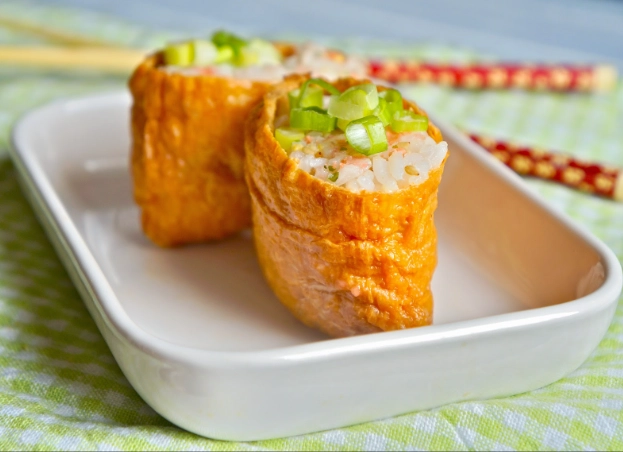
- The Chirashi Style: Mix the sushi rice with scattered ingredients (chirashi style). Think small cubes of tamagoyaki (omelet), cooked shrimp, blanched snow peas, and shredded nori. It's like a party in a pouch.
- The Grain Swap: Substitute half the white rice with brown rice or barley for a nuttier, healthier twist. Just adjust the seasoning slightly as these grains absorb flavors differently.
- The Inside-Out: Mix the rice with furikake (Japanese seasoning mix) or toasted black sesame for a dramatic color and extra umami. A wasabi-furikake mix gives it a nice kick.
- The Modern Bite: Fill with quinoa salad, tuna salad, or even a Mexican-inspired rice and bean mix. It bends the rules, but it's delicious for lunch boxes.
- The Decadent Touch: Place a small piece of unagi (grilled eel) or a perfectly seared scallop on top of the rice before closing the pouch. It elevates it to appetizer status.
You can also play with shapes. Instead of the traditional oval, try making triangle-shaped inari zushi to mimic onigiri. Or, for a party, make mini inari using smaller pouches or by cutting the large ones in half.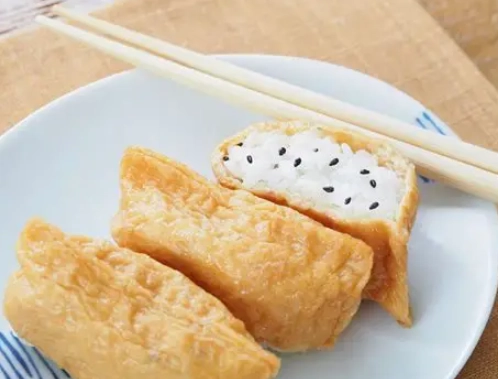
Buying Guide: Finding the Best Inari Age Pouches
Not all canned pouches are created equal. If you have options at your store, here's what to look for.
| Brand Type / Feature | What to Expect | Best For |
|---|---|---|
| Major Japanese Brands (e.g., Shirakiku, Marusan) | Consistent flavor, balanced sweetness, pouches hold shape well. The "gold standard" for convenience. | Beginners and reliable everyday use. |
| Organic or Artisanal Brands | Often less sweet, sometimes firmer texture, simpler ingredient list. Can be more expensive. | Health-conscious cooks or those who find regular ones too sweet. |
| Frozen Inari Age | Less common. Texture can be excellent if thawed properly, but requires planning. | Those who buy in bulk or have a dedicated freezer. |
| Pouch Size (Large vs. Small) | Large are for standard inari. Small (ko-inari) are perfect for bento boxes or appetizers. | Choose based on your meal plan. Small ones are adorable for parties. |
A word of caution: Always check the expiration date on the can. And once opened, transfer any unused pouches and their liquid to a sealed container in the fridge. They'll last about a week.
Your Inari Zushi Questions, Answered (FAQ)
Over the years, I've gotten—and asked—a lot of questions about this dish. Let's tackle the big ones.
The Cultural Place of Inari Zushi: More Than Just a Snack
To truly appreciate inari zushi, you have to see where it lives in Japanese life. It's not fancy restaurant food. It's kyara-ben (character bento) staple, where parents shape them into cute faces for kids. It's a must-have in makunouchi bento boxes, providing a sweet counterpoint to salty dishes. It's sold in plastic packs at convenience stores for a quick, cheap bite.
It's also deeply connected to festivals and shrines. At Inari shrines, like the famous Fushimi Inari Taisha in Kyoto, you'll find vendors selling them. Eating inari zushi there is about partaking in the blessing. It's a dish that bridges the everyday and the spiritual, the home kitchen and the public celebration.
That, to me, is the magic of it. It's accessible, humble, and deeply rooted. You can enjoy it without knowing any of this history, but knowing it makes each bite a little richer.
In a world of complex, Instagram-perfect sushi rolls, inari zushi remains unapologetically simple. And sometimes, simple is exactly what you need.
Final Thoughts: Why You Should Give Inari Zushi a Try
If you've never tried making inari zushi at home, I really encourage you to. It's a forgiving, satisfying project. The ingredients are simple, the process is meditative, and the result is a delicious treat that impresses people way more than it should for the effort involved.
It's perfect for potlucks, as a vegetarian option, or just as something different for your weekly meal prep. Start with the canned pouches, master the rice, and then get creative. Add some sesame, try a different filling. Make it your own.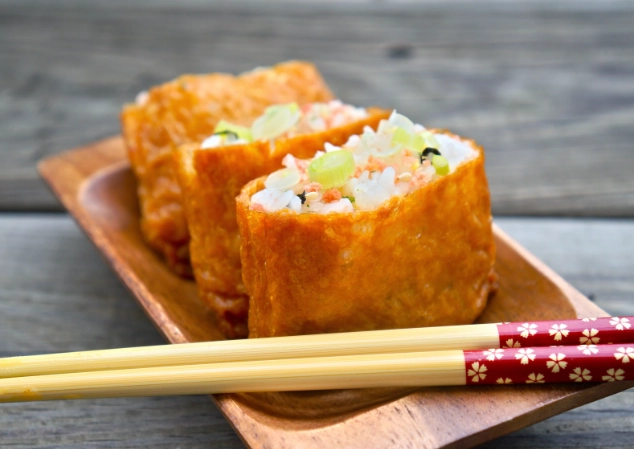
And the next time you see that unassuming golden pouch on a sushi platter, don't skip it. Give it a try. You might just discover your new favorite kind of sushi. I know I did.
Happy cooking, and enjoy your homemade inari zushi!
Reader Comments