Quick Guide
- What Exactly is a Japanese Breakfast?
- Why Go Through the Trouble? The Health Benefits
- The Core Philosophy: Principles Over Rigid Recipes
- Your Japanese Breakfast Pantry & Toolkit
- Building Your Own Ichiju Sansai: Recipe Deep Dives
- Common Questions (FAQ) About Japanese Breakfast
- My Personal Journey and Why This Matters
- Final Thoughts: Your First Step
Let's be real. When most of us think about Japanese food, we imagine sushi rolls, steaming bowls of ramen, or maybe some crispy tempura. Breakfast doesn't usually make the list. But let me tell you, you're missing out on something truly special. A traditional Japanese breakfast, or asagohan, isn't just a meal; it's a quiet, balanced, and deeply satisfying way to start your day. It feels less like eating and more like preparing your body and mind for what's ahead.
I remember the first time I had a proper one. It wasn't in a fancy restaurant, but at a small family-run inn in Kyoto. They brought out this beautiful tray with what looked like a dozen little dishes. I was overwhelmed at first. Where do you even start? But after that morning, my usual toast or cereal felt...incomplete.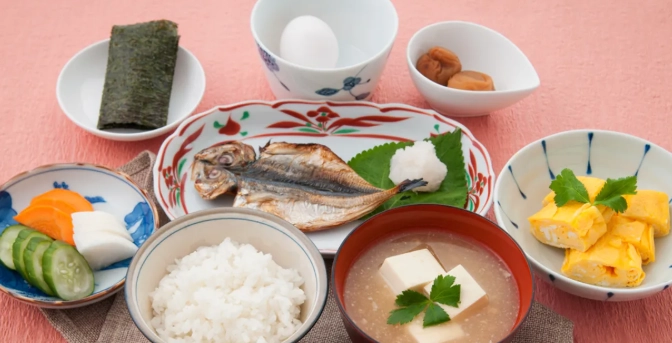
So, if you've ever searched for Japanese breakfast recipes and felt intimidated, this guide is for you. We're going to break it all down, not as a rigid set of rules, but as a flexible philosophy you can adapt to your own kitchen. Forget the idea that it takes hours. With a bit of planning and the right approach, you can bring this wonderful tradition to your table.
What Exactly is a Japanese Breakfast?
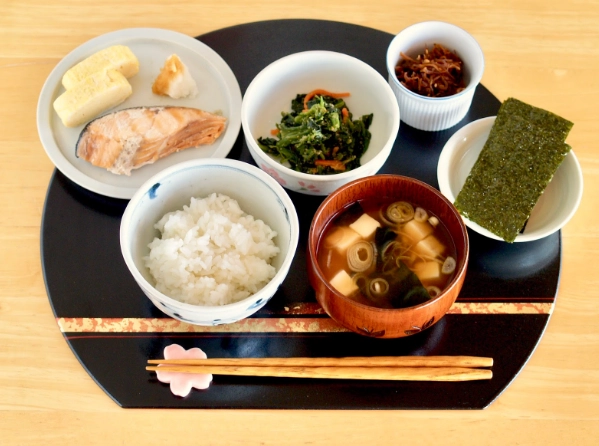
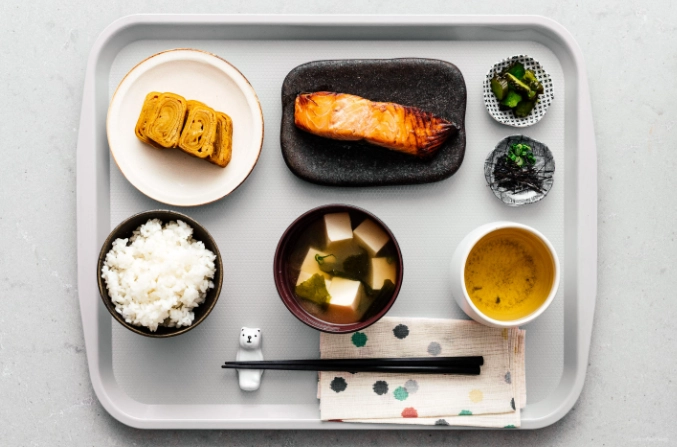
At its heart, it's built on a concept called Ichiju Sansai . That translates to "one soup, three dishes" (plus rice and pickles). It sounds formal, but the goal is balance—different tastes, textures, colors, and cooking methods all on one plate (or tray).
Here’s what a typical spread might include:
| Component | Japanese Name | Common Examples | Purpose/Role |
|---|---|---|---|
| Staple | Gohan | Steamed white rice (short-grain), sometimes mixed with barley (mugimeshi) | The foundation, source of energy. |
| Soup | Shirumono | Miso soup, clear sumashi-jiru | Hydration, warmth, umami, digestibility. |
| Main Dish | Shusai | Grilled salmon (sake no shioyaki), salted mackerel (saba no shioyaki), rolled omelette (tamagoyaki) | Primary source of protein. |
| Side Dish 1 | Fukusai 1 | Simmered vegetables (nimono), spinach with sesame (horenso no goma-ae) | Vegetables, often simmered or dressed. |
| Side Dish 2 | Fukusai 2 | Cold tofu (hiyayakko), potato salad, green bean salad | Additional vegetables/protein, different flavor profile. |
| Pickles | Kōno-mono | Takuan (pickled daikon), umeboshi (pickled plum), cucumber pickles | Palate cleanser, probiotic, adds crunch and tang. |
Now, does every home in Japan serve this full spread every single day? Probably not, especially on busy weekday mornings. But it remains the cultural ideal, the template for a proper meal. The beauty lies in its adaptability. You can scale it up or down.
Maybe on a Tuesday you just have rice, miso soup with tofu and wakame, and a simple side of natto (fermented soybeans). That still follows the spirit. The search for easy Japanese breakfast recipes often leads to these simplified, yet still authentic, versions.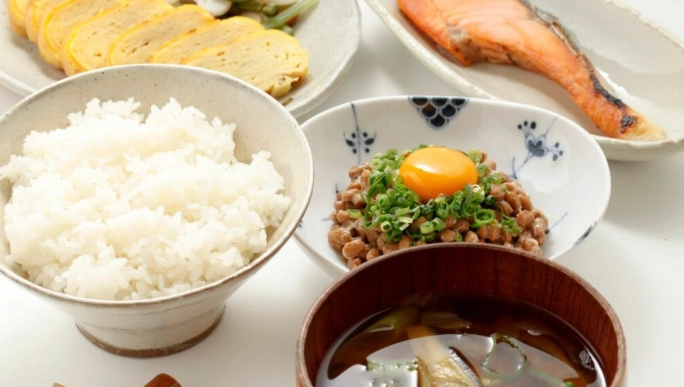
Why Go Through the Trouble? The Health Benefits
Beyond the sheer pleasure of eating it, there are solid reasons why this style of eating is so revered. It's not a fad diet; it's centuries of culinary wisdom.
First, the balance is built-in. You're automatically getting a mix of complex carbs (rice), protein (fish, egg, tofu), healthy fats (from fish, sesame), and a variety of vegetables and fermented foods. It's a nutrient-dense start that provides sustained energy, without the sugar crash you might get from a pastry or sugary cereal.
Second, the portions. Everything is served in small, individual dishes. This naturally encourages mindful eating and portion control. You're less likely to overeat when you have a beautiful, complete set of small plates in front of you.
Third, fermentation is your friend. Miso, soy sauce, natto, and pickles are all staples. These are great for gut health. A healthy gut microbiome is linked to everything from better digestion to improved immunity and even mood.
And finally, it's a meal that makes you slow down. It's not something you grab and eat over the sink. The variety encourages you to take bites of different things, to appreciate the contrasts. It's a calm, almost meditative way to begin your day.
The Core Philosophy: Principles Over Rigid Recipes
This is the key to demystifying traditional Japanese breakfast recipes. If you try to make seven fresh dishes from scratch at 7 AM, you'll burn out by Wednesday. The Japanese approach is smarter: prep and leftovers are your secret weapons.
Many components can be made ahead. Side dishes (fukusai) like simmered kabocha squash or hijiki seaweed are often made in bigger batches for dinner and served again at breakfast. Pickles are, by definition, made in advance. Grilled fish? You can cook an extra fillet at dinner and have it cold the next morning—it's still delicious. The Japanese have no hang-up about eating certain things cold for breakfast.
The only things that typically need to be made fresh are the rice (though a rice cooker with a timer is a game-changer) and the miso soup, which literally takes 5 minutes if your dashi (stock) is ready.
So the real skill isn't speed-cooking in the morning; it's meal planning and clever use of leftovers. This shifts the whole mindset from "daunting task" to "manageable system."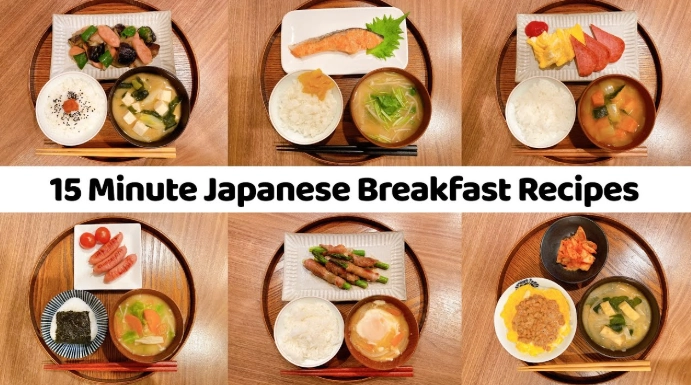
Your Japanese Breakfast Pantry & Toolkit
You don't need a specialty Asian supermarket to get started, though one will expand your options dramatically. Here are the essentials and the nice-to-haves.
The Non-Negotiables (The Foundation)
- Japanese Short-Grain Rice (Japonica rice): This is non-negotiable. Medium or long-grain rice won't give you the sticky, slightly sweet, plump grains that are essential. Brands like Koshihikari or Tamaki are excellent. A good rice cooker is the single best investment for this journey.
- Miso Paste: The soul of the soup. Start with a standard awase (mixed) miso, which is a blend of red and white, offering a balanced flavor. You can explore lighter shiro (white) miso or stronger aka (red) miso later.
- Soy Sauce (Koikuchi Shoyu): The standard, all-purpose dark soy sauce. Use it for seasoning, in dipping sauces, everywhere.
- Mirin: A sweet rice wine. It's crucial for the subtle sweetness in many simmered dishes and glazes. Not to be confused with rice vinegar. If you're in a real pinch, a tiny bit of sugar mixed with water can approximate it, but the flavor isn't the same.
- Dashi: The fundamental broth. You have options:
- Instant Dashi Granules/Powder (Hondashi): The quickest, most accessible option. Just dissolve in hot water. Purists might scoff, but it's perfectly fine for everyday use.
- Dashi Packs (Dashibukuro): Tea-bag-like sachets containing bonito flakes and kelp. Steep in hot water for 5-10 minutes for a superior, mid-level effort broth.
- From Scratch: Kombu (kelp) and katsuobushi (bonito flakes). This is for when you want the absolute best flavor and have a bit more time.
- Rice Vinegar & Toasted Sesame Oil: For dressings and finishing touches.
Equipment You'll Actually Use
A rice cooker with a keep-warm function is the MVP. A good non-stick frying pan (for tamagoyaki if you get into it) and a small saucepan for simmering are essential. A suribachi (Japanese mortar) and surikogi (pestle) are fantastic for grinding fresh sesame seeds for goma-ae, but a small food processor or even buying pre-ground sesame paste (nerigoma) works.
Don't feel you need the perfect Japanese tableware immediately. Small bowls and plates from your own cupboard are a great start. The aesthetic is part of the joy, but the food comes first.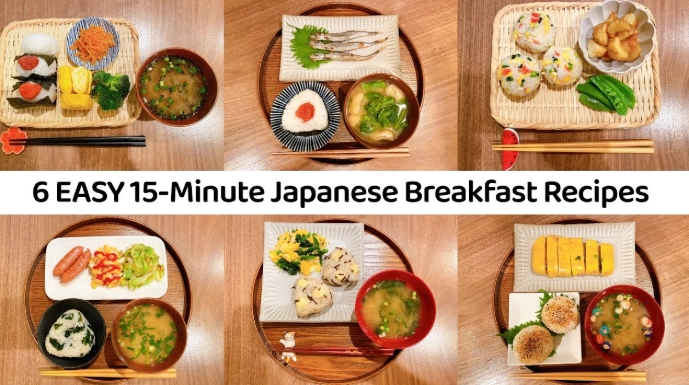
Building Your Own Ichiju Sansai: Recipe Deep Dives
Okay, let's get practical. Here are foundational recipes for each component. Treat these as templates.
1. The Heart of It: Perfect Steamed Rice (Gohan)
This seems simple, but it's an art. Bad rice ruins the meal.
Method (for a rice cooker): Measure your rice with the cup that came with your cooker. Rinse it in a bowl under cold water, swirling gently with your hand, until the water runs almost clear. This removes excess starch and prevents gumminess. Drain. Add the corresponding amount of water (the cooker's inner pot usually has lines). Let it soak for 20-30 minutes if you have time—this leads to a more even, tender cook. Press start. When it's done, let it sit on "keep warm" for 10 minutes, then fluff gently with a rice paddle.
For a deeper dive into the science and cultural importance of Japanese rice, the Japanese Ministry of Agriculture, Forestry and Fisheries (MAFF) has excellent resources on rice cultivation and varieties.
2. The Soul: Basic Miso Soup (Miso Shiru)
This is your 5-minute wonder.
- Heat 2 cups of dashi (made from granules or a pack) in a small pot until it's just about to boil. Do not let it boil vigorously.
- Lower the heat. Place 2-3 tablespoons of miso paste in a ladle or small bowl. Add a little hot dashi and whisk with chopsticks until the miso is completely dissolved and smooth.
- Pour the dissolved miso back into the pot. Stir gently. Never boil miso soup after adding the paste—it kills the beneficial enzymes and dulls the flavor.
- Add your toppings: small cubes of silken tofu, thinly sliced green onions, a handful of wakame seaweed (rehydrated in water first). Heat through for a minute and serve immediately.
The Japan National Tourism Organization (JNTO) guide to Japanese food offers great context on how miso soup fits into daily life.
3. The Main Event: Simple Grilled Fish (Yakizakana)
Salmon is your friend here.
- Pat a salmon fillet dry. Sprinkle both sides lightly with sea salt. Let it sit for 10-15 minutes (this firms up the flesh). Pat dry again.
- Heat a non-stick pan over medium heat. You can use a tiny bit of oil, but often none is needed with salmon's natural fat.
- Place the fillet skin-side down first. Cook for 4-5 minutes until the skin is crispy and you can see the color change creeping up the sides.
- Flip carefully and cook for another 2-3 minutes, until just cooked through. Serve with a wedge of lemon.
Alternative Main: Tamagoyaki (Rolled Omelette)
I won't lie, this takes practice. The rectangular pan (tamagoyaki-ki) helps, but a small non-stick square or round pan works. Beat 3 eggs with 1 tbsp dashi, 1 tsp sugar, 1 tsp soy sauce, and a pinch of salt. Cook in thin layers, rolling each layer up as you go. It's fiddly, but the sweet-savory, layered result is worth the effort. For a fantastic step-by-step visual guide, check out the detailed tutorial on Just One Cookbook, a highly trusted resource for authentic Japanese breakfast recipes.
4. The Supporting Cast: Vegetable Side Dishes (Fukusai)
These are your make-ahead stars.
Horenso no Goma-ae (Spinach with Sesame Dressing): Blanch a bunch of spinach, squeeze out all the water, and cut into lengths. Grind 3 tbsp toasted sesame seeds in a suribachi until pasty. Add 1.5 tbsp soy sauce, 1 tbsp sugar, and 1 tbsp dashi or water. Mix into the spinach. So good.
Kabocha no Nimono (Simmered Kabocha Squash): Cut kabocha (Japanese pumpkin) into bite-sized chunks (skin on). In a pan, combine pieces with enough dashi to halfway cover them. Add 1.5 tbsp soy sauce, 1 tbsp mirin, and 1 tsp sugar. Simmer covered until tender (15-20 mins). Let cool in the broth. It's even better the next day.
Hiyayakko (Chilled Tofu): The ultimate 1-minute side. Place a cold block of silken tofu on a plate. Top with grated ginger, thinly sliced green onion, a drizzle of soy sauce, and a sprinkle of katsuobushi (bonito flakes) if you have them.
5. The Finishing Touch: Quick Pickles (Asazuke)
Real pickling takes time, but asazuke ("shallow pickling") is a quick method for morning use.
Thinly slice cucumbers or daikon radish. Massage with a generous pinch of salt and let sit for 10 minutes. Squeeze out the liquid. Toss with a little rice vinegar, a pinch of sugar, and maybe some chili threads. Refrigerate until breakfast.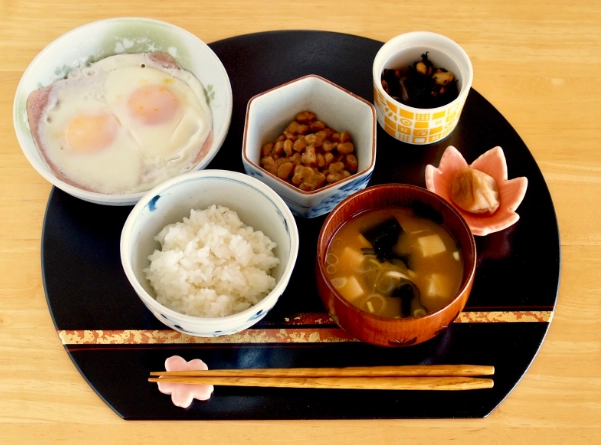
Putting It All Together: A Sample Make-Ahead Plan
Sunday Evening: Make a batch of simmered kabocha. Prepare the sesame dressing for spinach. Quick-pickle some cucumbers. Grill two extra salmon fillets for Monday and Tuesday.
Monday Morning (15 mins): Start rice in cooker (if no timer). Blanch spinach (2 mins), mix with pre-made dressing. Heat up miso soup with tofu/wakame. Reheat or serve salmon cold. Assemble pickles. Plate everything.
See? It's a system, not a daily marathon.
Common Questions (FAQ) About Japanese Breakfast
My Personal Journey and Why This Matters
When I first started trying to make these Japanese breakfast recipes at home, I failed. A lot. My rice was mushy, my miso soup tasted flat, and my tamagoyaki looked like scrambled eggs. I got frustrated and went back to my toast for a while.
But something kept pulling me back. It was the memory of that feeling—the calm, the satisfaction, the sense that I had properly fueled myself. So I started small. Just rice and soup. Then I added one side I'd made the night before. Slowly, it became a ritual, not a chore.
Now, it's my favorite way to start a weekend, or even a slow weekday when I work from home. The process of setting the small dishes on the table, taking that first sip of hot miso soup, and mixing a bit of pickled vegetable with a bite of rice… it grounds me. It makes breakfast intentional.
I'm not saying you need to do this every day. But trying it, even once a week, can change your relationship with the first meal of the day. It moves it from fuel to foundation.
 Give it a try. Start with just the rice and soup.
Final Thoughts: Your First Step
Don't be overwhelmed by the ideal of the full Ichiju Sansai spread. The world of Japanese breakfast recipes is vast, but it's also incredibly welcoming and adaptable.
Your mission, should you choose to accept it, is simple: This weekend, make a proper pot of Japanese short-grain rice. While it's cooking, whip up a quick miso soup. That's it. Sit down, eat just those two things, and pay attention to how you feel. Notice the sweetness of the rice, the deep umami of the soup.
If you like it, next time add one thing. A simple side of spinach, or a piece of grilled salmon from the night before. Build your practice slowly.
The goal isn't perfection. The goal is to bring a little more balance, intention, and deliciousness to your morning. And honestly, in today's hectic world, that's a gift worth giving yourself. So, grab some miso, pick up some short-grain rice, and see where this delicious journey takes you.
Reader Comments