You see it on every sushi menu, often tucked away in the corner near the tamago and kanpyo. It's the simplest, most unassuming item listed: kappa maki. A roll of vinegared rice, a strip of cucumber, wrapped in nori. For years, I dismissed it as filler food, the thing you order when you're not feeling adventurous. I was wrong. After spending a decade exploring sushi bars from Tokyo's Tsukiji to Los Angeles's Little Tokyo, I've come to see kappa maki not as an afterthought, but as a foundational text. It's the sushi equivalent of a perfectly baked baguette—its quality reveals everything about the chef's philosophy and skill. If they can't get this one right, proceed with caution.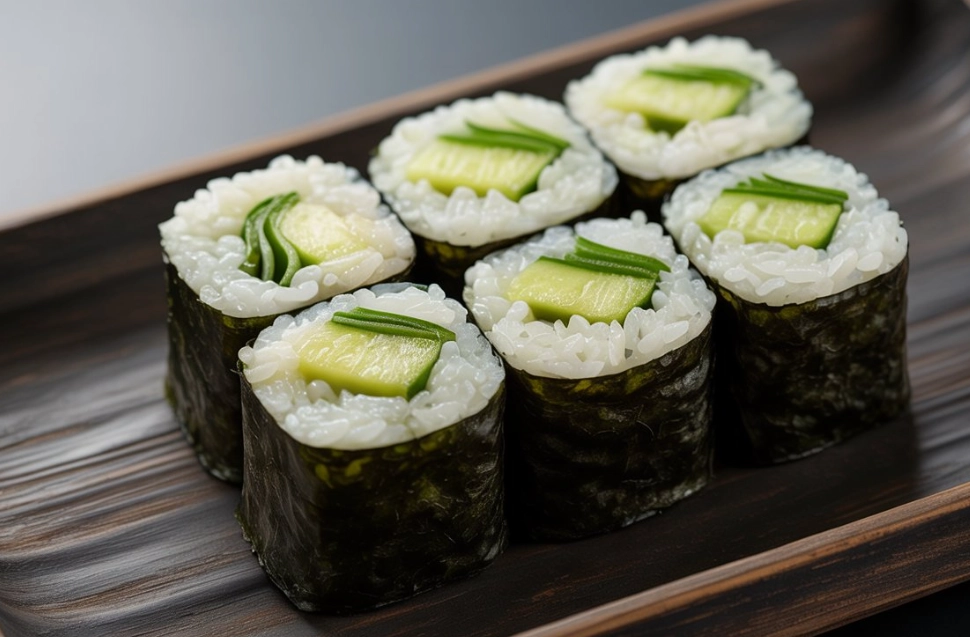
Your Quick Guide to Kappa Maki
What is Kappa Maki? (And Why the Weird Name?)
Let's clear this up first. Kappa maki is a hosomaki (thin roll) consisting of just two core ingredients: sushi rice and cucumber, wrapped in a sheet of roasted seaweed (nori). That's it. No fish, no avocado, no spicy mayo. Its brilliance is in its restraint.
Now, the name. "Maki" means roll. "Kappa" is the kicker. It refers to a mischievous water-dwelling creature from Japanese folklore, often depicted as loving cucumbers. The story goes that to appease a kappa or befriend one, you'd offer it a cucumber. Some say the roll got its name because it looks like a kappa's favorite snack, while old-school sushi chefs might tell you it was a quick bite they'd make for themselves, as simple as tossing a cucumber to a river sprite. It's a fun bit of culinary folklore that sticks with you.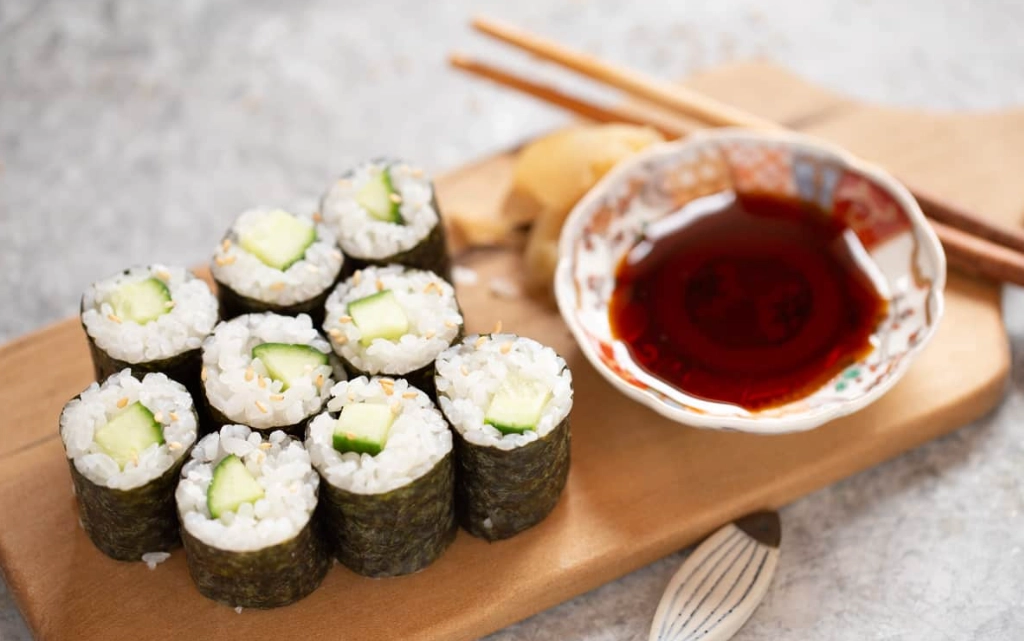
But here's the non-consensus part most blogs miss: kappa maki isn't really "sushi for vegetarians." Traditional Japanese vegetarian sushi (shojin sushi) is a whole other art form. Kappa maki is sushi for everyone—it's the palate cleanser between richer pieces of fish, the gentle introduction for first-timers, the reliable constant. Judging a sushi bar by its kappa maki is a real insider move. Is the rice seasoned perfectly (a balance of sweet, salt, and acid, not just vinegar)? Is the cucumber crisp and cut with precision? Is the nori crisp and fragrant, or does it taste like cardboard? The answers tell you everything.
How to Make Kappa Maki at Home: A Step-by-Step Guide
Making kappa maki at home is absolutely achievable. It's the best way to understand sushi fundamentals. You'll need a bamboo rolling mat (makisu), nori sheets, sushi rice, rice vinegar, sugar, salt, and, of course, a cucumber.
The Rice is Everything (Seriously)
Use short-grain Japanese rice. Rinse it until the water runs almost clear. The cooking ratio is usually 1:1.1 rice to water. While it cooks, mix the seasoning: for every 2 cups of uncooked rice, combine 5 tbsp rice vinegar, 2 tbsp sugar, and 1 tsp salt. Heat gently until dissolved. Once the rice is done, transfer it to a wide, non-metallic bowl (a hangiri is traditional, but wood or plastic works). Fan the rice while gently folding in the seasoning. Your goal is room-temperature, glossy, separate grains. This is where 90% of home attempts fail—they make the rice too wet or mushy.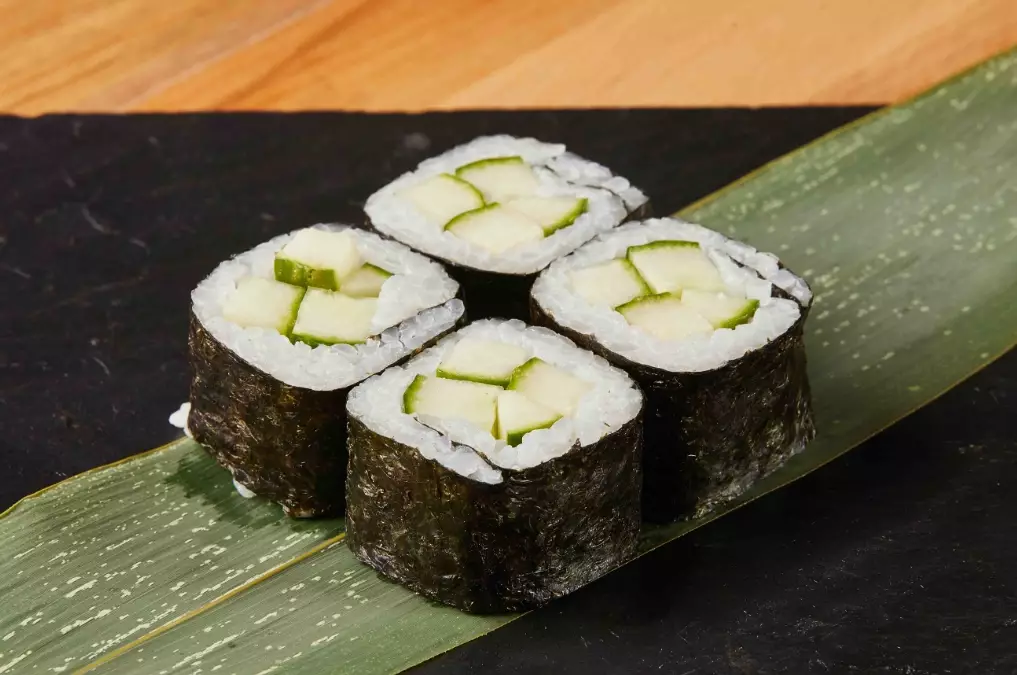
Prepping the Cucumber: The Secret Step
English or Japanese cucumbers work best (fewer seeds). Wash it. Here's the crucial, often-overlooked detail: you must deseed it. Cut the cucumber into quarters lengthwise. Run a small spoon or knife along the inner edge to scrape out the watery, seedy core. This step is non-negotiable. Wet filling equals a soggy, falling-apart roll. Then, cut the quarters into long, thin batons.
The Rolling Technique
1. Place a sheet of nori, shiny side down, on your bamboo mat. Have a small bowl of water with a bit of vinegar (tezu) nearby for wetting your fingers.
2. With damp fingers, spread about 3/4 to 1 cup of rice evenly over the nori, leaving a 1-inch border at the top farthest from you.
3. Lay 2-3 cucumber batons in a horizontal line across the rice, about one-third from the bottom edge.
4. Using your thumbs to lift the mat, roll the nori over the filling, tucking it in tightly. Apply even pressure as you complete the roll, forming a cylinder.
5. Let it rest for a minute before slicing. Use a very sharp knife, wiping it with a damp cloth between each cut. Slice the roll in half, then each half into thirds, for six even pieces.
My first ten rolls were tragic. They were either too loose or packed so tight they burst. The key is that initial tuck—get it right, and the rest follows.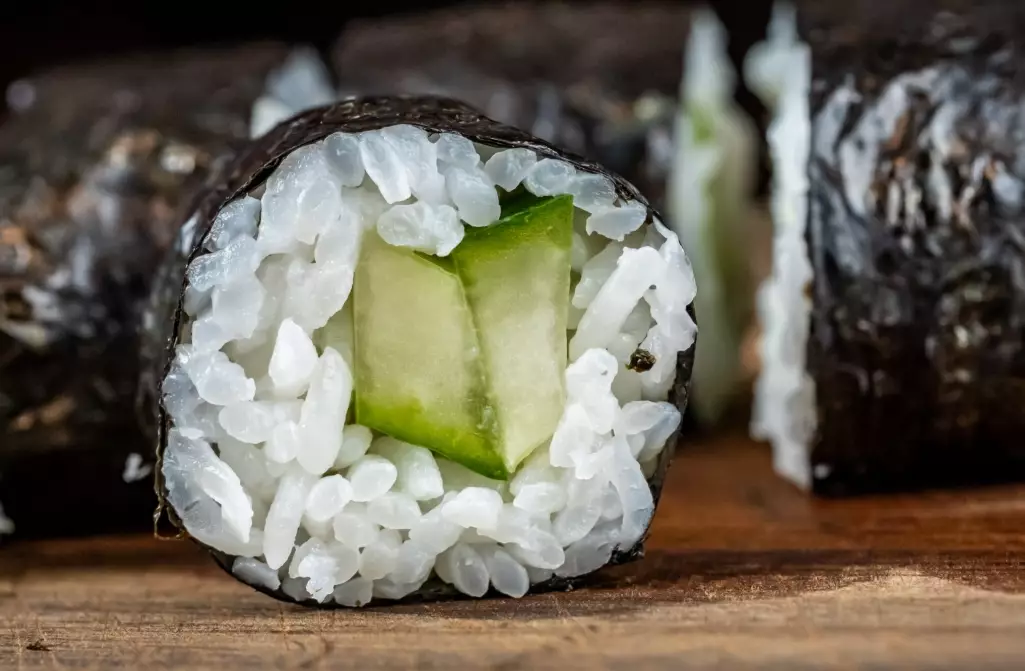
Where to Find the Best Kappa Maki: Tokyo & LA Spots
Tasting a expertly made kappa maki is an education. Here are a few places, based on personal visits, where this humble roll is treated with respect.
| Restaurant / Location | Why Their Kappa Maki Stands Out | Price (approx.) | Notes & Hours |
|---|---|---|---|
| Sushi Dai (Toyosu Market, Tokyo) | Part of the legendary omakase. The rice is warm, subtly seasoned, and the cucumber is impossibly crisp. It's a masterclass in balance. | ¥4,000+ (omakase) | Famous for long waits. Opens 5:30 AM. Cash only. The experience is about the whole meal, but the kappa maki is a perfect mid-point reset. |
| Sushi Zanmai (Various, Tokyo) | Their kappa maki is a benchmark for consistency. Affordable, always fresh, with a great nori snap. A reliable go-to. | ¥200-300 per order | 24-hour locations in Tsukiji. Great for a quick, quality fix any time. No frills, just solid execution. |
| Sushi Gen (Little Tokyo, Los Angeles) | In their lunch special, the kappa maki shines. The rice has a pronounced but pleasant vinegar note, and the roll is cut slightly thicker, giving a great mouthfeel. | $3-4 per order | 114 Japanese Village Plaza Mall. Lunch lines are long. Go for the chirashi lunch—it comes with miso soup, salad, and a piece of kappa maki that will change your mind. |
| KazuNori (Various, LA/NYC) | The hand roll specialist. Their kappa hand roll is a revelation—the nori is toasted to order, delivering an unmatched crispy, oceanic flavor that complements the cool cucumber. | $3.50 per hand roll | Order it as the first or last item in your set. The immediacy of the crisp nori is the whole point. Quick, casual service. |
Visiting Sushi Dai at 5 AM was an ordeal, but that single piece of kappa maki in the middle of a fatty tuna and uni parade made everything click. It wasn't filler; it was essential punctuation.
Kappa Maki in Japanese Culture & Your Diet
Beyond the menu, kappa maki holds a specific place. It's a staple in ekiben (train station lunch boxes) because it travels well without spoiling. It's common in obento lunchboxes for kids. Its simplicity makes it a diplomatic choice in group settings where dietary preferences vary.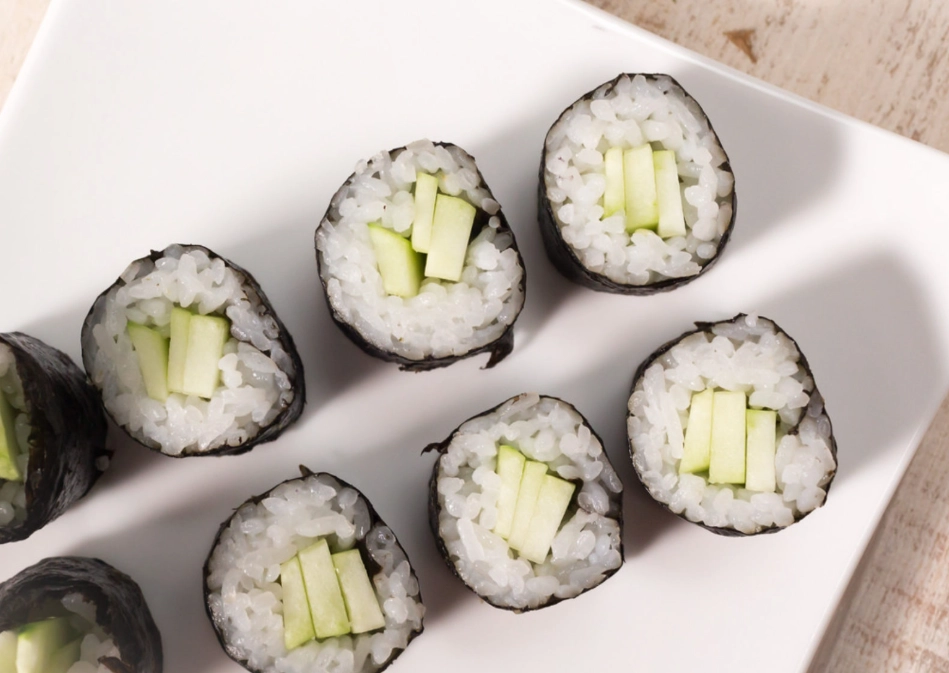
Nutritionally, it's often labeled as a "light" or "diet" option. A typical order of six pieces has roughly 140-180 calories, minimal fat, and provides some fiber. But focusing only on calories misses its dietary value. It's a low-mercury, sustainable choice. According to resources like the Monterey Bay Aquarium Seafood Watch, vegetable-based sushi has a negligible environmental impact compared to some fisheries. It's also a fantastic way to practice mindful eating—you're forced to focus on the texture of the rice, the crunch of the cucumber, the savoriness of the nori.
Want to explore more? The Japanese Ministry of Agriculture, Forestry and Fisheries has pages dedicated to washoku (traditional dietary culture) where the philosophy behind simple dishes like this is explained. It's about harmony and seasonality. In summer, a crisp kappa maki just feels right.
Your Kappa Maki Questions, Answered
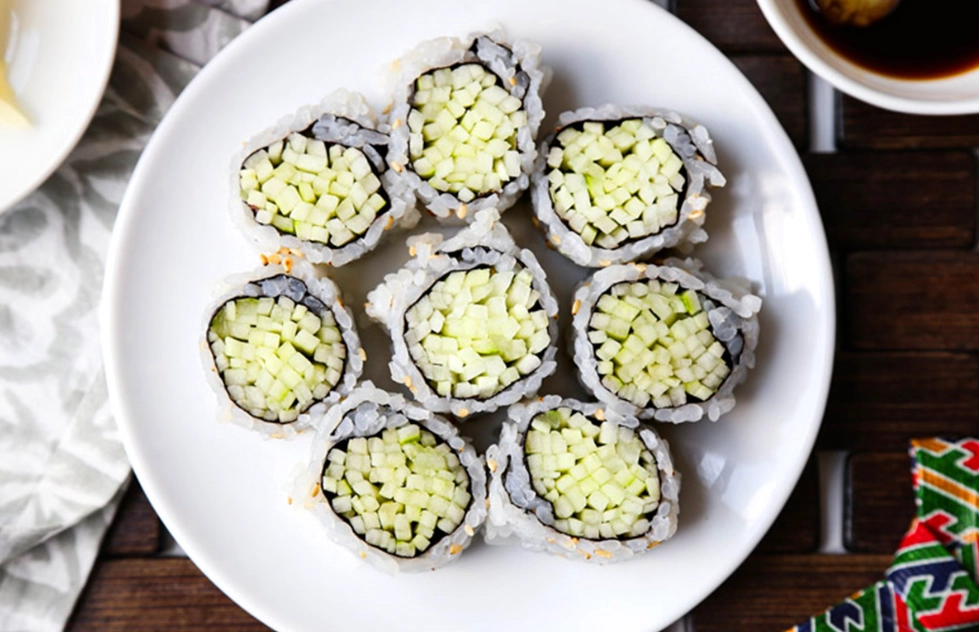 Why does my homemade kappa maki fall apart when I slice it?
So next time you're at a sushi bar, don't skip past the kappa maki. Order it. Pay attention to it. It's a quiet masterpiece hiding in plain sight, a three-ingredient test of skill that connects you to a quirky piece of folklore and the pure, refreshing heart of Japanese cuisine.
Reader Comments