Your Quick Guide
- What Exactly Are We Talking About?
- The Nutritional Breakdown: What's Inside Your Roll?
- The Health Benefits: Why You Might Want to Order It
- The Potential Downsides and How to Navigate Them
- Kappa Maki in Specific Diets
- Common Questions People Ask (That Google Doesn't Always Answer)
- The Verdict: So, Is Kappa Maki Healthy?
You're staring at a sushi menu, trying to make a good choice. Maybe you're watching your weight, or just want something that won't leave you feeling heavy. Your eyes land on kappa maki – the simple cucumber roll. It looks so... innocent. Just rice, seaweed, and a strip of cucumber. But is kappa maki healthy, or is it just empty carbs disguised as a light option?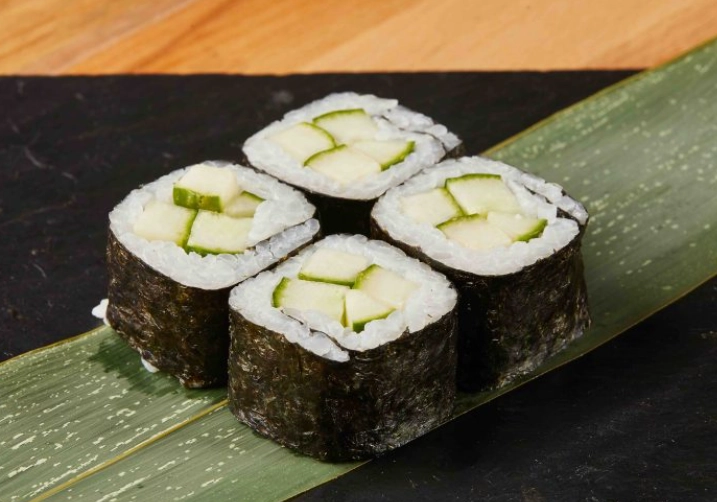
I've asked myself that same question countless times at sushi counters. The answer, like most things in nutrition, isn't a simple yes or no. It's a solid "it depends." It depends on how it's made, what you pair it with, and what your personal health goals are. Let's ditch the blanket statements and get into the real, granular details of what's in this roll and what it does for your body.
But why? We need to look under the nori (that's the seaweed wrapper).
What Exactly Are We Talking About?
First, let's be clear. Kappa maki, sometimes called cucumber roll or kappa roll, is a type of makizushi. It's a basic roll containing sushi rice, a sheet of nori (seaweed), and a core of fresh, julienned cucumber. That's it. No fish, no avocado, no tempura crunch, no spicy mayo. This simplicity is its greatest strength and, in some contexts, a potential weakness.
The name comes from Japanese folklore. "Kappa" are mythical water creatures said to love cucumbers. So, offering a cucumber roll was a way to appease them. Thankfully, we don't have to worry about mythical creatures when we eat it today, just our own nutrition.
The Nutritional Breakdown: What's Inside Your Roll?
To honestly answer "Is kappa maki healthy?", we need numbers. A standard order is usually 6 pieces. Here’s a typical nutritional profile for one serving (6 pieces, about 150-180g total), based on data from the USDA FoodData Central for the individual components and common restaurant preparation.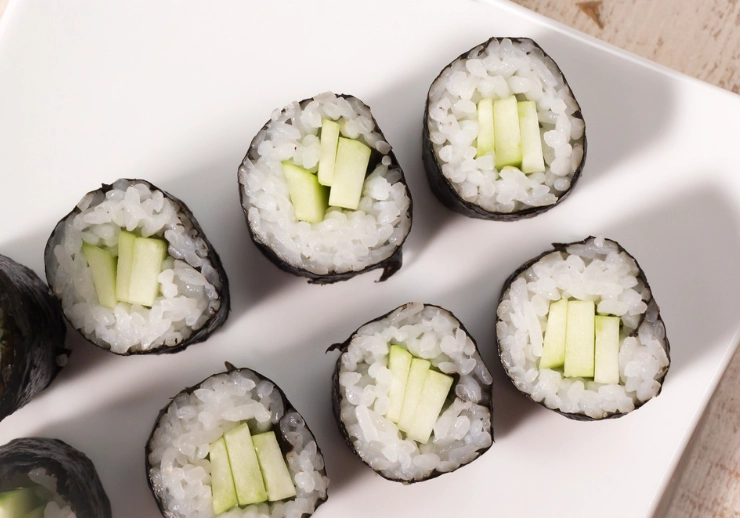
| Nutrient | Amount (approx. 6 pieces) | Quick Notes |
|---|---|---|
| Calories | 190 - 250 kcal | Highly variable based on rice quantity. |
| Carbohydrates | 40 - 50 g | Primarily from the sushi rice (white, short-grain). |
| Protein | 3 - 5 g | A small amount, mostly from the rice. |
| Fat | 0.5 - 2 g | Virtually fat-free, unless oil is added to rice. |
| Fiber | 2 - 3 g | From the cucumber skin and nori. |
| Sugar | 6 - 10 g | Mostly from the vinegar seasoning in the rice. |
| Sodium | 300 - 500 mg | From the salt in rice seasoning and soy sauce dip. |
Important: These numbers can swing wildly. A restaurant that packs on the rice will send calories and carbs soaring. A home cook using less rice and less sugar in the seasoning will have a much lighter roll.
Now, let's compare. Is kappa maki healthy compared to other sushi? Put it next to a spicy tuna roll (often made with mayo, adding fat and calories) or a tempura roll (battered and fried), and kappa maki is the clear, lean winner. But compared to a sashimi platter (just fish), it's much higher in carbs and lower in protein.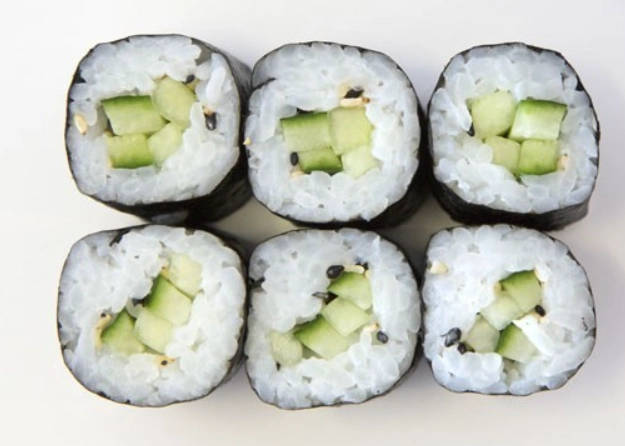
The Core Components: Good, Bad, and Neutral
Sushi Rice: This is the main player. It's white rice seasoned with rice vinegar, sugar, and salt. It provides quick energy (carbs) but is low in fiber and nutrients compared to brown rice. The sugar and salt content are the main things to be mindful of. Some places are heavy-handed with the sugar.
Nori (Seaweed): A nutritional superstar. It's loaded with iodine (essential for thyroid function), vitamins A, C, and B12, and minerals like iron and magnesium. It's also a source of fiber and unique antioxidants.
Cucumber: Mostly water (over 95%), which is great for hydration. It provides a tiny bit of vitamin K and potassium, and most of the roll's minimal fiber comes from the cucumber skin (if it's left on). It's incredibly low in calories.
The Health Benefits: Why You Might Want to Order It
So, is kappa maki healthy from a benefits perspective? Absolutely, in several key ways.
It's a Low-Calorie, Filling Option. When you're trying to manage weight, finding foods that satisfy without packing a caloric punch is key. A roll of kappa maki can be quite filling due to the volume of rice and cucumber, all for under 250 calories (if made reasonably). It's a great way to curb hunger without derailing your day. I often order it first to take the edge off my appetite before moving to richer items.
It's Naturally Low in Fat. This is a huge plus. With virtually no added fats (unlike rolls with avocado, mayo-based sauces, or cream cheese), it's easy on your digestive system and heart-healthy. You're getting clean energy from the carbs.
It Provides Iodine and Minerals from Nori. Many modern diets are low in iodine. Seaweed is one of the best natural sources. Just one or two sheets of nori can contribute significantly to your daily needs, supporting a healthy metabolism.
It's Hydrating. Thanks to the cucumber's high water content, it contributes to your daily fluid intake. Not a major source, but every bit helps.
It's Often a Safer Choice for Sushi Beginners. If you're wary of raw fish, have allergies, or are pregnant and avoiding certain fish, kappa maki is a perfect, safe gateway into sushi. It's also usually vegan-friendly, though you should always check if the rice seasoning uses dashi (fish stock), as some traditional preparations do.
The Potential Downsides and How to Navigate Them
It's not all perfect. Being honest means looking at the cons. The healthiness of kappa maki can be compromised by a few factors.
The Big One: It's a Carb Bomb with Low Protein.
This is the most common criticism, and it's valid. A plate of kappa maki is primarily refined carbohydrates. Without significant protein or fat to slow digestion, it can cause a rapid spike in blood sugar, followed by a crash. This is especially important for people with diabetes or insulin resistance.
My personal experience: I once made the mistake of having only kappa maki for a quick lunch. I was starving again within 90 minutes, feeling shaky and irritable. It just didn't stick to my ribs.
High Sodium from Soy Sauce. The roll itself isn't terribly high in sodium, but we almost always dunk it in soy sauce. Just one tablespoon of regular soy sauce can add about 900mg of sodium – nearly half the daily recommended limit for some people. This can be a concern for blood pressure.
Potential for Added Sugar. As mentioned, the sushi rice is seasoned with sugar. Some restaurants, particularly non-traditional ones, add more sugar to make the rice sweeter and more appealing. This adds empty calories and further impacts blood sugar.
It Lacks Major Macronutrients. It's not a balanced meal on its own. It's low in protein (needed for muscle repair and satiety) and extremely low in healthy fats (needed for hormone function and nutrient absorption).
How to Make Kappa Maki a Healthier Choice: Your Action Plan
You don't have to avoid it. You just need to be smart. Here’s how to ensure your answer to "is kappa maki healthy" is a resounding YES:
- Pair it with Protein. This is the #1 rule. Order it alongside a side of edamame, a miso soup (with tofu), or some sashimi (like salmon or tuna). The protein and fat will balance the carbs, making a complete, satisfying meal that stabilizes your energy.
- Control the Soy Sauce. Use low-sodium soy sauce. Dip lightly, or try just a touch. Better yet, ask for ponzu (citrus-based sauce) which is often lower in sodium.
- Consider Brown Rice. If the restaurant offers it, ask for brown rice in your kappa maki. It adds fiber, nutrients, and slows digestion significantly. It changes the texture and taste, but it's a major upgrade nutritionally.
- Watch the Rice Ratio. A well-made roll should have a thin layer of rice. If you see a roll that's 80% thick, white rice, it's more of a rice log than a balanced sushi roll. Don't be afraid to seek out places known for quality over quantity.
- Make it Part of a Mix. Don't order six pieces of just kappa maki. Order two pieces of kappa maki, two pieces of salmon sashimi, and two pieces of a veggie roll with avocado. Variety is key.
Kappa Maki in Specific Diets
People often search "is kappa maki healthy" with a specific diet in mind. Let's break it down.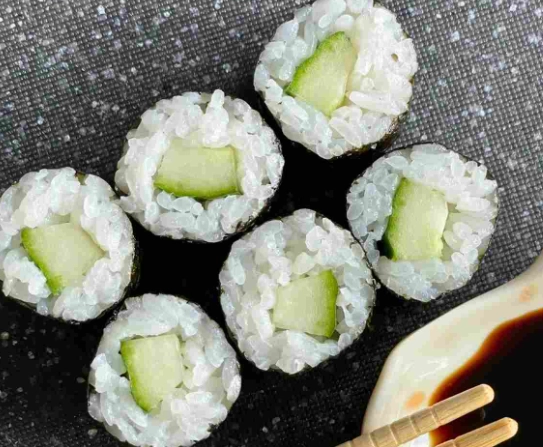
For Weight Loss
Yes, it can be an excellent tool. Its low calorie density means you can eat a decent volume for few calories. But – and this is a huge but – you must pair it with protein. On its own, it won't keep you full long enough to be effective for weight loss. Use it as your carb source in a meal that includes lean protein.
For a Low-Carb or Keto Diet
Simply put, no. A single serving has around 45g of net carbs, which will likely blow your entire day's carb allowance on a strict keto diet. It's not compatible.
For a Vegan/Vegetarian Diet
Mostly yes, but you must verify. Ask if the sushi rice is made with dashi (fish stock). Many traditional sushi chefs use dashi in the rice seasoning, which is not vegetarian. If it's just rice vinegar, sugar, and salt, you're good to go. It's a great vegan sushi option.
For People with Diabetes
This requires caution. The high glycemic load can spike blood sugar. If you have diabetes, the best approach is to have a very small portion (maybe 2-3 pieces) as part of a meal rich in fiber, protein, and healthy fat. Monitor your blood sugar to see how your body reacts. Brown rice would be a much better choice here.
Common Questions People Ask (That Google Doesn't Always Answer)
Let's get into the nitty-gritty questions that pop up when you're really thinking, "Okay, but is kappa maki healthy for *me*?"
Is the cucumber raw, and is that safe? Yes, it's raw cucumber. It's perfectly safe as long as it's washed. The risk of foodborne illness from the cucumber in kappa maki is extremely low, especially compared to risks sometimes associated with raw fish (though those are also minimal at reputable establishments).
Can I eat it every day? I wouldn't recommend it as a daily staple. While not unhealthy, the lack of protein and reliance on white rice means you'd be missing out on a variety of nutrients from other food groups. Variety is the cornerstone of a healthy diet.
Is it good for digestion? The cucumber's water and minimal fiber can be gentle on the stomach. However, for some people, large amounts of white rice can be constipating. The nori provides some fiber which can help. It's generally considered a easy-to-digest food.
What about food allergies? It's naturally free of most major allergens: no gluten (unless soy sauce contaminates it), no dairy, no nuts, no eggs, no shellfish/fish (check the rice!). This makes it a fantastic option for people with multiple food allergies. Always, always inform the staff of your allergies.
Is it healthy for kids? It's a fantastic food for kids! The size is manageable, it's not spicy, and it's a fun way to introduce them to different textures (nori can be tricky for some). It's a much healthier alternative to chicken nuggets or fries.
The Verdict: So, Is Kappa Maki Healthy?
Let's wrap this up.
Asking "is kappa maki healthy" is a great question because it shows you're thinking critically about your food. The final verdict is that kappa maki is one of the healthiest sushi roll options available, but it is not a complete meal.
Think of it as a fantastic, low-fat carbohydrate base. It's a blank canvas. Its health potential is unlocked when you combine it wisely with other foods.
It's perfect for when you want something light, refreshing, and hydrating. It's a savior for those with dietary restrictions or allergies. It's a low-calorie way to enjoy the sushi experience. But if you eat six pieces by themselves and drown them in soy sauce, you're missing the point and setting yourself up for hunger and blood sugar swings.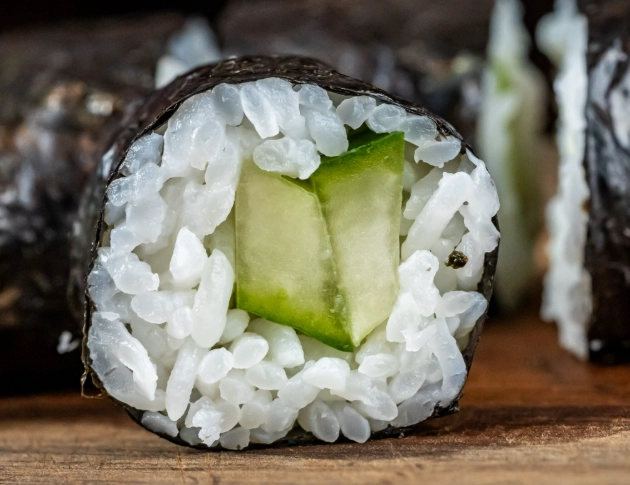
Next time you're at the sushi bar, go ahead and order the kappa maki. But also get that side of edamame. Maybe a piece of grilled fish or some tofu. Enjoy the crisp, clean taste of the cucumber and the savory hit of the nori, knowing you've made a choice that's good for your body. You can now confidently answer the question, "Is kappa maki healthy?" with nuance, understanding, and a plan to make it work for you.
Because in the end, healthy eating isn't about banning foods. It's about understanding them and fitting them into your life in a smart, satisfying way. And kappa maki definitely has a place at that table.
Reader Comments