Your Quick Guide to Tsuyu
Let's be honest. The first time you had a bowl of soba or udon in a proper Japanese restaurant, you probably wondered about that little pot of dark, savory sauce on the side. You dipped your noodles, took a bite, and suddenly everything made sense. That, my friend, was your introduction to tsuyu sauce.
But here's the thing most people don't realize. That humble dipping sauce is a secret weapon. It's not just for noodles. It's a concentrated burst of umami that can transform a dozen different dishes in your kitchen. I remember buying my first bottle years ago, thinking it was just fancy soy sauce. I was so wrong. I ended up using it in stir-fries, as a marinade, even drizzled it over steamed vegetables. It was a game-changer.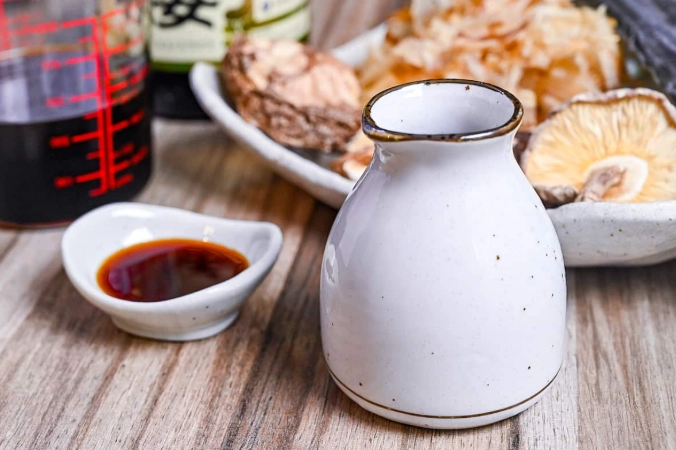
So what's the big deal about this sauce? Why does it deserve its own guide? Because most articles just tell you it's for dipping noodles and leave it at that. They don't tell you how to choose a good one, how to tweak it, or the hundred other ways you can use it. That's the gap we're filling today.
What Exactly is Tsuyu Sauce?
At its core, tsuyu (つゆ), sometimes called *mentsuyu* (麺つゆ) when specifically for noodles, is a seasoned, concentrated Japanese broth. Think of it as the ultimate flavor shortcut. It's built on a holy trinity of Japanese pantry staples: soy sauce, mirin (sweet rice wine), and dashi (Japanese soup stock).
The magic happens when these three simmer together. The soy sauce provides saltiness and depth, the mirin adds a subtle sweetness and gloss, and the dashi—usually made from kombu (kelp) and katsuobushi (dried bonito flakes)—injects that profound, savory umami punch. It’s this combination that makes tsuyu sauce so much more complex than regular soy sauce.
You'll typically find it in two main forms:
- Concentrated Tsuyu: This is the most common form sold in bottles. It's potent stuff, meant to be diluted with water before use. The dilution ratio is key—get it wrong, and your dish can be overwhelmingly salty or disappointingly weak.
- Ready-to-Use Tsuyu: Less common, but convenient. This is pre-diluted and can be used straight from the bottle, often found in refrigerated sections.
Then there's the regional twist: Kanto-style vs. Kansai-style. Kanto-style (from the Tokyo area) tends to be darker, richer, and uses more soy sauce. Kansai-style (from the Osaka/Kyoto region) is lighter in color and flavor, often using a higher ratio of light-colored soy sauce or even usukuchi soy sauce. It's a subtle difference, but one you might notice if you taste them side-by-side.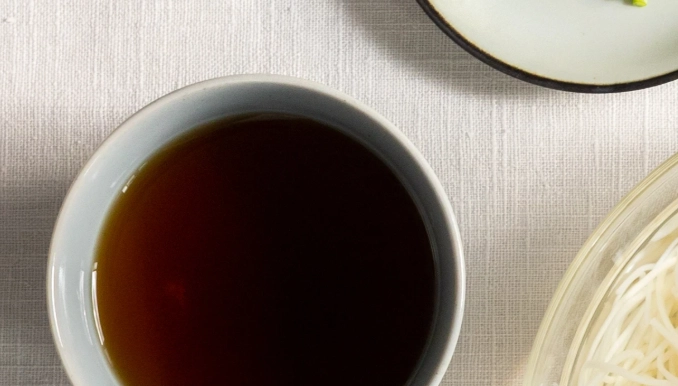
How to Use Tsuyu Sauce Like a Pro
Okay, so you have a bottle. Now what? Dipping cold soba is the classic move, but that's just the opening act.
The Art of the Noodle Dip
For zaru soba or zaru udon (cold noodles served on a bamboo mat), you dilute the concentrated tsuyu. A standard starting ratio is 1 part tsuyu sauce to 2-3 parts water, but always taste and adjust. I like mine a bit stronger, so I lean towards 1:2. Pour it into a small cup or bowl, add your garnishes—finely sliced green onions, a dab of wasabi, maybe some grated daikon radish—and dip your noodles elegantly. Don't drown them; just a quick dip to coat.
Beyond the Noodle Bowl
This is where tsuyu sauce really shines. Its balanced profile makes it an incredible all-purpose seasoning.
- Soup Base: Dilute it with hot water (about 1:5 or 1:6) for an instant udon or soba soup broth. Toss in some noodles, green onions, and a slice of kamaboko (fish cake), and you have a meal in minutes.
- Stir-fry Sauce: Instead of reaching for a generic stir-fry sauce, use a couple of tablespoons of diluted tsuyu. Its umami depth works wonders with vegetables and protein.
- Marinade: It's fantastic for marinating chicken, fish (like salmon), or even tofu. The mirin helps tenderize, and the dashi adds savoriness. Just be careful not to marinate too long, as the salt can start to cure the protein.
- Dipping Sauce for Tempura: A classic! Called *tentsuyu*, it's typically a bit more diluted than noodle tsuyu and often has grated daikon and ginger added right before serving. The lightness cuts through the fried tempura perfectly.
- Seasoning for Rice Bowls: A light drizzle over a bowl of hot rice with a fried egg (tamago kake gohan) is a simple, soul-satisfying meal.
- Salad Dressing Base: Mix diluted tsuyu with a little rice vinegar and sesame oil for a quick Asian-inspired salad dressing.
See what I mean? One bottle does the job of five.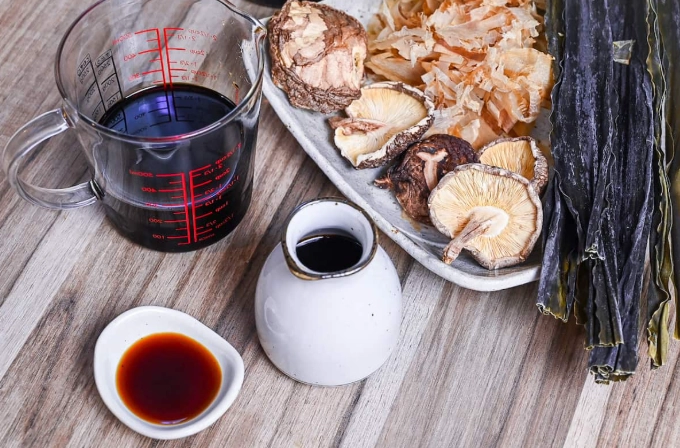
Making Your Own Tsuyu Sauce: Is It Worth It?
Store-bought is convenient, no doubt. But homemade? That's a different level of flavor. You control every element. The downside? It doesn't keep as long as the bottled stuff, which has preservatives.
Here's a solid, reliable recipe for a basic homemade tsuyu. You'll need to make a good dashi first, which is easier than it sounds.
Step 1: Make Your Dashi
Combine 4 cups of water and a 4x6 inch piece of kombu (dried kelp) in a pot. Let it soak for 30 minutes if you have time. Then heat it slowly until it's just about to boil. Right before it boils, remove the kombu. Add 1 cup of loosely packed katsuobushi (bonito flakes), bring to a boil, then immediately turn off the heat. Let it steep for 10 minutes, then strain through a fine-mesh sieve. Don't squeeze the flakes, or your dashi can become bitter. You now have beautiful, clear *ichiban dashi* (first dashi).
Step 2: Build the Tsuyu
Take 2 cups of your fresh dashi and put it in a clean pot. Add 1/2 cup of soy sauce (I prefer a mix of regular and usukuchi for complexity) and 1/2 cup of hon-mirin (real mirin). For authenticity and safety, using proper hon-mirin, which has about 14% alcohol, is key—the Japan Sake and Shochu Makers Association provides great background on this. Bring the mixture to a simmer and let it cook gently for 5-10 minutes to meld the flavors and allow the alcohol from the mirin to evaporate. Let it cool completely. That's it.
Is it worth the effort? For a special occasion or if you're a flavor purist, absolutely. The freshness of the dashi is unmistakable. For Tuesday night dinner after work? Maybe just reach for the bottle.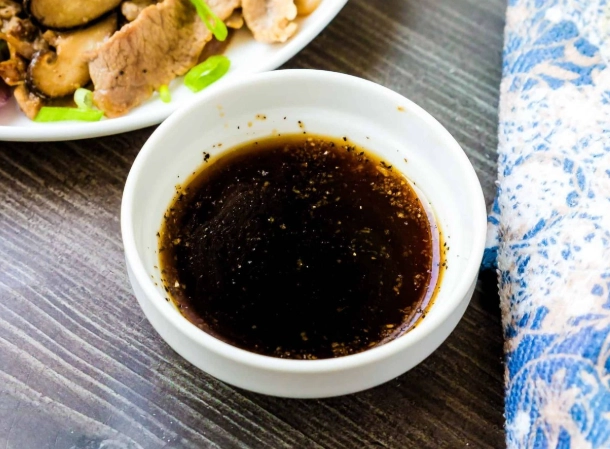
Navigating the Store-Bought Aisle: Top Brands Compared
Walk into an Asian grocery store or browse online, and you'll see a wall of options. It can be paralyzing. They're not all created equal. Some are salt bombs, others are oddly sweet. Based on my own (sometimes disappointing) trials, here's a breakdown of some major players.
| Brand | Key Characteristics | Saltiness Level | Best For |
|---|---|---|---|
| Mizkan (Sushi Chef / Hon Tsuyu) | Very balanced, classic flavor. Often considered the gold standard. Uses a blend of several soy sauces and bonito/kombu dashi. | Medium | All-purpose use, especially for purists. Perfect for dipping cold soba. |
| Kikkoman Manjo Gold | Rich, deep color and flavor. Slightly sweeter and more robust than Mizkan's classic line. | Medium-High | Kanto-style dishes, as a soup base where it can be diluted well. |
| Yamaki Jozo | Lighter in color and taste. Often leans towards the Kansai style. Clean, straightforward flavor. | Low-Medium | Those who find other brands too strong, or for delicate dishes. |
| House Foods Shoya | Good value option. Flavor is decent but can be a bit one-dimensional (salty-sweet) compared to the top-tier brands. | Medium | Everyday cooking where it's an ingredient in a larger dish, not the star. |
| Organic or "Additive-Free" brands (e.g., Eden Foods) | Simpler ingredient lists, often just soy sauce, mirin, dashi. Flavor can be less complex but very "clean." | Varies | Health-conscious cooks, or those with sensitivities to additives like alcohol or corn syrup. |
My personal go-to is Mizkan. It's consistently good. I tried a store-brand once from a local market because it was cheap, and it was unbearably salty with a weird chemical aftertaste. Lesson learned: sometimes you get what you pay for with tsuyu.
Your Tsuyu Sauce Questions, Answered
After talking to friends and readers, a few questions pop up again and again. Let's tackle them.
Is tsuyu sauce just soy sauce?
Absolutely not. This is the biggest misconception. While soy sauce is a major component, tsuyu is a complete, seasoned broth. The addition of dashi and mirin creates a completely different flavor profile—more rounded, savory-sweet, and complex. Using straight soy sauce as a dip for soba would be harsh and salty.
How long does it last once opened?
Concentrated, bottled tsuyu sauce is quite stable due to its salt and sugar content. Most brands recommend refrigerating after opening and using within 2-3 months for best quality. It likely won't "spoil" quickly, but the flavor can degrade, and the dashi notes can fade. Always check the bottle for the manufacturer's guidance.
Can I use it if I'm gluten-free?
Standard tsuyu is not gluten-free because traditional Japanese soy sauce is made with wheat. However, the market is catching up. You can now find gluten-free tsuyu made with tamari (a wheat-free soy sauce). Brands like San-J make a tamari-based version. Always double-check the label.
What's the difference between tsuyu and ponzu?
Another common mix-up. Both are dipping sauces, but their personality is different. Tsuyu is all about the savory, umami depth from dashi and soy sauce, with sweetness from mirin. Ponzu is citrus-forward. It's typically soy sauce or dashi mixed with yuzu, sudachi, or other citrus juices, resulting in a tangy, bright, and refreshing sauce. They're not interchangeable.
My tsuyu is too salty/sweet. Can I fix it?
Sure! If it's too salty after diluting, add a bit more water or a tiny pinch of sugar to balance it. If it's too sweet, a few drops of extra soy sauce or a splash of water can help. Remember, you're in control. The ratios on the bottle are suggestions, not laws.
Final Thoughts: Why Your Kitchen Needs a Bottle
Look, I'm not saying tsuyu sauce will solve all your cooking problems. But it comes close for weeknight dinners. It's the definition of a flavor powerhouse in a bottle. It embodies the essence of Japanese *umami*—a concept deeply rooted in the cuisine that you can read more about from sources like the Japan National Tourism Organization's food culture pages.
Whether you buy a trusted brand like Mizkan or take an afternoon to make your own from scratch, having this sauce on hand opens up a world of quick, delicious meals. It’s the secret behind the incredible depth of flavor in so many seemingly simple Japanese dishes.
Start with cold soba. Then get adventurous. Toss it with stir-fried mushrooms. Use it as a base for a noodle soup on a cold day. Marinate some salmon. You'll soon find your own favorite ways to use it. Just don't let it sit in the back of your fridge forever—this is one ingredient that begs to be used.
Reader Comments