Your Miso Chicken Roadmap
- Why Miso and Chicken Are a Perfect Pair
- Navigating the Miso Aisle: Which Type for Your Chicken?
- Your Practical Toolkit: How to Make Miso Work with Chicken
- Beyond the Marinade: Miso in Every Part of the Chicken Dish
- Recipes to Get You Started (No Fuss, Maximum Flavor)
- Answering Your Burning Questions (FAQ)
- The Final Verdict
Let's cut right to the chase. You're standing in your kitchen, maybe staring at a pack of chicken breasts and that tub of miso paste you bought on a whim. The question pops into your head: does miso work with chicken? Is this fermented soybean paste just for soup, or can it do something magical for my boring weeknight chicken?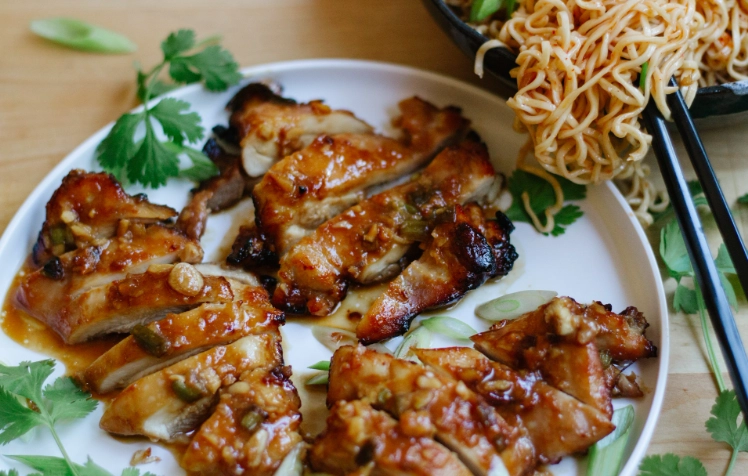
The short answer is a resounding, absolutely, without-a-doubt yes. In fact, it's one of the best culinary pairings you're not fully exploiting yet. But the long answer—the why, the how, the what-kind-should-I-use—is where the real magic happens. This isn't just about throwing miso at chicken and hoping for the best. It's about understanding a flavor partnership that's been celebrated in Japanese kitchens for centuries and learning how to make it work in yours.
The Core Idea: Miso and chicken work together because miso provides a deep, savory, complex umami base that chicken readily absorbs. Chicken, especially the milder breast meat, acts like a blank canvas that soaks up miso's salty, funky, sweet, and earthy notes. The result is chicken that's incredibly flavorful, tender, and anything but bland.
Why Miso and Chicken Are a Perfect Pair
It's not just luck. There's solid science and culinary logic behind this duo. Think of miso as a flavor accelerator and a tenderizer all in one.
First, the umami factor. Miso is packed with glutamates, the compounds responsible for that savory, mouthwatering taste. Chicken, particularly when you brown it, also develops its own umami. When you combine them, you get a synergistic effect—the flavor becomes greater than the sum of its parts. It's like turning the volume knob on savoriness up to eleven.
Then there's the texture. Miso is often mixed with other ingredients like sake, mirin, or a little sugar and oil to make a marinade or glaze. The enzymes and salt in miso gently break down surface proteins on the chicken. Don't worry, it's not a dramatic "cooking" like citrus does, but a subtle tenderizing that leads to juicier results. It also helps the marinade cling to the meat, creating a gorgeous, caramelized crust when you cook it.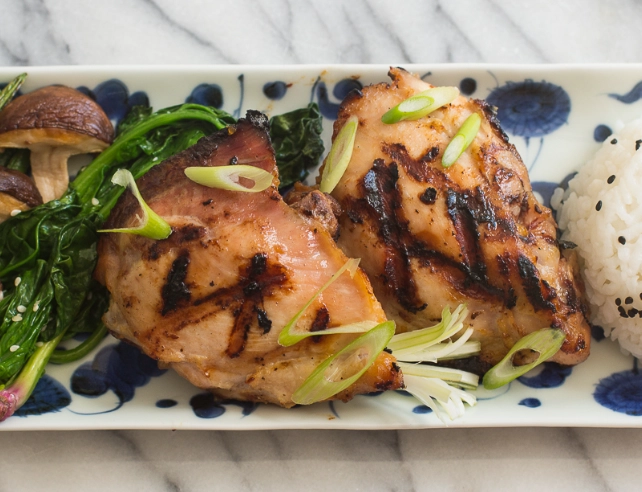
Honestly, the first time I tried a miso-marinated chicken thigh, I was skeptical. Could a paste from a soup really transform a roast chicken? You know what? It was a revelation. The skin was sticky, glossy, and packed with flavor, while the meat underneath stayed moist. It made my usual herb-and-garlic rub taste a bit one-dimensional in comparison.
So, to directly answer that search query: does miso work with chicken? It doesn't just work; it elevates it to a whole new level.
Navigating the Miso Aisle: Which Type for Your Chicken?
This is where many folks get stuck. You see white, red, yellow, barley, soybean... it's confusing. Picking the right miso is crucial because they taste wildly different. Using a super-strong dark miso for a delicate glaze can be overpowering.
Here’s a simple breakdown to cut through the noise.
| Miso Type (Color) | Key Characteristics | Fermentation Time | Best Chicken Applications |
|---|---|---|---|
| Shiro Miso (White) | Mild, sweet, slightly salty. Highest in koji (rice malt). | Shortest (weeks) | Perfect for beginners. Great in light marinades for breast meat, creamy miso sauces, and gentle glazes. Won't overpower. |
| Aka Miso (Red) | Robust, salty, deeply savory. Strong umami punch. | Longest (1-3 years) | Use for heartier dishes. Ideal for braising dark meat (thighs, legs), in rich stews, or as a base for a bold barbecue-style glaze. A little goes a long way. |
| Awase Miso (Yellow/Mixed) | The all-purpose goldilocks. Balanced saltiness and umami. | Medium (months to a year) | Your safest, most versatile bet. Works for everything from grilling whole chicken pieces to making a quick pan sauce. My personal go-to. |
| Mugi Miso (Barley) | Earthy, mellow, slightly sweet barley notes. | Medium to Long | Excellent in rustic, slow-cooked dishes. Pairs beautifully with root vegetables in a chicken pot roast or a hearty soup. |
A quick tip from my own trial and error: If you can only buy one tub, get a medium-yellow awase miso. It's the most forgiving and versatile. I made the mistake of using a very dark red miso for a quick marinade once, and the chicken was way too salty and intense. Lesson learned.
Remember, these aren't strict rules. A touch of white miso in a butter sauce for chicken piccata? Surprisingly good. A dab of red miso in your fried chicken brine? Game-changer. The key is to taste as you go, especially since miso saltiness varies by brand.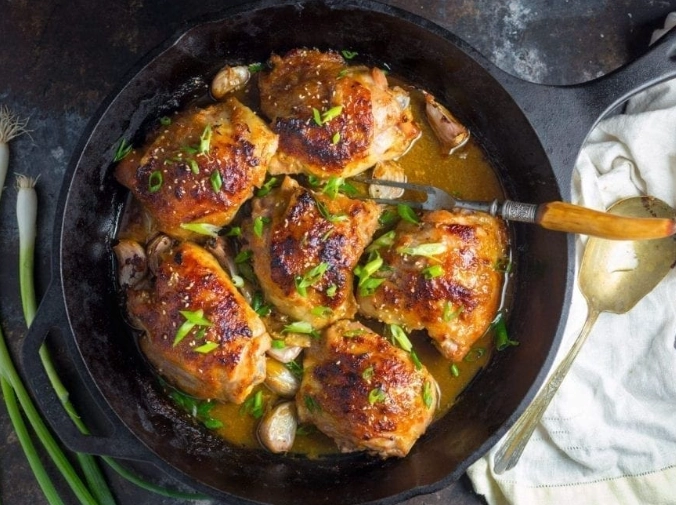
Your Practical Toolkit: How to Make Miso Work with Chicken
Okay, you're convinced. You have your miso. Now what? How do you actually get from point A (raw chicken and miso paste) to point B (a delicious meal)?
The Golden Rules of Miso Marinades
Miso is salty and thick. You can't just slather it on straight from the tub. You need to build a balanced marinade. Think of a simple formula:
Base (Miso) + Acid/Sweetness + Fat + Aromatics = Magic.
- Acid/Sweetness: This balances the salt. Use mirin (sweet rice wine), sake, a little sugar or honey, rice vinegar, or even a splash of citrus juice like yuzu or lemon.
- Fat: Helps carry flavor and promotes browning. Sesame oil is classic, but neutral oils like grapeseed or even a bit of mayonnaise work wonders.
- Aromatics: Garlic, ginger, scallions, toasted sesame seeds. Grated ginger is almost non-negotiable in my book.
Pro Tip: Always dissolve your miso in the other liquid ingredients (like mirin or sake) first before adding oil. It blends much more smoothly. A small whisk or fork is your best friend here.
Marinating Time: The Sweet Spot
More time isn't always better with miso. Because it's salty, an overly long marinade can start to cure the outer layer of the meat, making it a bit ham-like in texture (not always desirable).
- For chicken breasts or cutlets: 30 minutes to 2 hours is plenty. They're lean and absorb flavor quickly.
- For chicken thighs, legs, or wings: 2 hours to overnight. The darker meat and skin can handle and benefit from a longer soak.
- For a whole spatchcocked chicken: 4 to 12 hours. You want that flavor to penetrate deeper.
I find that the 2-hour mark for thighs is my personal sweet spot. You get incredible flavor without any textural weirdness.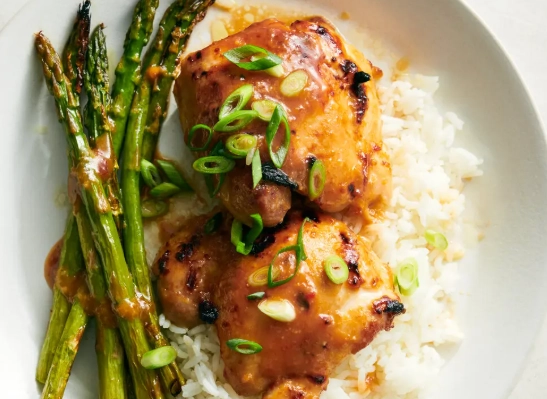
Cooking Methods That Shine
Pretty much any method works, but some are superstars.
Broiling or Grilling: The high, direct heat caramelizes the sugars in the marinade, creating an irresistible sticky, slightly charred, and glossy crust. This is the best way to answer "does miso work with chicken?" with your taste buds. Keep an eye on it, though—because of the sugars, it can burn faster than a standard marinade.
Roasting: Reliable and hands-off. The chicken cooks evenly, and the miso glaze bastes it as it renders fat. For a whole chicken, smear the miso mixture under the skin as well as on top for maximum flavor infusion.
Pan-Searing & Glazing: My favorite weeknight hack. Sear your chicken pieces in a pan until golden, remove them, then add a splash of sake or stock to deglaze the pan. Whisk in a tablespoon of miso until melted, maybe add a pat of butter, and you have an instant, luxurious sauce to pour over the top.
Braising & Stewing: Dissolve miso into the braising liquid towards the end of cooking. The long, slow cook melds the flavors, and the miso thickens the sauce beautifully. It's comfort food on another level. The Japanese Ministry of Agriculture, Forestry and Fisheries notes the historical use of miso in various nimono (simmered dishes), a tradition that translates perfectly to chicken stews.
Watch Out: Be cautious about adding miso to a boiling liquid for a long time. High, prolonged heat can dull its complex fermented flavor and kill the beneficial probiotics. It's better to add it at the end or keep the cooking gentle.
Beyond the Marinade: Miso in Every Part of the Chicken Dish
Marinades are the headline act, but miso's talent backstage is just as impressive.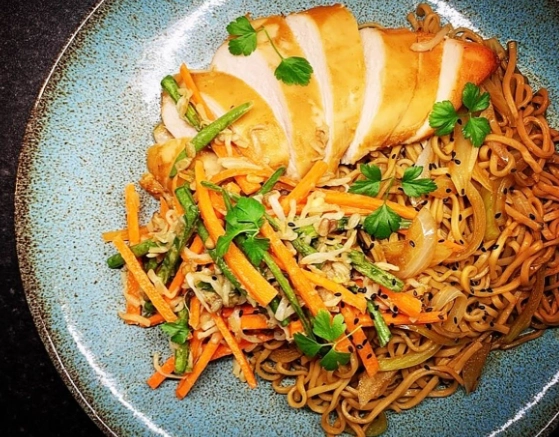
The Ultimate Pan Sauce: After searing chicken, add a knob of butter, a minced shallot, and a tablespoon of miso to the pan. Let it sizzle for 30 seconds, then pour in some chicken stock or cream. Reduce, and you've got a restaurant-quality sauce in minutes.
Compound Butter: Mix softened butter with white miso, lemon zest, and chives. Slice into coins, freeze them, and plop one on top of a hot, grilled chicken breast. It melts into an instant sauce. Trust me on this one.
In the Brine or Dry Rub: For the juiciest roast chicken ever, add a spoonful of miso to your standard saltwater brine. It seasons the meat from the inside out. For a dry rub, mix miso powder (yes, it exists) or a very small amount of paste with salt, pepper, and other spices.
The Salad Booster: Shred leftover miso chicken and toss it with greens, cucumbers, and a dressing made from rice vinegar, sesame oil, and a tiny bit of the same miso you used for cooking. It ties the whole dish together.
So, when you ask, "does miso work with chicken?" consider that its utility goes far beyond the initial soak. It's a versatile flavor anchor for the entire meal.
Recipes to Get You Started (No Fuss, Maximum Flavor)
Let's move from theory to practice. Here are two foolproof approaches, one simple, one a bit more involved.
Weeknight Warrior: Miso-Glazed Chicken Thighs
This is my most-cooked dinner. It requires about 5 minutes of active work.
- Mix 3 tbsp yellow miso, 1.5 tbsp honey or sugar, 1 tbsp sake or water, 1 tsp grated ginger, and 1 tsp sesame oil in a bowl.
- Pat 4-6 bone-in, skin-on chicken thighs dry. Coat them in the miso mix. Let them sit for as little as 15 minutes or up to 2 hours.
- Place them skin-side up on a baking sheet. Broil on high for 8-10 minutes, then move the rack down and bake at 400°F (200°C) for another 15-20 minutes, until cooked through and gloriously sticky.
The skin crackles, the meat is juicy, and the cleanup is easy. Serve with rice and steamed broccoli.
Weekend Project: Miso-Buttermilk Brined Roast Chicken
This is for when you want to impress or just treat yourself. The buttermilk-miso combo is a tenderizing powerhouse.
- Whisk 1 cup buttermilk, 1/4 cup white miso, 2 tbsp salt, and 1 tbsp honey until smooth.
- Place a whole spatchcocked chicken (or pieces) in a large bag. Pour the brine over it, seal, and refrigerate for 12-24 hours.
- Remove the chicken, let it dry on a rack in the fridge for an hour (for crispier skin). Roast at 425°F (220°C) until the internal temperature hits 165°F (74°C).
The result is unbelievably tender, flavorful chicken with a tangy, savory note. It will ruin you for ordinary roast chicken.
Answering Your Burning Questions (FAQ)
Can I use miso paste instead of soy sauce for chicken?
You can, but they're different. Soy sauce is a liquid seasoning, all salt and umami. Miso is a paste with salt, umami, sweetness, and complex fermented notes. If substituting in a marinade, thin the miso with water or sake to a soy-sauce-like consistency, and taste carefully as it's often saltier. You might need to reduce other salt in the recipe.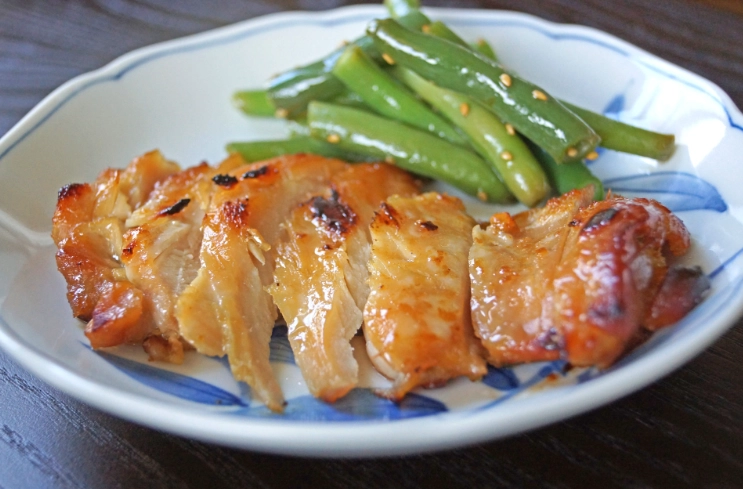
Does miso chicken taste overly "soybean-y" or weird?
Not if you use it correctly. When balanced with other ingredients and cooked, miso imparts a deep, savory, nutty, rich flavor. The harsh or overly "beany" edge cooks off. Think of it more like the flavor foundation of a great gravy or demi-glace, not a strong soybean taste.
How do I store miso-marinated chicken before cooking?
In an airtight container in the fridge for up to 24 hours (for dark meat). For food safety, don't leave it at room temperature for marinating. You can also freeze the chicken in its marinade for up to a month—the miso actually helps protect the texture during freezing.
Is miso chicken healthy?
Miso itself is a fermented food, containing beneficial bacteria (probiotics), protein, and vitamins. However, it is high in sodium. The healthiness of the dish depends on the rest of your recipe. Using it as a flavor-packed glaze on skinless chicken breast with lots of vegetables is a nutritious choice. A study published by Harvard T.H. Chan School of Public Health notes that while miso is high in sodium, its fermentation process and nutritional profile may offer health benefits, and it's often consumed in small, flavorful amounts. As with anything, moderation and balance are key.
My miso marinade burned on the grill! What did I do wrong?
This is the most common pitfall. Miso marinades, especially those with sugar or honey, caramelize and burn faster than oil-based herbs. The fix: Use indirect heat. On a grill, sear the chicken over direct heat for a minute per side to get marks, then move it to a cooler zone to cook through. In the oven, start with a high heat to set the glaze, then lower the temperature.
The Final Verdict
So, let's circle back to that initial Google search, the one that probably brought you here.
Does miso work with chicken?
After digging into the why, the how, and the what-if, I hope the answer is crystal clear. It's not just a workable idea; it's a transformative one. Miso takes chicken from a simple protein to a centerpiece with deep, intriguing, restaurant-quality flavor. It solves the problem of dry, bland chicken. It adds complexity without requiring a pantry full of exotic spices.
Start simple. Grab some yellow miso, mix it with a bit of honey and ginger, smear it on some thighs, and throw them under the broiler. Taste the magic for yourself. Once you get the hang of it, you'll start seeing possibilities everywhere—in your pan sauces, your soups, your roasted vegetables on the side.
The journey from wondering if miso works with chicken to confidently using it as your secret flavor weapon is a short and delicious one. Your weeknight dinners are about to get a major upgrade.
Takeaway Challenge: This week, swap out your usual chicken marinade for one built around a spoonful of miso. Don't overthink it. The worst that can happen is you learn something new about your own taste preferences. The best that can happen? You find a new favorite way to cook.
Honestly, I still mess up sometimes. I'll add too much red miso and have to dilute a sauce, or I'll forget and let the glaze blacken under the broiler. But even the "mistakes" are usually pretty tasty. That's the sign of a truly great ingredient partnership.
Reader Comments