Your Quick Guide to Wakame Salad
Let's be honest, the first time you see a vibrant green wakame seaweed salad at a sushi restaurant, you might be a little hesitant. Is it slimy? What does it even taste like? I was in the same boat. I ordered it once just to be adventurous, and honestly, I was hooked after the first bite. That unique combination of a slight oceanic flavor, a satisfyingly chewy yet tender texture, and that tangy, savory dressing... it just works.
But here's the thing I discovered later: the bright, sometimes unnaturally green salad you often get as a side dish is just one version. The real story of wakame is so much richer, both in flavor and in what it can do for you. So, I dug deep—talking to folks who know their seaweed, trying countless recipes (some failures included!), and reading more scientific papers than I'd care to admit. This guide is everything I wish I knew when I started.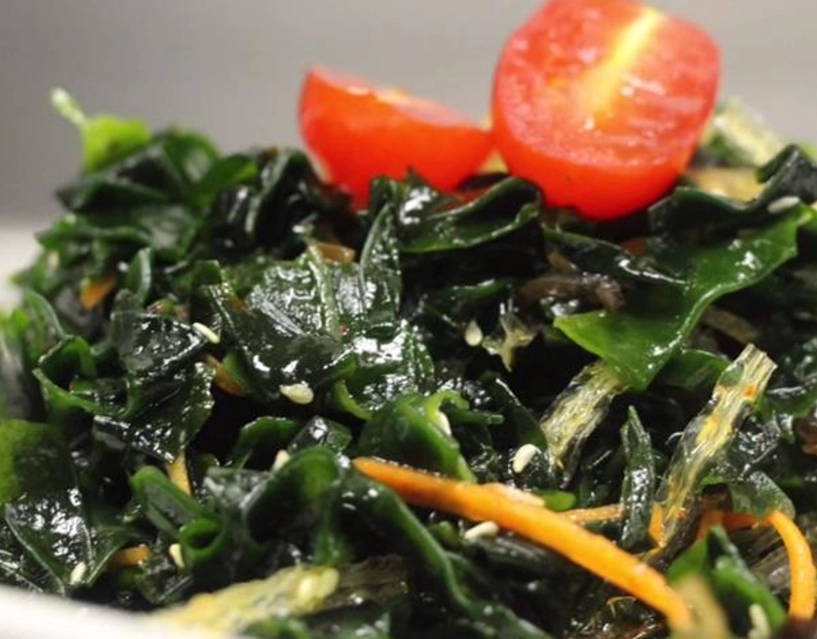
What exactly is wakame? In short, it's a type of edible seaweed, scientifically known as Undaria pinnatifida. It's a staple in Japanese, Korean, and Chinese cuisines. You'll most commonly find it dried, looking like dark green or brownish flakes or sheets. Add water, and it transforms—tripling in size and turning a beautiful, deep jade green. That's when the magic for your wakame seaweed salad begins.
Why All the Hype? The Real Health Perks of Wakame
It's not just a tasty side dish. People call it a superfood for a reason, and the research backs up a lot of the claims. It's incredibly nutrient-dense for very few calories.
Just a small serving of a wakame seaweed salad packs a serious nutritional punch. We're talking a great source of iodine, which is crucial for your thyroid gland to function properly and regulate metabolism. The National Institutes of Health (NIH) highlights iodine's essential role, and seaweed is one of the richest natural sources. But that's just the start.
The Nutrient Breakdown: What's Actually In It?
Here’s a quick look at what you're really getting. This isn't just fluff—these nutrients have real jobs in your body.
| Nutrient | Key Benefit | Why It Matters for You |
|---|---|---|
| Iodine | Thyroid hormone production | Supports metabolism, energy levels, and brain function. |
| Magnesium | Muscle & nerve function | Helps with relaxation, sleep quality, and beating those muscle cramps. |
| Calcium | Bone health | Stronger bones and teeth (yes, seaweed has calcium!). |
| Folate (Vitamin B9) | Cell growth & DNA formation | Especially important for anyone thinking about pregnancy. |
| Fucoxanthin | Antioxidant & potential metabolic booster | This is the cool brown pigment being studied for its unique properties. |
| Soluble Fiber (Alginate) | Digestive health & satiety | That gentle, chewy texture? It helps you feel full and supports gut health. |
Beyond the table, studies (like those referenced by the USDA FoodData Central) suggest the compounds in wakame may support heart health and have anti-inflammatory effects. The fiber can also help manage cholesterol levels. It's a lot of benefit from a simple plant.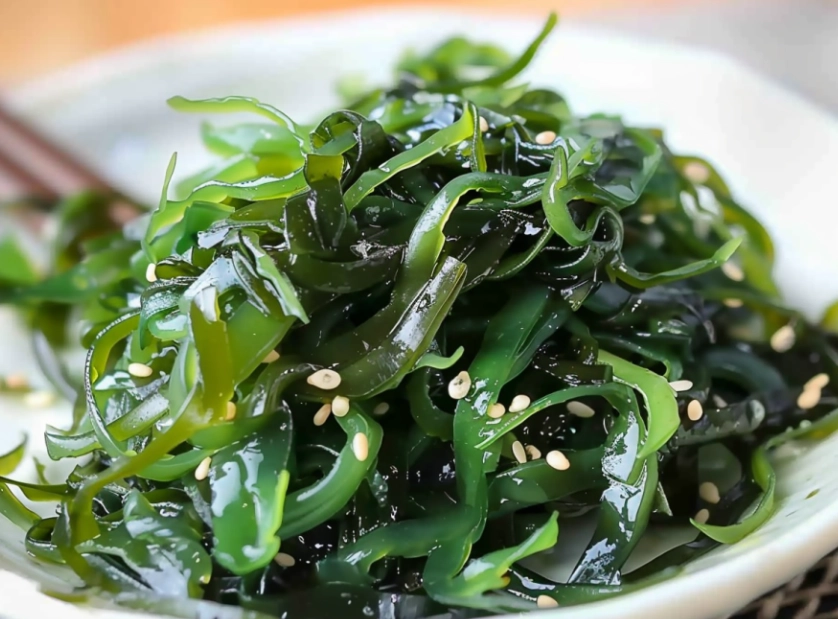
A quick but important note on iodine: While vital, too much iodine can be problematic, especially if you have certain thyroid conditions. If you're eating a simple wakame seaweed salad a few times a week, you're likely fine. But if you're going to consume large amounts daily or have thyroid issues, it's wise to chat with your doctor. Balance is key with everything, even good things.
Getting Your Hands on the Good Stuff: A Buyer's Guide
Not all wakame is created equal. Your final dish depends heavily on what you start with. I've bought bags that rehydrated into a mushy mess and others that were tough. Here's how to avoid that.
You'll typically find it in these forms:
- Dried, Cut Wakame: The most common and user-friendly. It looks like coarse green flakes or small strips. Perfect for beginners and for making salad. This is your go-to.
- Dried Whole Leaf: Larger pieces you can cut yourself after soaking. Gives you more control over the final size.
- Fresh or Salted Wakame: Less common outside of coastal areas or specialty markets. It's more perishable but can have a fantastic texture.
My personal go-to is the dried, pre-cut variety from a reputable Japanese or Korean brand. The quality is consistent. When shopping, look for a deep green or black color. Avoid bags with a lot of fine powder at the bottom—it can make your dressing gritty.
Where to buy?
Asian grocery stores are your best bet for price and selection. Health food stores often carry it too, but it might be pricier. Of course, online retailers have everything, but read reviews about texture and freshness.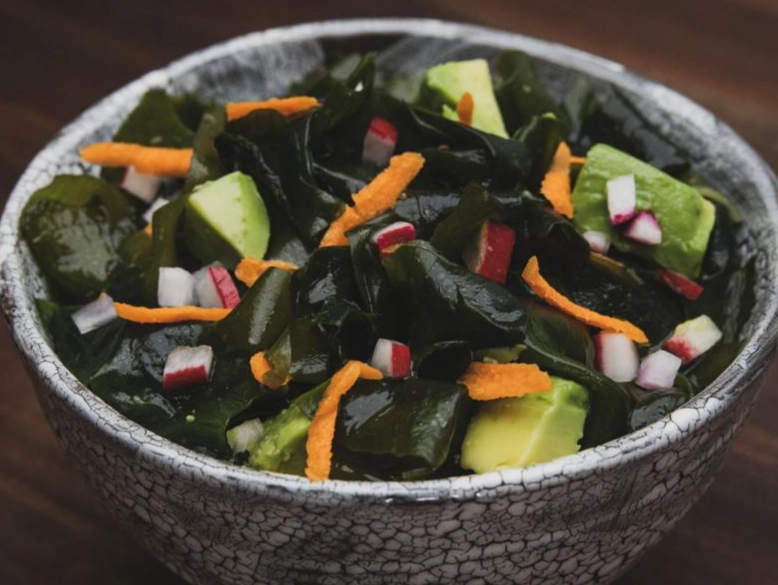
The Heart of the Matter: Crafting Your Perfect Wakame Seaweed Salad
This is where the fun begins. The basic process is simple: hydrate, dress, and serve. But the devil (and the delight) is in the details.
Step-by-Step: No More Soggy or Tough Seaweed
- Rehydrating: This is the most critical step. Put your dried wakame in a large bowl—remember, it expands a lot. Cover with cool or lukewarm water. Not hot! Hot water can make it slimy and kill the vibrant color. Let it sit for 5-10 minutes. It should become soft, plump, and a lovely green.
- The Taste Test: Seriously, taste a piece. It should be tender but still have a pleasant chew, not mushy and not like rubber. If it's still tough, give it another minute or two.
- Draining & Squeezing: Drain it in a colander or sieve. Here's the pro tip: grab small handfuls and gently squeeze out the excess water. This step is non-negotiable if you want your salad to absorb the dressing properly instead of being watered down.
- Chopping (if needed): If your pieces are too big, give them a rough chop on a cutting board. You want bite-sized pieces.
I messed this up the first time. I used hot water and ended up with a sad, limp, olive-green mass. It was not appetizing. Cool water makes all the difference in texture and color.
The Flavor Foundation: Building Your Dressing
The dressing is what makes a wakame seaweed salad sing. The classic profile is a balance of savory, sweet, tangy, and umami.
The Essential Quartet:
- Soy Sauce or Tamari: For saltiness and umami depth. Use low-sodium if you're watching salt.
- Rice Vinegar: Provides the essential clean, sharp tang. Don't substitute with white vinegar—it's too harsh.
- Toasted Sesame Oil: The aromatic soul of the dressing. A little goes a very long way. This is non-negotiable for that authentic flavor.
- A Sweetener: To round out the sharp edges. Mirin (sweet Japanese rice wine) is traditional. If you don't have it, a tiny bit of sugar or agave syrup works.
My Go-To Basic Ratio (easy to remember): 3 parts soy sauce, 2 parts rice vinegar, 1 part mirin/sweetener, and 1/2 part sesame oil. Whisk it together and adjust to your taste. Want more tang? Add vinegar. More depth? A dash more sesame oil.
Leveling Up: Add-ins & Variations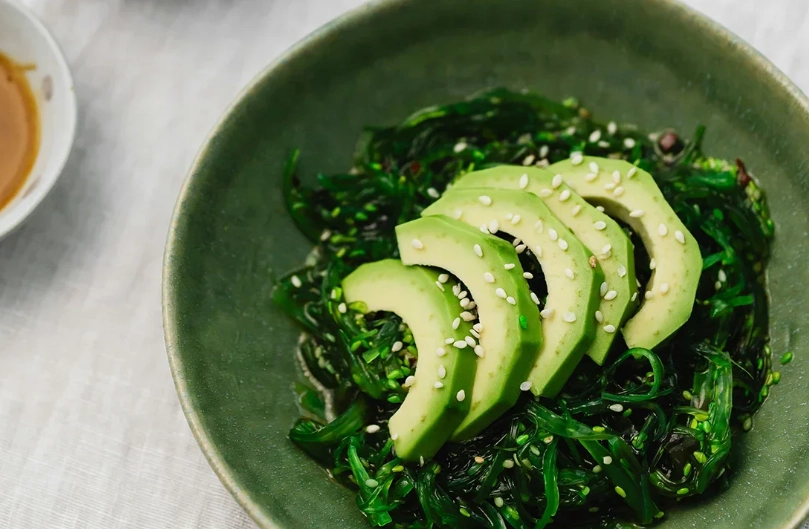
Once you've mastered the basic wakame seaweed salad, play around! Here are some popular additions:
- For Crunch: Thinly sliced cucumber, julienned carrot, sesame seeds.
- For Protein: Shredded cooked chicken, flaked tuna, cubed tofu, or edamame beans.
- For Heat: A sprinkle of shichimi togarashi (Japanese seven-spice) or a few drops of chili oil.
- For Freshness: Thinly sliced scallions, a tiny bit of grated ginger, or shredded daikon radish.
Mix your prepared wakame with your chosen add-ins, pour the dressing over, and toss gently. Let it sit for 10-15 minutes before serving to let the flavors marry. It's even better the next day (though the texture softens a bit more).
Common Pitfalls and How to Dodge Them
Let's talk about the mistakes so you don't have to make them. I've made a few.
The Soggy Salad Syndrome: Cause = not squeezing out enough water after soaking. The wakame holds a ton of water, and if you don't gently squeeze it, that water will dilute your dressing into a sad pool at the bottom of the bowl.
The Rubber Band Texture: Cause = under-soaking. If you're in a rush and only soak for 2 minutes, the core of the wakame piece might still be tough and chewy in an unpleasant way. Give it the full time.
The Overpowering Fishy Taste: Cause = low-quality wakame or old product. Fresh, good-quality dried wakame should have a mild, oceanic aroma, not a strong, fishy one. Also, overdoing the sesame oil can sometimes create a bitter note.
The Bland Bowl: Cause = not letting it marinate. Tossing and eating immediately is okay, but letting it sit for a bit allows the wakame to fully absorb the dressing's flavors.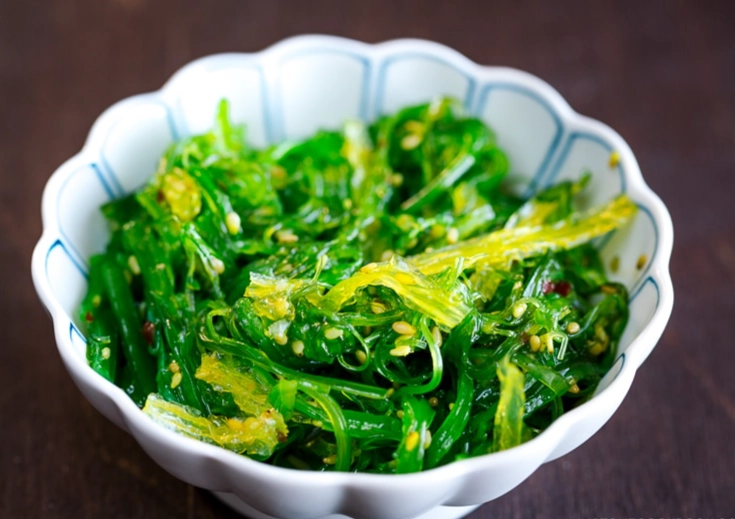
Your Wakame Seaweed Salad Questions, Answered
Beyond the Salad Bowl: Other Ways to Use Wakame
Don't box your wakame into just one dish. It's incredibly versatile.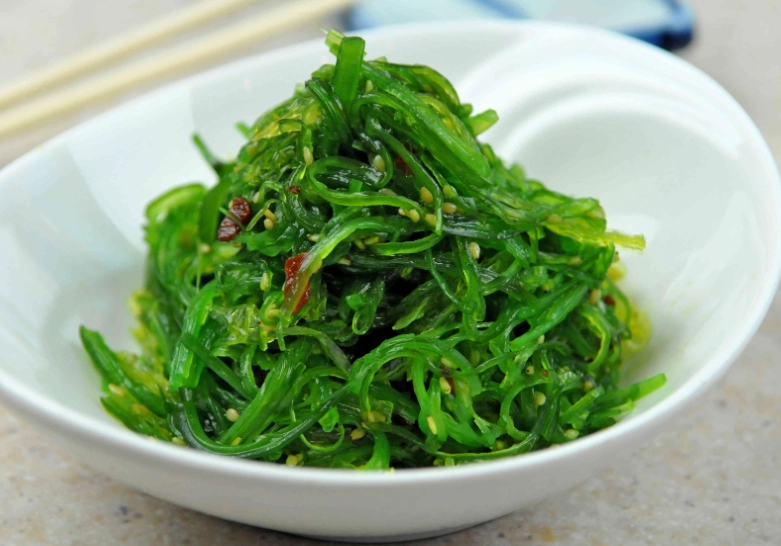
The Instant Soup Booster: Crumble a small pinch of dried wakame into your miso soup, ramen, or any clear broth soup as it cooks. It rehydrates in the hot broth and adds flavor, texture, and nutrients.
The Rice Mix-In: Chop rehydrated wakame very finely and mix it into steamed rice or rice balls (onigiri) along with some sesame seeds. It adds a wonderful savory note.
The Salad Green Supplement: Add a handful of rehydrated and squeezed wakame to your regular green salads or grain bowls. It pairs surprisingly well with avocado, chickpeas, and a lemon-tahini dressing.
So, there you have it. Wakame seaweed salad is more than just a colorful side—it's a doorway to a unique ingredient that's nutritious, delicious, and surprisingly easy to master at home. Start with the basic recipe, pay attention to the soaking step, and don't be afraid to tweak the dressing to your own taste. Once you get it right, you might just find yourself craving that unique umami crunch. I know I do.
Reader Comments