If you've ever had Japanese BBQ, you know the magic isn't just in the meat—it's in that glossy, savory-sweet yakiniku sauce. I've spent years experimenting with it, from backyard grills to professional kitchens, and let me tell you, most guides miss the nuances. This isn't just another recipe list; it's a deep dive into what makes this sauce tick, how to avoid common pitfalls, and where to find the best options. We'll cover everything from scratch-made batches to store-bought gems, so you can elevate your next cookout without the guesswork.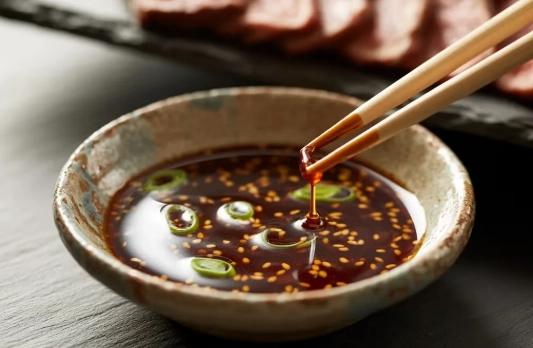
What You'll Find Inside
- What is Yakiniku Sauce and Why It's a Game-Changer
- How to Make Authentic Yakiniku Sauce at Home
- Top 5 Commercial Yakiniku Sauces You Can Buy
- Common Mistakes When Using Yakiniku Sauce (and How to Avoid Them)
- Beyond Meat: Creative Uses for Yakiniku Sauce
- Frequently Asked Questions About Yakiniku Sauce
What is Yakiniku Sauce and Why It's a Game-Changer
Yakiniku sauce is the heart of Japanese grilled meat dishes—a balanced blend of soy sauce, sugar, mirin, and often fruit like apple or pear for umami. It's not just a dip; it's a marinade, glaze, and finishing sauce all in one. According to the Japan External Trade Organization (JETRO), yakiniku's global popularity has surged, and the sauce is a big reason why. Most people think it's similar to teriyaki, but that's a rookie mistake. Teriyaki is thicker and sweeter, while yakiniku sauce has a tangier, more complex profile that doesn't overpower the meat. I've seen chefs swear by it for everything from beef to veggies, and once you get it right, it transforms simple ingredients into something special.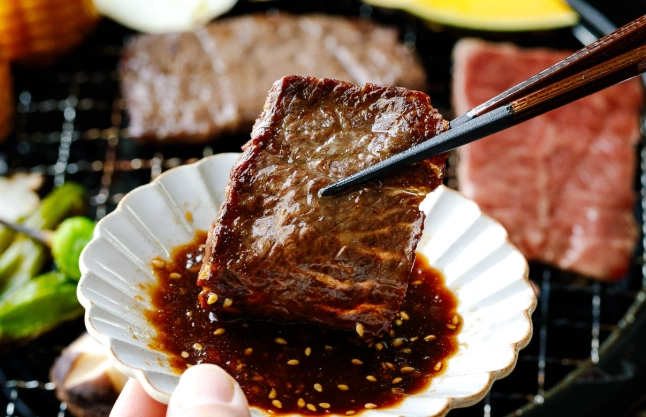
Why bother making or buying it? Because store-bought versions can be hit or miss—some are too salty, others too syrupy. A good yakiniku sauce should caramelize nicely on the grill without burning, adding a glossy sheen and deep flavor. If you're tired of bland BBQ, this is your fix.
How to Make Authentic Yakiniku Sauce at Home
Making yakiniku sauce from scratch is easier than you think, and it lets you control the sweetness and saltiness. Here's my go-to recipe, refined after a few disasters (like the time I used honey instead of sugar and ended up with a sticky mess).
Ingredients You'll Need
Gather these basics: 1/2 cup soy sauce (use a Japanese brand like Kikkoman for authenticity), 1/4 cup mirin, 1/4 cup sake, 3 tablespoons sugar (brown sugar works better for depth), 2 tablespoons grated apple or pear (this is the secret—don't skip it), 1 clove minced garlic, and a teaspoon of grated ginger. Some recipes add sesame oil or chili, but start simple.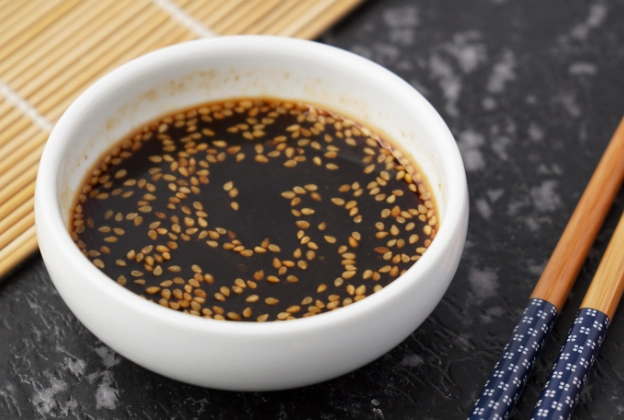
Step-by-Step Instructions
Combine everything in a saucepan over medium heat. Stir until the sugar dissolves, then simmer for 10-15 minutes until it thickens slightly—don't boil it hard, or it'll turn bitter. Let it cool, and it's ready. I usually make a double batch and store it in a jar; it keeps for weeks. The fruit adds natural pectin, giving it a nice body without cornstarch.
Variations? For a richer version, add a tablespoon of miso paste. If you're out of mirin, mix a tablespoon of rice vinegar with a teaspoon of sugar as a sub, but the flavor will be sharper. I've tried both, and the miso twist is worth it for beef.
Top 5 Commercial Yakiniku Sauces You Can Buy
Not everyone has time to cook from scratch, so here's a rundown of the best store-bought options. I've tested these on everything from ribeye to tofu, and here's my honest take—no sponsored nonsense.
| Brand | Price Range (USD) | Key Features | Where to Buy | My Rating |
|---|---|---|---|---|
| Bull-Dog Vegetable & Fruit Sauce | $5-$7 | Fruit-based, balanced sweet-savory, great for marinating | Asian grocery stores, Amazon | 9/10 |
| Kikkoman Yakiniku Sauce | $4-$6 | Classic soy-forward, easy to find, consistent quality | Supermarkets like Walmart, online | 8/10 |
| Yamasa Yakiniku No Tare | $6-$8 | Rich umami, includes sesame, good for dipping | Specialty Asian markets | 8.5/10 |
| Lee Kum Kee Korean BBQ Sauce | $5-$7 | Spicier twist, thicker texture, versatile | Most grocery aisles | 7/10 (less authentic but tasty) |
| House Foods Yakiniku Sauce | $4-$6 | Light and tangy, low sugar, good for health-conscious folks | Online retailers like Japan Centre | 7.5/10 |
Bull-Dog is my top pick because it doesn't have that artificial aftertaste some brands do. Kikkoman is reliable, but I find it a bit salty if you're not careful. Yamasa is pricier but worth it for special occasions. Lee Kum Kee is more Korean-style, so it's hotter—great if you like kick. House Foods is decent, but it lacks the depth of others. Always check the ingredient list; avoid ones with high-fructose corn syrup if possible.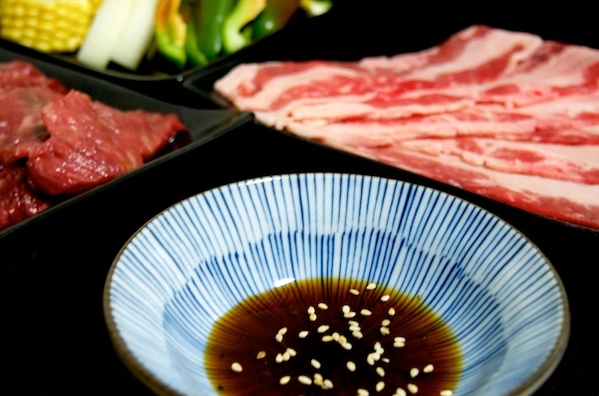
Common Mistakes When Using Yakiniku Sauce (and How to Avoid Them)
Even with a great sauce, things can go wrong. Here are the top blunders I've seen—and made myself.
Over-marinating: Yakiniku sauce has acids and sugar that can break down meat. For thin slices, 30 minutes max; for chunks, 2 hours. I once left chicken in it overnight, and it turned mushy. Pat meat dry before grilling to prevent flare-ups.
Using it as a dip only: This sauce shines as a marinade or glaze. Brush it on during the last few minutes of grilling for a caramelized crust. If you dip raw meat in it, you risk cross-contamination—use separate bowls.
Storing it wrong: Homemade sauce needs an airtight container in the fridge. Don't leave it out; it can ferment. Commercial bottles should be refrigerated after opening, even if the label says otherwise. I learned this the hard way when a bottle went bad in a week.
Ignoring the sugar content: High sugar means it burns easily. Grill over medium heat, not high. If you're using a store-bought sauce, thin it with a bit of water or sake to prevent charring.
Pro tip: If your sauce is too thick, add a splash of sake or water. Too thin? Simmer it longer, but watch closely—it can reduce quickly and become too salty.
Beyond Meat: Creative Uses for Yakiniku Sauce
Yakiniku sauce isn't just for beef or pork. Try it on grilled vegetables like eggplant or mushrooms—it adds a smoky sweetness. I've used it as a stir-fry sauce for noodles, or even as a dressing for salads (thin it with rice vinegar). For seafood, brush it on shrimp during the last minute of cooking; the sugar caramelizes beautifully without overpowering.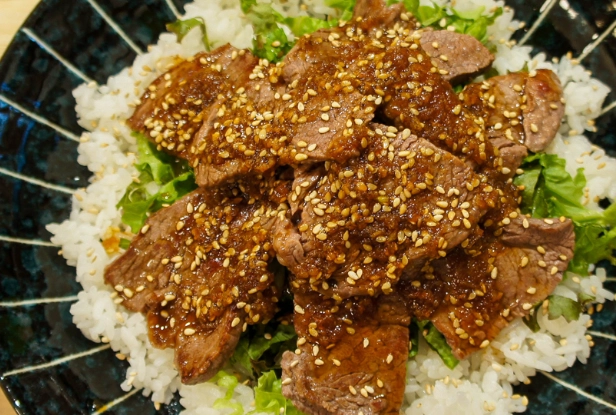
Another idea: mix it with mayo for a burger spread. Or use it as a base for meatball glazes. It's versatile, but don't go overboard—the flavor is strong, so a little goes a long way. I experimented with it on pizza once, and it was a hit, but keep the toppings simple.
Reader Comments