Let's cut to the chase. A great bowl of udon noodle soup isn't just food; it's a warm hug, a moment of pure comfort, and a masterclass in simplicity. The chewy noodles, the savory-sweet dashi broth, the perfectly soft-boiled egg—it's a combination that's hard to beat. But here's the thing most blogs don't tell you: the gap between a mediocre homemade attempt and a soul-satisfying bowl is often just a few small, overlooked details.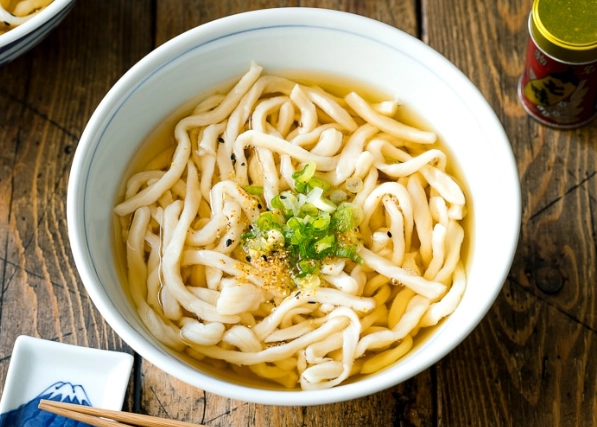
I learned this the hard way. My first attempt yielded a cloudy, bland broth and noodles that turned to mush. It was edible, but it wasn't udon soup. It took me years of cooking, eating in countless shops from Osaka to New York, and talking to chefs to figure out where I (and most beginners) go wrong.
This guide is that condensed knowledge. We're going beyond the basic recipe. We'll dissect the soul of the dish, give you a foolproof method to make it at home that actually works, and then, because sometimes you just need someone else to cook, I'll point you to some of the best places to get it in major cities. Consider this your one-stop shop for all things udon soup.
What You’ll Find Inside
What Exactly Is Udon Noodle Soup? (And Why It’s Not Just “Noodles in Broth”)
At its core, Japanese udon soup is built on three pillars, and if one is weak, the whole thing falls apart.
The Noodles: The Heartbeat
Udon noodles are thick, white wheat noodles. Their magic is in the texture—a satisfying chew that's soft but never mushy. Quality varies wildly. The vacuum-sealed packs in the dry goods aisle? They're fine in a pinch, but they often lack that springy bite. For the real deal, seek out fresh-frozen udon or semi-dried (nama udon) from an Asian grocery. The ingredient list should be short: wheat flour, water, salt. That's it.
The Broth: The Soul
This is where most home cooks stumble. The base is dashi, a Japanese stock that's the foundation of so much of the cuisine. Authentic dashi is made from kombu (kelp) and katsuobushi (shaved bonito flakes). It's not fishy; it's deeply savory, with a clean umami punch. Using just chicken or vegetable broth misses the point entirely—you'll get soup, but not udon soup. You can make dashi from scratch (it's easy), or use a good quality dashi powder or packet as a fantastic shortcut. The broth is then seasoned with mirin (sweet rice wine), soy sauce, and a bit of sugar.
The Toppings: The Personality
This is the customizable part. Classics include:
- Negi (thinly sliced green onion)
- Kamaboko (steamed fish cake, that pink and white swirl)
- A perfectly soft-boiled or poached egg (ajitsuke tamago is marinated and heavenly)
- Tempura, especially shrimp or kakiage (a mixed vegetable fritter)
- Thin slices of beef or chicken (for dishes like Nikutama Udon)
The 3 Main Types of Udon Soup You Need to Know
Not all udon soups are created equal. The style changes the experience. Here’s a quick breakdown:
| Type | Broth Style | Key Characteristics | Best For |
|---|---|---|---|
| Kake Udon | Hot, clear | The simplest form. Noodles in a basic dashi-soy-mirin broth. Often just topped with green onion. | Purists, a light meal, appreciating the noodle texture. |
| Nabeyaki Udon | Hot, rich | Served in a lidded clay pot (donabe). Loaded with toppings: egg, chicken, shrimp tempura, vegetables. The pot keeps it scalding hot. | A hearty, complete meal on a cold day. |
| Kitsune Udon | Hot, slightly sweet | Topped with a slice of sweetened, fried tofu pouch (aburaage) called “kitsune” (fox). The broth is often a touch sweeter. | A classic comfort combo with a unique sweet-savory note. |
Pro Tip from the Kitchen: If you see “tsuyu” on a menu, it refers to the seasoned broth concentrate. “Mentsuyu” is the noodle soup base you can buy bottled. It's a great pantry staple for quick meals—just dilute with hot water. For cold udon (zaru udon), you dip the noodles in a stronger, chilled tsuyu.
How to Make Perfect Udon Noodle Soup at Home: A Step-by-Step Blueprint
Forget complicated recipes. Follow this framework. I promise it works better than blindly following measurements without understanding the “why.”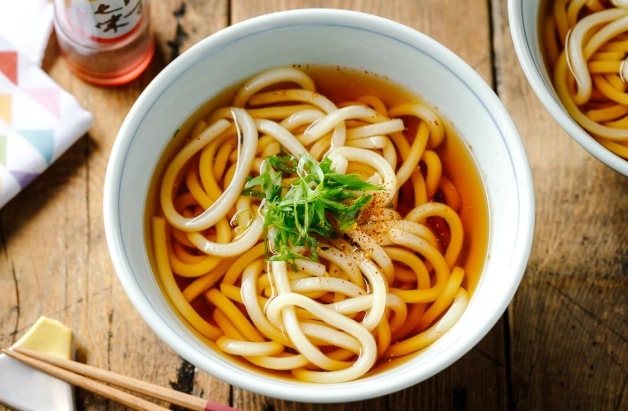
1. The Broth Foundation (The 10-Minute Shortcut or The 30-Minute Masterpiece)
The Shortcut (My Weeknight Go-To): Bring 3 cups of water to a simmer. Add one large piece of kombu (about 4x4 inches), turn off the heat, and let it steep for 5 minutes. Remove the kombu. Add a big handful of katsuobushi (about 10g), let it steep for another 2-3 minutes, then strain. You now have primary dashi. To this, add 3 tbsp soy sauce, 2 tbsp mirin, and 1 tsp sugar. Taste. It should be savory, slightly sweet, and balanced.
The “From-Scratch” Note: If you have time, make a bigger batch of dashi and freeze it. It’s worth it. Resources like Just One Cookbook have excellent detailed guides.
2. The Noodle Cook (The Most Common Mistake)
This is critical. Do not cook your noodles in the broth. They will release starch and make it cloudy. Cook them separately in a large pot of boiling water. Frozen udon often cooks in 1-2 minutes. Fresh udon, maybe 8-10. Taste one for doneness—it should be chewy (al dente, but for noodles). Immediately drain and rinse under cold water to stop the cooking and wash off excess starch. This keeps them springy.
3. Assembly & Toppings (Where You Play)
Reheat your broth gently—don't boil it hard once seasoned. Place your rinsed noodles in a deep bowl. Ladle the hot broth over them. Now add your toppings.
My favorite 15-minute topping combo: A soft-boiled egg (cooked for 6.5 minutes, then marinated in a bit of the broth for 5), sliced green onions, and a sprinkle of shichimi togarashi (Japanese seven-spice).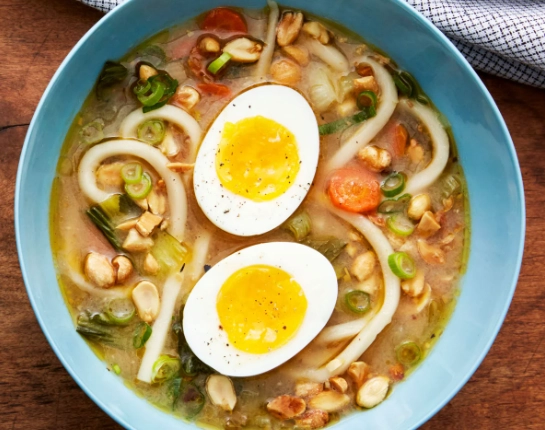
Finding the Best Udon Noodle Soup in Your City (or in Japan)
Sometimes, you want the experts to do the work. Here’s where to look, both in Japan and abroad.
In Japan: Two Must-Try Experiences
- Shin Udon (Tokyo, Shinjuku): This place is an institution. Be prepared to queue. They specialize in Sanuki udon (from Kagawa Prefecture), known for its square shape and firm bite. The Nikutama Udon (beef and egg) is legendary. Expect to pay 900-1,200 JPY for a bowl. It’s no-frills, fast, and phenomenal. Address: 3-14-13 Shinjuku, Shinjuku-ku.
- Tsurutontan Sojibo (Tokyo, Multiple Locations): The opposite end of the spectrum. Huge, artistic bowls with luxurious ingredients like uni (sea urchin) or truffle. The Roppongi location is spacious. Perfect for a special treat. Bowls range from 1,500 to over 3,000 JPY.
For regional styles, a trip to Kagawa Prefecture (the udon kingdom) is a pilgrimage. You can find hundreds of shops, many where you choose your tempura toppings cafeteria-style.
In the US & Major Cities:
Look for specialization. A restaurant that also serves sushi, ramen, and teriyaki might not have the best udon.
- Marugame Udon: A fast-casual chain with locations globally. You watch them cut the noodles fresh. It’s consistent, affordable ($10-$15), and the build-your-own model is great for customization.
- Local Japanese Izakayas: Often have one or two udon dishes on the menu, usually Nabeyaki. It’s a good test—if they nail a simple Nabeyaki, the kitchen knows what it’s doing.
Use Google Maps and search for “udon” specifically. Read reviews that mention the noodle texture and broth clarity.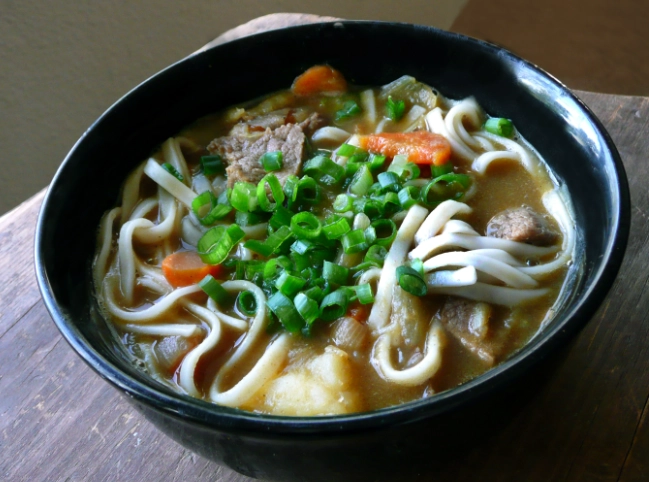
Your Udon Soup Questions, Answered
How can I make a restaurant-quality udon noodle soup in under 30 minutes?
Focus on your shortcuts. Use a high-quality dashi packet or granulated dashi—it's the flavor foundation. Cook your noodles separately and rinse them well; this is non-negotiable for the right texture. Keep toppings minimal but impactful: a marinated soft-boiled egg (make a batch ahead), some fresh green onions, and maybe a piece of store-bought kamaboko. The key is nailing the broth-to-noodle ratio and not overcooking anything.
What's the single biggest mistake people make when cooking udon noodles for soup?
They simmer the noodles directly in the broth. It's a disaster. Udon releases a ton of starch, which turns your clear, delicate dashi into a cloudy, slightly gluey mess. Always boil them in a large pot of plain water, drain, and give them a quick cold rinse. This stops the cooking and washes the starch away. Add the clean, chewy noodles to your hot broth just before serving.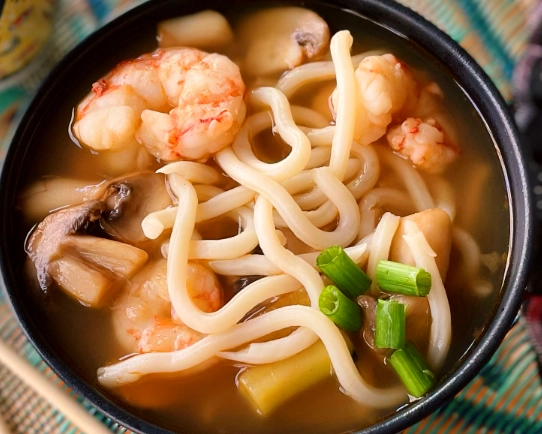
Where can I find the best udon noodle soup in Tokyo and what should I expect to pay?
For the classic, chewy Sanuki-style experience, join the queue at Shin Udon in Shinjuku. Bowls start around 900 JPY, and the value is incredible. For a more luxurious, modern take with massive portions and creative toppings, Tsurutontan is your spot, with bowls ranging from 1,500 to 3,000 JPY. In many U.S. cities, chains like Marugame Udon offer a reliable, fresh-made option for $10-$15.
Can I use spaghetti or other noodles if I can't find udon?
You can, but it won't be udon soup. The thick, soft-yet-chewy texture of udon is unique. Spaghetti is too firm and won't absorb the broth the same way. In a pinch, thick fresh Chinese wheat noodles are a closer substitute. If you must use spaghetti, undercook it slightly, but honestly, your effort is better spent finding an Asian market—they almost always stock dried, frozen, or fresh udon.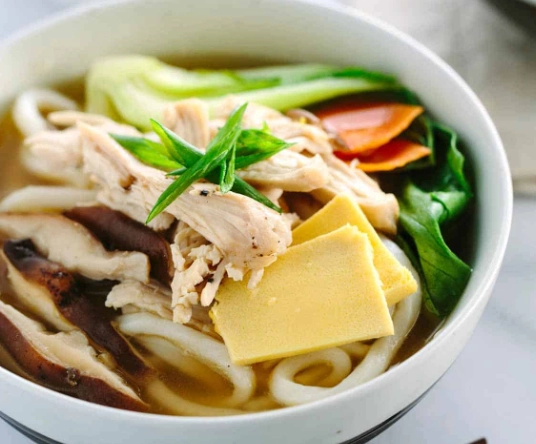
Reader Comments