What You’ll Learn Today
Let’s talk about chirashizushi. If you’ve ever stared at a sushi menu and wondered what that “scattered sushi” bowl is all about, you’re in the right place. I first tried it years ago at a bustling market in Kyoto, and honestly, I was hooked. It’s not just a pile of rice and fish—it’s a celebration of flavors that’s easier to make than you think, but easy to mess up if you don’t know the tricks.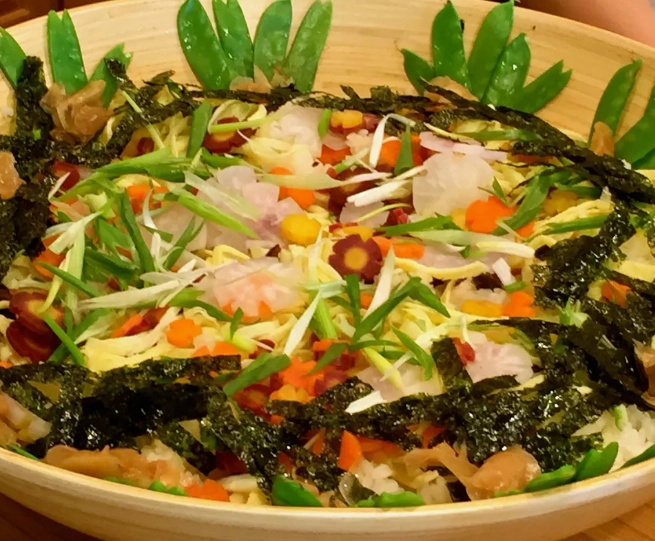
This guide will walk you through everything: from its humble origins to step-by-step recipes, plus where to eat the best versions in Japan. I’ve even thrown in some hard-earned lessons from my own kitchen disasters. Trust me, after reading this, you’ll see chirashizushi in a whole new light.
What Is Chirashizushi? A Brief History and Definition
Chirashizushi, literally “scattered sushi,” is a Japanese dish where sushi rice is topped or mixed with an assortment of ingredients like raw fish, vegetables, and egg. Unlike rolled sushi or nigiri, it’s served in a bowl, making it less formal but incredibly versatile.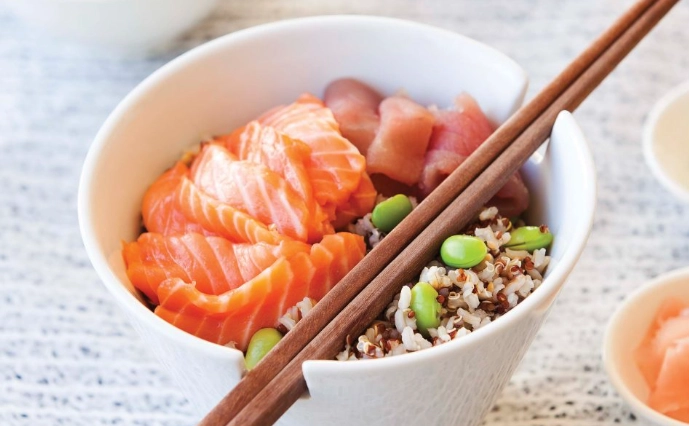
The Origins of Scattered Sushi
It dates back to the Edo period in Japan, where it was a home-cooked meal for festivals. According to historical records from the Japan National Tourism Organization, chirashizushi evolved as a way to use seasonal ingredients efficiently. Think of it as the original “bowl food”—practical, beautiful, and deeply rooted in local culture.
How It Differs from Other Sushi Types
Here’s the thing: chirashizushi isn’t just deconstructed sushi. The rice is seasoned differently, often with a lighter touch of vinegar, and the toppings vary by region. In Tokyo, you might get more raw fish, while in Osaka, cooked ingredients dominate. It’s this flexibility that makes it a staple in Japanese households.
I love how it breaks the “rules” of perfect sushi rolls.
How to Make Authentic Chirashizushi at Home
Making chirashizushi at home is totally doable, but skip the store-bought kits—they often use too much sugar. Here’s my go-to method, refined after a few soggy-rice disasters.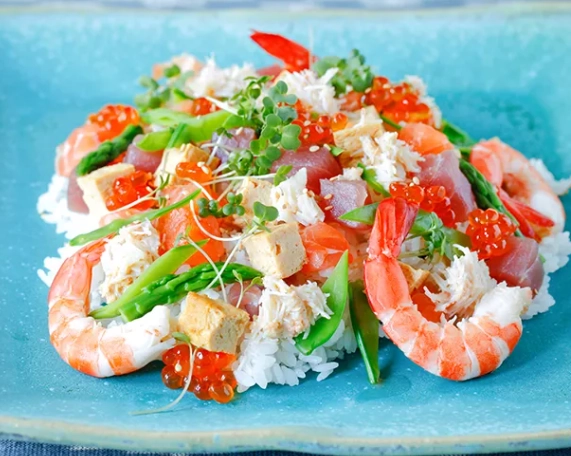
Essential Ingredients and Where to Find Them
You’ll need sushi rice (short-grain Japanese rice), rice vinegar, sugar, salt, and toppings. For toppings, keep it simple: salmon or tuna sashimi, cucumber, avocado, shredded omelet, and maybe some pickled ginger. If you’re near an Asian grocery, that’s your best bet. Online retailers like Amazon also carry quality sushi supplies.
Don’t skimp on the rice. I once used jasmine rice, and it turned into a gluey mess. Stick to Japanese short-grain.
Step-by-Step Cooking Process
First, rinse the rice until the water runs clear—this removes excess starch. Cook it according to package instructions, but here’s a pro tip: let it steam off the heat for 10 minutes after cooking. While it’s warm, mix in the seasoning (vinegar, sugar, salt) gently with a cutting motion. Don’t stir aggressively; you’ll crush the grains.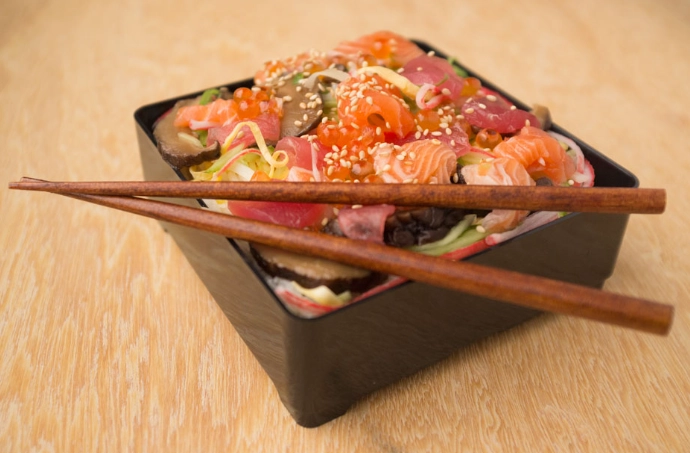
While the rice cools, prep your toppings. Slice the fish thinly, julienne the vegetables, and make a thin omelet to shred. Arrange everything over the rice in sections for that Instagram-worthy look, or just mix it all in for a homestyle feel.
Most recipes tell you to mix toppings into hot rice. Bad idea. The heat can cook the fish slightly, ruining the texture. Always use room-temperature rice.
Pro Tips from a Sushi Chef
I learned this from a chef in Osaka: add a splash of mirin to the rice vinegar for extra depth. Also, if your rice feels too wet, fan it while mixing to cool it faster. It sounds old-school, but it works.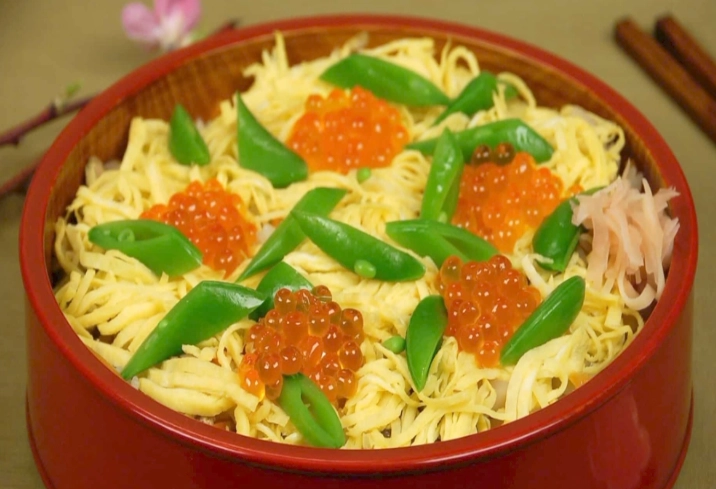
Top Chirashizushi Restaurants in Tokyo You Can’t Miss
If you’re planning a trip to Japan, here are three spots where chirashizushi shines. I’ve visited all of them, and each offers something unique.
| Restaurant Name | Address | Specialty | Price Range | Hours | Rating |
|---|---|---|---|---|---|
| Sushi Dai | Tsukiji Outer Market, Chuo City, Tokyo | Chirashizushi with ultra-fresh tuna and sea urchin | ¥3,000 - ¥5,000 | 5:00 AM - 2:00 PM (closed Sundays) | 4.8/5 on Google |
| Kizushi | Ningyocho, Chuo City, Tokyo | Traditional Edomae-style chirashizushi with cooked toppings | ¥2,500 - ¥4,000 | 11:30 AM - 2:00 PM, 5:00 PM - 10:00 PM | 4.6/5 |
| Uobei Shibuya | Shibuya, Tokyo | Budget-friendly chirashizushi bowls with conveyor belt service | ¥1,000 - ¥2,000 | 11:00 AM - 11:00 PM daily | 4.2/5 |
Sushi Dai is worth the early wake-up call, but go on a weekday to avoid the tourist crowds. Kizushi feels like a hidden gem—their use of simmered mushrooms is unreal. Uobei is perfect for a quick, cheap meal, though the fish quality isn’t top-tier.
I once dragged a friend to Uobei after a long day of shopping. We devoured two bowls each, and the convenience was a lifesaver.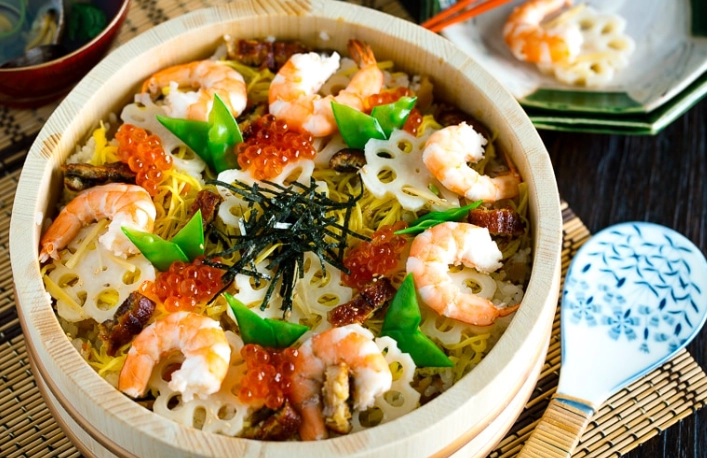
Common Mistakes and How to Avoid Them
Even experienced cooks slip up with chirashizushi. Here’s what to watch for.
Over-seasoning the rice. Too much vinegar makes it sour and wet. Stick to a ratio of 1 tablespoon vinegar, 1 teaspoon sugar, and ½ teaspoon salt per cup of cooked rice. Adjust to taste, but start light.
Using low-quality fish. If you’re adding raw fish, buy sashimi-grade from a trusted source. I learned this the hard way after a bout of mild food poisoning—not fun.
Skipping the rice cooling step. Hot rice melts the toppings and turns mushy. Let it cool to room temperature, spreading it on a wide tray if you’re in a hurry.
One non-consensus point: many blogs recommend adding sesame seeds for crunch. I find they get soggy fast. Instead, try crispy fried shallots or toasted seaweed strips.
Your Chirashizushi Questions Answered
Chirashizushi isn’t just food; it’s a canvas for creativity. Whether you’re making it at home or hunting down the best bowl in Tokyo, remember that the beauty lies in its simplicity. Start with good rice, fresh ingredients, and don’t stress over perfection. My first attempt was a messy, over-salted disaster, but now it’s a weekly dinner staple. Give it a try—you might just find your new favorite dish.
Reader Comments