Quick Navigation
Let's be honest. When someone says "popular Japanese drinks," most people just think of sake. Warm sake, cold sake, maybe some plum wine if they're feeling adventurous. But after spending a good chunk of time in Japan (and draining my fair share of glasses), I can tell you that's like saying American drinks are just bourbon. You're missing the whole picture.
The world of Japanese beverages is deep, varied, and frankly, a bit overwhelming. It's a mix of ancient ritual and hyper-modern convenience, all wrapped up in incredible taste. You've got teas that are whisked with ceremony, whiskies that beat the Scots at their own game, fizzy sodas from the Meiji era, and canned coffees that are a lifeline for every salaryman. It's a drink for every moment, from a serene temple visit to a raucous night in a Shinjuku izakaya.
This guide is my attempt to map it all out for you. We'll go beyond the basics. I'll tell you what's worth trying, what's maybe a bit overhyped (in my opinion), and how to navigate it all without looking like a total tourist. Think of it as your cheat sheet to drinking like you know what you're doing.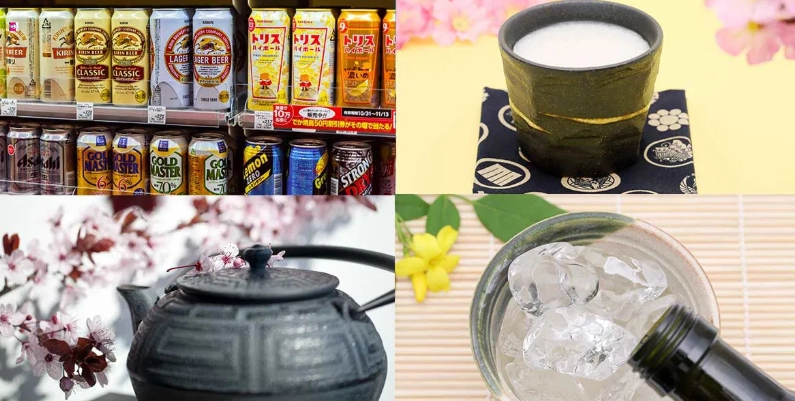
What you'll get here: We're breaking down the drinks by category—tea, alcohol, non-alcohol—because that's how people actually look for them. You'll get the big names, the hidden gems, and honest advice on taste. No fluff, just what you need to know to explore with confidence.
The Soul of Japan: Tea is Everything
If you ignore Japanese tea culture, you've missed the heart of the country. It's not just a drink; it's a ritual, a medicine, a daily comfort. And the variety is stunning. Forget the dusty green tea bag from the supermarket. The real stuff is a universe of flavor.
Matcha: The Rockstar Powder
Okay, matcha is everywhere now. You see it in lattes, ice cream, even face masks. But the ceremonial-grade matcha used in a proper chanoyu (tea ceremony) is a different beast entirely. It's vibrant jade green, intensely vegetal, and has this unique, umami-rich creaminess that can be almost brothy. The good stuff isn't bitter if prepared right (water around 80°C/175°F, please, not boiling!).
My first proper matcha experience was in a quiet Kyoto garden. I was expecting something bitter, but the flavor was deep, sweet, and savory all at once. It was nothing like the sugary "matcha" drinks I'd had before. It’s an acquired taste for some, but it grows on you.
But let's be real. For daily drinking, you don't need the $100 ceremonial tin. High-quality culinary or premium-grade matcha is perfect for making at home. Just whisk it vigorously with a bamboo chasen until it's frothy. The All Japan Tea Association has great resources on production and grades if you want to dive deep.
Sencha: The Everyday Champion
This is Japan's workhorse green tea. It accounts for like, 80% of the tea produced there. Sencha is steamed, rolled, and dried, giving it a balanced, refreshing taste—grassy, a little sweet, a little astringent. It's what you're most likely to be served in a home or restaurant. The quality range is huge, from affordable daily drinkers to exquisite, first-harvest shincha that tastes like spring in a cup.
Other Teas You Should Know
- Hojicha: This is my personal favorite for evenings. They roast sencha or bancha leaves, turning them brown and giving the tea a warm, toasty, almost nutty flavor with zero bitterness. It's low in caffeine, so it's perfect after dinner. It smells amazing.
- Genmaicha: Green tea mixed with roasted brown rice. It has a lovely, popcorn-like aroma and a mild, comforting taste. Another great low-caffeine option.
- Mugicha: Barley tea. Sounds boring, tastes incredible. It's caffeine-free, roasted, nutty, and served ice-cold by the gallon in summer. It's the ultimate thirst-quencher. You'll find it in every fridge.
So when exploring popular Japanese drinks, starting with tea isn't just logical—it's essential. It's the baseline.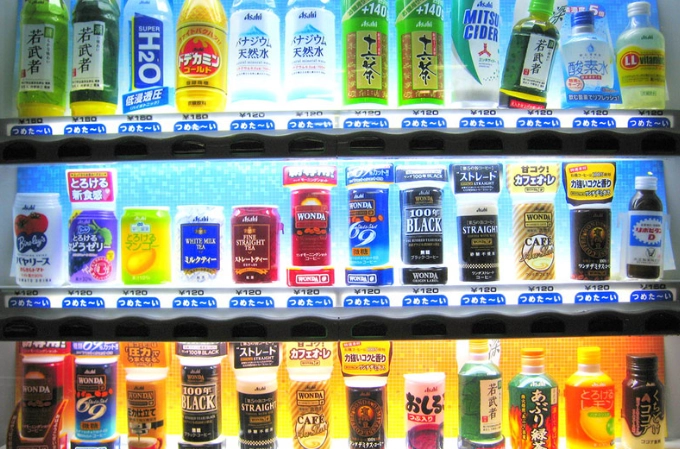
The Alcoholic Landscape: Sake, Shochu, and Serious Whisky
Japan's drinking culture is social, nuanced, and surprisingly egalitarian. You can sip a $500 whisky in a tiny Tokyo bar or crush a cheap, delicious beer on the street with friends. Both are perfectly acceptable.
Sake (Nihonshu): Let's Demystify It
Sake is brewed from rice, water, koji mold, and yeast. It's not a spirit; it's a brewed alcohol, usually between 15-20% ABV. The confusion starts with all the classifications. Here's a simpler way to look at it, based on how much the rice grain is polished away before brewing:
| Type | Rice Polishing Ratio | Key Characteristics | My Taste Note |
|---|---|---|---|
| Junmai Daiginjo | 50% or less | The pinnacle. Fragrant, fruity (apple, melon), complex, often delicate and pricey. | Beautiful, but sometimes too subtle for bold food. Sip chilled. |
| Daiginjo | 50% or less | Similar to above, but a small amount of distilled brewer's alcohol can be added to lift aromas. | Often incredibly aromatic. A great introduction to premium sake. |
| Junmai Ginjo | 60% or less | Wider range of flavors, from fruity to earthy. Great balance. My go-to category. | More versatile with food. Excellent value for the quality. |
| Honjozo | 70% or less | A bit of brewer's alcohol added. Lighter, drier, often more fragrant than basic sake. Serve warm or cool. | Very sessionable. The "craft lager" of sake. |
| Junmai / Futsushu | No min. / Varies | "Table sake." Robust, rice-forward flavors. Often served warm. | Don't knock it! Perfect with hearty izakaya food. Great value. |
The biggest myth? That good sake is only served cold. Not true. Rich, umami-heavy junmai styles can be sublime gently warmed (nurukan). It unlocks a whole different flavor profile. The Japan Sake and Shochu Makers Association is the ultimate resource for technical details and regional variations.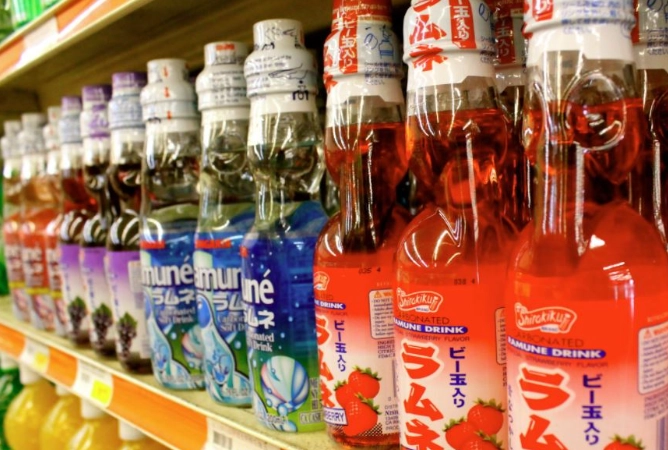
Quick Tip: When in an izakaya, ask for the osusume (recommendation). They'll often have a local or seasonal sake that's fantastic. Try a glass before committing to a whole bottle.
Shochu: The Versatile Spirit
If sake is Japan's wine, shochu is its vodka, gin, and rum—all in one. It's a distilled spirit (usually 25-35% ABV) and it can be made from a huge variety of base ingredients: sweet potato (imo), barley (mugi), rice (kome), or even brown sugar (kokuto). This changes the flavor dramatically.
- Imo-jochu (Sweet Potato): Potent, earthy, sometimes funky or sweet. An acquired taste, but beloved. I find the best ones are smooth with a sweet potato finish.
- Mugi-jochu (Barley): Clean, mild, often slightly sweet and nutty. Probably the easiest for a newcomer. Delicious on the rocks.
- Kome-jochu (Rice): Fragrant, soft, a bit closer to sake in profile but stronger.
You can drink it neat, on the rocks, mixed with hot water (oyuwari—surprisingly soothing), or with cold water and soda (mizuwari). The mizuwari is a revelation—it lengthens the drink and lets the base flavor shine without the burn.
Japanese Whisky: A Global Phenomenon
The story is well-known now: Japanese distilleries like Yamazaki and Yoichi started mimicking Scotch in the early 1900s, then spent a century perfecting it. Now, bottles from Suntory's Yamazaki or Nikka's Yoichi win global awards and command insane prices. The hype is real, but so is the quality.
The profile tends to be more delicate, precise, and often more harmonious than some bolder Scotches. Think less smoke and peat (though they have those too), more refined oak, fruit, and a signature "mizunara" oak spiciness (cinnamon, sandalwood).
Here's the catch: The top single malts are expensive and hard to find. But don't despair. The blended whiskies are where the real value lies.
I remember trying Nikka From the Barrel for the first time. It was in a cramped Tokyo bar, and the bartender just slid it over. At around 50% ABV, I expected fire. Instead, it was this incredibly rich, complex burst of dried fruit, spice, and oak, but it was somehow smooth. It blew my mind that a blend at that price could be that good. It's still one of my favorite bottles ever.
Brands like Suntory Toki (light, fruity, great for highballs) and Nikka Days (soft, approachable) are made for mixing and are widely available. Speaking of highballs…
Beer, Happoshu, and Chu-Hi: The Casual Scene
No discussion of popular Japanese drinks is complete without the staples of izakaya life.
- Beer: Asahi Super Dry, Kirin Ichiban, Sapporo, Suntory Premium Malts. They're all crisp, clean lagers designed to be ice-cold and refreshing with food. "Dry" means crisp finish, not more alcohol. Craft beer is exploding now too, with fantastic microbreweries all over.
- Happoshu: A low-malt beer-like beverage. It's cheaper and lighter. Honestly, it's fine on a hot day, but it tastes a bit thin to me.
- Chu-Hi (Shochu Highball): This is the king of canned drinks. Shochu mixed with soda water and flavoring—lemon, grapefruit, peach, yogurt (trust me, it works). They're low-ABV (3-8%), fizzy, fruity, and dangerously easy to drink. You'll see salarymen grabbing them from convenience stores on the way home.
Want to explore whisky more? The Japan Whisky Research Centre is an independent body with a wealth of information on distilleries, history, and even the tricky issue of labeling ("Japanese-style whisky" vs. genuine Japanese whisky). It's a great next step.
Non-Alcoholic Gems: For Everyone, Anytime
Japan might love a drink, but its non-alcoholic scene is arguably more creative. It's a country obsessed with convenience and unique flavors.
Ramune: The Marble-Soda Icon
You know the bottle—the Codd-neck bottle with a glass marble you push down to open. It's a 19th-century design that's pure nostalgia. The original flavor is a hard-to-describe lemony-lime cream soda. Now it comes in every flavor imaginable: strawberry, melon, wasabi, curry (yes, curry… I don't recommend it). It's more about the fun experience than a profound taste, but it's a must-try once.
Calpis / Calpico: The Cult Favorite
This is a fermented, non-alcoholic drink made from milk. It sounds weird, but it tastes like a slightly tart, creamy yogurt or Yakult, but as a syrup you mix with water or soda. It's incredibly refreshing. The Calpis Soda (pre-mixed with carbonated water) is a staple in vending machines. It's sweet, but in a tangy, not cloying way.
Yakult & Probiotic Drinks
Yakult is a global brand now, but in Japan, it's part of daily life. This tiny bottle of sweet, fermented milk drink packed with Lactobacillus casei Shirota is downed by millions every morning for gut health. It's a drink with a purpose.
The Vending Machine & Convenience Store Universe
This is where Japan's drink creativity shines. You can find:
- Royal Milk Tea: A super creamy, sweet bottled/canned black tea with milk. It's a dessert drink.
- Georgia Coffee: Suntory's massive line of canned coffees (black, milk, latte, max coffee). They're sweet, milky, and a caffeine lifeline. The "Black" one is less sweet and actually pretty decent.
- CC Lemon: A lemon soda with a massive dose of Vitamin C. It's like a carbonated, less-sweet lemonade. They market the health angle hard.
- Various Teas: Iced barley tea (Mugicha), oolong tea, jasmine tea—all unsweetened and perfect in summer.
Seriously, just stand in front of a Japanese vending machine for five minutes. It's a snapshot of the country's drink culture—practical, diverse, and a little quirky.
Putting It All Together: Your FAQs Answered
What is the single most popular Japanese drink?
By sheer volume consumed daily? It's probably green tea (sencha, bancha) or barley tea (mugicha). They're drunk at home, work, and with meals by virtually everyone. In terms of cultural icon status, it's a tie between sake and matcha. For casual social drinking, beer is the undisputed king.
Is sake always served hot?
No, no, a thousand times no. This is the biggest misconception. Cheap futsushu is often served warm to mask rough edges. Premium ginjo and daiginjo sakes are almost always served chilled (8-15°C) to preserve their delicate aromas and flavors. Warming a delicate daiginjo would ruin it. Good izakayas will ask your preference.
What's a good beginner sake?
Start with a Junmai Ginjo. It's widely available, offers great quality for the price, and has a balanced flavor profile that's neither too bold nor too faint. Look for one from a famous brewing region like Niigata (known for clean, dry styles) or Hiroshima (softer, fuller styles). A Honjozo, served slightly warm, is also a fantastic and forgiving entry point.
Is matcha high in caffeine?
Yes, actually. Because you're consuming the whole ground tea leaf, a bowl of matcha can have more caffeine than a cup of brewed coffee. However, the caffeine is released slowly due to the presence of L-Theanine, an amino acid that promotes calm alertness. You get energy without the jitters. It's a focused buzz.
What should I order at an Izakaya?
Start with a beer (nama biru). It's the classic opener. Then, for round two, try a shochu mizuwari (barley shochu with water/soda is safest) or ask for a sake recommendation. If you're with a group, get a small tokkuri (ceramic flask) of sake to share and pour for each other. Don't pour your own—it's considered bad form.
Are there seasonal Japanese drinks?
Absolutely. In summer, cold mugicha and ramune are everywhere. Shiratama (sweet milky drink with mochi balls) is a summer treat. In autumn, you might find sake made with new-harvest rice (shinshu). Winter is for hot sake (nurukan), hot amazake (sweet, non-alcoholic fermented rice drink), and cans of hot Georgia Coffee from the vending machine.
Final Thoughts: Dive In and Explore
Looking back, the journey through popular Japanese drinks is really a journey through Japan itself—its seasons, its rituals, its social glue, and its relentless pursuit of perfection (or delightful convenience).
My advice? Don't try to be an expert. Just be curious. Grab a cold mugicha from a 7-Eleven on a hot day. Sit at a tiny bar and point to a sake bottle that looks interesting. Order a matcha latte and a proper bowl of matcha and taste the difference. Buy a can of quirky melon soda.
Some you'll love, some might not be for you (I still can't get behind super funky imo-jochu). That's part of the fun. Each drink tells a story—of a region, a craft, or simply a moment in the hectic, beautiful rhythm of Japanese life. So raise a glass, whatever's in it, and say kanpai. You're in for a treat.
Reader Comments