My Yoshoku Journey
- What Makes a Dish Yoshoku? The Flavor Profile Unpacked
- The Yoshoku Hall of Fame: Essential Dishes You Need to Know
- Your First Yoshoku Recipe: A Fail-Proof Japanese Curry from Scratch (and with a Roux Block)
- Common Yoshoku Recipe Questions Answered (Stuff You Actually Want to Know)
- Leveling Up Your Yoshoku Game: Tips from a Home Cook Who's Burned a Lot of Korokke
- Where to Find Ingredients & Further Inspiration
Let's be honest. When you think of Japanese food, sushi and ramen probably jump to mind first. But there's a whole other world of Japanese cooking that's less about raw fish and more about deep, comforting flavors that feel strangely familiar. That world is called Yoshoku. And if you've ever craved a hearty plate of food that's both uniquely Japanese and oddly reminiscent of Western home cooking, then you're already thinking about a yoshoku recipe.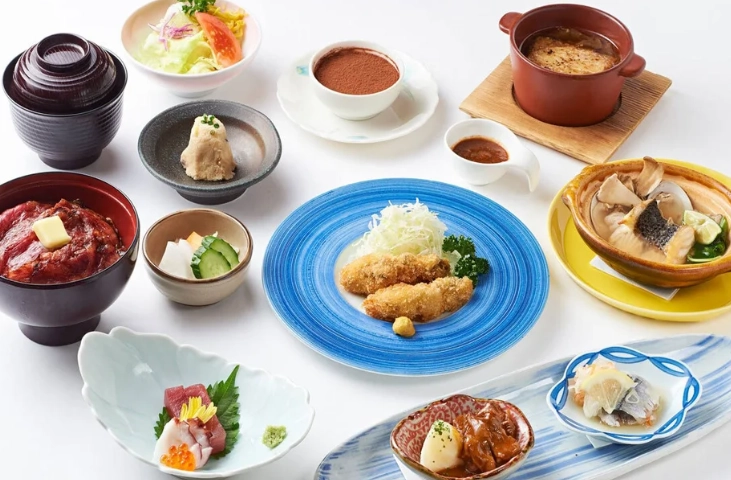
I remember the first time I tried to make a proper Japanese curry at home. It was a disaster. I followed a basic stew recipe and just added curry powder. What came out was... fine. Edible. But it wasn't that thick, rich, almost gravy-like sauce I'd fallen in love with at little restaurants in Tokyo. It lacked that specific soul. That's when I realized Yoshoku isn't just "Japanese takes on Western food." It's its own culinary tradition with specific rules, flavors, and a whole lot of heart.
So why should you care about cooking a yoshoku recipe? Because it's some of the most approachable, family-friendly, and satisfying food you can make. It's weeknight dinner hero material. The ingredients are mostly pantry staples. The techniques are straightforward. And the payoff is huge—flavors that are complex yet comforting, familiar yet excitingly different.
What Makes a Dish Yoshoku? The Flavor Profile Unpacked
Not every dish with a Western inspiration qualifies as Yoshoku. There's a specific flavor profile and aesthetic. Washoku (traditional Japanese food) emphasizes delicate, seasonal flavors, often with dashi as a base. Yoshoku, on the other hand, is bolder, richer, and often sweeter or more savory.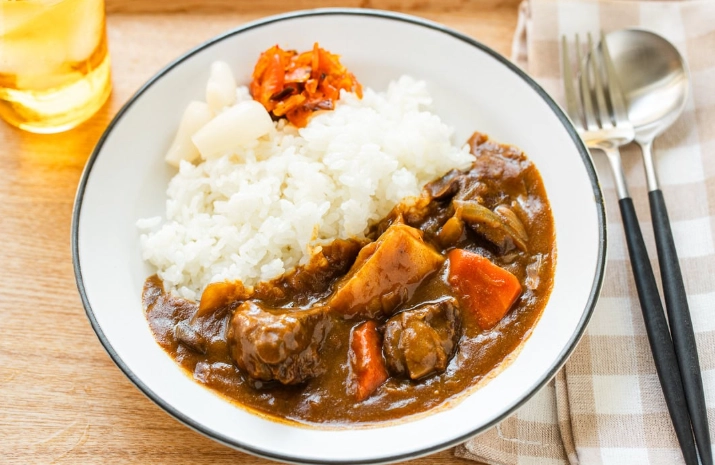
Here’s the thing most blogs don't tell you: the secret weapon isn't just one ingredient, but a specific approach to ingredients.
- Umami from Multiple Sources: While dashi might be used, Yoshoku heavily relies on other umami powerhouses like demi-glace (in Hayashi rice), tomato ketchup (in Omurice), Worcestershire sauce, and Japanese curry roux blocks (which are packed with savory elements).
- The Sweet-Savory Balance (Ama-kara): This is non-negotiable. Yoshoku recipes often have a distinct sweetness balancing the saltiness. Think of the subtle sweetness in Tonkatsu sauce or the caramelized onions in Hayashi rice. It's not dessert-sweet, but a rounded, background note.
- Thickened Sauces & Gravies: Unlike many Washoku dishes with clear broths, Yoshoku loves a good, clingy sauce. This is achieved with roux (butter and flour), cornstarch, or potato starch. The sauce is meant to coat the rice or main ingredient.
- Rice as the Foundation: Almost every yoshoku recipe is served with a mound of pristine, short-grain white rice. The dish is built around it. The sauce is meant to be mixed into the rice. This is a key difference from its Western counterparts where bread or potatoes might be the staple.
The Yoshoku Hall of Fame: Essential Dishes You Need to Know
Before we dive into recipes, let's meet the classics. Understanding these dishes is like learning the alphabet before you write a sentence. Each one teaches you a fundamental yoshoku recipe principle.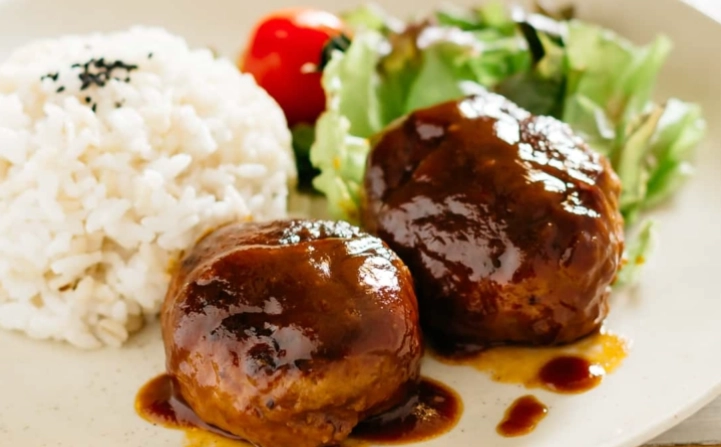
Japanese Curry Rice (Kare Raisu)
The undisputed king of yoshoku recipes. Forget Indian or Thai curry. Japanese curry is thicker, milder, and stew-like. It's made with a pre-made curry roux block (like S&B or House Foods) or from scratch with a spice blend and a roux. The most common versions are with beef, chicken, or pork, and loaded with carrots, potatoes, and onions.
Personal opinion time: The store-bought roux blocks are fantastic and there's zero shame in using them. They're the secret to that authentic, nostalgic flavor. Making it from scratch is a fun project, but for a Tuesday night? The block wins.
Omurice (Omu-Raisu)
Fried rice wrapped in a thin, soft omelette, often topped with a drizzle of ketchup or demi-glace sauce. It's the ultimate comfort food. The magic is in the texture contrast between the fluffy egg and the savory, slightly sweet chicken fried rice inside. A great beginner yoshoku recipe because it feels fancy but is simple to execute.
Tonkatsu
A breaded, deep-fried pork cutlet. Sounds simple, right? The Japanese perfection of it lies in the details: the specific type of panko breadcrumbs (which are larger, flakier, and crispier than Western breadcrumbs), the frying technique for a shatteringly crisp exterior and juicy interior, and the signature Tonkatsu sauce—a thick, fruity, and savory Worcestershire-based sauce.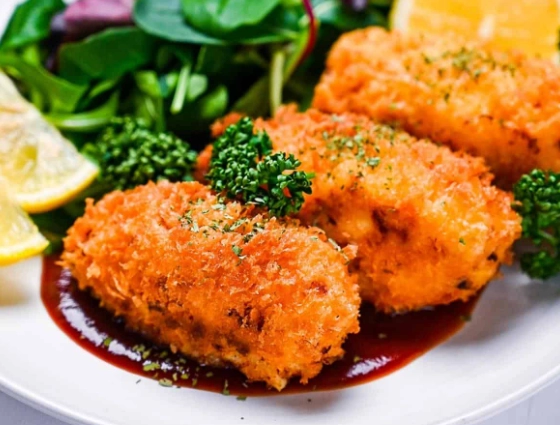
Hayashi Rice (Hayashi Raisu)
Often called "Japanese hashed beef." Tender beef and onions stewed in a red wine and demi-glace-based sauce, resulting in a rich, dark brown, incredibly savory gravy poured over rice. It's like the most elegant beef stew you've ever had, transformed into a rice bowl. This is the yoshoku recipe you make when you want to impress someone with minimal effort.
Korokke (Japanese Croquette)
Mashed potato (or a cream-based mixture) mixed with minced meat or seafood, shaped, breaded with panko, and deep-fried. Creamy, crispy, and utterly addictive. The potato version is the most common, and a fantastic way to use leftovers.
Your First Yoshoku Recipe: A Fail-Proof Japanese Curry from Scratch (and with a Roux Block)
Let's get practical. Here is a detailed, step-by-step guide to making Japanese curry. I'm giving you two paths: the "from-scratch" weekend project version for the curious cook, and the "weeknight warrior" version using a roux block. Both are authentic.
Method 1: The From-Scratch Spice Blend Curry
- 3 tbsp curry powder (a good quality one like S&B)
- 2 tbsp garam masala
- 1 tsp ground cumin
- 1 tsp ground coriander
- 1/2 tsp ground white pepper
- 1/4 tsp ground cinnamon
- 1/4 tsp ground cardamom (optional)
- 2 large onions, thinly sliced
- 2 tbsp vegetable oil
- 1 lb (450g) beef chuck or chicken thighs, cut into bite-size pieces
- 2 carrots, cut into rolling wedges
- 2 potatoes, cut into chunks (soak in water to prevent browning)
- 4 cups water or low-sodium beef/chicken broth
- 2 tbsp butter
- 3 tbsp all-purpose flour
- 2 tbsp tomato paste
- 1 tbsp Worcestershire sauce
- 1 tbsp soy sauce
- 1 tbsp honey or apple grated apple (the classic Japanese secret for sweetness and fruitiness!)
- Salt to taste
Now, the process. First, caramelize those onions. In a large pot, heat the oil over medium-low heat and add all the onions. Stir to coat. Now, be patient. Cook, stirring occasionally, for a good 25-30 minutes until they're a uniform golden-brown and have reduced significantly. This step cannot be overstated.
Increase the heat to medium-high, push the onions to the side, and add the meat. Brown it on all sides. Then add the carrots and stir everything together. Pour in the water or broth. Bring to a boil, then reduce to a simmer. Skim off any scum that rises. Simmer, partially covered, for about 30-40 minutes until the meat is tender.
While that simmers, make your roux. In a small saucepan, melt the butter over medium heat. Add the flour and cook, stirring constantly with a wooden spoon, for about 3-4 minutes until it turns a light golden brown—this is a blond roux. Immediately add your 2-3 tablespoons of the homemade spice blend and the tomato paste. Cook for another minute until fragrant. This is your flavor bomb.
Add the potatoes to the simmering pot and cook for another 10-15 minutes until they're just tender. Now, ladle about a cup of the hot broth from the big pot into the roux mixture. Whisk vigorously until smooth. Pour this slurry back into the main pot, whisking as you go. The curry will thicken almost instantly.
Stir in the Worcestershire sauce, soy sauce, and honey (or grated apple). Let it simmer gently for another 5-10 minutes to let the flavors meld. Taste. Adjust salt, sweetness, or spice as needed. Serve over hot white rice. See? Making a yoshoku recipe from scratch is totally doable.
Method 2: The Roux Block Shortcut (The Way 95% of Japanese Homes Do It)
This is the real-world, everyday yoshoku recipe. Follow the exact same steps for caramelizing onions, browning meat, and simmering with carrots and broth. Add the potatoes later. When the meat and vegetables are tender, turn off the heat. Break 1 full package of Japanese curry roux blocks (usually 4-6 squares) into the pot. Stir gently until they're completely dissolved.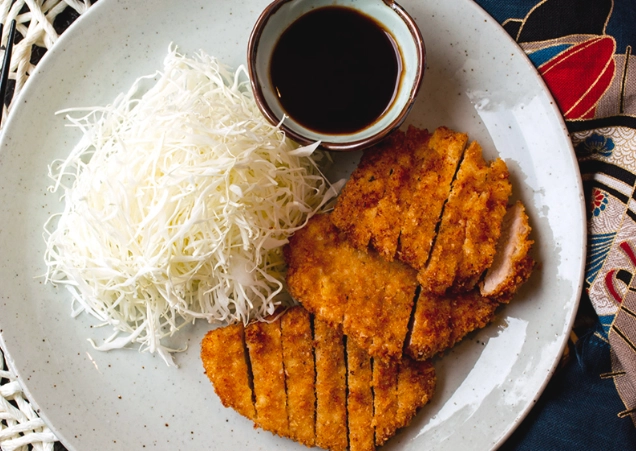
Turn the heat back on to low and simmer for another 5 minutes until thickened. That's it. The roux blocks contain the spices, flour, thickeners, and seasonings. You can add a dash of soy sauce or honey at the end if you like, but it's often perfect as is. I always keep a box of S&B Golden Curry (medium hot) in my pantry for emergencies. It's a lifesaver.
| Dish | Key Ingredients | Core Technique | Unique Yoshoku Twist |
|---|---|---|---|
| Japanese Curry | Curry roux, onions, carrots, potatoes, meat | Stewing, making a roux | Use of curry roux blocks or apple for sweetness; served exclusively with rice. |
| Omurice | Day-old rice, chicken, ketchup, eggs | Fried rice, thin omelette | Ketchup-seasoned fried rice; soft, runny omelette wrapping; often topped with more ketchup or demi-glace. |
| Tonkatsu | Pork loin/cutlet, panko, oil for frying | Deep-frying (katsu) | Extra-large, flaky panko breadcrumbs for supreme crunch; served with shredded cabbage and Tonkatsu sauce. |
| Hayashi Rice | Beef, onions, demi-glace, red wine | Braising, making a demi-glace sauce | Use of Japanese-made demi-glace sauce blocks or mixes; a smoother, gravy-like consistency. |
| Korokke | Potatoes, ground meat, panko | Mashing, breading, frying | Creamier potato filling than Western croquettes; use of panko; often served with Tonkatsu sauce or Worcestershire. |
Common Yoshoku Recipe Questions Answered (Stuff You Actually Want to Know)
I get a lot of questions when I talk about this stuff. Here are the real ones, not the fluffy ones.
Leveling Up Your Yoshoku Game: Tips from a Home Cook Who's Burned a Lot of Korokke
Once you've mastered a basic yoshoku recipe, here's how to make it truly sing.
- The Rice Matters: Use Japanese short-grain rice (like Koshihikari). It's stickier and clumps together, which is perfect for soaking up sauce or being shaped for Omurice. A rice cooker is your best friend here.
- Double Fry for Extra Crispy Tonkatsu/Korokke: Fry at a slightly lower temperature (320°F/160°C) to cook through, then remove and drain. Just before serving, fry again at a higher temp (350°F/175°C) for 30-60 seconds to re-crisp the exterior. It's a game-changer.
- Grated Ingredients are Magic: Grated apple in curry, grated onion in hambagu (Japanese hamburger steak), grated ginger in meat mixtures. They add moisture, subtle sweetness, and flavor depth without chunks.
- Don't Skip the Cabbage: The mountain of finely shredded raw cabbage served with Tonkatsu, Fried Chicken (Furai), and other fried yoshoku isn't just garnish. It's a crucial palate cleanser and adds freshness and crunch. Use a mandoline for the finest shred.
Where to Find Ingredients & Further Inspiration
Most ingredients for a standard yoshoku recipe are now globally available. Curry roux blocks, panko, Tonkatsu sauce, and Worcestershire sauce are in the international aisle of most large supermarkets. For more specialized items like demi-glace sauce blocks or different brands of curry roux (Vermont Curry, Java Curry, etc.), your local Asian or Japanese grocery store is a treasure trove.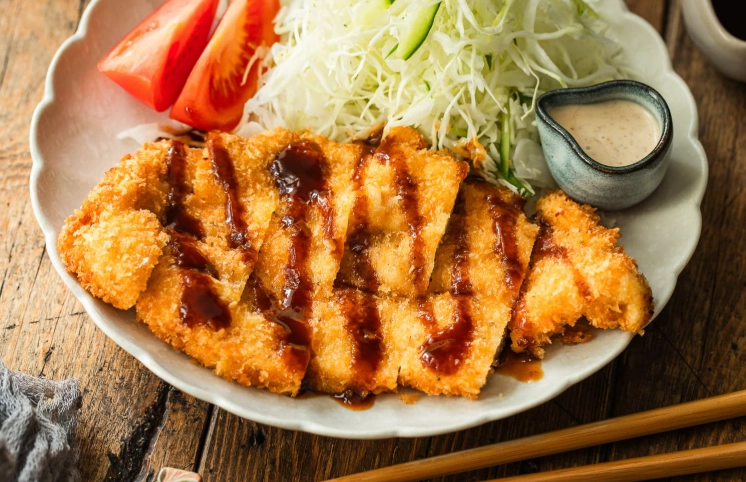
For visual inspiration and authentic techniques, I often find myself browsing the recipe sections of major Japanese food corporations. Sites like S&B Foods (the maker of Golden Curry) have extensive, reliable English-language recipes that are tested and authentic. Similarly, Kikkoman's international cookbook site offers a wide range of Japanese and Yoshoku recipes that are adapted for global kitchens, ensuring you can find the ingredients.
So, what are you waiting for? Pick a yoshoku recipe that calls to you—maybe the creamy Korokke or the simple Omurice. Gather your panko, your onions, and your rice. Don't worry about making it "perfect." Just focus on the process: the smell of caramelizing onions, the sizzle of the fryer, the steam rising from a fresh pot of rice. That's the real heart of Yoshoku. It's home cooking, Japanese style. And your kitchen is ready for it.
Honestly, my first few attempts were messy. The Omurice tore. The curry was lumpy once. But you know what? It still tasted great. And each time, it got easier, and more delicious. That's the joy of it. Now, go make some comfort food.
Reader Comments