You see it on menus everywhere in Japan when summer hits. A simple bamboo tray holding a neat pile of thick, white noodles, accompanied by a small cup of dark sauce and maybe some grated ginger and green onions. Zaru udon looks minimalist, almost too simple. But that's the trap. This isn't a dish you just dump sauce on and slurp. There's a specific technique, a history, and a culinary philosophy behind it that turns a humble bowl of chilled udon into one of the most refreshing and satisfying meals you can have. I've eaten enough mediocre zaru udon in my time—soggy noodles, bland tsuyu, the whole disappointing experience—to know that getting it right matters. Let's break down everything, from its origins to the exact way to eat it, and where to find the best versions in Japan.
What's Inside This Guide
What Exactly is Zaru Udon?
At its core, zaru udon is a dish of cold, thick wheat noodles (udon) served on a bamboo sieve or tray called a zaru. The "zaru" gives the dish its name. The noodles are always served chilled, often rinsed in cold water after boiling to stop the cooking process and create a firm, chewy texture known as koshi. It's the textural opposite of a hot, soft udon soup.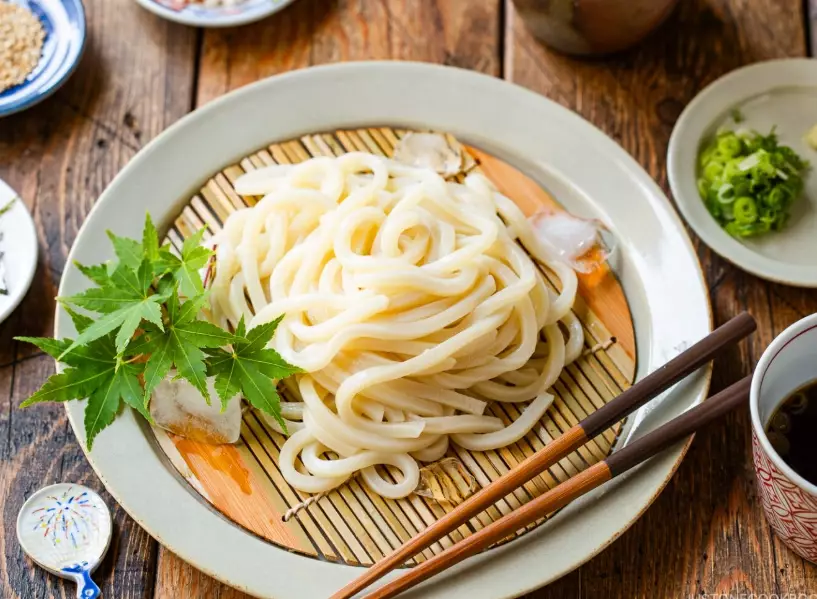
It's served with a concentrated dipping sauce called mentsuyu or tsuyu. This is the flavor engine. It's typically made from a base of dashi (Japanese soup stock from kombu and katsuobushi), soy sauce, mirin, and sugar. You don't pour it over the noodles. Instead, you dip each bite. Common toppings include finely grated ginger, thinly sliced scallions (negi), and sometimes a sprinkle of nori seaweed or a dab of wasabi.
The dish likely evolved as a practical summer meal. Udon shops needed a way to serve noodles that wouldn't make customers sweat in the humid Japanese heat. Chilling the noodles was the obvious answer, and the dipping method prevented the noodles from getting soggy in a hot broth, allowing them to retain their perfect chew.
Key Difference: Don't confuse it with kake udon (udon in hot broth) or even bukkake udon (cold udon with a heavier topping of condiments). Zaru udon is defined by the dipping action and the minimalist presentation.
The Right Way to Eat Zaru Udon (Most People Mess This Up)
This is where I see tourists (and honestly, some locals) go wrong. They get the beautiful tray, pour all the tsuyu over the noodles, mix it up, and eat. You can do that, but you're missing the point and ruining the texture balance. Here's the method that makes a difference.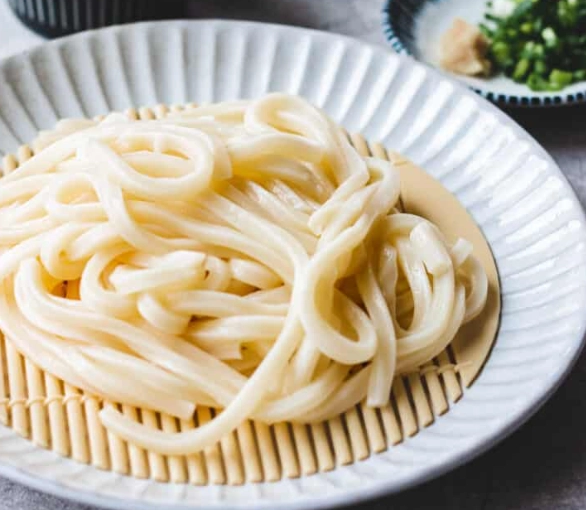
Step-by-Step Dipping Etiquette
First, add your garnishes to the tsuyu cup. A pinch of scallions, a small mound of grated ginger. Maybe a bit of wasabi if you like. Use your chopsticks to gently mix them into the sauce. This infuses the tsuyu with their flavors.
Now, pick up a modest bundle of noodles with your chopsticks. Don't grab a huge, unmanageable clump. Dip only the bottom third to half of the noodle bundle into the tsuyu. The goal is to flavor the noodles, not drown them. You want to taste the clean, wheaty flavor of the udon along with the salty-sweet-umami punch of the sauce.
Slurp. Yes, slurp. It's encouraged. It cools the noodles, aerates them, and enhances the flavor. The rhythmic sound is part of the experience.
Halfway through, take a sip of the clear, cold water or tea that's usually served alongside. It cleanses your palate. Towards the end, you can add the provided condiments directly to the noodles for a different taste profile.
The One Big Mistake Everyone Makes
Putting the noodles directly into the tsuyu cup and letting them sit. This makes the part of the noodle in the sauce oversaturated and salty, while the top part is bland. It also warms up the tsuyu, which should stay cool. Dip and eat. Immediately.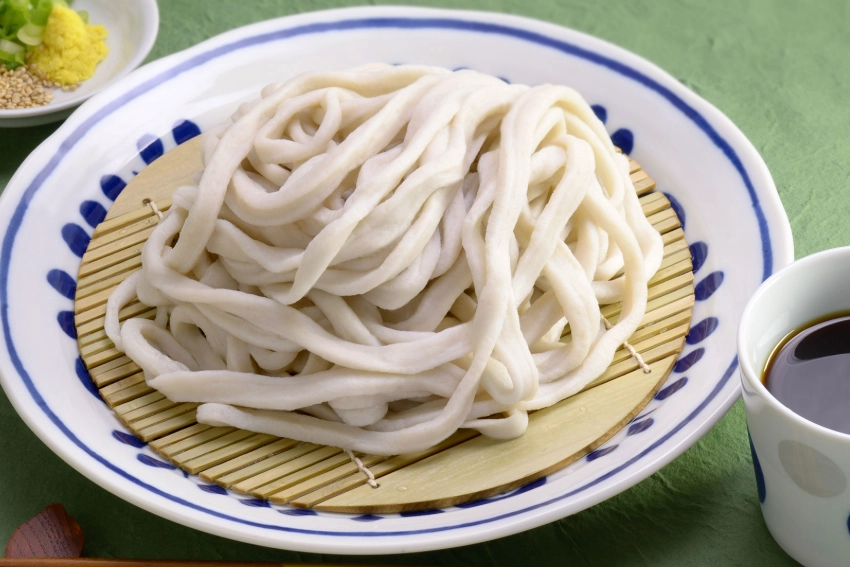
Making Zaru Udon at Home: A Realistic Recipe
You don't need to be a master noodle-maker to pull this off. The real secret is in the tsuyu and the noodle treatment. I've tried the from-scratch udon route. It's a fun project, but for a reliable weeknight meal, quality store-bought dried or frozen udon is your friend.
Ingredients & Simple Tsuyu Formula
For the Noodles: 2 servings of dried or frozen sanuki udon (thick and square-edged is ideal).
For the Tsuyu (Mentsuyu):
* 1 cup dashi (If you don't make your own, use a good quality dashi powder like "Ajinomoto Hondashi" or a bottled dashi concentrate. This is non-negotiable for flavor.)
* 1/4 cup soy sauce (usukuchi/light soy sauce is more authentic, but regular is fine)
* 1/4 cup mirin
* 1-2 tablespoons sugar or 1 tablespoon mirin + 1 tsp sugar (adjust to taste)
Toppings: Grated ginger, thinly sliced scallions, nori strips.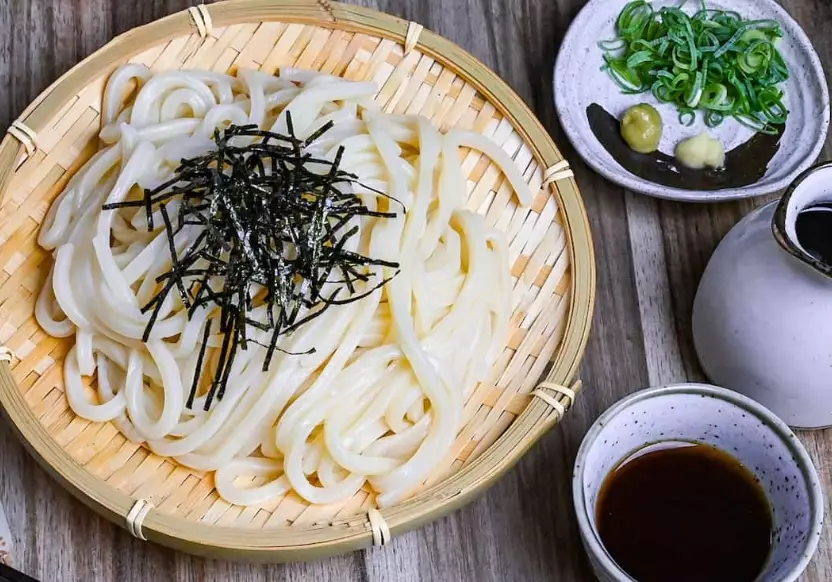
The Process:
1. Make the tsuyu. Combine the dashi, soy sauce, mirin, and sugar in a small saucepan. Bring to a simmer over medium heat, stir until the sugar dissolves, then immediately turn off the heat. Let it cool completely, then chill in the refrigerator. This can be done days ahead.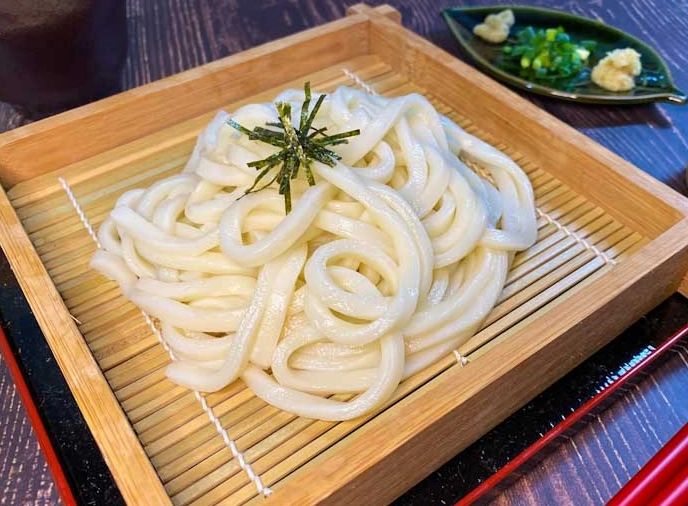
2. Cook the udon according to package directions, but shave 30 seconds to 1 minute off the recommended time. You want them al dente.
3. This is critical: Drain the noodles and immediately rinse them under cold running water, using your hands to wash off the surface starch. This stops the cooking and firms up the texture.
4. Let the noodles drain thoroughly in a colander or, if you have one, on a bamboo tray. No one likes watery, diluted tsuyu.
5. To serve, place the cold noodles on a plate or tray. Pour the chilled tsuyu into small individual cups. Add toppings to the tsuyu or on the side.
My personal twist? I sometimes steep a small piece of kombu in the tsuyu as it chills for an extra layer of umami. It's a subtle trick most home cooks don't bother with, but it adds a professional depth.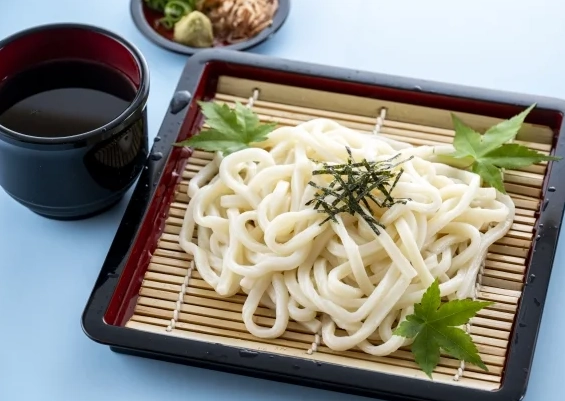
Where to Find Incredible Zaru Udon in Japan
If you're planning a trip, or live here and want to explore, here are specific spots that do zaru udon exceptionally well. I'm avoiding the giant chains and focusing on places with character and a specific point of view.
| Restaurant Name & Location | What Makes It Special | Price Range (per bowl) | Good to Know |
|---|---|---|---|
| TsuruTonTan Udon Noodle Brasserie Multiple locations in Tokyo (Ginza, Shibuya, Shinjuku). Ginza main store: 4-2-12 Ginza, Chuo-ku. |
Luxurious, theatrical presentation. Their "zaru" is often a massive portion served in a beautiful, wide bamboo basket. The tsuyu is deeply flavorful and they offer premium toppings like uni (sea urchin) on the side. | ¥1,500 - ¥3,000 | Very popular, expect a wait. Open 11:00-23:00. It's an experience as much as a meal. |
| Shin Udon Tokyo, Shinjuku. 3-14-13 Shinjuku, Shinjuku-ku. (In the "NEWoMan" building near the South Exit). |
Modern, minimalist spot famous for their in-house, hand-cut udon. The texture is phenomenal—incredibly chewy and fresh. Their zaru udon is a pure, no-frills showcase of perfect noodle craftsmanship. | ¥1,000 - ¥1,500 | Queue is almost guaranteed. They use a ticket machine for ordering. Open 11:00-22:00. Cash only. |
| Udon Baka Ichidai Kyoto. 185-2 Tokiwacho, Higashiyama-ku. |
A tiny, traditional shop near Kiyomizu-dera temple. Their udon is made with water from the local well, which they claim gives it a unique sweetness and smooth texture. The zaru udon here feels authentic and connected to Kyoto's history. | ¥900 - ¥1,200 | Small, family-run place. Closes early (often by 17:00) and may sell out. A great post-temple visit meal. |
For a deep dive into regional udon styles, the Japan National Tourism Organization has great resources on local food culture, though they don't focus on single restaurants.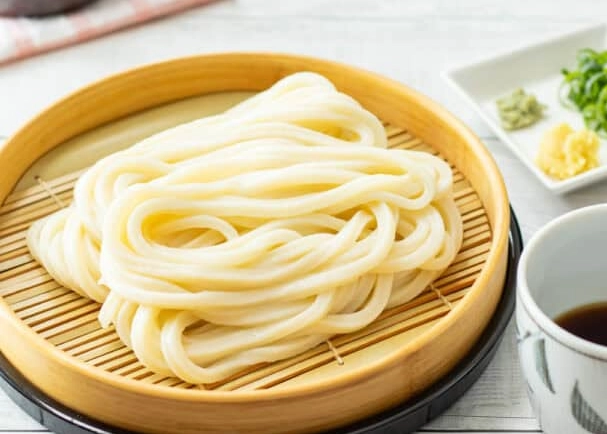
Reader Comments