You're halfway through a steaming bowl of ramen, and you hit a piece of it. A firm, slightly fibrous strip with a deep savory flavor and a satisfying crunch. It's not a mushroom, and it's definitely not meat. That, my friend, is menma. If you've ever pointed at your ramen and asked "what are these brown things?", you're in the right place. This isn't just a garnish—it's a fermented bamboo shoot that's been a cornerstone of authentic ramen for over a century. Let's get into what makes menma special, where to find the best bowls that feature it, and why skipping it means you're missing a key layer of flavor.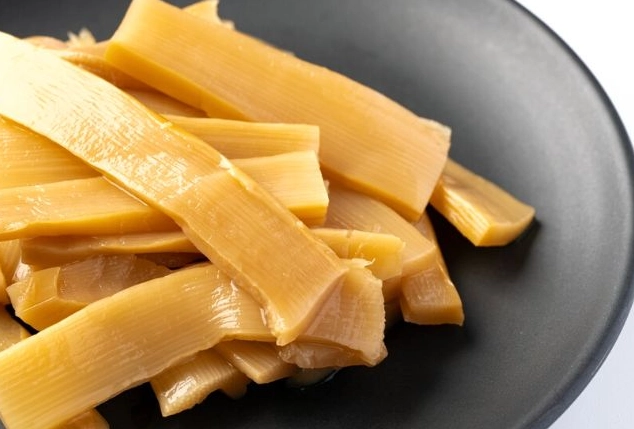
Your Quick Guide to Menma
What Exactly Is Menma? (It's Not Just Bamboo)
Calling menma "pickled bamboo shoots" is like calling champagne "sparkling wine"—technically true, but it misses the craft. The process starts with the tender shoots of the moso bamboo. They're boiled, then fermented with lactobacillus, often in rice bran (nuka) or directly in salt. This fermentation is the magic. It develops lactic acid and complex umami compounds you just don't get from a quick vinegar pickle.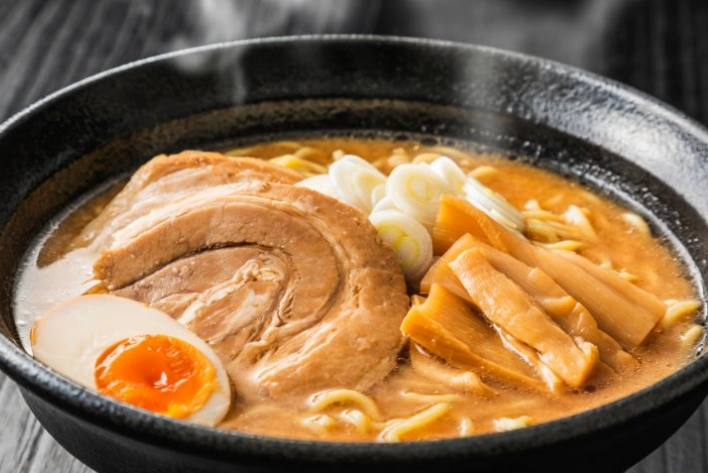
After fermentation, they're sliced into those familiar strips and simmered in a flavor-packed broth. This is where ramen shops stamp their identity. A Sapporo-style shop might use a robust, miso-heavy tare. A Tokyo shop will use a shoyu-based blend. The menma soaks it all up.
From Preservation to Perfection: Menma's Flavor Journey
Menma's story begins in China (where it's called suan cai sun or má sǔn), brought to Japan by Chinese immigrants in the late 19th/early 20th century. It was a practical solution—a way to preserve bamboo for year-round use. Japanese ramen chefs, particularly in Sapporo, adopted it and made it their own, refining the lacto-fermentation and simmering techniques to complement their rich, pork-based broths.
This history explains its regional strongholds. You'll find the most passionate use of menma in Sapporo miso ramen, where its crunch and saltiness cut through the fatty, hearty soup. It's also a non-negotiable topping in classic Tokyo shoyu ramen. In Kyushu for tonkotsu? It's often present, but sometimes plays second fiddle to wood ear mushrooms. Knowing this helps you set expectations when you travel.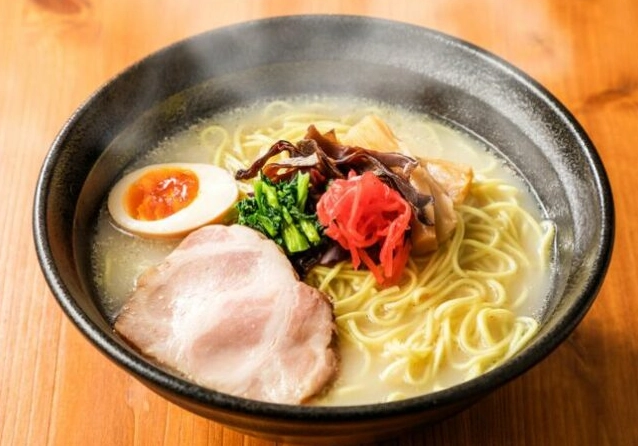
How to Find Ramen Shops That Do Menma Right
Not all menma is created equal. A great bowl hinges on the quality of this one topping. Here’s how to spot a shop that cares.
First, look at the menu description. If it just says "bamboo shoots," be wary. If it proudly says "menma" or "special simmered menma," that's a good sign. Second, when your bowl arrives, inspect it. Good menma should be a consistent, deep tan or brown color, not yellow or pale. It should look hydrated and glossy from its simmering liquid, not dry.
Here are a few spots (based on my own slurps and reliable community reports) known for exceptional menma treatment. Remember, menus change, so it's always worth asking.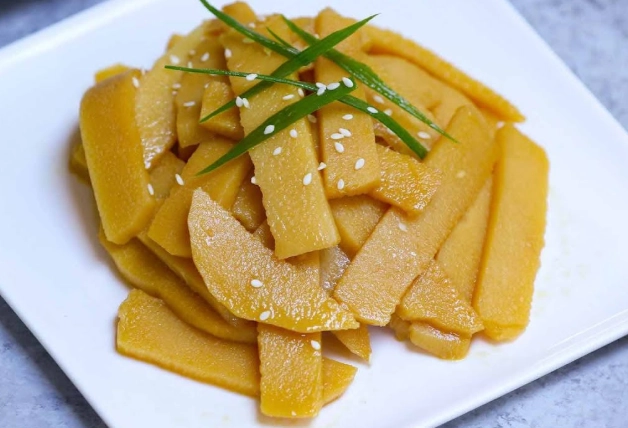
| Shop Name (Location) | Ramen Style | Menma Characteristic | Why It's Notable |
|---|---|---|---|
| Menya Shichisai (Sapporo) | Miso Ramen | Thick-cut, deeply fermented | They often source and ferment their own, resulting in an intense, funky umami that defines their bowl. |
| Ramen Nagi (Golden Gai, Tokyo) | Shoyu Ramen | Firm, smoky, slightly sweet | Their menma is simmered in a secret shoyu blend that includes bonito, adding a layer of smokiness. |
| Ramen Tatsunoya (Multiple, origin Fukuoka) | Tonkotsu Ramen | Thin, crisp, lightly seasoned | In a rich tonkotsu, their menma provides a clean, refreshing crunch without overpowering. |
When you're there, don't just eat the menma by itself. Try it with a bit of noodle and a sip of broth. That's where the harmony happens. The crunch contrasts the noodle's chew, and its saltiness seasons the broth in your mouth.
The Menma Ordering Hack Most People Miss
At many ramen-ya (ramen shops), especially in Japan, you can customize your bowl. One of the best value upgrades you can ask for is "menma mare" (extra menma). It's usually cheaper than adding chashu pork and dramatically changes the texture profile of your meal. If you're feeling adventurous, some shops offer "menma tsukemen" where the menma is served on the side for dipping, concentrating its flavor.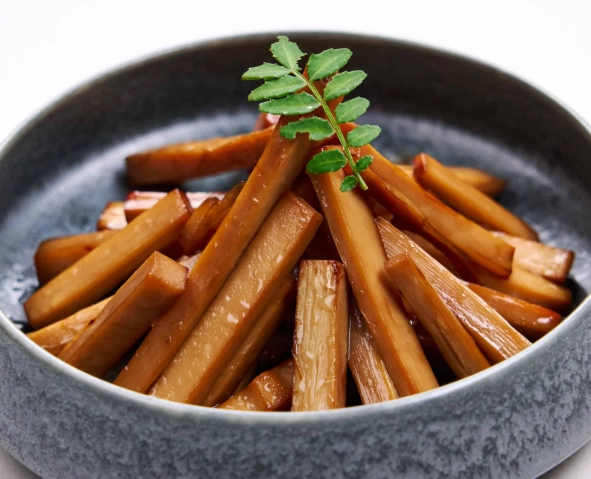
Can You Make Menma at Home? A Realistic Guide
You can, but let's be honest—the full lacto-fermentation from raw bamboo is a multi-week project best left to specialists. The good news? You can create an excellent "simmered menma" at home using pre-fermented, dried, or even canned menma as a base. This is what most ramen shops do anyway; they buy pre-fermented menma and simmer it to their recipe.
Here’s a practical home cook's approach:
- Find the Base: Look for "fermented bamboo shoots" or "dried menma" in Asian grocery stores or online. Canned "sliced bamboo shoots" (in water) are a last resort—you'll need to simmer them longer to infuse flavor.
- The Simmering Broth is Key: This is where you build flavor. A simple, effective home tare works wonders:
- 1 cup dashi (or water with a dashi packet)
- 3 tbsp soy sauce
- 2 tbsp mirin
- 1 tbsp sake
- 1 tsp sugar
- A small piece of kombu (optional, for depth)
- Method: Combine the tare ingredients, add your drained menma, and simmer gently for 20-30 minutes until the menma is tender but still firm and has absorbed the flavor. Let it cool in the liquid. It keeps for a week in the fridge and gets better over a couple of days.
It won't be identical to a shop that ferments for a month, but it will be miles ahead of anything from a standard supermarket can. The simmering liquid itself becomes a fantastic seasoning for stir-fries or rice.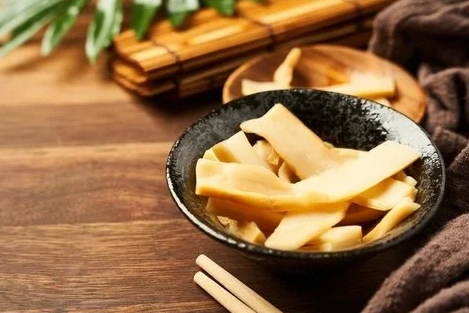
Menma Deep Dive: Your Questions Answered
Why is the menma in my ramen sometimes too salty or sometimes too bland?
This usually comes down to the shop's simmering broth and their rinsing process. Pre-fermented menma is very salty. Some shops rinse it thoroughly before simmering, others don't. A bland menma often means it was under-simmered or made from a non-fermented base. If it's too salty, eat it with a larger mouthful of noodles and broth to balance it out.
I'm vegetarian. Can I eat menma?
You need to ask. The fermentation process itself is usually vegetarian (just salt and rice bran). However, the simmering broth almost always contains non-vegetarian ingredients like katsuobushi (bonito flakes), niboshi (dried sardines), or meat-based dashi. Some modern or vegan ramen shops are starting to make plant-based menma simmered in kombu and shiitake dashi, but they are still rare.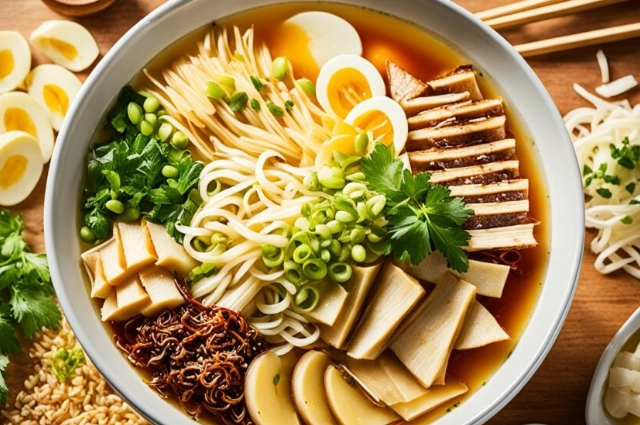
What's the best way to store leftover menma from a store-bought package?
If it's in a brine (like in a vacuum pack), transfer it to a clean, airtight jar with the liquid. It can last for months in the fridge as long as it's submerged. Once you simmer it in your own broth, treat it like any cooked vegetable—consume within 4-5 days. The flavor actually improves on day two.
Are there any health benefits to eating menma?
As a fermented food, it contains probiotics (though cooking may reduce them). It's a good source of dietary fiber. The main benefit in the context of ramen is that it adds texture and flavor without adding significant fat, making a rich bowl feel more balanced and satisfying.
So next time you're ordering ramen, pay attention to the menma. That humble brown strip is a direct link to ramen's history and a testament to the chef's attention to detail. Seek it out, savor its crunch, and appreciate the complex, fermented umami it brings to every single bowl. It's more than a topping—it's an essential part of the ramen experience.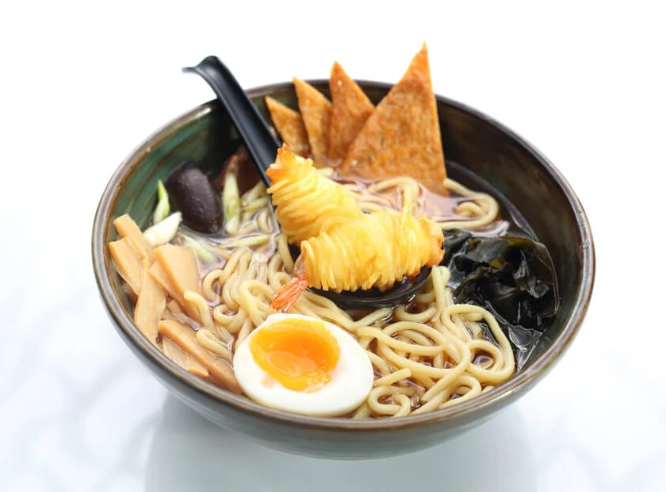
Reader Comments