I remember my first real bowl of ramen in Tokyo. It wasn't in a fancy restaurant, but a tiny, ten-seat counter in a back alley. The steam hit my face, the rich, porky aroma was overwhelming, and the first slurp was a revelation. That's the thing about Japanese noodle dishes—they're not just food, they're an experience. But with so many types and rules, it's easy to feel lost. Let's cut through the noise.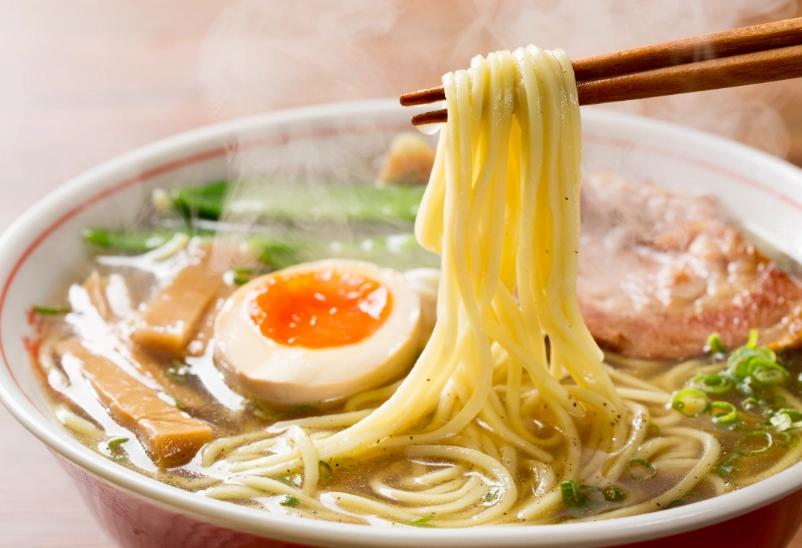
What You'll Find in This Guide
The Big Three: Ramen, Udon, and Soba
Forget trying to learn everything. Focus on these three pillars. Each has a distinct personality, origin, and way of being enjoyed.
Ramen: The Complex Broth Master
Ramen is Japan's adopted superstar. Chinese in origin, perfected in Japan. The magic is in the broth, which cooks for hours, even days. Most people think it's all about the toppings (chashu pork, egg, bamboo shoots), but the real soul is the soup base.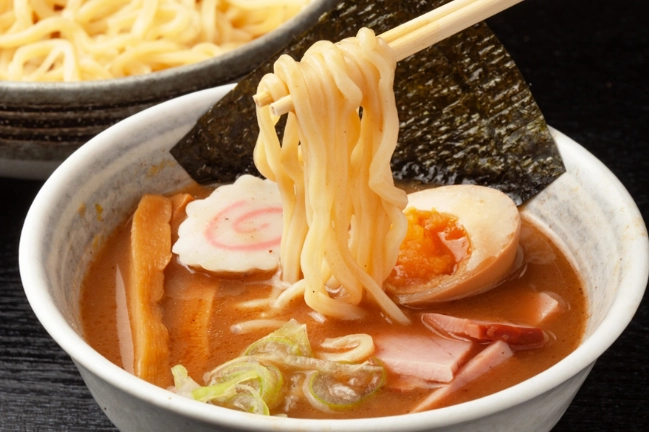
The four main broth types:
- Shoyu (Soy Sauce): Clear, brown, savory. The classic Tokyo style. It's balanced, not too heavy, a great starting point.
- Miso: Rich, cloudy, slightly sweet and nutty. Hails from Hokkaido. Heartier, often paired with corn and butter.
- Shio (Salt): Clear, light-colored, delicate. It's the oldest style. The taste is pure, highlighting the chicken or seafood base. Harder to find done well.
- Tonkotsu (Pork Bone): Milky-white, opaque, deeply porky and creamy. From Kyushu. This is the one that coats your lips. Can be overwhelming for some.
Here's a mistake I see all the time: people judge ramen by the noodle thickness alone. The noodle texture (firmness) is actually a choice you make when ordering. You'll be asked "katame" (firm), "futsu" (normal), or "yawarakame" (soft). For most rich broths like tonkotsu, firmer noodles hold up better.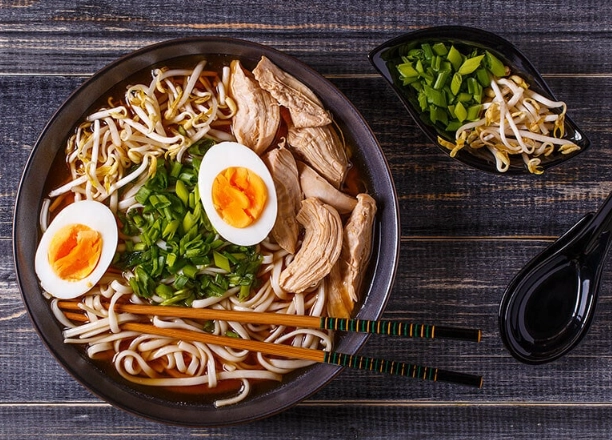
Udon: The Thick and Chewy Comfort Food
Udon noodles are thick, white, and made from wheat. They have a wonderfully chewy, satisfying texture. The broths are typically lighter than ramen—a dashi-based (kelp and bonito) soup that is clean and umami-rich.
Udon Serving Styles: It can be served hot in soup (kake udon), often with simple toppings like green onions and tempura bits. Or served cold (zaru udon) with a dipping sauce on the side, perfect for summer. The cold version really lets you appreciate the noodle's texture.
Soba: The Nutty, Sophisticated Buckwheat
Soba is made from buckwheat flour, giving it a grayish-brown color and a distinctive, slightly nutty, earthy flavor. It's considered more refined and is often associated with New Year's traditions. The buckwheat makes it more nutritious than wheat-based noodles.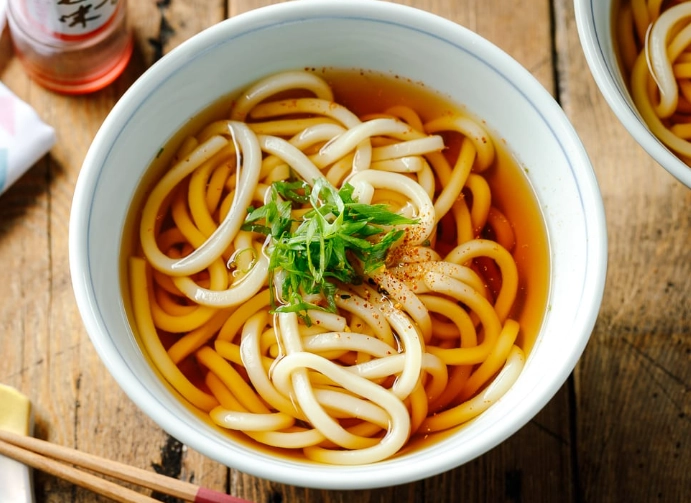
Like udon, it's served hot in soup or cold with a dipping sauce (mori soba or zaru soba). The dipping sauce for cold soba (tsuyu) is more concentrated and complex. After you finish the noodles, it's customary to ask for the hot water the noodles were cooked in (sobayu), which you pour into your leftover tsuyu to drink as a soup. Don't miss this—it's a ritual that completes the experience.
Where to Eat: Tokyo Noodle Spot Recommendations
Tokyo is the ultimate noodle playground. Here are specific spots that deliver an authentic experience, from legendary institutions to local favorites. I've focused on places that are accessible and represent their craft well.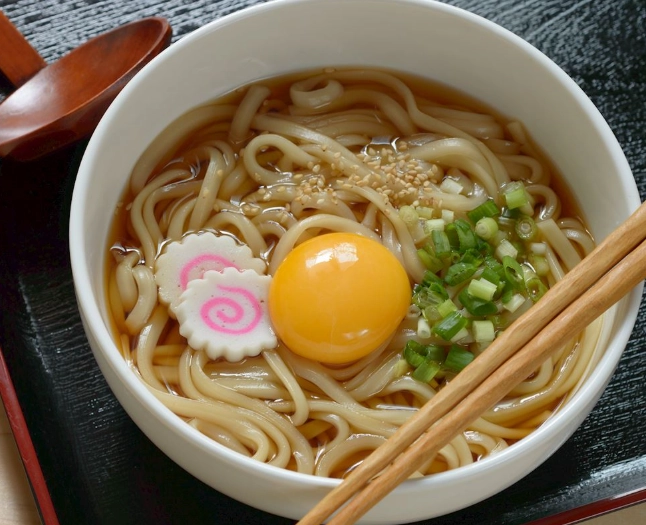
| Restaurant Name | Noodle Type / Specialty | Location & Nearest Station | Price Range (Bowl) | Key Notes & Hours |
|---|---|---|---|---|
| Ichiran | Tonkotsu Ramen | Multiple locations (Shibuya, Shinjuku). Ubiquitous. | ¥900 - ¥1,200 | The solo-dining pioneer. Focus-only broth, no distractions. Order via ticket machine. Often 24/7. A consistent, deep-tonkotsu benchmark. |
| Afuri | Yuzu Shio Ramen | Ebisu, Harajuku, Roppongi. | ¥1,000 - ¥1,400 | Famous for its light, citrusy yuzu-infused shio broth. A modern, cleaner take on ramen. Also has a vegan option. |
| Tsukemen Gonokami Seisakusho | Tsukemen (Dipping Ramen) | Shinjuku (Kabukicho). | ¥1,100 - ¥1,500 | For the adventurous. Thick, chewy noodles you dip into an intensely rich, fish-and-pork based broth. Opens at 11 AM, expect a line. |
| Shin Udon | Handmade Udon | Shinjuku (inside NEWoMan mall). | ¥800 - ¥1,500 | You watch them make the udon fresh. Broth is exquisite. The Nikutama (beef & egg) is legendary. Efficient but often a queue. |
| Yabu Soba | Soba (Main Branch) | Jinbocho, Tokyo. | ¥1,000 - ¥2,500 | A historic, proper soba restaurant since 1880. The atmosphere is traditional. Go for the seiro (cold soba set). Closes around 8 PM. |
A quick tip on lines: In Japan, a line often means quality, not hype. For ramen joints, the turnover is usually fast. Don't be intimidated. Use the waiting time to watch how others order and eat.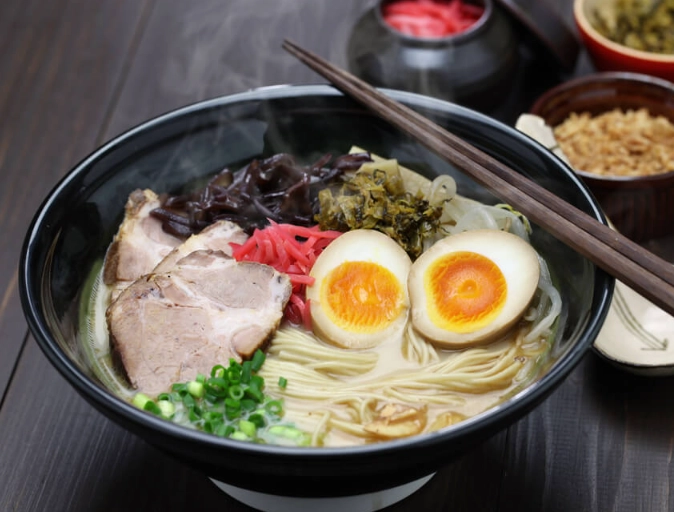
How to Order Without Looking Like a Tourist
This is where most guides stop. They tell you what to eat, not how to eat it. Here's the inside track.
First, the ticket machine. Nearly all ramen and many udon/soba shops use them. You put in cash, press the button for your order, get tickets, and hand them to the staff. No language needed. Look for pictures or English menus nearby. If you're unsure, just point.
Slurping is not just allowed; it's encouraged. It cools the hot noodles, aerates them, and enhances the flavor. Don't be shy. The sound is a compliment to the chef.
Now, the big one: finishing the broth. In ramen culture, finishing every last drop of soup is the ultimate sign of enjoyment. Some bowls even have a message at the bottom. For udon and soba in soup, it's fine to leave some broth. For the dipping styles, do not drink the concentrated tsuyu dipping sauce straight—wait for the sobayu.
One subtle error? Using a spoon for everything. For ramen, use the spoon for broth and the chopsticks for noodles and toppings. For udon/soba in soup, it's common to lift the bowl to your mouth and drink directly. It's practical, not rude.
Your Noodle Questions Answered
Is there a significant difference between chain ramen shops and tiny local ones?
Absolutely, and it's not just about size. Chains like Ichiran or Ippudo are masters of consistency and efficiency. Their broth is often factory-produced to an exact standard—it will taste the same in Shibuya or Fukuoka. A tiny local shop (jimoto no mise) reflects the chef's daily decisions, the local water, and maybe a secret family recipe. The chain gives you a perfect version of a type. The local shop gives you that chef's soul. Try both. The chain teaches you the baseline; the local shop might give you your new favorite.
What's the one topping or add-on I should always get with my ramen?
Skip the extra chashu or egg if you're on a budget. The one add-on that transforms a bowl is "kaedama" (an extra order of noodles). You don't order it at the start. You eat most of your initial noodles, then ask for a kaedama. They'll give you a fresh batch of noodles to put in your remaining, now flavor-concentrated broth. It's like a second act to your meal and is the most cost-effective way to maximize flavor.
I'm vegetarian/vegan. Are Japanese noodle dishes off-limits?
Not at all, but you must be vigilant. Traditional ramen broth is almost always meat or seafood-based. However, dedicated vegan ramen shops are growing rapidly in Tokyo (like T's Tantan in Tokyo Station). Udon and soba are easier bets. Order kake udon or zaru soba and explicitly say "bejitarian desu" (I am vegetarian) and ask "dashi wa sakana desu ka?" (Is the dashi from fish?). Many places use a kombu (kelp) dashi that is vegan. Websites like HappyCow are invaluable for pre-planning.
How do I find the best noodle shop in an area I'm staying, beyond the famous ones?
Forget Google's top 10 lists. Look for two things: 1) A line of locals (not tourists) around meal times. 2) A vending machine ticket system at the entrance. This combo is a near-guarantee of good, authentic, and reasonably priced food. Also, peek at the discarded bowls by the return counter. Are they empty? That's the best review you can get. Wander a block or two away from the main station exits—the best spots are often hidden in the first floor of an office building or down a narrow street.
The world of Japanese noodle dishes is deep, but it doesn't have to be intimidating. Start with a classic shoyu ramen, try cold zaru soba on a hot day, and seek out that thick, chewy udon. Remember the rules are there to enhance your enjoyment, not to police you. Now go find your perfect bowl.
Reader Comments