Let's be honest. Most recipes for gyoza dipping sauce are lazy. They tell you to mix soy sauce and rice vinegar, maybe throw in a pinch of sugar or chili oil, and call it a day. The result is often a one-dimensional, overly salty puddle that does little to complement the juicy, savory filling of a perfectly pan-fried gyoza. If you're searching for a sweet gyoza dipping sauce, you're already on the right track. You're looking for balance, complexity, and that magical "moreish" quality that makes you want to dunk every single dumpling.
The sweet note isn't about making your sauce taste like dessert. It's about rounding out the sharp edges of acidity and salt, enhancing the savory umami, and creating a cohesive flavor bridge between the crispy wrapper and the meaty interior. Getting it right is the difference between a good dumpling experience and a great one.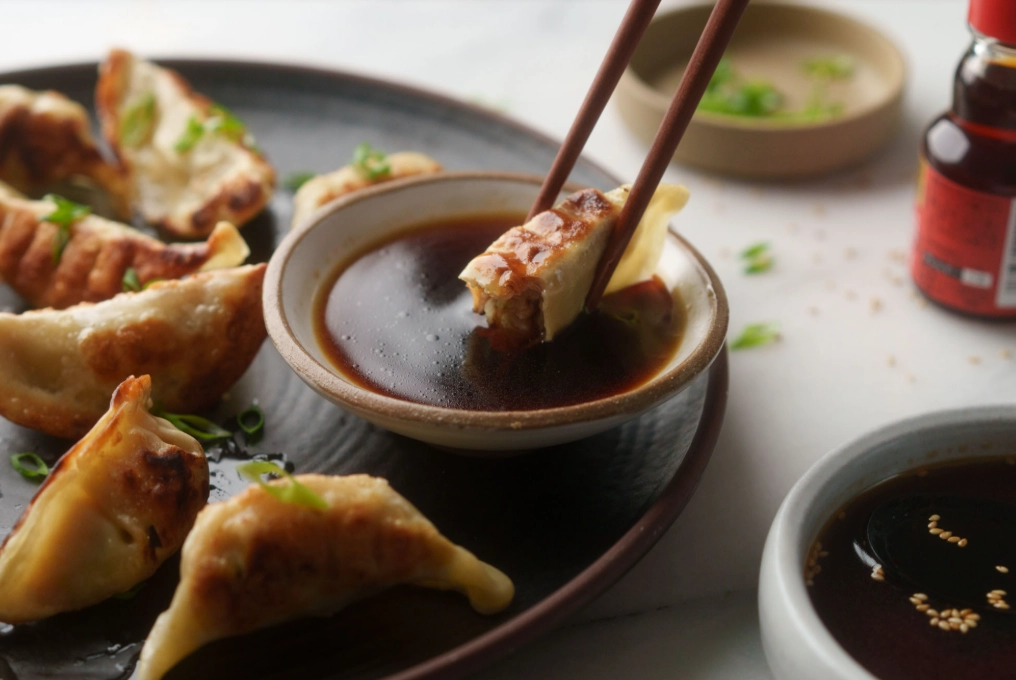
What You'll Find Inside
- What Makes a Gyoza Dipping Sauce ‘Sweet’?
- How to Make the Ultimate Sweet Gyoza Dipping Sauce: A Step-by-Step Recipe
- Common Mistakes When Making Sweet Gyoza Sauce (And How to Fix Them)
- The Sweetener Showdown: Which One to Choose?
- Pro Tips and Flavor Variations
- Your Sweet Gyoza Sauce Questions, Answered
What Makes a Gyoza Dipping Sauce ‘Sweet’?
When we talk about sweetness in a savory Asian condiment, we're not aiming for candy. The goal is a subtle, background sweetness that supports other flavors. In a traditional Japanese gyoza sauce recipe, this often comes from mirin, a sweet rice wine. But mirin's sweetness is gentle and carries a distinct umami and slight acidity of its own.
Many home cooks outside Japan use sugar, honey, or even hoisin sauce. This is where things can go wrong. Dumping a spoonful of white sugar into soy sauce often results in a grainy, disjointed sweetness that sits on top of the other flavors instead of blending in. The secret isn't just what sweetener you use, but how you integrate it. The sweetness should be perceived, not necessarily identified.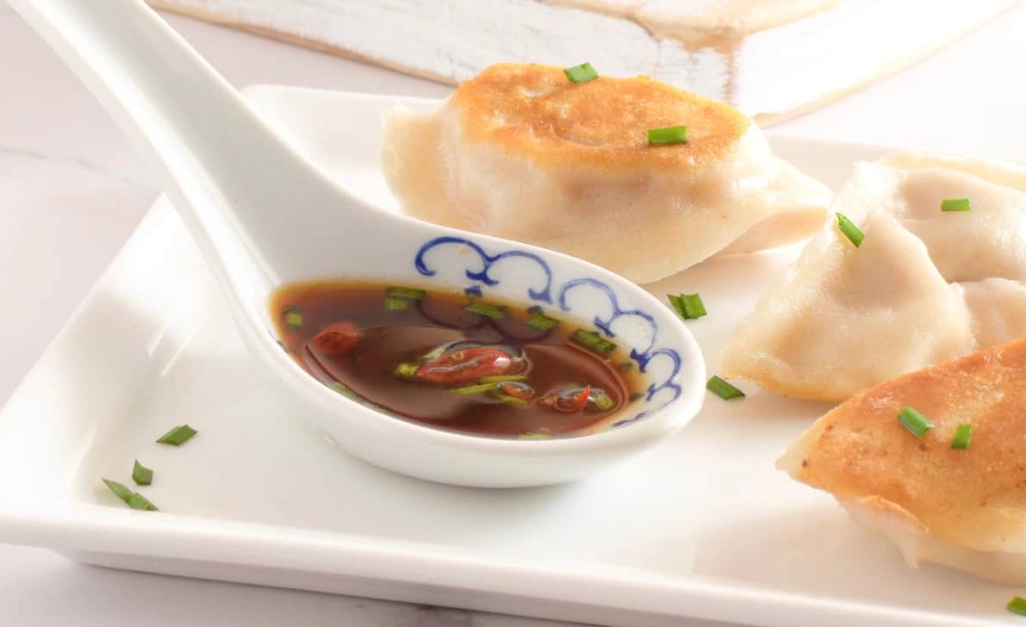
I learned this the hard way. My first attempt at a sweet gyoza sauce was a cloying, syrupy mess that completely overpowered the delicate pork and cabbage in my dumplings. It tasted like a bad teriyaki imitation.
How to Make the Ultimate Sweet Gyoza Dipping Sauce: A Step-by-Step Recipe
This is my go-to, all-purpose sauce. It's balanced, quick to make, and uses ingredients you likely have. The key is to dissolve the sweetener completely.
Quick Note: Always taste your base soy sauce first. Brands vary wildly in saltiness. If yours is very salty (like some dark soy sauces), you'll need less of it and potentially a touch more sweetener to compensate.
Ingredients:
- 3 tablespoons regular Japanese soy sauce (like Kikkoman)
- 2 tablespoons unseasoned rice vinegar
- 1 tablespoon mirin (see the sweetener table below for substitutes)
- 1 teaspoon sesame oil (toasted, not light)
- 1/2 teaspoon freshly grated ginger (or 1/4 tsp ginger powder in a pinch)
- 1 small clove garlic, very finely minced or grated
- 1 teaspoon toasted sesame seeds
- Optional: 1/2 teaspoon chili oil or a pinch of dried chili flakes
The Method That Matters:
Don't just stir. Combine the soy sauce, rice vinegar, and mirin in a small bowl first. Whisk them together for 15-20 seconds. This initial blending helps the liquids marry before you add the oils and aromatics. Then, whisk in the sesame oil until it's fully emulsified—you shouldn't see it floating on top. Finally, stir in the ginger, garlic, and sesame seeds. Let it sit for at least 10 minutes before serving. This resting time is non-negotiable; it allows the harshness of the raw garlic to mellow and the flavors to fully integrate.
Common Mistakes When Making Sweet Gyoza Sauce (And How to Fix Them)
After years of testing and eating far too many dumplings, I've seen the same errors pop up.
Mistake 1: Using only soy and vinegar with sugar. This creates a flat, two-note sauce. The sesame oil isn't just for flavor; its fat content helps carry the other flavors and gives the sauce a richer mouthfeel. The ginger and garlic add necessary aromatic complexity.
Mistake 2: Not balancing the sweet with enough acid. Sweetness without enough acid tastes heavy and dull. If your sauce tastes "sticky-sweet" but bland, add a few more drops of rice vinegar, not more soy sauce. The vinegar will brighten it up.
Mistake 3: Using pre-minced jarred garlic and ginger. I get it, it's convenient. But the flavor is muted and often has a preservative tang. Freshly grated ginger and minced garlic make a staggering difference. A microplane is your best friend here.
The Sweetener Showdown: Which One to Choose?
This is the heart of your how to make gyoza sauce sweet quest. Your choice dramatically changes the profile. Here’s a breakdown.
| Sweetener | Best For | Flavor Profile & Notes | How Much to Use (vs. 1 tbsp mirin) |
|---|---|---|---|
| Mirin | Authentic Japanese flavor, balanced umami | Gentle, complex sweetness with a slight acidity and depth. Adds a lovely gloss to the sauce. | 1 tablespoon (the standard) |
| Honey | A richer, floral sweetness | Distinct honey flavor. Can overpower if not careful. Use a mild, runny honey. Whisk vigorously to incorporate. | 2 teaspoons (it's sweeter than mirin) |
| Brown Sugar | A deeper, caramel-like note | Adds a molasses hint. You must dissolve it completely in the liquid ingredients over low heat or by whisking extensively in a warm bowl. | 2 teaspoons, fully dissolved |
| White Sugar | Pure, neutral sweetness | Adds sweetness without extra flavor. The easiest to make grainy. Dissolution is critical. | 2 teaspoons, fully dissolved |
| Agave Nectar | A vegan-friendly, mild option | Very neutral, dissolves easily. Lacks the complexity of other options but is foolproof. | 2 teaspoons |
My personal ranking? A good quality mirin is unbeatable for authenticity. For a pantry hack, I prefer honey over sugar—it integrates more easily and adds another flavor dimension.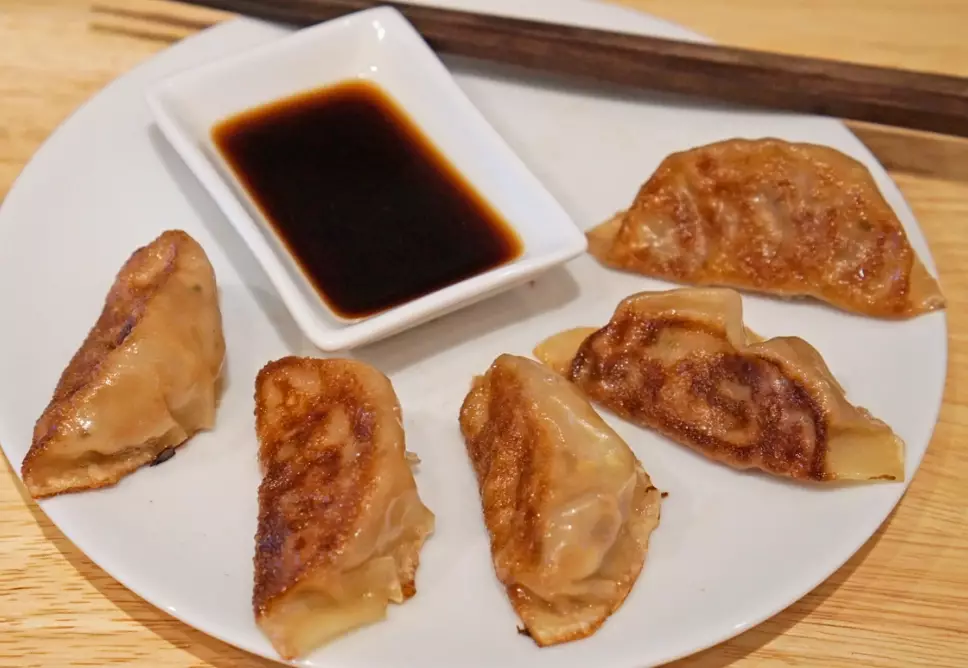
Pro Tips and Flavor Variations
Once you've mastered the base, play with it.
For a Richer, Punchier Sauce
Replace 1 tablespoon of the soy sauce with ponzu sauce (citrus-soy). The yuzu or lemon notes add incredible brightness that plays beautifully with the sweetness. This is my secret weapon for seafood gyoza.
For a Spicy-Sweet Kick
Don't just add chili oil. Make a rayu-infused sweet sauce. Warm your sesame oil slightly, add a teaspoon of crushed chili flakes, let it sizzle for 10 seconds, then pour it into your mixed soy and vinegar. The heat infuses the whole sauce more evenly.
The "Cheater's" Umami Bomb
A tiny pinch (I'm talking 1/8 teaspoon) of MSG or a dash of dashi powder will elevate the savory depth, making the sweet note seem even more rounded and intentional. Don't knock it till you've tried it.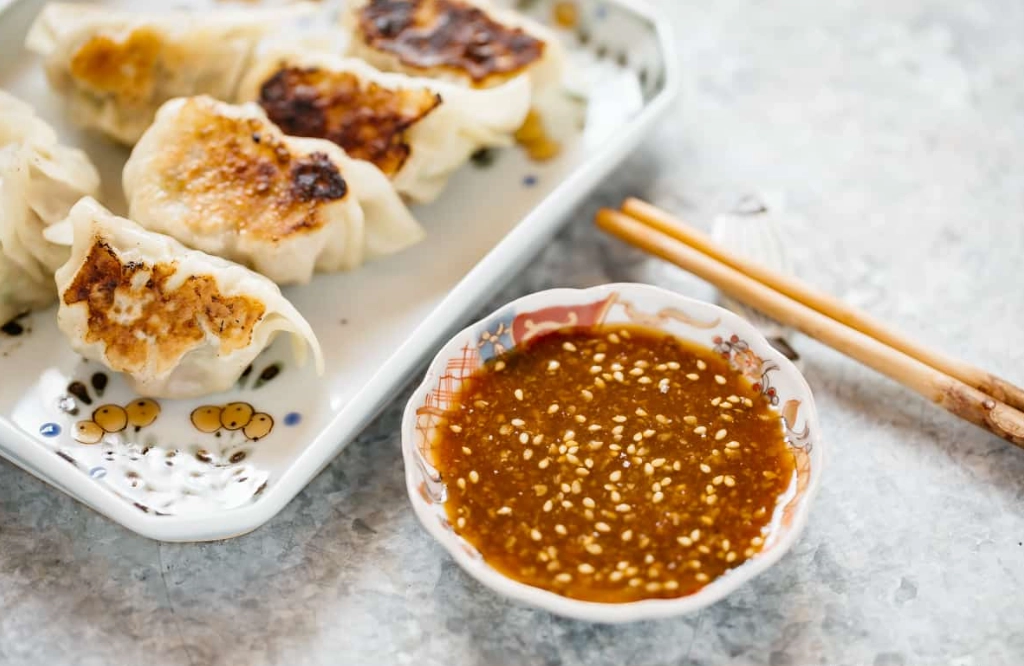
Your Sweet Gyoza Sauce Questions, Answered
Can I make a big batch of sweet gyoza sauce and store it?
You can, but with a major caveat. Mix everything except the fresh garlic and ginger. The base liquid (soy, vinegar, mirin, sesame oil) keeps well in a sealed jar in the fridge for 2-3 weeks. Add the fresh aromatics just before serving. The garlic and ginger get funky and lose their punch after a day or two submerged.
My sauce turned out too sweet. How do I fix it without making more?
Dilution is the easiest fix. Add a splash of water or, even better, a little more unseasoned rice vinegar. The vinegar adds acidity to counter the sweet without just adding more saltiness from extra soy sauce. Start with a teaspoon, whisk, and taste.
I don't have rice vinegar. What's the best substitute?
Apple cider vinegar is your next best bet. It has a fruity acidity that works. Use a slightly smaller amount (maybe 1.5 tablespoons instead of 2) as it can be sharper. Avoid white distilled vinegar—it's too harsh and chemical-tasting for this delicate balance.
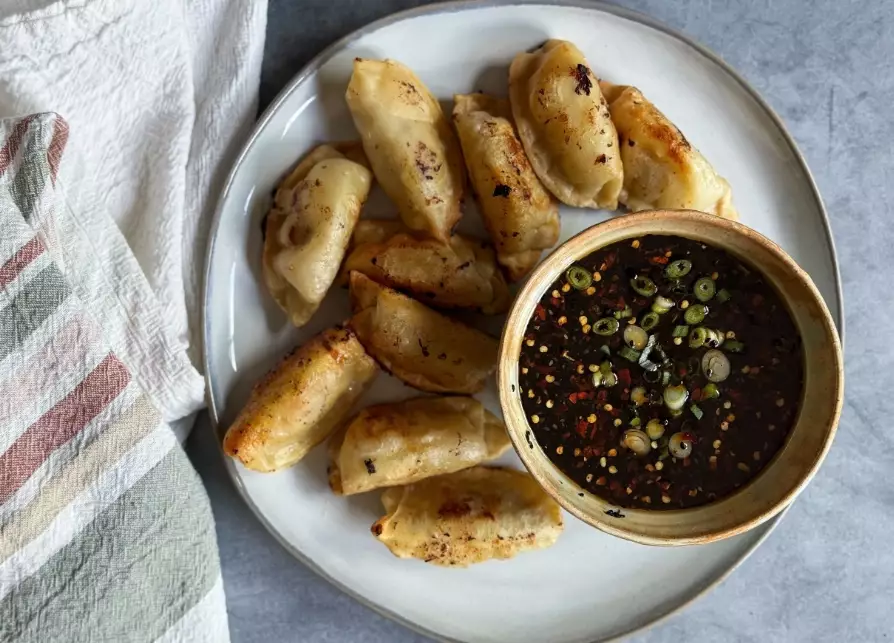 Is there a way to make a thick, sticky sweet gyoza sauce for drizzling?
Absolutely, but you're moving into glazing territory. Take your completed sauce and simmer it gently in a small pan for 3-5 minutes. It will reduce and thicken slightly. For a more dramatic, glaze-like consistency, add a slurry of 1/2 teaspoon cornstarch mixed with 1 teaspoon of water to the simmering sauce and stir until it thickens. This is great for presentation but changes the texture completely.
What's the biggest flavor difference between using mirin and sugar?
Mirin contributes a rounded, integrated sweetness with its own umami and acidity. Sugar adds a simpler, top-note sweetness that can sometimes taste like it's sitting separately from the salty and sour components. Mirin makes the sauce taste more "finished" and complex with less effort from you.
Mastering your sweet gyoza dipping sauce is about understanding balance, not just following a recipe. Start with the ratios I've given, but then taste and adjust. Make it sweeter, more acidic, or spicier based on your dumpling filling and your own palate. The perfect sauce is the one that makes you reach for just one more gyoza, every single time.
Reader Comments