Kake udon is the ultimate Japanese comfort food. A steaming bowl of chewy wheat noodles swimming in a clear, savory dashi broth. It sounds simple, and it is—once you know the secrets. Most recipes online give you the basics but miss the nuance that separates a good bowl from a great one. I've spent years getting this right, learning from mistakes (like ending up with a murky, fishy broth) and from cooks in small udon-ya across Japan. This isn't just a list of steps; it's the reasoning behind them.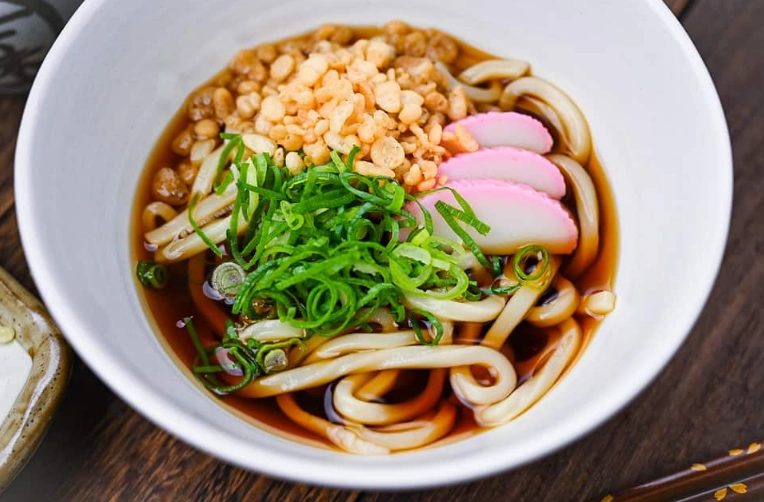
Let's get straight to the point. The soul of kake udon is its broth, and the most common home cook mistake is using the wrong dashi or treating it like an afterthought.
What’s Inside This Guide
Why Your Dashi Is The Make-or-Break Factor
Think of dashi as the foundation of a house. If it's weak, everything built on top feels shaky. For kake udon, you need a clear, umami-rich, and subtly fragrant broth. The classic combination is kombu (dried kelp) and katsuobushi (bonito flakes).
Here's the non-consensus part: many guides tell you to simmer the kombu. Don't. If you bring kombu to a rolling boil, it releases sticky, slimy compounds that cloud the broth and add a faint bitterness. The goal is to extract the sweet, savory glutamate without the impurities. You steep it like tea, just below a boil, then remove it.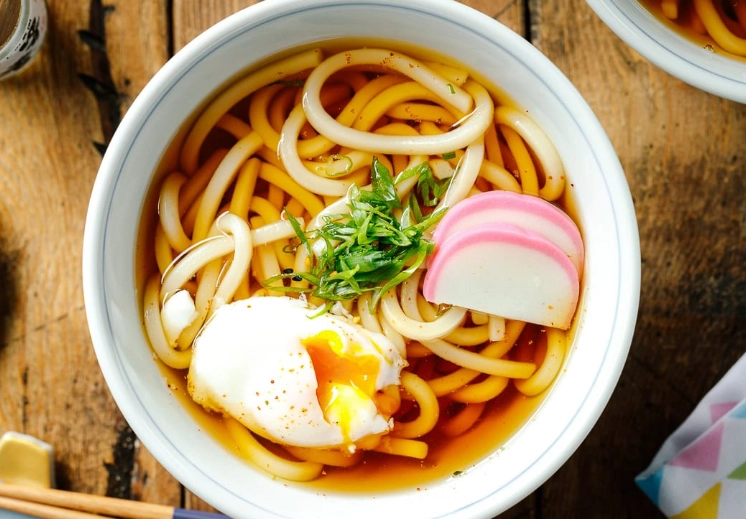
My first dashi failure: I boiled the kombu for 20 minutes because a famous recipe said to. The broth was slightly cloudy and had an off-putting slickness. A Japanese friend took one look and said, "Too much love for the kombu." She was right. Gentle heat is key.
Then comes katsuobushi. You bring the kombu-infused water to a full boil, turn off the heat, and add the flakes. Let them sink for just a few minutes—over-steeping makes the broth bitter and too fishy. Strain immediately through a fine-mesh sieve or cheesecloth, but don't press on the flakes. Squeezing forces out the bitter oils. Let gravity do the work.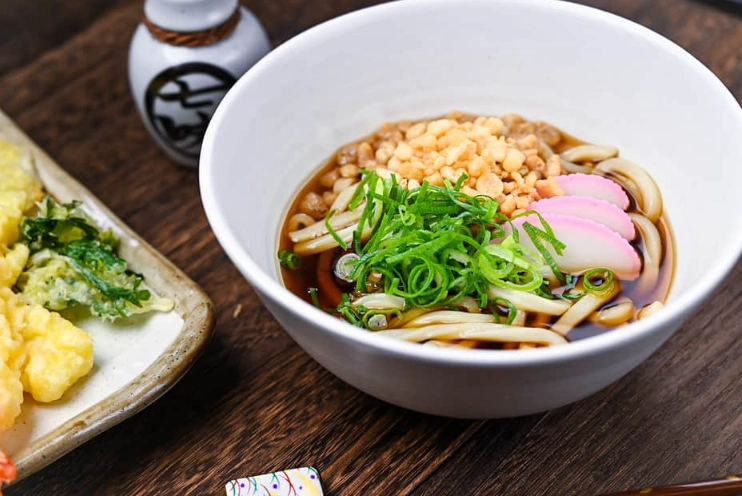
A Simple Ingredients Breakdown (What Matters Most)
You only need a handful of things. Quality over quantity every time.
| Ingredient | Purpose & What to Look For |
|---|---|
| Udon Noodles | Fresh-frozen udon (found in Asian freezer sections) is the best home cook option. They have a fantastic chew. Dried udon works in a pinch—cook them exactly as the package says, no less. |
| Kombu (Dried Kelp) | Look for wide, thick pieces with a white, powdery substance on the surface. That's natural glutamate. Don't wash it off—just wipe gently with a damp cloth. |
| Katsuobushi (Bonito Flakes) | Pre-shaved packs are fine. For superior flavor, buy a small block and shave it yourself with a kezuriki, but that's a project for another day. |
| Mirin & Soy Sauce | Use hon mirin (real mirin) if possible, not "mirin-style seasoning." It adds a complex sweetness. For soy sauce, a standard Japanese koikuchi shoyu is perfect. Dark soy sauce will overpower the delicate dashi. |
| Toppings | Thinly sliced scallions, a pinch of shichimi togarashi (seven-spice blend), maybe some tempura flakes (tenkasu). Keep it simple. |
The Step-by-Step Process, Demystified
How to Make the Perfect Dashi (The Soul of Kake Udon)
1. Steep the Kombu: Combine 4 cups of cold water and a 4-inch piece of kombu in a pot. Let it soak for 30 minutes if you have time (this boosts umami). Then, heat it on medium-low. Just before it reaches a full boil—when small bubbles start forming at the bottom—remove the kombu. You can save this used kombu to make a secondary dashi or a tsukudani relish.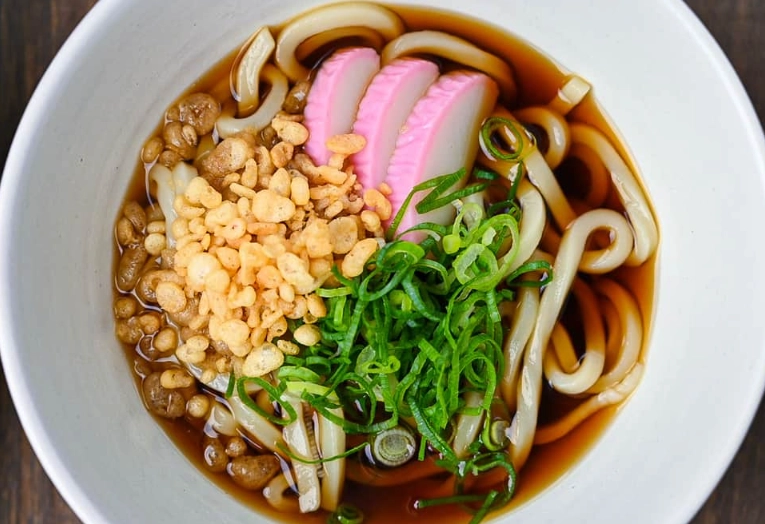
2. Infuse with Katsuobushi: Bring the kombu water to a rolling boil. Turn off the heat immediately. Add 1 loosely packed cup (about 10g) of katsuobushi flakes. They will swirl and then sink. Let it sit for no more than 3 minutes.
3. Strain with Care: Line a fine-mesh strainer with a paper towel or cheesecloth and place it over a bowl. Gently pour the dashi through. Let it drain naturally. Don't press the flakes. You now have primary dashi (ichiban dashi)—clear, golden, and fragrant.
Cooking the Udon Noodles to the Right Texture
This seems obvious, but it's a major texture pitfall. Bring a large pot of unsalted water to a boil. Salt competes with the broth's flavor. Add the noodles and cook according to the package directions, but start tasting a minute early. You want al dente—a firm chew, not mushy.
Drain immediately and rinse under cold running water, using your hands to separate the noodles. This stops the cooking and washes off surface starch that would make your broth cloudy. Some people skip this rinse. I think it's essential for a clean-tasting soup.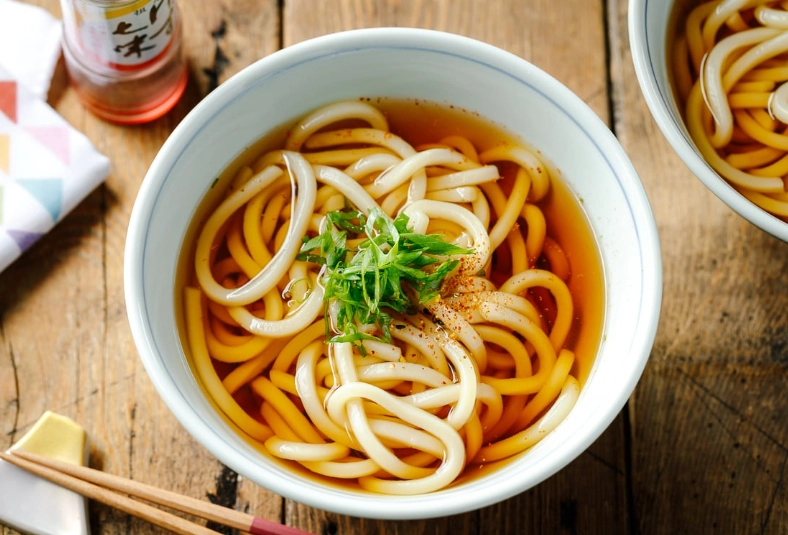
Assembling the Final Bowl
Return your beautiful dashi to the pot. For every 2 cups of dashi, add 1 tablespoon of mirin and 1.5 to 2 tablespoons of soy sauce. Heat it until just hot, but don't let it boil hard again—you'll lose the delicate aroma.
Divide the rinsed noodles into bowls. Ladle the hot broth over them. The noodles will warm through perfectly. Top with a handful of thinly sliced scallions and serve immediately. That's it.
Expert Tips & Tricks You Won't Find Elsewhere
The Ice Water Shock: After rinsing the noodles with cold water, try plunging them into a bowl of ice water for 30 seconds. This tightens the surface proteins, giving an even more satisfying, springy chew. Drain well before adding to the bowl.
Broth Clarity Hack: If your dashi is slightly cloudy after straining, let it settle for 5 minutes. Then, carefully pour it into another container, leaving the last cloudy bit at the bottom. It makes a visual difference.
Don't Waste the Katsuobushi: Those spent bonito flakes? Spread them on a baking sheet, dry them out in a low oven, and blend into a powder. It's an incredible umami booster for sprinkle on rice, salads, or roasted vegetables. Zero waste.
The biggest flavor upgrade after mastering dashi? Using lightly toasted nori. Just wave a sheet over a gas flame for a few seconds until it turns bright green and crisp. Tear a piece and lay it on top of the udon just before eating. It adds a deep, oceanic fragrance.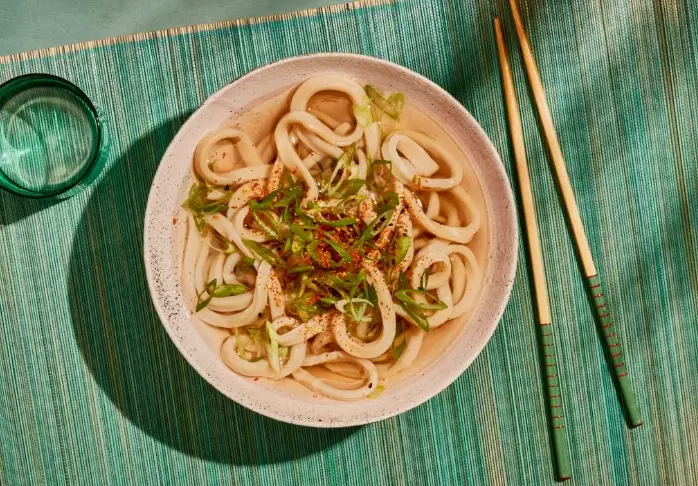
Answering Your Kake Udon Questions
Can I use instant dashi powder for kake udon?
You can, and many busy Japanese households do. Hon-dashi is the most common brand. It will give you a decent, savory broth quickly. The trade-off is a less complex, slightly more one-dimensional flavor compared to homemade, and it often contains MSG and salt. If you use it, follow the package directions but use slightly less powder than recommended, as the soy sauce and mirin will add saltiness. Treat it as a convenient shortcut, not the destination.
My udon broth tastes flat. How do I fix it?
"Flat" usually means lacking in layered umami. First, check your kombu—old or low-quality kombu won't give much flavor. Next, ensure you didn't over-steep the katsuobushi, as that brings bitterness, not depth. A quick fix is to add a tiny pinch of salt or a few drops of usukuchi (light-colored) soy sauce, which is saltier than regular soy sauce. For next time, try adding 1-2 dried shiitake mushrooms to the cold water with the kombu. They contribute a different, earthy umami that rounds out the broth beautifully.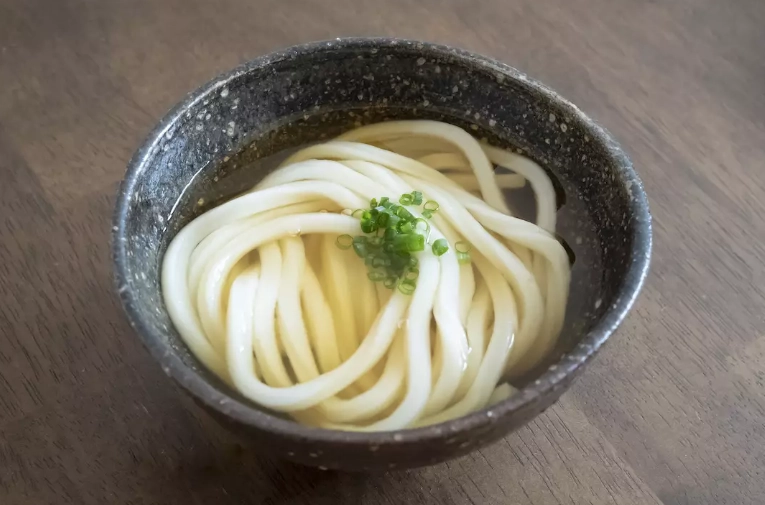
What's the difference between kake udon and other udon soups like kitsune or tempura udon?
Kake udon is the base—just noodles and broth. It's the blank canvas. Kitsune udon tops that with a slice of sweetened, simmered aburaage (fried tofu pouch). Tempura udon comes with a piece of tempura, usually shrimp or vegetable, placed on top or served on the side. The broth is essentially the same. So once you've mastered kake udon, you've mastered the foundation for a dozen other udon dishes. Start simple, then get creative with toppings.
How do I store and reheat leftover udon soup?
Store noodles and broth separately in the fridge, and for no more than a day. The noodles will absorb the broth and become soggy if left together. To reheat, warm the broth gently on the stove. Refresh the cold noodles by dipping them in a pot of boiling water for 10-15 seconds to loosen them up and warm them through, then drain and place in a bowl. Pour the hot broth over. Reheating the noodles directly in the broth will overcook them and cloud your soup.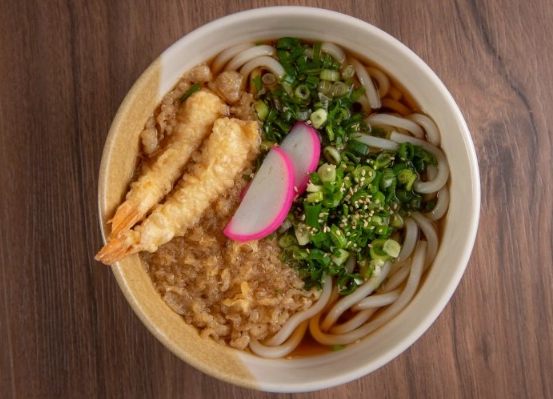
Reader Comments