You just pan-fried a beautiful batch of gyoza, the bottoms crisp and golden. You reach for the soy sauce bottle. Stop right there. If you think gyoza sauce and soy sauce are the same thing, you're about to make a classic, flavor-diminishing mistake. I've been there—I once served dumplings with straight soy sauce to friends, and the silence was more telling than any critique. The truth is, while soy sauce is a component of gyoza sauce, using it alone is like using flour instead of cake. They're related, but the end result is completely different.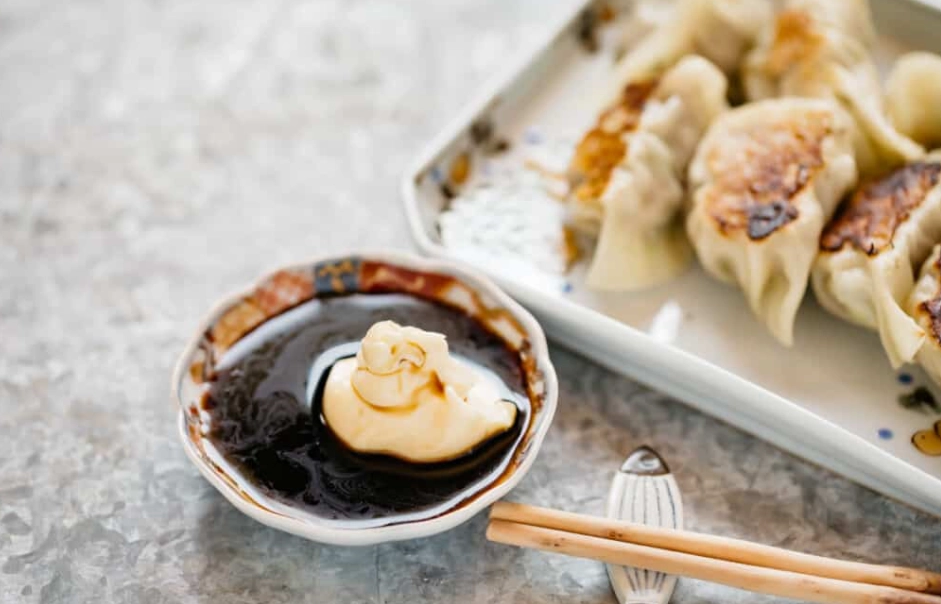
This confusion is incredibly common. Many home cooks, especially outside Japan, default to soy sauce because it's the most recognizable Asian condiment in their pantry. But authentic gyoza sauce, or gyoza no tare, is a balanced, purpose-built dipping sauce designed to complement the rich, savory, and sometimes garlicky notes of the dumpling without overpowering it.
What You'll Discover in This Guide
What Exactly is Gyoza Sauce?
Let's clear this up first. Gyoza sauce isn't a single, universally bottled product like ketchup. It's a dipping sauce formula. In restaurants and homes across Japan, it's typically mixed fresh at the table. The standard blueprint is a harmonious blend of three core ingredients:
- Soy Sauce: Provides the deep, savory umami and saltiness. Usually a regular koikuchi soy sauce.
- Rice Vinegar: Adds the crucial bright, clean acidity that cuts through the fattiness of the fried dumpling. This is non-negotiable for balance.
- Rayu (Chili Oil): Brings a gentle heat and fragrant sesame aroma. The amount is adjustable to taste.
Now, here's where many online recipes and even some pre-mixed bottles go wrong: they stop there. The classic trio is good, but the secret weapon is a touch of sweetness. This isn't just about sugar; it's about rounding out the sharp edges of the vinegar and soy. In many regions, a small dash of mirin (sweet rice wine) or a pinch of sugar is added. Some variations include a few drops of sesame oil for extra fragrance, or a fine mince of garlic or scallion directly in the sauce.
Think of it this way: Soy sauce is an ingredient. Gyoza sauce is a finished product designed for a specific food.
A Quick Analogy
Asking if gyoza sauce is the same as soy sauce is like asking if vinaigrette is the same as vinegar. Vinegar is a key part of vinaigrette, but you'd never drizzle plain vinegar on a salad. You need the oil, maybe some mustard, salt, and pepper to create a balanced dressing. Gyoza sauce is the "vinaigrette" for your dumplings.
Soy Sauce: The Salty Foundation
To understand why they're different, you need to know what soy sauce is on its own. It's a fermented paste of soybeans, wheat, salt, and water. The fermentation process, which can take months, develops complex umami flavors. The Japan Soy Sauce Information Center details several types, but the two you'll most commonly encounter are:
- Koikuchi (Dark Soy Sauce): The all-purpose, most common type. It's balanced between salty and umami, with a dark color. This is what's in 80% of bottles in a Japanese supermarket and is the usual base for gyoza sauce.
- Usukuchi (Light Soy Sauce): Ironically, it's saltier and lighter in color. It's used in cooking where you want seasoning without darkening the dish, like in clear soups or simmered vegetables. Not ideal for dipping.
Soy sauce's job is to season. It's potent, salty, and rich. Using it straight as a dip overwhelms delicate flavors. Your gyoza, which already has a seasoned filling, ends up tasting one-note: just salt.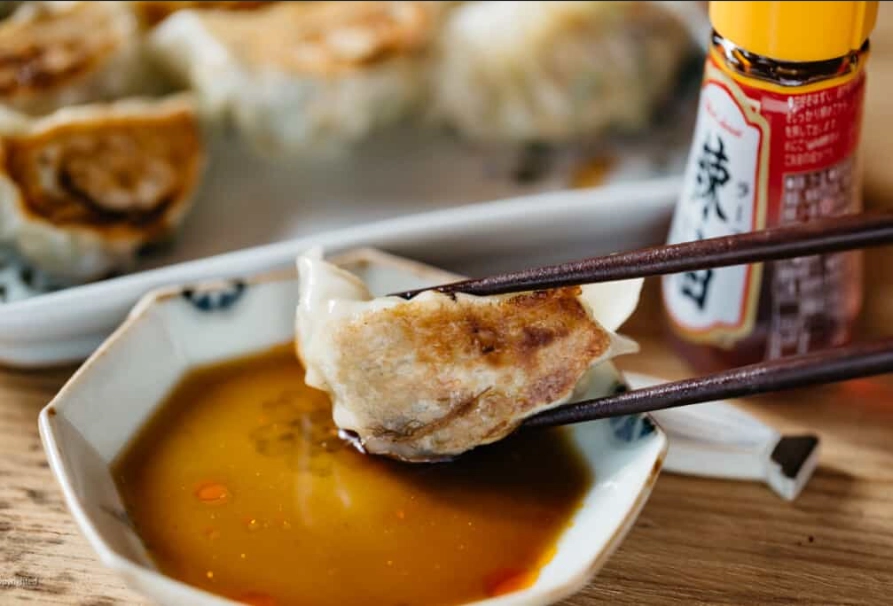
The Key Differences: A Side-by-Side Look
This table breaks down why confusing the two leads to a less enjoyable meal.
| Aspect | Soy Sauce (Straight) | Authentic Gyoza Sauce |
|---|---|---|
| Primary Flavor | Salty, intense umami, slightly fermented. | Balanced umami-sour-sweet-spicy, with rounded complexity. |
| Acidity | None to very low. | Pronounced, from rice vinegar. This is the key to cutting grease. |
| Sweetness | None (except in sweet soy variants like kecap manis). | Subtle but present, from mirin or sugar, to balance acidity. |
| Texture & Body | Thin, watery. | Slightly more viscous if mirin or sugar is used; can have flecks of chili or garlic. |
| Function | A seasoning ingredient for cooking. | A finished condiment designed specifically for dipping dumplings. |
| Result on Gyoza | Makes them taste overly salty, masking the filling's nuances. | Enhances and complements the filling, adding brightness and depth. |
The difference isn't subtle. It's the difference between a monologue and a conversation. Soy sauce shouts. A proper gyoza sauce allows the dumpling to speak, then adds insightful comments.
Can I Use Soy Sauce as a Substitute?
In a true pinch, with no other ingredients? Sure, you can. But you shouldn't if you care about flavor. It's a culinary compromise that significantly downgrades the experience.
If you have a minimally stocked pantry, here’s how to build a better stand-in, in order of preference: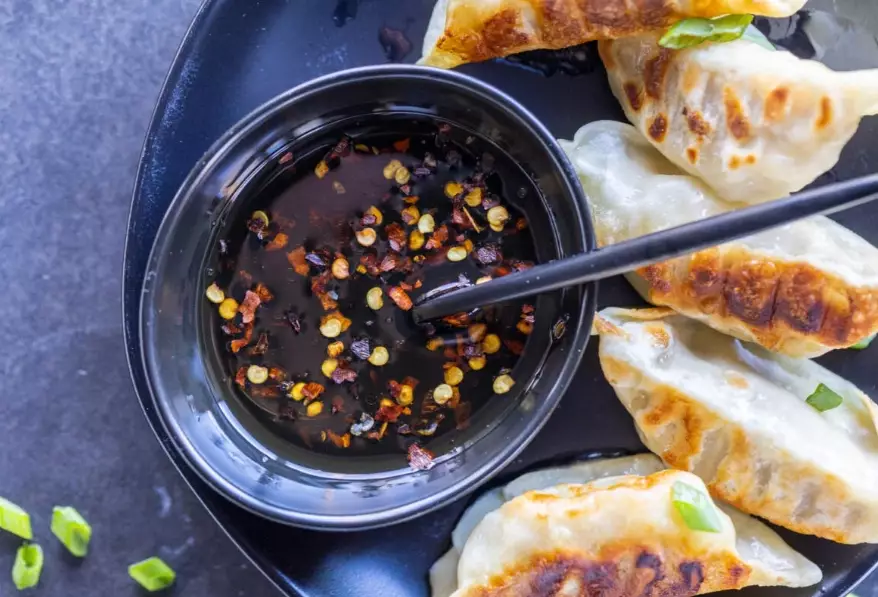
1. The "Emergency" Fix (You have only soy sauce)
Take your soy sauce and dilute it slightly with warm water (a 4:1 ratio of soy to water). This reduces the salt intensity. It's not great, but it's less aggressive than straight soy.
2. The "Halfway There" Fix (You have soy sauce and one other thing)
- With Vinegar (any clear vinegar like white wine or apple cider): Mix 3 parts soy sauce to 1 part vinegar. It will be missing sweetness but will have the vital acidity.
- With Sugar or Honey: Mix 3 parts soy sauce with a 1/4 part warm water or mirin that has a pinch of sugar or a few drops of honey dissolved in it. It will be missing acidity but less harsh.
3. The "Almost There" Fix (You have a few basics)
This is your best bet if you don't have rice vinegar or mirin. Combine: 3 tablespoons soy sauce, 1 tablespoon white wine vinegar, 1 teaspoon sugar (dissolved in a splash of hot water first), a few drops of sesame oil, and a pinch of red pepper flakes. Let it sit for 5 minutes. It's not traditional, but it hits all the balanced notes.
My personal rule? If I'm making the effort to cook gyoza from scratch or even heat up good frozen ones, I take the extra 90 seconds to make a proper sauce. The ROI on flavor is huge.
How to Make Real Gyoza Sauce at Home
Forget buying a pre-mixed bottle that often contains stabilizers and too much sugar. Making it yourself is trivial and infinitely better. Here's my go-to recipe, refined after one too many lackluster dumpling nights.
The Core Ratio (Serves 2-3):
- 2 tablespoons regular Japanese soy sauce (like Kikkoman)
- 1 tablespoon unseasoned rice vinegar
- 1 teaspoon mirin (or 1/2 teaspoon sugar dissolved in 1/2 teaspoon hot water)
- 1/2 teaspoon rayu (chili oil) – adjust to taste
- Optional: 1/4 teaspoon sesame oil, a tiny minced garlic clove, or finely sliced scallion greens
Method: Literally just stir everything in a small bowl. Let it sit for a few minutes if you've added garlic or scallion to let the flavors meld. Taste. Prefer it tangier? Add a few more drops of vinegar. Like it sweeter? A tiny pinch more sugar. This isn't baking; it's adjusting to your palate.
Pro Tip from a Gyoza-Lover's Mistake: Don't use balsamic, black vinegar, or Western-style distilled white vinegar as a direct substitute for rice vinegar unless you're experimenting. Rice vinegar has a mild, clean acidity. Black vinegar is too smoky and intense, and distilled white vinegar is too harsh. They'll throw the balance off completely. If you must substitute, white wine vinegar or apple cider vinegar are the closest in mildness.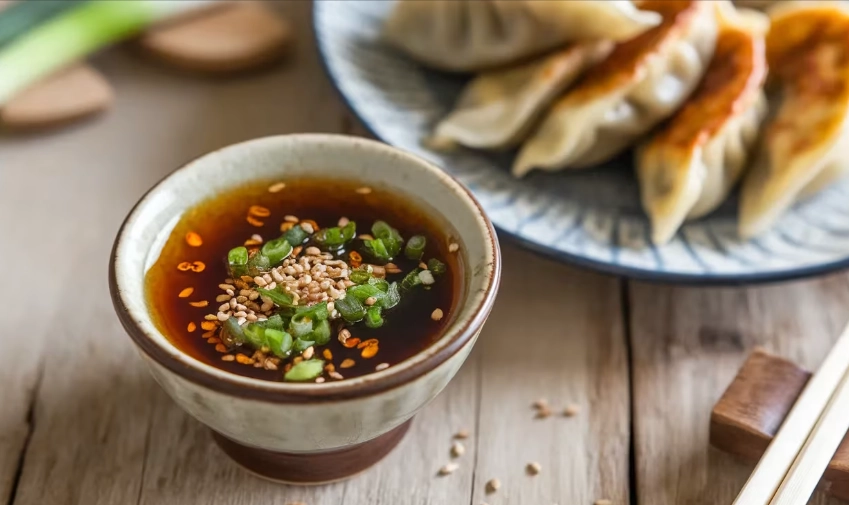
Your Gyoza Sauce Questions Answered
I bought a bottle labeled "Gyoza Sauce" from an Asian market. Is that the real deal?
It can be, but you need to check the ingredient list. Many commercial versions are essentially a sweetened, vinegared soy sauce, which is the right idea. However, they often use high-fructose corn syrup or preservatives. The flavor is usually more one-dimensional and sweeter than a fresh mix. I treat them as a convenient backup, not the gold standard. For reference, brands like Bull-Dog or Yamasan are common. They're okay, but my homemade mix always wins in a blind taste test with friends.
Can I use ponzu sauce instead of gyoza sauce?
You're getting warmer! Ponzu (a citrus-soy sauce) is closer in spirit than plain soy because it already contains the acidity from yuzu or other citrus. It's thinner and more citrus-forward than a gyoza sauce, which is richer and often spicier. If you use ponzu, consider adding a drop of sesame oil or chili oil to give it more body and warmth. It's a decent substitute in a bind, especially for steamed gyoza.
Why does my homemade gyoza sauce taste too harsh or flat?
The most likely culprit is the vinegar-to-soy ratio or missing sweetness. If it's too sharp and salty, you've likely used too much soy or a very strong vinegar. Dial back the soy by a teaspoon and add a tiny bit more mirin or sugar. If it tastes flat, it's missing acidity or umami. Add a few drops of rice vinegar first. Still flat? A tiny pinch of MSG (a pure umami powder) or a drop of fish sauce can work wonders to deepen the savory note without making it taste fishy. Balancing these elements is key.
Is there a difference between sauce for fried (yaki) gyoza and steamed (sui) gyoza?
Not really in the base components, but you might adjust the intensity. For rich, oily fried gyoza, I might lean slightly heavier on the vinegar to cut through the fat. For delicate steamed gyoza, I might use a touch less chili oil so as not to overwhelm the cleaner flavors. But the core formula remains the same. Some regions in Japan have specific preferences, but for home cooking, one versatile sauce works perfectly.
What else can I use this gyoza sauce on?
It's a fantastic all-purpose Asian dipping sauce. Try it with:
- Spring rolls or egg rolls
- Shumai (steamed pork dumplings)
- As a dressing for cold noodle salads (thin it with a little more mirin or a neutral oil)
- Drizzled over cold tofu (hiyayakko)
- As a marinade base for chicken or tofu (add some grated ginger)
Once you have the balanced formula down, it becomes a kitchen staple beyond dumplings.
So, the next time you have gyoza, resist the solitary soy sauce bottle. Spend two minutes mixing. That combination of savory, tangy, sweet, and spicy isn't just a sauce—it's the essential final ingredient that transforms good dumplings into a great meal. Your taste buds will know the difference immediately.
Reader Comments