Think about the last time you had really good gyoza, or a perfect piece of tempura. What made it memorable? Often, it's not just the food itself, but the Japanese dipping sauce that comes with it. That little bowl of liquid is where the magic happens—it adds brightness, depth, and that elusive fifth taste, umami. It’s the difference between eating and experiencing a dish.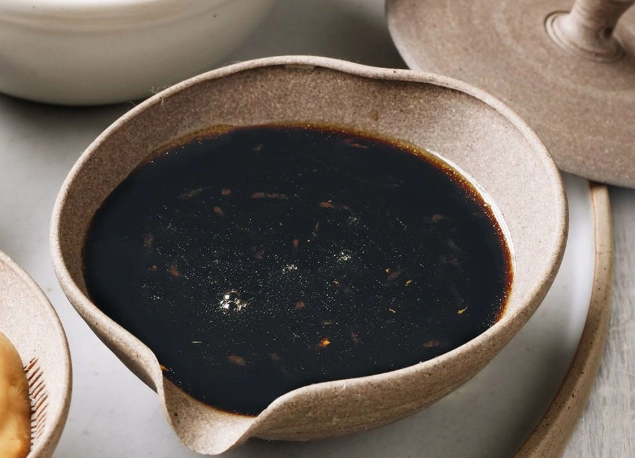
I remember my first trip to a proper izakaya in Tokyo. I ordered yakitori, and it came with a small, unassuming dish of dark sauce. One dip changed everything. The chicken was good, but the sauce made it phenomenal. It was savory, slightly sweet, with a complex depth I couldn't place. That moment sparked a years-long obsession with understanding and recreating these essential condiments.
Most guides will just list recipes. I want to show you how to think about these sauces, how to choose them, and more importantly, how to avoid the common pitfalls that leave homemade versions tasting flat or one-dimensional.
What's Inside This Guide
- What Exactly Is a Japanese Dipping Sauce?
- The 3 Main Types of Japanese Dipping Sauces
- How to Choose the Right Sauce (A Simple Decision Guide)
- What Makes a Good Dipping Sauce? (The Expert Checklist)
- How to Use Japanese Dipping Sauces: Beyond the Obvious
- How to Make Japanese Dipping Sauce at Home: 2 Foolproof Recipes
- 3 Common Mistakes Everyone Makes (And How to Fix Them)
- Your Questions, Answered
What Exactly Is a Japanese Dipping Sauce?
Let's clear something up first. In Japanese cuisine, a "dipping sauce" isn't just a single thing. It's a category. Unlike, say, ketchup, which is a specific product, the term refers to any liquid or semi-liquid condiment designed specifically for dipping food into, either before or during eating.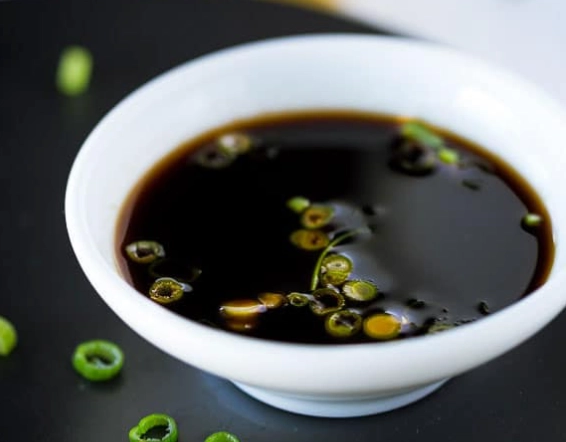
The core philosophy is enhancement, not smothering. The sauce should complement the main ingredient's flavor, not mask it. It adds moisture, saltiness, acidity, or sweetness to create a more complete taste experience in a single bite. The base ingredients are often simple: soy sauce, mirin, rice vinegar, dashi, citrus, sesame. The magic is in the ratios and the quality of those components.
The 3 Main Types of Japanese Dipping Sauces
You can break them down by their dominant flavor profile. Knowing this helps you pair them correctly.
1. The Citrusy & Bright: Ponzu
Ponzu sauce is the ultimate all-rounder. It's a blend of citrus juice (usually yuzu, sometimes sudachi or lemon), rice vinegar, mirin, and soy sauce, often with a hint of kombu (kelp) and katsuobushi (bonito flakes) for umami. It's tart, savory, and incredibly refreshing.
Where you've seen it: Served with shabu-shabu, tataki (seared beef or fish), or as a dressing for cold tofu.
The insider tip: Most store-bought ponzu is heavy on soy sauce and citric acid. The real trick is using fresh yuzu juice if you can find it, or a mix of fresh lemon and lime juice. The difference is night and day—store-bought tastes manufactured, homemade tastes alive.
2. The Savory & Rich: Tsuyu (Mentsuyu)
This is the workhorse. Tsuyu sauce, also called mentsuyu, is a concentrated blend of soy sauce, mirin, sake, and dashi. It's deeply savory, slightly sweet, and packed with umami. It comes concentrated; you dilute it with water.
Where you've seen it: This is the dipping sauce for cold soba and udon noodles. It's also the base for many noodle soup broths.
The insider tip: The quality of the dashi makes or breaks tsuyu. Using a cheap, powdered dashi will give you a flat, overly salty sauce. Steeping your own kombu and katsuobushi, even just once, creates a profound depth. Also, never boil tsuyu after adding soy sauce—it makes the flavor harsh.
3. The Nutty & Creamy: Goma Dare (Sesame Sauce)
A creamy, nutty, and slightly sweet sauce made from ground toasted sesame seeds (or tahini), soy sauce, sugar, vinegar, and dashi. It has a rich, comforting texture.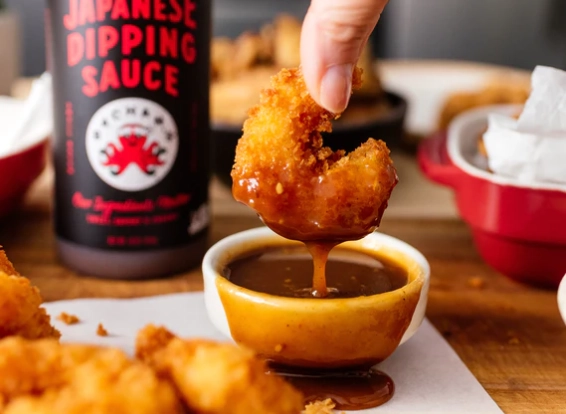
Where you've seen it: The classic partner for gyoza (potstickers), and also used for salads or as a dip for raw vegetables.
The insider tip: Toasting your own sesame seeds and grinding them just before making the sauce releases volatile oils that pre-ground paste loses. It smells incredible and tastes infinitely better. Don't skip this step if you're going for authentic flavor.
Quick Reference: Can't remember which sauce is for what? Here's a cheat sheet.
| Sauce Type | Key Flavor | Best Paired With | Store-Bought Brand to Try* |
|---|---|---|---|
| Ponzu | Citrusy, tart, light | Shabu-shabu, seared fish, salads | Mizkan |
| Tsuyu | Savory, umami-rich, brothy | Soba noodles, udon noodles, tempura (diluted) | Kikkoman |
| Goma Dare | Nutty, creamy, slightly sweet | Gyoza, grilled meats, vegetable crudités | Eden Foods |
*These are widely available in international aisles or online. I'm not affiliated, just find them reliable.
How to Choose the Right Sauce (A Simple Decision Guide)
Staring at the shelf in an Asian market? Ask yourself these questions:
- What am I eating? Light proteins (fish, tofu) or veggies? Go ponzu. Noodles? Go tsuyu. Something rich or fried (gyoza, chicken)? Go goma dare.
- What's the texture? Delicate food can handle a thin, acidic ponzu. Heavier, crispier food benefits from a thicker, creamier goma dare to cling to it.
- What's the cooking method? Grilled or steamed dishes often need the brightness of ponzu. Boiled or cold dishes pair well with the savory depth of tsuyu.
When in doubt, ponzu is the safest bet for its versatility.
What Makes a Good Dipping Sauce? (The Expert Checklist)
After making hundreds of batches, here’s what I look for. A great sauce needs:
- Balance: No single element (salty, sweet, sour, umami) should dominate. They should play together.
- Clarity of Flavor: You should be able to identify the key components. In good ponzu, you taste the citrus and the soy separately before they merge.
- Appropriate Viscosity: It should coat the food lightly, not run off like water or glob on like mayo. Tsuyu for noodles is thinner; goma dare is thicker.
- Freshness: Especially for citrus-based sauces. They degrade. Homemade ponzu lasts a week in the fridge, not a month.
The biggest mistake I see? People use low-sodium soy sauce thinking it's healthier. It throws the entire balance off, requiring more salt or soy sauce anyway, and you lose the foundational umami. Use a good quality, naturally brewed soy sauce (like Yamasa or Kikkoman) as your base.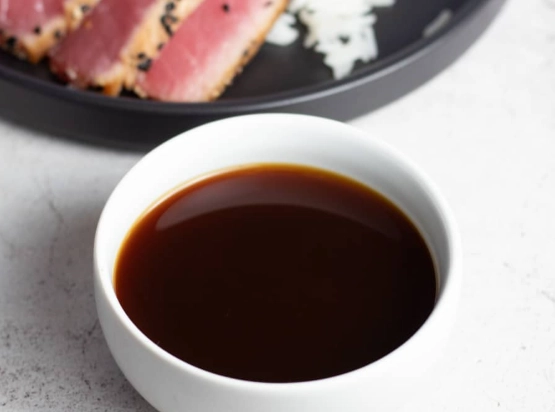
How to Use Japanese Dipping Sauces: Beyond the Obvious
Sure, you dip gyoza in goma dare. But let's get creative.
Ponzu is a killer marinade for chicken or fish (30 minutes max, or the acid cooks the protein). Drizzle it over avocado toast. Use it as a salad dressing base. Add a splash to sparkling water for a savory drink.
Tsuyu, diluted, makes an instant soup base. Use it to flavor rice while cooking. Add a tablespoon to stir-fries instead of plain soy sauce for more complexity.
Goma Dare thinned out with a little water or rice vinegar makes a great pasta sauce. Use it as a spread in sandwiches instead of mayo. Toss roasted potatoes in it.
Experiment. The worst that happens is you don't like a combination.
How to Make Japanese Dipping Sauce at Home: 2 Foolproof Recipes
Store-bought is convenient, but homemade lets you control the flavor. Here are two staples you can make in 10 minutes.
All-Purpose Yuzu Ponzu (The Fresh One)
You'll need: 1/2 cup fresh yuzu juice (or 1/3 cup lemon juice + 2 tbsp lime juice), 1/2 cup good soy sauce, 1/4 cup mirin, 1/4 cup rice vinegar, a 2-inch piece of kombu, a small handful of katsuobushi (bonito flakes).
Do this: Combine everything in a jar. Stir. Let it sit in the fridge for at least 24 hours. The kombu and katsuobushi will infuse gently. Strain out the solids. That's it. It keeps for a week. The flavor is brighter and more nuanced than anything from a bottle.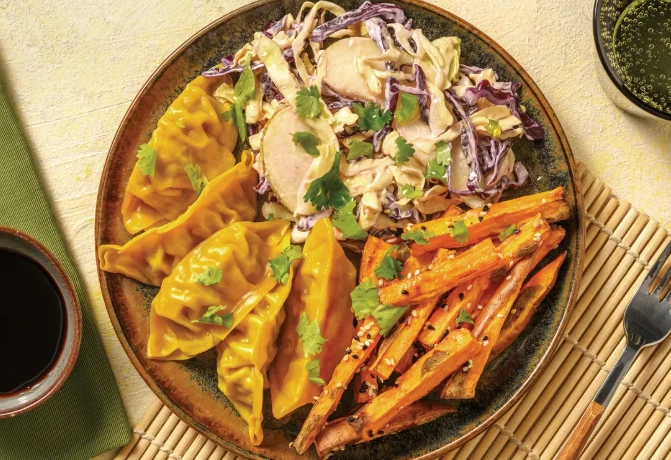
Simple, Rich Goma Dare (The Comforting One)
You'll need: 1/2 cup well-stirred tahini (or 3/4 cup toasted sesame seeds, ground), 3 tbsp soy sauce, 2 tbsp rice vinegar, 1 tbsp mirin, 1 tbsp sugar, 1/4 cup dashi (or water).
Do this: Whisk the tahini, soy sauce, vinegar, mirin, and sugar in a bowl until smooth. It will seize up and look lumpy—don't panic. Gradually whisk in the dashi until it becomes a smooth, creamy, pourable sauce. Taste. Want it sweeter? Add a pinch more sugar. Thinner? More dashi. This is your canvas.
3 Common Mistakes Everyone Makes (And How to Fix Them)
- Using "Light" or "Low-Sodium" Soy Sauce as the Base. As mentioned, this wrecks the salt-umami balance. Fix: Use regular soy sauce and simply use less if you're sodium-conscious.
- Over-complicating Ponzu. Adding garlic, ginger, or chili to ponzu right away muddles its clean profile. Fix: Make the classic base first. Serve it, then offer add-ins (grated ginger, chili threads) on the side for people to customize.
- Not Diluting Concentrated Tsuyu. Pouring straight mentsuyu concentrate over noodles is a salt bomb. Fix: Follow the dilution ratio on the bottle (usually 1 part tsuyu to 2-3 parts water). For dipping, a 1:1 ratio is common.
Your Questions, Answered
The world of Japanese dipping sauces is deep, but it doesn't have to be complicated. Start with one. Make a batch of ponzu this weekend. Taste the difference fresh ingredients make. Once you get the balance right, you'll find yourself reaching for these sauces more than any other condiment in your fridge. They have a way of making simple food feel special, and that's a skill worth having in your kitchen.
Reader Comments