Let's be honest. Most of us have committed the cardinal sin of gyoza enjoyment: dunking a perfectly pan-fried dumpling straight into a bowl of pure, unadulterated soy sauce. The result? A mouthful of salt that obliterates the delicate balance of pork, cabbage, and garlic inside. The right gyoza soy sauce—or more accurately, gyoza dipping sauce—isn't an afterthought. It's a co-star. It should enhance, complement, and cut through the richness, creating a symphony of umami, tang, and aroma with every bite. This guide is for anyone who's tired of one-note dipping and wants to unlock the full potential of their gyoza, whether from a frozen pack or a specialty restaurant.
Your Quick Guide to Gyoza Sauce Mastery
What Makes a Great Gyoza Dipping Sauce?
Think of it as a balancing act on your taste buds. A great sauce needs to hit five key notes, not just salty.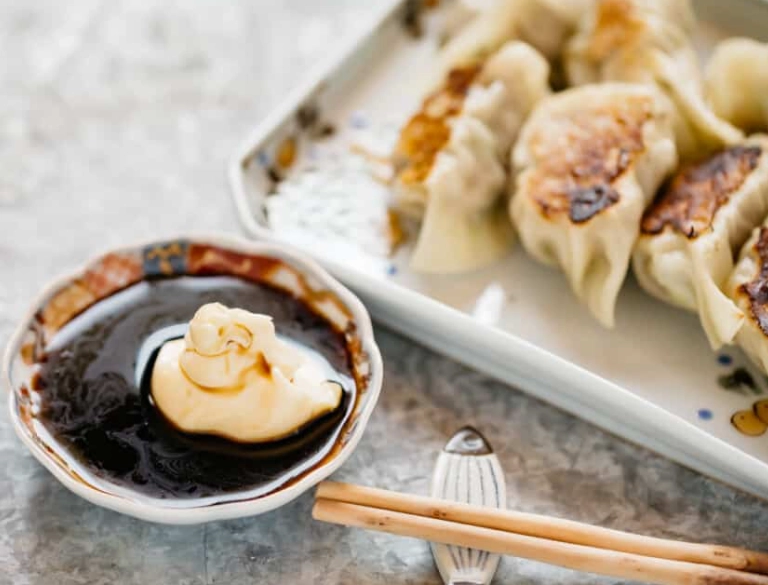
The 5-Element Framework: Every good gyoza sauce balances Salty (soy sauce), Sour (rice vinegar), Sweet (mirin/sugar), Umami (from all of the above, plus potential additions), and Aroma (sesame oil, chili, garlic). Miss one, and the experience feels flat.
The base is almost always soy sauce. But which one? This is where most home cooks plateau. Using a dark, robust Chinese soy sauce will give you a completely different, heavier result than a lighter, more delicate Japanese shoyu (like Kikkoman). For a classic Japanese gyoza taste, a good all-purpose Japanese soy sauce is your starting block. Tamari is a fantastic gluten-free alternative that's often richer and less harsh.
Rice vinegar brings the essential acidity. It's milder than white or apple cider vinegar. The sweet element is crucial—it rounds out the sharp edges. Pure sugar works, but mirin (sweet rice wine) adds a complex, gentle sweetness and gloss. Finally, aroma carriers like a few drops of roasted sesame oil or a sprinkle of rayu (chili oil) transform the sauce from a liquid into an experience.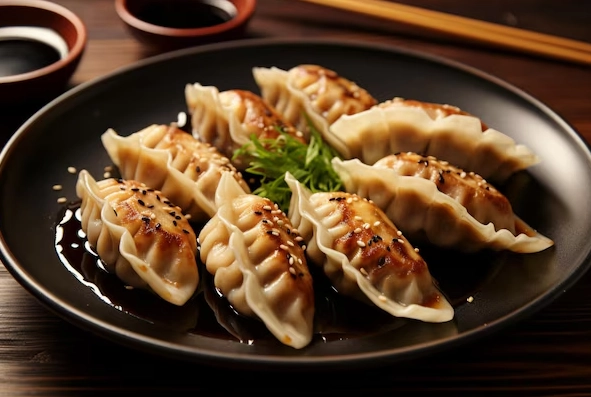
Three Core Gyoza Sauce Recipes You Must Try
Forget searching for a single "best" recipe. The best one depends on your gyoza and your mood. Here are three tiers, from weekday easy to show-stopping.
The 60-Second Classic
This is my go-to, the one I make without thinking. It's reliable and perfectly balanced. The ratios are more important than precise measurements: a 2:1:1 foundation.
- 3 tablespoons Japanese soy sauce
- 1.5 tablespoons rice vinegar
- 1.5 tablespoons mirin (or 1 tsp sugar dissolved in 1 tbsp warm water)
- 5-10 drops roasted sesame oil (seriously, don't overdo it)
- Optional: A pinch of grated ginger or a tiny bit of minced garlic.
Stir. Done. It's that simple. This works for 90% of all gyoza.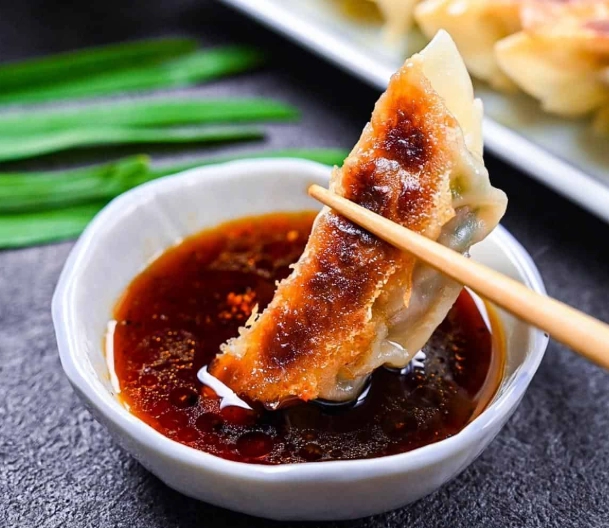
The Ponzu Twist
When you want something brighter, more citrusy, and less heavy, this is it. Ponzu is a citrus-based soy sauce, and it's a game-changer for lighter fillings like chicken or shrimp gyoza.
- 2 tablespoons ponzu sauce (store-bought is fine; look for Yuzu Ponzu)
- 1 tablespoon rice vinegar
- 1 tablespoon dashi stock or water
- 1/2 teaspoon grated daikon radish (this adds a amazing clean, sharp note)
- Thinly sliced green onion for topping.
Mix the liquids, stir in the daikon. The daikon is the secret—it makes the sauce feel alive and cuts through grease brilliantly.
The Savoury Umami Bomb
For meat-heavy, garlicky gyoza, you need a sauce that can stand up to it. This one uses double umami layers.
- 2 tablespoons Japanese soy sauce
- 1 tablespoon rice vinegar
- 1 tablespoon sake or dry sherry
- 1/2 teaspoon miso paste (red or white, whisk it in well)
- 1 small clove garlic, microplaned or crushed into a paste
- 1/4 teaspoon rayu (Japanese chili oil) or a pinch of chili flakes.
Whisk the miso with the sake first to dissolve it, then add the rest. Let it sit for 5 minutes to let the garlic infuse. This is a powerful, restaurant-level sauce.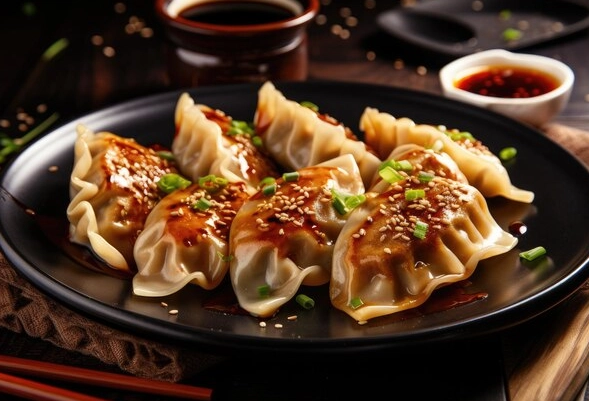
How to Pair Sauce with Different Gyoza Types
Not all dumplings are created equal. Your dipping sauce shouldn't be either. Here’s a quick pairing guide.
| Gyoza Type / Filling | Recommended Sauce Style | Why It Works |
|---|---|---|
| Classic Pork & Cabbage | The 60-Second Classic or Umami Bomb | The rich pork needs the balanced acidity and sweetness to cut through the fat. The Umami Bomb matches its intensity. |
| Chicken or Turkey Gyoza | The Ponzu Twist or a lighter classic with extra ginger | Lighter meat benefits from brighter, citrusy notes. Ginger complements poultry beautifully. |
| Vegetable (Vegan) Gyoza | Ponzu Twist or a sauce with a dash of sesame oil & chili | Vegetable fillings can be subtle. Ponzu adds punch without overpowering. Sesame and chili add needed richness and kick. |
| Very Garlicky or Spicy Gyoza | A simpler, slightly sweeter classic sauce (reduce vinegar, up the mirin) | If the dumpling itself is already bold, you don't want the sauce to compete. A sweeter, simpler sauce acts as a cooling, complementary foil. |
| Frozen Supermarket Gyoza | The 60-Second Classic or Elevated Store-Bought (see below) | These often need flavor help. A robust, well-balanced sauce is essential to elevate the entire experience. |
Common Mistakes to Avoid with Your Dipping Sauce
I've seen these errors repeated in countless home kitchens. Avoiding them instantly puts you in the top tier of gyoza servers.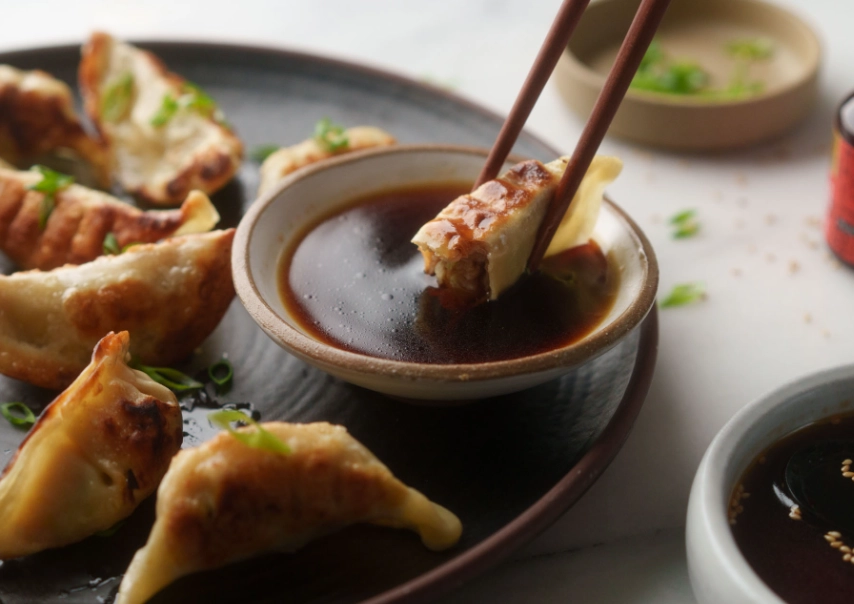
The Big One: Using 100% Soy Sauce. This is the fastest way to ruin gyoza. It's unbearably salty and overpowers every other flavor. The sauce should be a companion, not a brine.
Overdoing the Sesame Oil. Sesame oil is a seasoning, not a base. More than a few drops and it tastes like you're drinking the oil. It should whisper, not shout.
Using Harsh Vinegar. White vinegar or balsamic will clash violently. The mild, slightly sweet acidity of rice vinegar is non-negotiable for the authentic profile.
Not Letting it Mingle. If you add fresh garlic or ginger, give the sauce 5-10 minutes to sit. The flavors marry and soften, becoming more cohesive. Making it right before serving is fine, but making it 10 minutes before is better.
Serving it Ice Cold. Don't pull your soy sauce from the fridge and immediately serve. The cold mutes the flavors. Let the components sit at room temperature for a bit before mixing.
Elevating a Store-Bought Sauce in 60 Seconds
You're in a pinch. You have a bottle of generic "gyoza sauce" or "dumpling sauce." Don't just pour it. Doctor it. Here’s how.
Take 3 tablespoons of the store-bought sauce. Add:
- A squeeze of fresh lime or lemon juice (about 1 tsp) for brightness.
- A few drops of roasted sesame oil.
- A small pinch of sugar if the sauce tastes too sharp or salty.
- A sprinkle of toasted white sesame seeds for texture.
Stir. You've just added layers of freshness, aroma, and complexity that the mass-produced product lacked. It's the difference between wearing a plain t-shirt and one with a great jacket.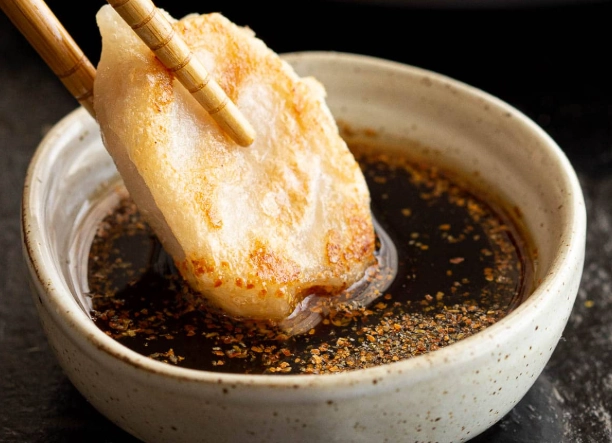
Your Gyoza Sauce Questions Answered
Can I make a good gyoza dipping sauce without mirin?
How long can I store homemade gyoza sauce in the fridge?
My sauce always tastes too sharp or vinegary. What did I do wrong?
Is there a significant difference between using Chinese light soy sauce vs. Japanese soy sauce (shoyu)?
What's the best way to serve the sauce for a party?
Reader Comments