Quick Navigation
- What Is Eel Sauce, Really? Breaking Down the Basics
- How to Make Eel Sauce at Home: Three Foolproof Recipes
- Unagi Sauce vs. Eel Sauce: Is There a Difference?
- Way Beyond Eel: How to Use This Sauce (The Fun Part)
- Buying the Best Bottled Eel Sauce: A Shopper's Guide
- Nutrition & Health: Is Eel Sauce Good For You?
- Storing Your Eel Sauce: Making It Last
- Frequently Asked Questions (The Stuff You Actually Want to Know)
- Final Thoughts: Your New Kitchen Staple
Okay, let's talk about eel sauce. If you've ever had unagi don (that beautiful bowl of grilled eel over rice) or a fancy sushi roll drizzled with something dark and glossy, you've met this stuff. It's that magical, sticky, sweet-and-savory glaze that makes everything taste about ten times better. But here's the thing—most people just call it "eel sauce" and leave it at that. What is it really? Can you make it at home? Is it healthy? And why on earth would you only use it on eel?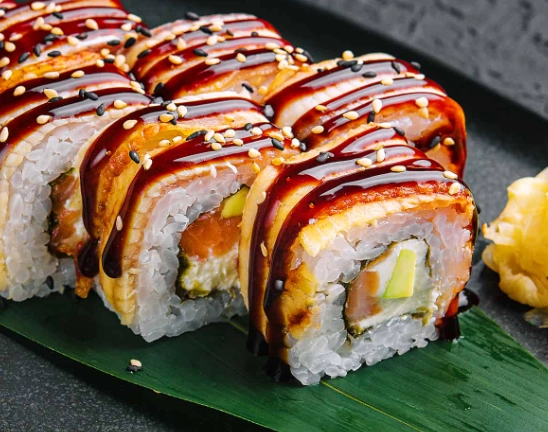
I used to be one of those people. I'd buy a bottle, use a teaspoon, and then watch it slowly fossilize in the back of my fridge. Total waste. Then I started digging, experimenting, and honestly, messing up a few batches in my own kitchen. Let me tell you, it's a game-changer. This isn't just a niche condiment; it's a secret weapon for your home cooking.
What Is Eel Sauce, Really? Breaking Down the Basics
First off, the name is a bit misleading. It doesn't contain eel. I've had friends ask me that with a worried look, and it's a fair question! No eel juice in there. The name simply comes from its most famous application: as a glaze for grilled freshwater eel (unagi). In Japanese, it's properly called unagi no tare or nitsume. Tare means "dipping sauce" or "glaze," and nitsume refers to a reduced, syrup-like sauce.
Think of it as the Japanese cousin to teriyaki sauce. They're in the same family—both are sweet, soy-based glazes—but eel sauce has a distinct personality. It's usually thicker, richer, and has a deeper, more complex umami flavor, often from a longer reduction or the inclusion of dashi (fish stock) or eel bone stock in traditional versions.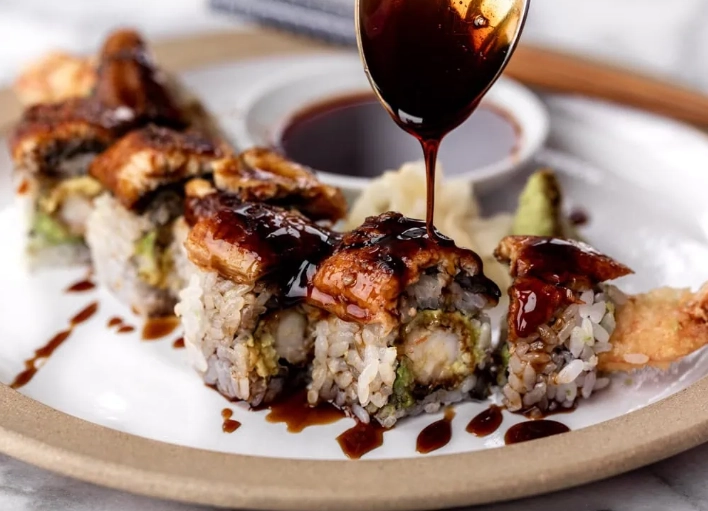
So, what's the flavor profile? Imagine the salty depth of good soy sauce, the gentle sweetness of mirin (a sweet rice wine), and the rounded body of sugar, all cooked down until it becomes a glossy, coating syrup. It hits all the notes: salty, sweet, savory (umami), with a slight tang. It's incredibly moreish.
The Core Ingredients: It's All About the Trinity
At its heart, a classic eel sauce is built on three pillars. You can find variations, but these are non-negotiable for the authentic taste.
- Soy Sauce: This is the backbone, providing saltiness and deep umami. Using a good-quality Japanese soy sauce (koikuchi shoyu) makes a noticeable difference compared to a generic brand. The fermentation complexity comes through.
- Mirin: This is the sweetener and flavor enhancer. Real mirin (hon mirin) is a fermented product with about 14% alcohol and a subtle sweetness. It's not just sugar water; it adds a distinct aroma and a glossy finish to sauces. If you only have "mirin-like" seasoning (which is often just corn syrup and flavor), your sauce might taste a bit one-dimensional.
- Sugar: Usually granulated white sugar. This isn't just for sweetness; it's crucial for creating that thick, glossy, lacquered texture when reduced. Some recipes use sake (Japanese rice wine) as a fourth ingredient, which adds another layer of complexity and helps balance the sweetness.
Now, here's where it gets interesting. In restaurant kitchens or for a truly deep flavor, chefs often add a dashi base. This could be a simple kombu (kelp) and katsuobushi (bonito flakes) dashi, or even a stock made from simmering eel bones. This step pushes the sauce from "great" to "unforgettable" by injecting a profound savory layer. For the home cook, a pinch of dashi powder can work wonders as a shortcut.
How to Make Eel Sauce at Home: Three Foolproof Recipes
Making your own eel sauce is stupidly easy. It takes one pot and about 15-30 minutes of mostly passive time. The benefit? You control the sweetness, the saltiness, and the quality of ingredients. No weird preservatives, no high-fructose corn syrup hiding in there. Plus, your kitchen will smell amazing.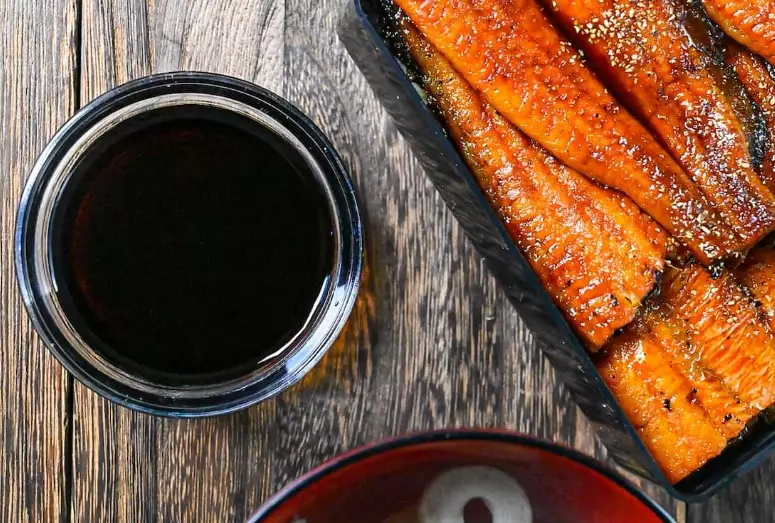
I've tried maybe a dozen recipes over the years. Some were too sweet, some too thin. Below are three versions I've landed on, from the most authentic to the quickest hack. Choose your own adventure.
The Classic, From-Scratch Eel Sauce Recipe
This is the gold standard. It requires a few more ingredients but delivers a restaurant-quality depth. You'll need:
- 1 cup Japanese soy sauce
- 1 cup mirin (hon mirin if possible)
- 1 cup granulated sugar
- 1/2 cup sake (optional, but recommended)
- 1 piece of kombu (about 2x2 inches), wiped clean (optional)
- A handful of katsuobushi (bonito flakes) – about 1/4 cup (optional)
Method: Combine everything in a medium saucepan. If using kombu and katsuobushi, add them now. Bring the mixture to a gentle simmer over medium heat. Do not boil vigorously. Once simmering, reduce the heat to low. Let it bubble very gently for 25-40 minutes. You're looking for it to reduce by about one-third to one-half. It should coat the back of a spoon thickly. If you used kombu and katsuobushi, fish them out with a strainer about halfway through the simmering time (they can turn bitter if left too long). Let the sauce cool—it will thicken further as it cools. Store in a clean jar in the fridge. It keeps for months.
The Quick & Easy 10-Minute Eel Sauce Hack
Don't have time or all the ingredients? This is my weeknight savior. The flavor is simpler but still hits all the right notes.
- 1/2 cup soy sauce
- 1/2 cup mirin (or 1/4 cup white wine + 2 tbsp sugar if you're in a real pinch)
- 1/3 cup packed brown sugar (the molasses adds depth)
- 1 teaspoon cornstarch mixed with 1 tablespoon water (slurry)
Method: Combine the soy sauce, mirin, and brown sugar in a small pot. Heat over medium, stirring until the sugar dissolves. Once it comes to a simmer, give the cornstarch slurry a quick stir and whisk it into the sauce. Cook for another 1-2 minutes until it thickens and turns glossy. Remove from heat. The cornstarch gives you that thick texture without a long reduction. It's not *quite* as complex, but for drizzling over a weeknight salmon fillet or bowl of rice? Perfect.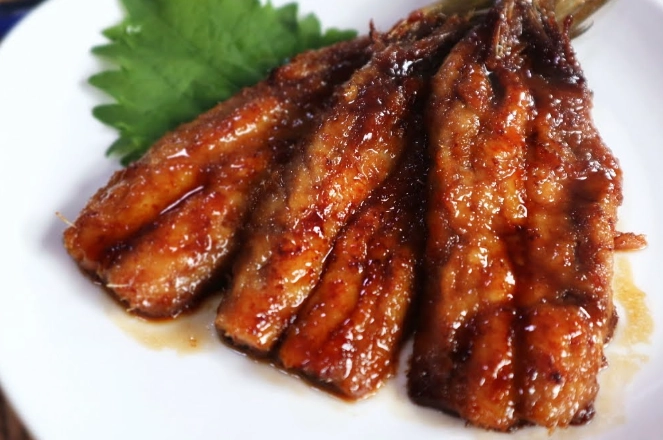
The Vegan/Vegetarian-Friendly Version
Traditional eel sauce is usually vegan by default (remember, no eel!), but some premium or restaurant versions might use fish-based dashi. This version guarantees a plant-based, deeply savory result.
- 1 cup soy sauce (or tamari for gluten-free)
- 1 cup mirin
- 3/4 cup coconut sugar or white sugar
- 1 cup strong vegan dashi (made by soaking a piece of kombu and a few dried shiitake mushrooms in hot water)
Method: Combine all ingredients. Simmer gently for 30-40 minutes until reduced and syrupy. The shiitake-kombu dashi gives an incredible umami punch that rivals any fish-based stock.
Let's compare these recipes side-by-side, so you can pick what's right for you.
| Recipe Version | Key Ingredients | Active Time | Flavor Profile | Best For |
|---|---|---|---|---|
| Classic | Soy sauce, mirin, sugar, sake, kombu, katsuobushi | 40-50 mins | Deep, complex, authentic umami | Special meals, purists, impressing guests |
| Quick Hack | Soy sauce, mirin, brown sugar, cornstarch | 10 mins | Sweet, savory, straightforward | Weeknight dinners, quick glazes, beginners |
| Vegan | Soy sauce, mirin, sugar, vegan dashi (kombu/shiitake) | 40-50 mins | Rich, earthy umami, no animal products | Plant-based diets, gluten-free (with tamari) |
Unagi Sauce vs. Eel Sauce: Is There a Difference?
This is a common point of confusion. In short: They are the same thing. Unagi is the Japanese word for freshwater eel. Unagi no tare literally translates to "sauce for eel." In Western supermarkets and sushi restaurants, it's almost universally called "eel sauce."
However, you might sometimes see "unagi sauce" on a bottle, implying it's a more authentic or specific product. In practice, the terms are used interchangeably. Don't get hung up on it. If you're looking at a bottle and it has Japanese characters, 鰻のたれ (unagi no tare) is what you want.
There's a related term: kabayaki sauce. Kabayaki refers to the specific style of splitting, skewering, and grilling eel. The sauce used for that preparation is essentially our eel sauce. So, you might find a bottle labeled "Kabayaki Sauce." It's in the same family, often slightly thicker and sweeter, designed specifically to cling to grilled eel. For all intents and purposes at home, you can use them the same way.
Way Beyond Eel: How to Use This Sauce (The Fun Part)
This is where most guides stop short. They tell you to put it on eel. Groundbreaking. But confining eel sauce to just one protein is like only using ketchup for fries. Here’s a list of things I’ve tried it on, with some surprising winners.
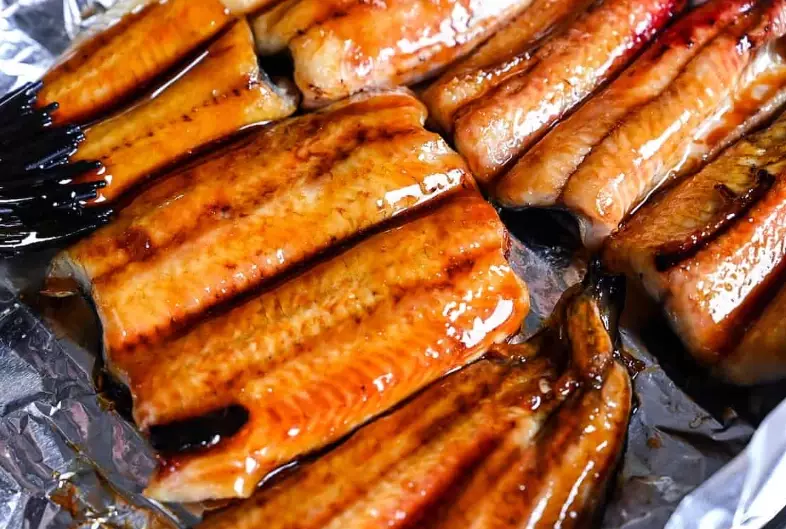
- The Obvious: Grilled or broiled unagi (of course). Brush it on in the last few minutes of cooking to create that signature lacquer.
- Grilled & Broiled Proteins: Salmon is a no-brainer—it's fantastic. But try it on chicken thighs, pork chops, or even firm tofu. The sugar caramelizes under high heat, creating a delicious crust.
- As a Dipping Sauce: This might be its best use. A small dish of eel sauce for sushi (especially simple nigiri like egg or cucumber), sashimi, gyoza (potstickers), or tempura shrimp. It's less overpowering than straight soy sauce.
- In Rice Bowls (Donburi): Drizzle it over a bowl of warm rice with a fried egg, some avocado, and sesame seeds. Instant, delicious meal.
- As a Salad Dressing Base: Thin it out with a little rice vinegar and sesame oil. It makes an incredible dressing for cucumber salad, seaweed salad, or a simple green salad.
- Stir-fry Finisher: Add a tablespoon or two at the very end of cooking a vegetable or noodle stir-fry. It adds a gorgeous glaze and flavor depth.
- Burger or Sandwich Glaze: Mix a little with mayo for an umami-packed spread, or brush it on a portobello mushroom burger.
- With Eggs: Drizzle a tiny bit over a plain omelet or tamagoyaki (Japanese rolled omelet). Trust me on this one.
My personal favorite hack? I mix a spoonful of eel sauce into my ground beef or pork when making meatballs or burgers. It adds moisture and a subtle sweet-savory note that people can't quite place. It's my secret ingredient.
Buying the Best Bottled Eel Sauce: A Shopper's Guide
Not everyone wants to make their own, and that's fine. The store-bought market is a mixed bag, though. Here’s what to look for, based on my own (sometimes disappointing) trials.
First, check the aisle. You'll usually find it in one of three places: the Asian/international foods section, the condiment aisle near the soy sauce, or in a dedicated Japanese grocery store. The latter will have the best selection.
Here’s a quick rundown of some common brands and what to expect. I've ranked these based on flavor, ingredient quality, and versatility.
| Brand (Common Examples) | Type | Notable Characteristics | Price Range | My Rating |
|---|---|---|---|---|
| Otafuku / Bull-Dog (Unagi no Tare) | Mass-market Japanese | Widely available, balanced flavor, good consistency. A very reliable, no-surprises choice. Ingredients are decent. | $ | 8/10 (Great daily driver) |
| Kikkoman (Unagi Tare) | Mass-market Japanese | Easy to find. Tends to be a bit sweeter and thinner than Otafuku. Good for beginners or if it's the only option. | $ | 6.5/10 (Perfectly serviceable) |
| Yamasa (Unagi Tare) | Mass-market Japanese | Another solid choice. Often has a slightly more pronounced soy sauce flavor. Good, classic profile. | $ | 7/10 (Very good) |
| House Foods (Unagi Sauce) | Mass-market Japanese | Less common but good. Can sometimes be found in larger supermarkets. | $ | 7/10 |
| Smaller Artisanal Brands (e.g., from a Japanese grocery) | Premium | Often contain dashi, have less sugar, and a more complex flavor. Look for bottles with Japanese text and simpler ingredient lists. | $$ | 9/10 (Worth the splurge) |
| Store-Generic "Eel Sauce" | Generic | Proceed with caution. Often overly sweet, artificial tasting, and thin. Check the ingredients—if corn syrup is first, put it back. | $ | 3/10 (Only in a pinch) |
For authoritative information on Japanese food products and ingredients, the Japanese Ministry of Agriculture, Forestry and Fisheries (MAFF) website provides context on agricultural standards and traditional foods.
Nutrition & Health: Is Eel Sauce Good For You?
Let's be real: eel sauce is a condiment, not a health food. But it's not the devil either. Understanding what's in it helps you use it mindfully.
The primary health considerations are sodium and sugar. As a reduction of soy sauce and sugar, it's concentrated in both. A single tablespoon can contain around 300-500mg of sodium (13-22% of the recommended daily limit) and 6-8 grams of sugar.
That doesn't mean you should avoid it. It means you should use it like a flavor bomb—a little goes a long way. You don't need to drown your food in it. A light drizzle or brush provides plenty of taste.
Is it gluten-free? Traditional soy sauce contains wheat, so standard eel sauce is not gluten-free. However, you can easily find or make a gluten-free version using tamari (a wheat-free soy sauce) as the base. Always check the label if you have celiac disease or an intolerance.
Is it vegan/vegetarian? As discussed, the base ingredients are plant-based. However, always verify the label if buying bottled, as some may contain fish-derived dashi or bonito. Brands will often specify if they are vegan.
For detailed nutritional analysis of individual components like soy sauce, resources like the USDA FoodData Central database offer scientifically verified data.
My take? Don't stress. Use high-quality ingredients, make your own to control the sugar and salt, and enjoy it in moderation as part of a varied diet. The flavor payoff is worth it.
Storing Your Eel Sauce: Making It Last
Homemade or opened bottled eel sauce lasts a surprisingly long time due to its high sugar and salt content, which are natural preservatives.
- Homemade: Store in a clean, airtight jar or bottle in the refrigerator. It will keep for at least 3-6 months. You might see some crystallization of sugar at the bottom over time—just give it a stir or warm it slightly.
- Store-Bought (Opened): Follow the label, but generally, refrigerate after opening and use within 6 months to a year. The flavor is best in the first few months.
- Store-Bought (Unopened): Keep in a cool, dark pantry. It has a very long shelf life, often 1-2 years.
There's no need to freeze it. Refrigeration is perfect.
Frequently Asked Questions (The Stuff You Actually Want to Know)
I've gotten a lot of questions from friends and readers over time. Here are the most common ones, answered plainly.
Does eel sauce have eel in it?
No. The name comes from its use as a glaze for grilled eel (unagi). The sauce itself is made from plant-based and fermented ingredients like soy sauce, mirin, and sugar. Some traditional recipes might use a fish-based dashi stock, but the eel itself is not an ingredient in the sauce.
What's a good substitute for eel sauce if I don't have any?
In a pinch, you can mix together soy sauce, a little sugar or honey, and a dash of rice vinegar or mirin. Heat it briefly to dissolve the sugar. It won't be identical, but it will give you that sweet-salty-umami vibe. A thick teriyaki sauce is the closest direct substitute, though it's often more ginger-forward.
Can I use eel sauce as a teriyaki sauce substitute?
Yes, absolutely. They are siblings. Eel sauce is usually thicker, less gingery, and has a deeper, more caramelized flavor than a standard teriyaki. It works beautifully as a glaze or marinade in any recipe calling for teriyaki. You might just want to add a pinch of grated ginger if you miss that note.
Why did my homemade eel sauce turn out too thin/thick?
Too thin: You likely didn't reduce it enough. Simmer it longer. Remember, it thickens significantly as it cools. Too thick/gluey: You reduced it too much or had the heat too high. You can carefully thin it with a small amount of water, mirin, or sake until you get the desired consistency.
Is there alcohol in eel sauce?
If made with real mirin and/or sake, yes, there is a small alcohol content from fermentation. However, the alcohol content is low to begin with, and most of it cooks off during the simmering/reduction process. The trace amount left is negligible. Non-alcoholic mirin substitutes are available if this is a concern.
For more on traditional Japanese cooking techniques and ingredients, Japanese Cooking 101 is a well-regarded resource with tested recipes and clear explanations.
Final Thoughts: Your New Kitchen Staple
Look, eel sauce might seem like a one-trick pony. I thought that too. But once you break it out of the sushi box, it becomes one of those condiments you reach for again and again. It has that magical ability to make simple food taste restaurant-quality.
Whether you buy a good bottle from a Japanese market or spend 15 minutes making your own batch, it's an investment in flavor. You'll use it on grilled fish, drizzle it over rice bowls, mix it into dressings, and maybe even start putting it on things you shouldn't. (I haven't tried it on ice cream. Yet.)
The key is to not be intimidated by the name. It's just a sauce. A delicious, versatile, glossy, umami-packed sauce. Give it a shot beyond the eel. I think you'll be surprised at how often you find yourself reaching for that bottle.
Reader Comments