Japanese recipes. The phrase conjures images of intricate sushi, steaming bowls of ramen, and beautifully arranged bento boxes. It feels like it belongs in specialized restaurants, not your home kitchen. I felt the same way for years. My early attempts at teriyaki were just soy sauce and sugar glops. My miso soup tasted like salty water. Then I spent a summer in a Tokyo suburb, living with a family who cooked every single day. The secret wasn't magic. It was a handful of principles and about six key ingredients.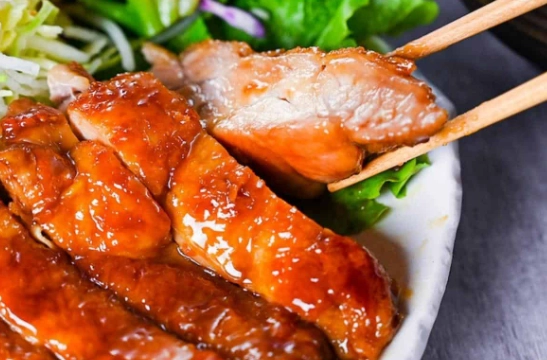
Let's strip away the intimidation. Authentic Japanese home cooking, or katei ryori, is about simplicity, balance, and quality ingredients. It's less about fancy knife skills and more about understanding a few core flavors.
What You'll Discover Inside
- The Philosophy and One Core Concept You're Missing
- Your Japanese Pantry Starter Kit (No, You Don't Need 50 Things)
- Recipe Deep Dive: Perfect Miso Soup Every Time
- Recipe Deep Dive: Foolproof Homemade Teriyaki Chicken
- Recipe Deep Dive: The Ultimate Japanese Curry
- Beyond the Classics: A Modern Fusion Idea
- Your Japanese Cooking Questions, Answered
The Philosophy and One Core Concept You're Missing
Western cooking often celebrates the dominant flavor—the garlic, the rosemary, the chili. Japanese cooking whispers. Its goal is umami-driven harmony, a concept called "Kakushi-aji" (隠し味), or "hidden taste."
You're not supposed to taste the dashi (stock) screaming "I AM DASHI!" in your soup. It should be an undetectable foundation that makes the tofu and wakame taste more of themselves. This is the biggest gap between trying a recipe and making it taste truly Japanese.
Most online recipes get the ingredients right but miss the technique. They tell you to boil dashi, which makes it bitter. They don't emphasize soaking rice, so you get gummy grains. I learned this the hard way, watching my host mother gently steep kombu seaweed in water that was hot, but never, ever boiling.
Expert Slant: The non-consensus point? You don't need homemade dashi for everything. For a quick weekday miso soup, a good quality instant dashi powder (like "Ajinomoto Hondashi") is perfectly respectable in a home kitchen. The purists will gasp, but even in Japan, many busy families use it. The key is to use less than the package says. Start with half. Your goal is subtlety, not an overpowering fishy blast.
Your Japanese Pantry Starter Kit (No, You Don't Need 50 Things)
Forget the massive lists. You can cook 80% of classic Japanese home dishes with these six items. Build this slowly.
| Ingredient | What It Is & Why You Need It | Brand/Type Tip |
|---|---|---|
| Soy Sauce (Shoyu) | The salty, umami backbone. Not all are equal. Koikuchi is the all-purpose dark soy. | Kikkoman is globally available and reliable. For a deeper flavor, look for Yamaroku. |
| Mirin | Sweet rice wine. It's not just sweetener; it adds a complex sweetness and glossy sheen (teriyaki's secret). | Avoid "mirin-fu" or "aji-mirin" if possible—they're syrupy substitutes. Real mirin has alcohol. |
| Sake (Cooking Sake) | Used to eliminate odors (e.g., from fish) and add depth. It tenderizes meat. | Cheap drinking sake works. Don't use "cooking wine" with salt added. |
| Rice Vinegar | Mild, slightly sweet acidity. Crucial for sushi rice, sunomono salads, and balancing dressings. | Mizkan is a good standard. Seasoned rice vinegar has sugar/salt added—handy for sushi rice. |
| Miso Paste | Fermented soybean paste, the soul of soup. White (shiro) is milder, red (aka) is stronger. | Start with a white or yellow miso. Store it in the fridge after opening. |
| Dashi Elements | The umami stock base. Kombu (dried kelp) + Katsuobushi (dried bonito flakes) is the classic pair. | Buy a pack of each. Or, get good instant dashi powder as a backup. |
Find these at Asian grocery stores or online. With these, you can make miso soup, teriyaki, nimono (simmered dishes), and dozens of sauces.
Recipe Deep Dive: Perfect Miso Soup Every Time
This is the test. If your miso soup is good, you're on the right path. It's not just a side dish; it's a daily comfort.
The Common Failure Point
People boil the miso paste. This kills the beneficial enzymes and muddles the flavor. The paste must be dissolved separately.
Ingredients (for 2 bowls):
- 2 cups dashi (made from 2 cups water + 1 piece kombu + 1 handful katsuobushi, OR 2 cups water + 1 tsp good instant dashi powder)
- 2 tbsp white miso paste (adjust to taste)
- 1/2 block soft tofu, cubed
- 1 tbsp dried wakame seaweed
- 1 green onion, finely sliced
Method:
Make your dashi. If using kombu/katsuobushi, wipe the kombu, soak in cold water for 30 mins, then heat slowly. Just before it boils, remove the kombu. Bring to a simmer, turn off heat, add katsuobushi, let steep 5 mins, then strain.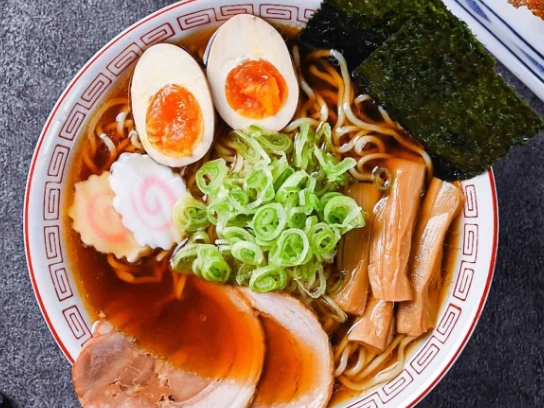
Heat the dashi until it's hot but not boiling. In a separate small bowl, ladle a few tablespoons of hot dashi and whisk it with the miso paste until completely smooth. This is the key step.
Add the tofu and wakame to the pot. Let them heat through for a minute. Turn off the heat. Now, stir in the dissolved miso mixture. Taste. Need more depth? Add a tiny bit more miso dissolved in more broth.
Serve immediately, topped with green onion. Never let it boil after adding the miso.
Recipe Deep Dive: Foolproof Homemade Teriyaki Chicken
Store-bought teriyaki sauce is often cloyingly sweet. The homemade version is balanced, glossy, and takes 10 minutes to make.
The Sauce Ratio to Memorize
Equal parts soy sauce, mirin, and sake. That's the base. For sweetness, add sugar to taste, but mirin already provides a lot.
Ingredients (for 2):
- 2 boneless, skin-on chicken thighs (skin gives flavor and crispness)
- Salt and pepper
- 1 tbsp neutral oil (like canola)
- Sauce: 2 tbsp soy sauce, 2 tbsp mirin, 2 tbsp sake, 1 tbsp sugar (adjust down if you like less sweet)
Method:
Pat the chicken dry. Season. Heat oil in a pan over medium. Place chicken skin-side down. Cook for 6-7 minutes until the skin is deep golden brown and crispy. Don't move it around. Flip, cook another 5-6 minutes until cooked through. Remove chicken.
Pour out excess fat. In the same pan, add all sauce ingredients. Bring to a simmer, scraping up the browned bits (flavor!). Let it bubble for 2-3 minutes until it thickens slightly and becomes syrupy.
Return chicken to the pan, skin-side up, and spoon the sauce over it for a minute to glaze. Rest for a few minutes before slicing. Serve with rice and maybe some blanched broccoli.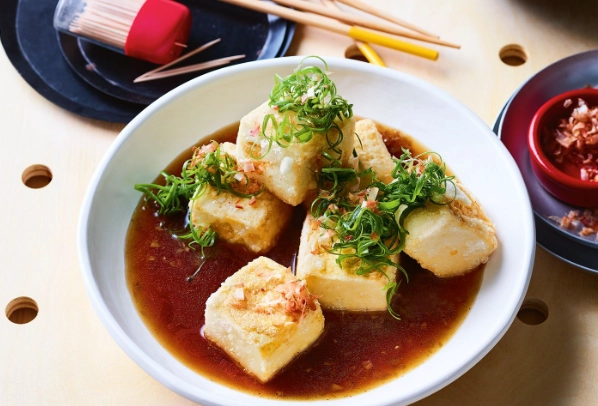
The sugar caramelizes, the mirin gives sheen, the sake cuts richness. It's simple alchemy.
Recipe Deep Dive: The Ultimate Japanese Curry
This is Japan's ultimate comfort food. Unlike Indian or Thai curry, it's thick, sweet, savory, and mild. The secret weapon? Store-bought roux blocks. Seriously. Even in Japan, home cooks use S&B or House Foods curry roux. It's the authentic shortcut.
Ingredients (for 4):
- 1 lb beef stew meat or chicken thigh, cubed
- 2 onions, thinly sliced (take time here—caramelized onions are key)
- 2 carrots, rolled-cut
- 2 potatoes, cubed
- 1 box Japanese curry roux (medium hot)
- 4 cups water or broth
- 1 tbsp oil
- Optional: 1 tbsp grated apple or honey for subtle sweetness
Method:
Heat oil in a large pot. Cook meat until browned, remove. Add onions and cook low and slow for 15-20 minutes until deeply golden and sweet. This step is non-negotiable for depth.
Add back the meat, carrots, and potatoes. Pour in water/broth. Bring to a boil, skim any scum, then simmer covered for 45 mins-1 hour until meat is tender.
Turn off the heat. Break the curry roux blocks into pieces and whisk them in until fully dissolved. This prevents clumping. Return to a very low simmer for 5-10 minutes until thickened.
Serve over steamed rice. It's even better the next day.
Beyond the Classics: A Modern Fusion Idea
Once you're comfortable, play. One of my favorite weeknight dishes is a Miso-Glazed Salmon with Sesame Greens.
Mix 2 tbsp white miso, 1 tbsp mirin, 1 tsp sake, and 1/2 tsp sugar into a paste. Coat a salmon fillet. Let it sit for 15 mins (or up to an hour). Broil or bake at 200°C (400°F) for 10-12 minutes until the glaze caramelizes.
Sauté bok choy or spinach with garlic, finish with a splash of soy sauce and a sprinkle of sesame seeds. Dinner in 20 minutes, with deep Japanese flavors.
Your Japanese Cooking Questions, Answered
What is the most important principle in Japanese cooking for beginners to master?
Focus on achieving 'Kakushi-aji' or 'hidden taste.' It's not about bold, singular flavors but creating a balanced, harmonious foundation. This often starts with a good dashi stock. Many beginners skip this or use instant powder poorly. The key is to never let dashi boil vigorously; just steep the kombu and katsuobushi at around 70-80°C (158-176°F) to extract umami without bitterness. A subtle, clear dashi makes everything else—miso soup, simmered dishes—taste authentically Japanese.
What's the biggest mistake people make when cooking Japanese rice?
They don't wash or soak the rice properly. Rinsing Japanese short-grain rice until the water runs mostly clear is non-negotiable. It removes excess starch that causes gumminess. Then, soaking the rice in its cooking water for at least 20-30 minutes before turning on the heat is crucial. This allows the grains to absorb water evenly, leading to that perfect, slightly sticky yet distinct texture. Skipping the soak gives you hard centers and a mushy exterior.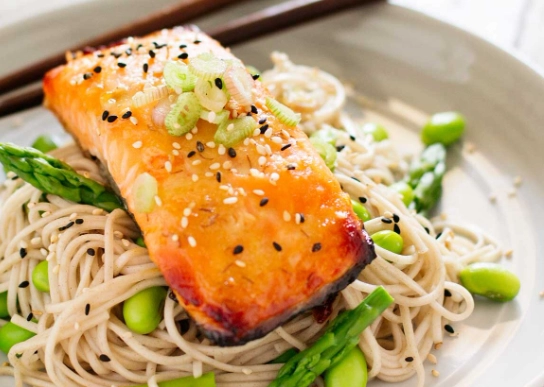
How can I thicken my homemade teriyaki sauce properly?
Avoid using cornstarch slurry as a first resort. The authentic method relies on reduction. Combine soy sauce, mirin, sake, and sugar, then simmer until it reduces by about a third and coats the back of a spoon. The sugar and mirin naturally create a glossy, thick glaze. If you must thicken it more, mix a tiny bit of potato starch (katakuriko) with water—it creates a clearer, shinier glaze than cornstarch and is the traditional thickener for dishes like ankake sauce.
Can I make Japanese food without specialty ingredients?
Yes, for some dishes, but authenticity suffers. Start by building a core pantry. You can make a workable dashi with just kombu and shiitake mushrooms (vegetarian). Soy sauce, mirin, and sake are the holy trinity for many sauces. For recipes like Japanese curry, using the store-bought roux blocks is completely acceptable and delivers the classic flavor profile. The Japanese Ministry of Agriculture, Forestry and Fisheries even promotes home cooking with these accessible products. Focus on one or two recipes first, buy the specific ingredients for them, and your pantry will grow naturally.
The journey into Japanese recipes starts with a single pot of miso soup or a pan of teriyaki chicken. It's not about perfection. It's about that moment when you taste your own soup and think, "Wow, this actually tastes... right." That's the hidden taste revealing itself. Start there.
Reader Comments