Your Noodle Journey Map
- The Big Three: Ramen, Udon, and Soba Explained
- Diving Deep into the Ramen Universe
- The Comforting World of Udon
- The Elegant Simplicity of Soba
- Beyond the Big Three: Other Japanese Noodle Dishes You Should Know
- How to Order and Eat Like You Know What You're Doing
- Common Questions (The Stuff You Actually Google)
- Wrapping It Up: Finding Your Favorite Bowl
Let’s be honest. When someone says "Japanese noodle dish," 90% of us instantly think of a steaming, pork-bone-scented bowl of ramen. I did too, for years. It's the superstar, the one that gets all the Instagram love. But walking into a proper Japanese restaurant and seeing a menu with words like "tsukemen," "kake udon," or "zaru soba" can feel like hitting a wall. Which one is hot? Which one is soupy? Is soba always brown? I remember my first time in Tokyo, staring at a vending machine with pictures of a dozen different bowls, paralyzed by choice. I just pointed at random and hoped for the best.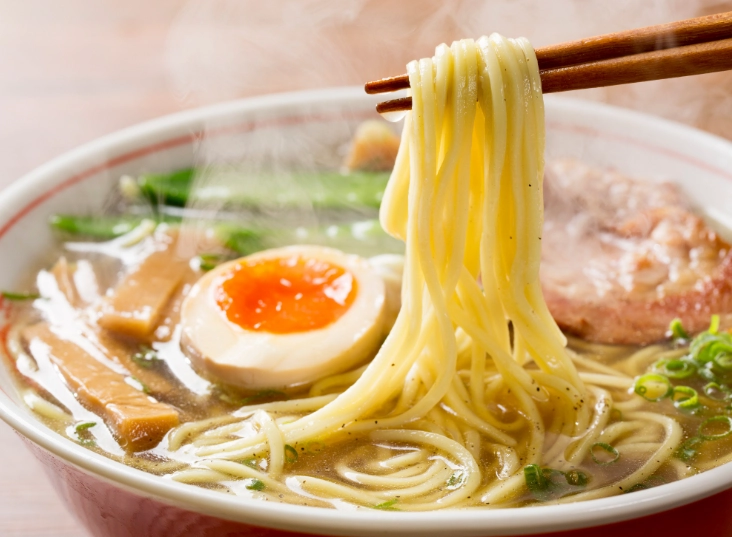
It turned out okay, but it didn't have to be a gamble. That's why I wanted to write this. Not as a formal encyclopedia, but as the chat I wish I'd had with a friend before that trip. We're going to walk through the whole delicious world of Japanese noodles, beyond just the ramen hype. We'll talk about the chewy, comforting udon, the elegant and nutty soba, and yes, the many, many faces of ramen itself. By the end, you won't just know what to order; you'll know why you're ordering it, and maybe even how to eat it like you mean it.
Think of this as your personal, no-judgment guide. We're skipping the food snobbery and getting to the good stuff.
The Big Three: Ramen, Udon, and Soba Explained
Japan's noodle scene is vast, but three pillars hold up the entire temple. Understanding the difference between them is your first and most important step. It's not just about shape or color; it's about the soul of the dish.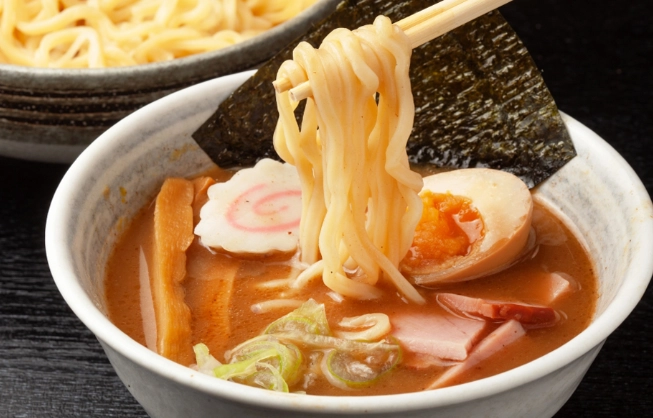
Ramen uses wheat noodles made with alkaline water (called "kansui"), which gives them their signature yellow hue, springy bite, and that slight chemical undertone (in a good way!). They're almost always served in a flavored broth, and the entire dish is a fusion food with Chinese roots that Japan made entirely its own. The broth is the star here—it’s a project that can simmer for days.
Udon noodles are also wheat-based, but they're thicker, whiter, and chewier. They have a neutral, gentle flavor that acts as the perfect sponge for whatever broth or sauce they're paired with. Eating udon is a comfort food experience, like a warm hug from the inside. They're native to Japan and feel ancient and wholesome.
Then there's soba. Made primarily from buckwheat flour (sometimes mixed with wheat), these noodles are thinner, often grayish-brown, and have a distinct, earthy, nutty flavor. Soba is the sophisticate of the group. It can be served hot in a broth, but it truly shines cold with a dipping sauce, where you can appreciate the noodle's own delicate taste. The Japan National Tourism Organization notes that soba has a long history tied to both everyday meals and special occasions.
| Noodle Type | Key Characteristic | Typical Broth/Sauce | Noodle Texture | Best For |
|---|---|---|---|---|
| Ramen | Yellow, alkaline wheat noodles | Rich, long-simmered broths (Tonkotsu, Shoyu, Miso) | Firm, springy, curly or straight | A deeply flavorful, filling meal where the broth is the hero. |
| Udon | Thick, white wheat noodles | Light dashi-based broth (Kake), or thicker curry/stew | Soft, chewy, pillowy | Comforting, warm, and simple satisfaction. Great in hot pots too. |
| Soba | Thin, brown buckwheat noodles | Savory, soy-based "tsuyu" dipping sauce or light broth | Firm, slightly grainy, delicate | A lighter, more refined meal. Excellent served cold. |
See? Already less confusing. But each of these is a universe in itself. Let's zoom in.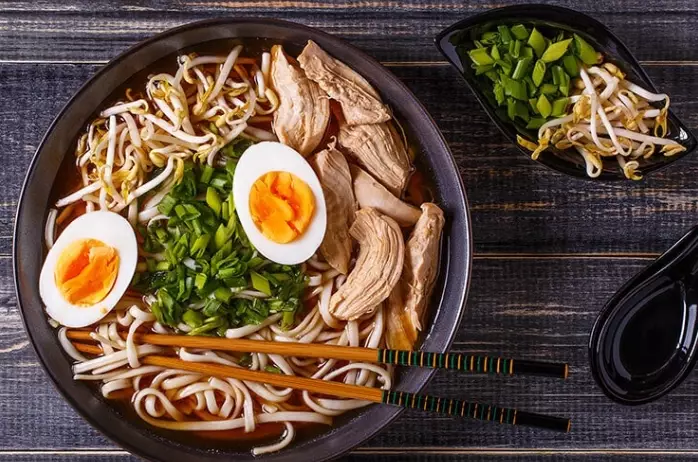
Diving Deep into the Ramen Universe
Ramen is a science and an art. A proper bowl is a careful balance of five elements: broth (tare), noodles (men), toppings (toppingu), aroma oil (abura), and the seasoning (often the tare mixed in). Mess with one, and the whole thing feels off.
The Broth: Where the Magic Happens
The broth defines the ramen style. It's not just "chicken soup." It's a layered construction.
- Tonkotsu: The king of richness. Pork bones (usually trotters and skulls) are boiled for hours until they break down, creating a milky-white, opaque, and intensely pork-flavored broth that's almost like a gravy. It's thick, creamy, and coats every strand of noodle. Popular in Kyushu, like Hakata. It's incredible, but can be too heavy for some people. I find I can only have it once in a while as a treat.
- Shoyu: Soy sauce-based. This is often a clearer, brown broth made from chicken and vegetables, seasoned with soy sauce. It's savory, salty, and well-rounded—the classic Tokyo-style ramen. It’s my personal go-to because it’s flavorful without being overwhelming.
- Miso: Hails from Hokkaido. Fermented soybean paste is blended into the broth, giving it a robust, tangy, and slightly sweet complexity. It's often paired with corn and butter. Hearty and perfect for cold weather.
- Shio: "Shio" means salt. This is the oldest and often the lightest style, seasoned simply with salt. The broth (usually chicken or seafood-based) is clear and delicate, allowing the pure flavors of the ingredients to shine. It's a great starting point if rich broths scare you.
The Shin-Yokohama Raumen Museum is a testament to how seriously Japan takes this, essentially being a theme park dedicated to ramen history and styles.
The Noodles Themselves
Not all ramen noodles are the same! They vary in thickness, waviness (called "wave" or "straight"), and water content. A general rule: rich, heavy broths like tonkotsu are paired with thin, hard, straight noodles. The thinness allows you to slurp them up quickly with broth. Lighter broths like shio or shoyu often get slightly wavier, medium-thick noodles that hold onto the soup better.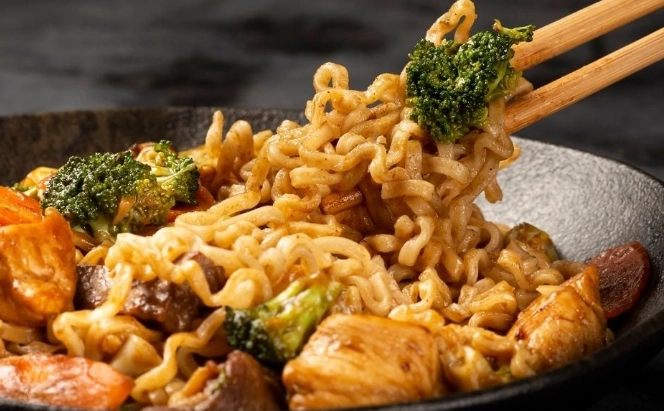
Popular Ramen Dish Variations
Beyond the broth type, the format can change.
Tsukemen: This is my absolute favorite way to eat ramen in the summer. The noodles are served completely separate from a thick, concentrated, and usually cold dipping broth. You take a small bundle of noodles, dunk them forcefully into the sauce, and eat. The broth is so intense you'd never drink it as a soup, but as a dip, it's explosive with flavor. The noodles are often thicker and chewier to stand up to the dipping. It’s a more interactive, textural experience.
Abura Soba (Mazesoba): No soup at all. This is a "mixed noodle" dish. The noodles come in a bowl with toppings like minced pork, seaweed, green onions, a flavored oil, and a spoonful of sharp vinegar. You mix it all together into a glorious, saucy, chaotic mess. It’s less known among tourists but a huge hit with locals. A fantastic Japanese noodle dish for when you want flavor without the liquid.
Jiro-kei: This is a cult phenomenon. Originating from a chain called Ramen Jiro, this style is... extreme. Imagine a mountain of thick, rough-cut noodles, a ton of bean sprouts and cabbage, extra slices of fatty pork, and a heap of minced garlic, all floating in a heavy, garlicky soy-based broth. It's a massive, aggressive, working-man's meal. Not for the faint of heart, but an experience every ramen adventurer should try once.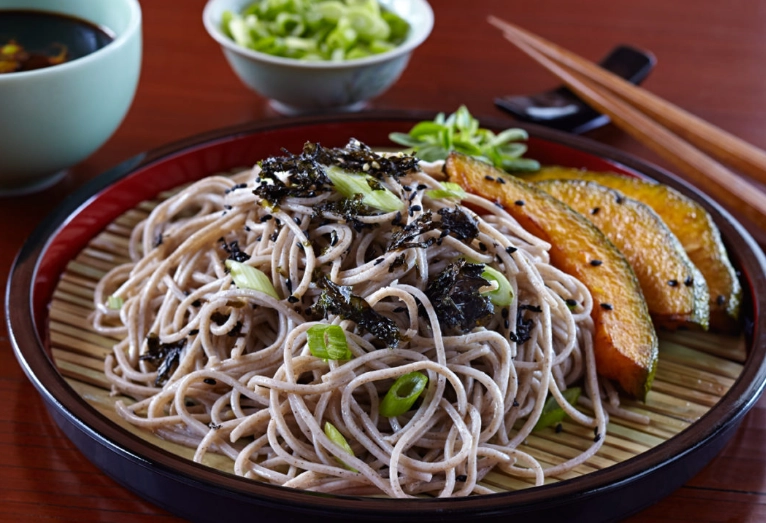
The Comforting World of Udon
If ramen is the exciting rock concert, udon is the acoustic set by your favorite artist—comforting, familiar, and deeply satisfying in its simplicity. The beauty of a Japanese noodle dish like udon lies in its versatility and gentle nature.
Classic Udon Preparations
Kake Udon: The purest form. Hot udon noodles in a mild, warm dashi broth (made from bonito and kelp), topped with sliced green onions. Sometimes a fish cake (kamaboko) is added. It's the baseline, the test of a good udon shop. The broth should be clear and flavorful but not overpowering, letting the noodle's texture be the star.
Kitsune Udon: "Kitsune" means fox, and legend says foxes love fried tofu. This bowl is kake udon topped with a sheet of sweetened, simmered aburaage (fried tofu pouch). The slightly sweet, soy-soaked tofu against the savory broth is a classic, beloved combination.
Tempura Udon: A meal in itself. You get your bowl of kake udon, accompanied by a piece or two of crispy tempura—usually a large prawn (ebi tempura) or assorted vegetables. You can dip the tempura in the broth to soften it slightly, or eat it separately for crunch. It’s the perfect balance of textures.
Nabeyaki Udon: Served in a traditional clay pot (donabe), keeping it piping hot until the last slurp. It’s like a noodle hot pot, often containing udon, broth, vegetables, a piece of chicken, a shrimp tempura, and an egg cracked in to poach. It’s theatrical and incredibly comforting on a cold day.
Curry Udon: A glorious fusion. Thick, hearty Japanese curry is used as the soup base for the udon noodles. It’s stew-like, incredibly filling, and packs a flavorful punch. This might be the ultimate comfort food Japanese noodle dish for many.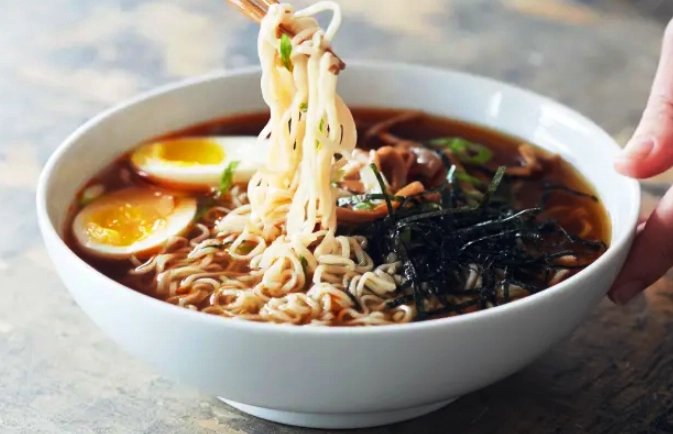
The Elegant Simplicity of Soba
Soba feels different. There's a ceremony to it, a connection to tradition. Because buckwheat is a nutritious grain, soba is often perceived as healthier. The Japanese Ministry of Agriculture, Forestry and Fisheries highlights buckwheat's nutritional benefits, which adds to soba's wholesome image.
Hot vs. Cold: The Great Soba Divide
This is the key decision when ordering soba.
Hot Soba (Kake-soba): Similar to kake udon, but with soba noodles in a hot, light dashi-based tsuyu broth. It’s warming and straightforward. The broth is slightly stronger than udon broth to complement the soba's flavor.
Cold Soba (Mori-soba/Zaru-soba): This is where soba shines. The cooked noodles are rinsed, cooled, and artfully arranged on a bamboo mat (zaru) or a plate (mori). They are served with a small cup of concentrated, chilled dipping sauce (mentsuyu), usually alongside finely chopped green onions and wasabi.
You take a small bundle of noodles, dip them lightly in the sauce, and eat. The noodles are firm, slightly al dente, and you can truly taste the nutty, earthy flavor of the buckwheat. At the end, the restaurant will often give you "sobayu," the hot water the noodles were cooked in. You pour this into your leftover dipping sauce to drink as a warm, nutritious soup. It’s a full-cycle, zero-waste experience that feels thoughtful and complete.
Other Notable Soba Styles
Tempura Soba: Just like with udon, but the delicate soba provides a fantastic contrast to the crispy tempura. Cold soba with a side of tempura is a particularly popular summer lunch set.
Kamo Nanban Soba: A rich, hot soba dish where the broth is made with duck (kamo) meat. It’s a more luxurious, deeply savory option that’s perfect for colder months.
Is soba an acquired taste? Maybe a little. The buckwheat flavor is distinct. But a well-made zaru soba on a hot day is one of the most refreshing and satisfying meals I know. It feels clean and energizing.
Beyond the Big Three: Other Japanese Noodle Dishes You Should Know
The story doesn't end with ramen, udon, and soba. Japan's culinary creativity has spawned other fantastic noodle-based meals.
Somen: The thinnest of all Japanese wheat noodles. They are white, delicate, and usually served ice-cold in the summer, often floating in a bowl of ice water with a dipping sauce on the side. Eating them is a sleek, refreshing experience. Sometimes they are served flowing down a bamboo flume with cold water—a fun dish called "nagashi somen."
Hiyashi Chuka: Literally "chilled Chinese," but it's a firmly Japanese summer staple. It's a plate of cold ramen-style noodles topped with an artistic array of colorful toppings: strips of omelet, ham, cucumber, tomato, and boiled chicken or shrimp. It's all drizzled with a sweet-and-sour or sesame-based sauce. It’s vibrant, light, and a perfect lunch on a sweltering day. A fantastic cold Japanese noodle dish that often gets overlooked.
Yakisoba: Despite the name, it usually uses steamed ramen-style noodles, not soba. It's a stir-fried dish. The noodles are cooked on a griddle with pork, cabbage, carrots, and other vegetables, then coated in a sweet, savory, and slightly tangy Worcestershire-style sauce. It's a festival food, a street food, and a home-cooking classic all rolled into one. Often garnished with benishoga (red pickled ginger) and aonori (seaweed powder).
Okinawa Soba: A regional specialty from Okinawa. The noodles are made with wheat flour but are often softer and have a different texture than mainland udon. The broth is typically a clear, pork-based soup, and it's commonly topped with thick slices of stewed pork belly (soki). It’s a distinct and delicious branch of the Japanese noodle dish family tree.
How to Order and Eat Like You Know What You're Doing
Okay, you know the players. Now, how do you navigate a real restaurant?
At a Ramen Shop (Especially via Ticket Machine)
Many ramen shops use a vending machine at the entrance. You put in money, press the button for what you want, get a ticket, and hand it to the staff.
- Choose your base: Look for the big buttons with pictures—Tonkotsu, Shoyu, Miso, Shio.
- Customize: There will be smaller buttons for extras. Common ones:
- 味玉 (Ajitama): Marinated soft-boiled egg. An absolute must-add for me.
- チャーシュー (Chashu): Extra slices of roasted pork belly.
- ねぎ (Negi): Extra green onions.
- メンマ (Menma): Seasoned bamboo shoots.
- カラメ (Karame): "Hard noodles"—ask for your noodles to be cooked firmer.
- 大盛り (Omori): Larger noodle portion.
Once seated, don't wait for utensils. Chopsticks and a large spoon (for the broth) will be at your table or in a drawer. Dig in promptly—ramen waits for no one, and the noodles get soggy.
At an Udon/Soba Shop
These can be counter-service or sit-down. Often, you'll see a display of plastic food models. Pointing is perfectly acceptable. You might just say "Kake udon, one please" or "Zaru soba."
Common Questions (The Stuff You Actually Google)
Wrapping It Up: Finding Your Favorite Bowl
Exploring Japanese noodle dishes is a lifelong journey. There's always a new regional variation, a new shop, a new topping to try. The beauty is in the diversity. Some days you need the brutal comfort of a rich tonkotsu ramen. Other days, only the clean, nutty strands of a cold zaru soba will do. And sometimes, you just want the simple, chewy embrace of a hot udon noodle soup.
Don't stress about getting it "right." The only right way is the way you enjoy it. Use this guide as a map, not a rulebook. Be bold, ask questions (pointing works wonders), and most importantly, slurp with confidence.
The world of Japanese noodles is deep, delicious, and waiting for you. Go find your perfect bowl.
Reader Comments