Let's be honest. Most "ramen recipes" online are shortcuts. They tell you to use store-bought broth, pre-made noodles, and call it a day. That's fine for a quick fix, but it's not authentic ramen. The real thing—the steaming bowls that define ramen shops in Tokyo, Fukuoka, and Sapporo—is a symphony of deeply layered flavors and textures built from scratch. It feels like a secret club. I thought it was impossible to join without a Japanese grandmother or a decade of apprenticeship.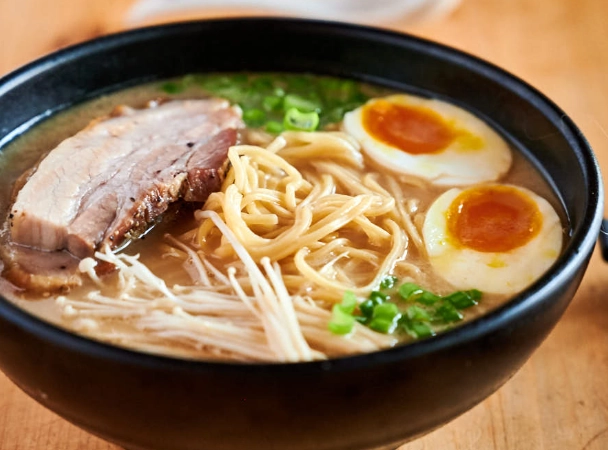
I was wrong. After burning my first batch of chashu, over-salting a gallon of shoyu tare, and producing noodles more suited to paste than soup, I finally cracked the code. Making traditional ramen isn't about magic; it's about understanding a few core principles and having the patience to execute them. This guide is the one I wish I had. We're going beyond the basics into the details that actually matter.
Your Ramen Roadmap
The One-Page Philosophy of Real Ramen
Think of a perfect ramen bowl as a balanced equation, not a single soup. This is the biggest mental shift. You create powerful, concentrated elements separately and combine them only at the very end. It's modular cooking.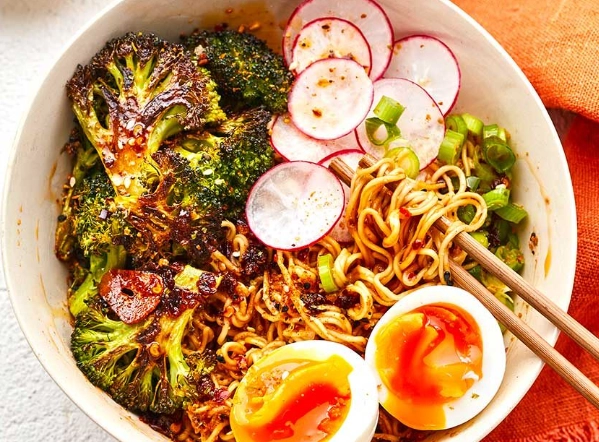
- The Broth (Dashi/Soup): The soul. It provides the body and the foundational umami. This is your long-simmered project—tonkotsu (pork bone), chicken paitan, or a clear seafood dashi.
- The Seasoning Sauce (Tare): The heart. This is the concentrated flavor bomb that seasons the broth. It's where you define the ramen type: shoyu (soy-based), shio (salt-based), or miso.
- The Noodles: The backbone. They're not just pasta. Their texture—springy, firm, wavy—is designed to hold the broth and provide chew. The flour, alkalinity (from kansui), and hydration are specific.
- The Toppings (Menma, Chashu, etc.): The accents. Each is prepared with its own method to add texture, fat, and bursts of flavor.
Get this framework right, and you can mix and match to create countless variations. The broth from a tonkotsu recipe paired with a shoyu tare creates a different experience than the same broth with a miso tare.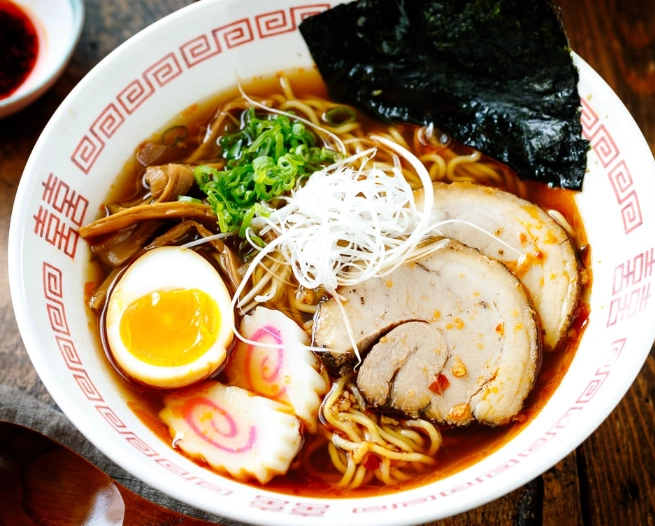
How to Make Each Component?
Here's where we get our hands dirty. We'll break down each pillar with the specifics most recipes gloss over.
1. The Broth: It's About Extraction, Not Just Simmering
You can't just throw bones in water and wait. For a rich, creamy tonkotsu, you need a violent, rolling boil for 12-18 hours to emulsify fat and collagen into the water. For a clear chicken chintan, you need a bare simmer to keep it clean. The temperature and agitation matter as much as the time.
My Tonkotsu Tip: Blanch the pork bones (neck bones, trotters) for 10-15 minutes first, scrubbing off all the grey scum. Rinse them clean. This step is non-negotiable. If you skip it, your broth will be murky and have off-flavors no amount of boiling can fix. Start with cold water, bring to a boil, then dump it all out. Then start your real broth with fresh water.
2. The Tare: Your Flavor Blueprint
This is where you inject personality. A classic shoyu tare involves simmering soy sauce, mirin, sake, and dashi with aromatics like ginger and kombu. Don't just mix raw ingredients. Cook them. Simmering mellows the alcohol and sharp soy, blending flavors. A good tare should taste too strong on its own—it's meant to be diluted by the bland broth.
I keep a jar of my base shoyu tare in the fridge. It lasts weeks and turns any simple chicken or pork stock into ramen-ready soup in seconds.
3. The Noodles: The Texture is in the Formula
Store-bought "ramen noodles" are often just wheat noodles. True ramen noodles contain kansui (an alkaline mineral water). This is the secret. Kansui gives noodles their yellow hue, firm bite, and that slightly slippery texture that lets them carry broth. You can buy food-grade kansui powder online or use baked baking soda as a substitute (bake regular baking soda at 250°F/120°C for an hour).
The flour matters too. Bread flour (high protein, 12-13%) is your best bet for chew. Hydration is low—around 35-40%—making the dough very stiff and hard to knead. A pasta machine is almost essential unless you have forearms of steel.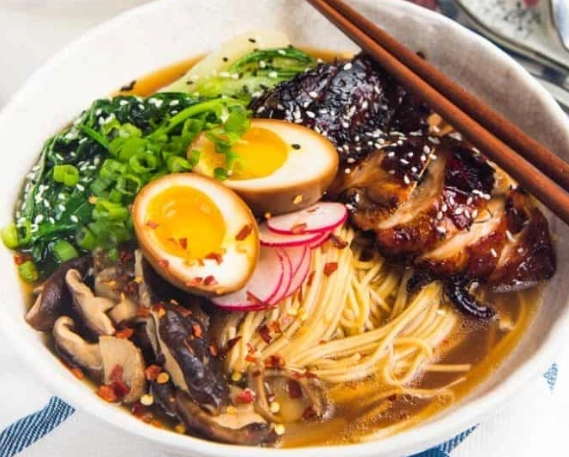
| Flour Type | Protein % | Best For | Note |
|---|---|---|---|
| Bread Flour | 12-13% | Classic chewy, springy ramen noodles | Most accessible and reliable choice. |
| All-Purpose Flour | 9-11% | Softer, more tender noodles | Will lack the signature "bite" but still good. |
| High-Gluten Flour | 13.5%+ | Extremely chewy, restaurant-style texture | Can be too tough if not handled correctly. |
4. The Toppings: Small Bites, Big Effort
Chashu (Braised Pork Belly): Don't just braise it. After braising in soy, sake, sugar, etc., let it cool in the liquid overnight. Then, before serving, sear the slices in a blazing hot pan or with a torch. That contrast of tender interior and caramelized, crispy edges is everything.
Ajitsuke Tamago (Marinated Egg): The yolk must be custardy, not solid. Cook eggs for 6.5 minutes in boiling water, shock in ice water, peel, then marinate in a mix of mirin, soy, and water for 12-24 hours. Any longer and the white gets too rubbery.
Aromatic Oil: Often forgotten. Infuse lard, chicken fat, or vegetable oil with garlic, ginger, or scallions. A spoonful on top of the finished bowl adds aroma and richness.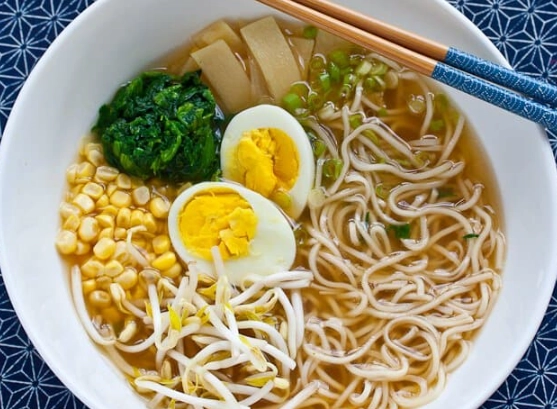
A Real-World Case: Building a Tonkotsu Ramen Bowl
Let's walk through a specific Saturday project: Hakata-style tonkotsu ramen. This is a two-day affair, but the active work is minimal.
Day 1 (Evening):
1. Blanch and scrub 4 lbs of pork neck bones and 2 pig trotters. Rinse thoroughly.
2. In a large stockpot, cover cleaned bones with 6 quarts of water. Bring to a rolling boil. Maintain the hardest boil you can for 12 hours. Yes, overnight. Top up with boiling water as it evaporates. You'll hear it bubbling from the other room.
3. Meanwhile, make your shoyu tare: simmer 2 cups soy sauce, 1 cup mirin, 1/2 cup sake, a piece of kombu, and a few slices of ginger for 20 minutes. Cool and store.
4. Braise your pork belly roll (tied with string) for 2 hours. Let it cool in the pot, then refrigerate in its liquid.
Day 2 (Morning):
1. Your broth is done. It should be creamy white and rich. Strain it, discard bones. Season the broth lightly with just salt at this stage.
2. Make your noodles. Mix 400g bread flour, 160g water, 4g kansui powder (or 8g baked baking soda), and 4g salt. Knead, rest, roll, and cut into thin noodles.
3. Slice the chashu. Sear the slices. Make the eggs.
The Assembly (The Final 3 Minutes):
This is the sprint. Boil your noodles for about 90 seconds (fresh ones cook fast). While they boil, put 2 tbsp of your shoyu tare in a pre-warmed bowl. Ladle in about 350ml of piping hot tonkotsu broth. Whisk to combine. Drain the noodles, shake well, and place them in the broth. Arrange your chashu slice, halved egg, some chopped scallions, and a sheet of nori. Drizzle with a bit of garlic-infused oil.
That first sip, after all that work? Unbeatable.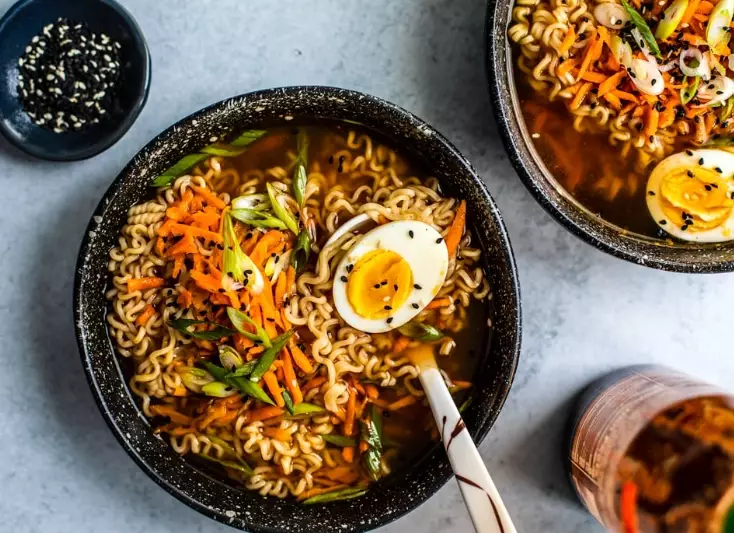
What Are Common Ramen Making Mistakes? (And How to Dodge Them)
- Using the Wrong Flour for Noodles: All-purpose flour gives you a limp noodle that soaks up broth and gets soggy. It lacks structural integrity. Spring for the bread flour.
- Underseasoning the Final Bowl: You taste the broth in the pot and it's good. You combine it with noodles and it tastes weak. The tare must be potent. The bowl should be seasoned to the edge of being too salty when you sip the plain broth, because the noodles and toppings will balance it.
- Overcooking the Noodles and Letting Them Sit: Ramen noodles are served al dente to the extreme. They continue to cook in the hot broth. If you cook them to soft in the water, they'll be mush by the third bite. Cook, drain, and serve immediately.
Your Ramen Questions, Answered by Experience
The journey to mastering traditional ramen noodle recipes is iterative. Your first broth won't be perfect. Your noodles might be too thick. But each attempt teaches you something about how flavors build and textures interact. Start with one component—maybe perfect the ajitsuke tamago or the tare. Then tackle the broth. Before you know it, you'll have a repertoire that turns your kitchen into the best ramen spot in town.
Reader Comments